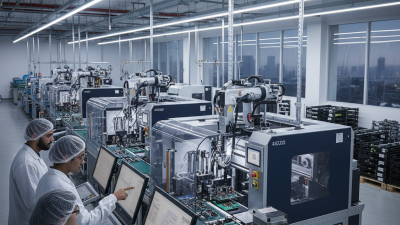
In today’s fast-moving tech world, we really can’t overstate how important a good Circuit Board Coating is. Experts like Dr. Robert Anderson from TechProtect Solutions often point out that choosing the right coating method can make a huge difference in how long your circuit boards last and how reliable they are. As gadgets get more complicated, protecting all those tiny components from moisture, dust, and other junk isn't just optional — it’s super crucial.
You’ve probably noticed that coating techniques, like Conformal Coatings, have come a long way. Manufacturers now have a bunch of options to handle different challenges. Things like acrylic, silicone, and epoxy coatings each have their own perks. But here’s the thing — picking the wrong one can cause performance headaches down the line. That’s why making informed decisions about coatings is so important. Sadly, I’ve seen plenty of companies still overlook some key factors, which can end up hurting the quality.
Even with all these cool advancements, it’s worth taking a step back and thinking. Do we really understand the long-term perks of each coating? Getting to know the ins and outs of each method can be the difference between a good and a great finish. As new materials and application methods keep popping up, staying educated about circuit board coating is more important than ever. Finding the right balance between industry expertise and new tech is what’s going to push the industry forward and make our devices more reliable overall.
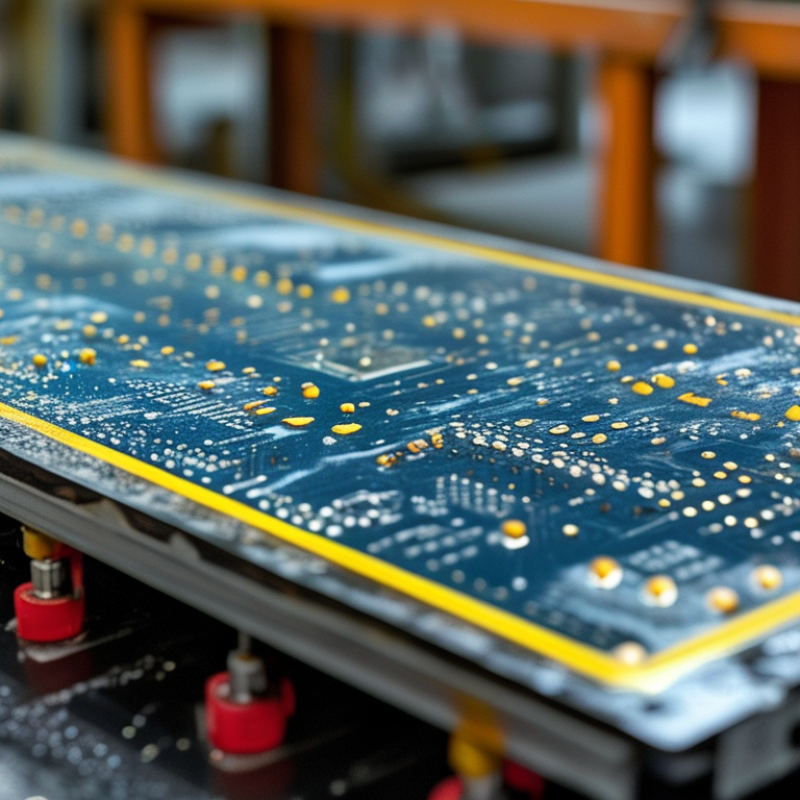
Best Circuit Board Coating Methods for Optimal Performance
Selecting the right coating for circuit boards is crucial for their longevity and performance. Different methods exist, each with unique benefits. Conformal coatings provide a protective layer that conforms to the surface of the board, helping to prevent moisture and dust intrusion. However, applying these coatings requires precision and skill. Improper application can result in uneven surfaces or insufficient coverage.
Another popular approach is potting, which involves encasing the circuit board in a solid material. This method offers excellent protection from physical shocks and environmental factors. While potting is robust, it can also increase weight and make repair difficult. Companies must weigh these trade-offs carefully before making a decision.
Some may overlook the importance of testing the coating’s effectiveness in real-world conditions. Regular inspections can highlight hidden issues caused by environmental stressors. Continuous feedback from users can also improve the application process. Staying aware of advancements in coating technology can lead to better choices for specific applications.
Understanding the Importance of Circuit Board Coatings in Electronics
Circuit board coatings play a crucial role in protecting electronic components. They shield circuits from environmental factors. Moisture, dust, and chemicals can significantly affect performance. A reliable coating enhances lifespan and reliability. Different methods exist for applying these coatings. Conformal coatings provide a thin, protective layer. They adapt to the circuit's shape, ensuring full coverage. However, not all coatings are equal. Some may not adhere well, leading to vulnerabilities. It's essential to select the right method based on the specific application.
Understanding the characteristics of each coating type is vital. Some are better for thermal resistance, while others excel in humidity protection. A wrong choice can result in inherent weaknesses. Ultimately, the goal is optimal performance without unintended failures. A thorough evaluation of the environment and application is necessary to make informed decisions.
Types of Circuit Board Coatings: Conformal, Epoxy, and Polyurethane
Conformal coatings, epoxy resins, and polyurethane coatings are popular candidates for Circuit Board Coating solutions. Conformal coatings provide a thin film that adheres to the circuitry, offering protection against moisture, dust, and chemicals. According to industry reports, nearly 30% of circuit failures arise from environmental factors, highlighting the importance of a robust conformal coating.
Epoxy coatings are known for their durability and high resistance to harsh chemicals. They are often used when circuitry must endure extreme conditions. However, improper application can lead to brittle layers that crack under stress. A recent study indicated that 15% of epoxy-coated boards failed during thermal cycling tests, suggesting careful application is essential.
Polyurethane coatings balance flexibility and strength, making them ideal for boards subject to frequent movement. While they offer excellent moisture protection, they may not resist solvents as well as epoxy. Studies show that while polyurethane provides a good seal, its longevity can be compromised by UV exposure. This raises questions about long-term performance under varying conditions. Each Circuit Board Coating type has its strengths and weaknesses that must be assessed based on specific application needs.
Comparative Analysis of Coating Thickness and Its Effect on Performance
The performance of a Printed Circuit Board Coating heavily relies on coating thickness. Recent studies show that optimal thickness ranges between 25 to 75 micrometers. This range provides a balance, enhancing durability while maintaining necessary conductivity. Thicker coatings may isolate components, whereas thinner ones may not offer sufficient protection. As a result, understanding these nuances is crucial for manufacturers aiming for reliability.
A comparative analysis of different coatings reveals varying effects on performance. A 2022 industry report highlighted that coatings exceeding 100 micrometers could significantly reduce circuit responsiveness. Moreover, some coatings may peel or crack at higher thicknesses, leading to potential failures. Manufacturers must assess the balance between protection and performance to avoid costly mistakes.
In addition to thickness, application methods also influence outcome. Spray coatings tend to provide inconsistent thickness, while dip coatings offer better uniformity. However, each method has pros and cons. For instance, dipping might lead to excess buildup in certain areas. This inconsistency underscores the need for careful evaluation in the Printed Circuit Board Coating process.
Impact of Environmental Factors on Circuit Board Coating Durability
When considering circuit board coatings, environmental factors are crucial. Temperature fluctuations can affect durability. High humidity introduces moisture, leading to corrosion. Dust and contaminants can disrupt performance too. A reliable coating must withstand such adversities.
Many users overlook the impact of UV exposure. Prolonged sunlight can degrade some coatings. This degradation might not be immediate. Users often assume their boards are safe. However, a simple visual inspection may not reveal underlying issues. Selecting a robust Printed Circuit Board Coating Material is essential for harsh environments.
Testing different coatings in real-world conditions is vital. The results might surprise many. What works in a lab setting may not perform in the field. Regular assessments help identify weaknesses in protection. Continuous improvement is key to achieving optimal performance and longevity.
Latest Innovations in Circuit Board Coating Technologies and Materials
Recent advancements in circuit board coating technologies are reshaping the industry. A recent report indicates that the demand for Conformal Coating Printed Circuit Boards is on the rise, driven by the need for enhanced durability and reliability. For instance, a survey conducted by an industry leader found that over 70% of manufacturers prioritize coating methods that provide water and chemical resistance.
Innovative materials like nano-coatings and polyurethane are gaining traction. These materials not only reduce moisture absorption but also offer superior electrical insulation. Data shows that using nano-coatings can improve the lifetime of circuit boards by up to 40%. However, there are challenges. Some manufacturers question the compatibility of new materials with traditional manufacturing processes, leading to possible inefficiencies.
Moreover, the variety in coatings often complicates selection. Factors such as end-use environment and cost play critical roles. Research indicates that many companies still struggle to choose the optimal coating method, demonstrating a need for clearer guidelines. In this evolving landscape, ongoing training and knowledge sharing will be crucial for engineers and decision-makers to effectively implement these emerging technologies.
Industry Standards and Testing Procedures for Coating Effectiveness
Coating effectiveness in circuit boards is critical for their durability and performance. Industry standards for coatings vary significantly. Organizations often establish testing procedures to ensure reliability. These tests measure adhesion, moisture resistance, and thermal stability. Each parameter plays a vital role in how well a coating can protect the underlying circuitry.
Applying coatings isn't a straightforward process. It requires meticulous attention to detail. Many manufacturers face challenges in achieving uniform application. Variations in thickness can lead to compromised protection. Proper surface preparation is essential. Inadequate cleaning can result in poor adhesion, which diminishes the coating's effectiveness.
Further, the choice of materials is important. Different coatings offer unique benefits and drawbacks. Understanding these variances helps in making informed decisions. Some options excel in moisture resistance. Others may perform better under extreme temperatures. Manufacturers must balance protective qualities with cost and feasibility. Insightful evaluations of these factors shape the future of coating technology. Each development brings new learning opportunities and reflections on past practices.
Best Circuit Board Coating Methods for Optimal Performance
| Coating Method | Material Type | Drying Time | Thickness Range | Key Benefits | Common Applications |
| Conformal Coating | Polyurethane, Acrylic | 30 minutes - 2 hours | 25 - 75 microns | Protection against moisture, dust, and chemicals | Consumer electronics, automotive |
| Epoxy Coating | Epoxy Resins | 1 - 6 hours | 50 - 150 microns | High mechanical strength, chemical resistance | Industrial equipment, military applications |
| Silicone Coating | Silicone Compounds | 1 - 2 hours | 30 - 100 microns | Excellent temperature resistance, flexibility | Aerospace, high-temperature applications |
| Parylene Coating | Parylene Polymers | Under 2 hours | 1 - 5 microns | Ultra-thin, uniform coverage, electrical insulation | Medical devices, electronics |
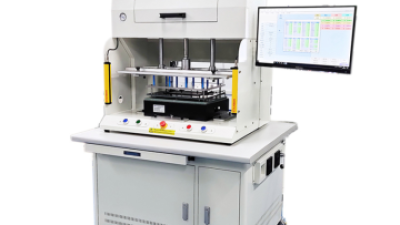
Enhancing Electronic Reliability: Insights from Industry Reports on the Efficacy of IN-CIRCUIT TESTER PMP-818S
The efficacy of in-circuit testing in enhancing electronic reliability cannot be overstated, particularly in the fast-paced electronics manufacturing industry. The focus on quality control has become paramount as manufacturers strive to eliminate defects that can compromise product performance. Employing advanced testing solutions allows businesses to identify issues like short circuits, open circuits, and incorrect component values early in the production process, ultimately leading to superior finished products.
One standout solution in this realm is a high-performance in-circuit tester specifically designed to revolutionize quality control workflows. By enabling manufacturers to meticulously assess the functionality and integrity of printed circuit board assemblies (PCBAs), this testing device minimizes the risk of faults, ensuring that only reliable electronics reach the market. With its precision and efficiency, this technology not only boosts production speed but also significantly enhances the overall reliability of electronic devices. As industry demands for high-quality, defect-free products continue to escalate, the importance of reliable in-circuit testing becomes ever more critical.
FAQS
: The main types are conformal coatings, epoxy resins, and polyurethane coatings. Each type offers unique protection and durability.
It forms a thin film over circuitry, shielding against moisture, dust, and chemicals. This helps reduce circuit failures.
Epoxy coatings are durable but can become brittle if not applied correctly. This may lead to cracking under stress.
Real-world conditions differ from lab settings. Testing helps identify weaknesses and ensures the coating performs reliably in actual use.
Yes, prolonged UV exposure can degrade certain coatings. Users may not notice issues without thorough inspection.
Polyurethane offers flexibility and moisture protection, but may not resist solvents as well as epoxy. Longevity can be an issue.
Variability in coatings complicates choices. Factors like environment and cost greatly impact decisions, causing uncertainty for many companies.
Temperature fluctuations can significantly affect a coating's durability. High humidity introduces additional risks like corrosion.
Nano-coatings and advanced materials reduce moisture absorption. These innovations promise improved electrical insulation and longevity.
Compatibility with traditional processes can lead to inefficiencies. Many still struggle to choose the optimal method for their needs.
Conclusion
Circuit Board Coating plays a critical role in enhancing the performance and longevity of electronic devices. Understanding the various types of coatings, such as conformal, epoxy, and polyurethane, is essential for optimizing circuit board reliability. Each coating type offers different protective qualities, and a comparative analysis of coating thickness reveals its significant impact on performance outcomes.
Moreover, environmental factors can greatly affect the durability of circuit board coatings, necessitating advancements in coating technologies and materials. The latest innovations focus on improving resistance to moisture, chemicals, and temperature fluctuations, ensuring optimal functionality in diverse conditions. Adhering to industry standards and testing procedures remains vital for verifying coating effectiveness, thereby ensuring that electronic components are shielded against potential damage and function at peak efficiency.