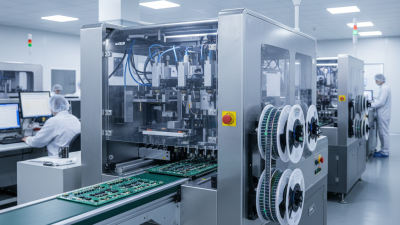
In the fast-moving world of electronics manufacturing, picking the right equipment can honestly feel overwhelming sometimes. I mean, there’s so many options out there, it’s easy to get lost. That’s why experts like John Smith, a really respected engineer over at TechSolutions Inc., always stress just how important precise machinery is. I remember him once mentioning, "A reliable Pcb Pick And Place Machine can really make a huge difference in boosting your production efficiency." It’s pretty clear these machines are key when it comes to streamlining the whole process.
A PCB Pick And Place Machine is basically the backbone of modern assembly lines. It automates putting components onto circuit boards, and honestly, it does a pretty great job at both accuracy and speed. But, here’s the tricky part—there's so many machines out there, how do you know which one to pick? Well, the trick is to find a machine that matches your specific needs. Some might boast super high speeds but might not be as precise, and that’s not ideal if quality matters to you. Striking that balance takes some careful thought.
When you're thinking about investing in a PCB pick and place machine, it’s not just about grabbing the cheapest one either. Quality and reliability should be top priority. Honestly, chatting with someone who really knows their stuff—like an industry expert—can make a big difference. They can help you figure out what will work best for your situation. Trust me, getting advice from pros who understand this stuff inside out is a big leg up in navigating this complex landscape.
Understanding PCB Pick and Place Machines: An Overview
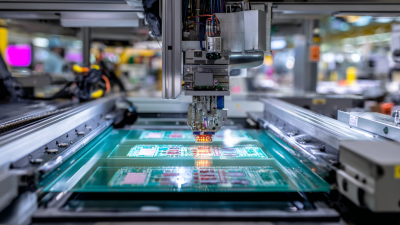
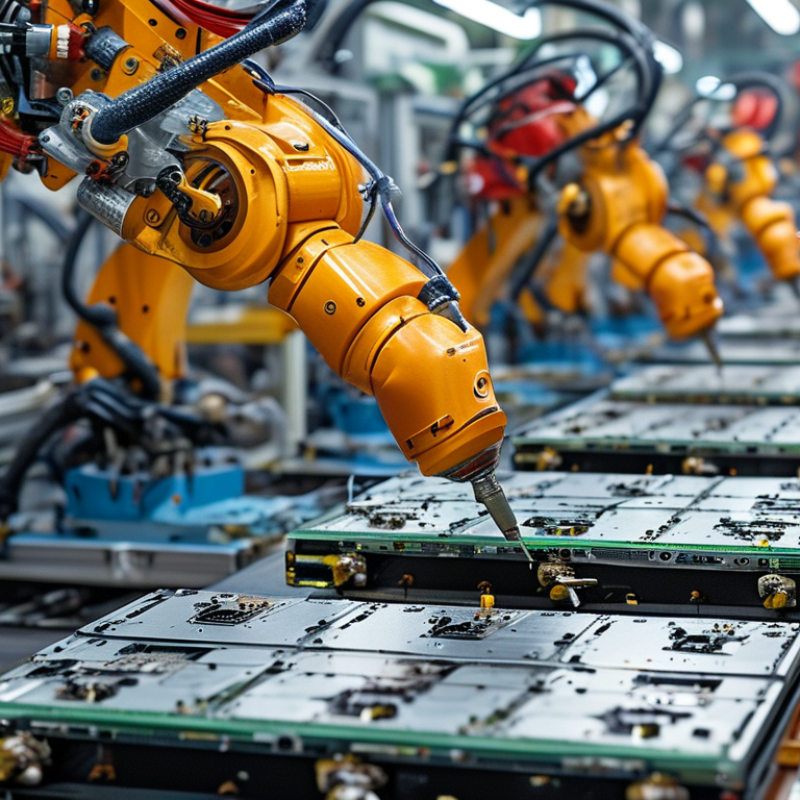
PCB pick and place machines are essential for modern electronics manufacturing. These machines automate the process of placing electronic components onto printed circuit boards (PCBs). The precision they offer significantly enhances production efficiency. Companies that rely on manual assembly often face longer lead times and higher error rates. Automated machines can address these issues effectively.
Understanding the different types of pick and place machines is crucial. From small benchtop units for prototyping to larger systems for mass production, each serves a unique purpose. Key features include vision systems that improve placement accuracy and speed. It's surprising how many firms overlook these advancements. They still prefer outdated methods, potentially hindering growth. The right machine can streamline operations and reduce labor costs.
However, it's important to consider your production needs first. Mistakes can occur when companies rush into buying equipment. They may purchase machinery with features they don't need. Evaluating your current and future requirements is vital. This reflection can save money and reduce waste in the long run. Embracing technology thoughtfully can lead to more efficient manufacturing processes.
Key Features to Look for in PCB Pick and Place Machines
When choosing a PCB pick and place machine, several key features are essential to consider. Accuracy is critical. A machine should place components with a precision of at least 0.1 mm. This ensures high-quality boards that meet industry standards. The speed of the Pick And Place Pcb Machine also plays a significant role. A faster machine can increase production rates and reduce turnaround time. However, this speed should not sacrifice accuracy.
Consider the versatility of the machine. It should handle various components, from tiny SMDs to larger connectors. Compatibility with different PCB sizes is equally important. You may also reflect on ease of use. A user-friendly interface can significantly reduce training time and operational errors.
Another aspect to think about is maintenance. Machines that require less frequent maintenance can save you time and costs. However, factoring in the long-term reliability of parts is important. Even high-quality machines can struggle if they don’t receive proper upkeep. Always assess your specific needs before making a decision. This reflection can lead to a more informed choice and better investment for your production line.
Discover the Best PCB Pick And Place Machines for Your Needs
| Model | Placement Speed (CPH) | Max PCB Size (mm) | Number of Heads | Vision System | Price Range (USD) |
| Model A | 15,000 | 450 x 400 | 4 | 2D | $30,000 - $40,000 |
| Model B | 20,000 | 500 x 500 | 6 | 3D | $50,000 - $70,000 |
| Model C | 12,000 | 300 x 250 | 4 | None | $15,000 - $25,000 |
| Model D | 18,000 | 600 x 400 | 5 | 2D/3D | $40,000 - $60,000 |
Types of PCB Pick and Place Machines Available on the Market
When considering a PCB pick and place machine, it's essential to understand the different types available. These machines vary in complexity, functionality, and suitability for various production scales. They are generally categorized into manual, semi-automatic, and fully automatic machines. Manual machines are suitable for small-scale operations, allowing hands-on placement of components. In contrast, semi-automatic machines streamline the process but still require operator involvement.
Fully automatic PCB pick and place machines represent the forefront of technology. These machines often incorporate advanced software for component identification and placement accuracy. According to recent industry reports, fully automatic options can increase production speed by up to 300%. They are ideal for high-volume manufacturing but come with a significant investment. It's vital to assess your operational requirements, as the most advanced machine may not be necessary for every workshop.
Capacity and speed also differ significantly among models. Some machines operate at speeds as low as 500 components per hour, while others can exceed 30,000. This spectrum highlights the importance of matching the machine’s capabilities to your production needs. Ultimately, investing in the right PCB pick and place machine can enhance productivity and evolve the manufacturing process, but each choice deserves careful consideration.
Factors Influencing the Selection of a PCB Pick and Place Machine
When selecting a PCB pick and place machine, various factors come into play. Precision is crucial. The machine must place components accurately. Reports indicate that a variance of just a few microns can affect performance significantly. Speed is another critical consideration. High-speed machines can increase production rates, but they often come with trade-offs in terms of setup and maintenance.
Cost also plays a vital role. It's essential to balance budget constraints with operational efficiency. Investing in a higher-quality machine might yield better long-term savings through reduced rework and defects. A 2022 study highlighted that companies utilizing advanced pick and place technologies reported a 25% reduction in errors. This kind of data can help manufacturers justify their investments.
Tips: Always assess the machine's compatibility with your current equipment. Ensure that it can handle the range of components you frequently use. Periodically review your production needs. Technology changes rapidly in this field, so staying informed can improve your operational capabilities. Innovations are frequent, and what suits your needs today may not work tomorrow. Engage with industry experts to gain insights into evolving trends and viable solutions.
Budgeting for Your PCB Pick and Place Machine Purchase
When budgeting for a PCB pick and place machine, start by assessing your production needs. Consider factors like your expected output and the complexity of your PCB designs. Different machines serve various capacities, and understanding your requirements is essential. A machine that handles high-volume production may not be necessary for small batches. Think critically about your future needs as well.
Next, research associated costs beyond the purchase price. Maintenance and operational costs can add up quickly. Replacement parts, training for staff, and software updates may require a significant budget allocation. Additionally, factor in the cost of space, utilities, and any necessary upgrades to your existing infrastructure. A more expensive machine with fewer operational issues might save you money in the long run.
Be cautious about hidden costs that can derail your budget. Sales pitches might promote novice-friendly machines, but they may not suit your specific needs. It’s crucial to evaluate different options carefully. Sometimes, cheaper machines lead to higher failure rates. Reflect on your long-term goals; investing wisely today may prevent costly mistakes tomorrow.
Maintenance Tips for Optimal Performance of PCB Machines
Regular maintenance is crucial for ensuring optimal performance of Pcb Pick And Place machines. Dirt, dust, and debris can accumulate over time, affecting accuracy and efficiency. Clean the machine regularly, focusing on the pickup heads and nozzles. Use soft brushes and lint-free cloths to avoid scratching sensitive surfaces. Neglecting this simple task can lead to increased downtime and broken components.
Keep an eye on the software and firmware updates for your PCB Pick And Place machine. Regularly check the manufacturer’s website for updates that can optimize performance. Updating can enhance features and fix bugs that affect operation. However, ensure you backup your settings before applying updates. This proactive step can prevent unexpected issues down the line.
Check mechanical components, like belts and gears. These parts wear out over time and may require adjustment or replacement. Pay attention to unusual noises during operation, as they can indicate a problem. Investing time in routine checks can save money and extend the life of your equipment. Overall, maintaining your PCB Pick And Place machine demands diligence and care, yet the rewards in efficiency are significant.
Comparing Top Brands and Models of PCB Pick and Place Machines
When exploring the world of PCB Pick And Place Machines, it's crucial to understand the technical specifications that fit your needs. Different models vary in speed, accuracy, and flexibility. For instance, high-speed machines excel at volume production. However, they may lack versatility. On the other hand, some models offer a higher degree of flexibility, making them ideal for low-volume runs or prototyping. This trade-off is essential to consider.
Many brands pride themselves on their technology, but not all machines are created equal. Some prominent features to evaluate include feeder capacity, programming interfaces, and ease of use. A pick and place machine with a user-friendly interface saves time during setup and operation. Don't overlook customer support, either. Sometimes, you'll need assistance with troubleshooting or maintenance. A brand that provides reliable support can ease potential frustrations.
Performance data often reveals inconsistencies between models. Some machinery may promise high precision but deliver under pressure. It's vital to dig into reviews and user experiences to gauge real-world performance. Machines can also have hidden costs, such as replacement parts or software updates. Reflecting on these aspects will lead you to a more informed decision tailored to your specific production needs.
Enhancing PCB Production Efficiency: The Impact of Online SMT THT DIP AOI Machine AIS50X on Quality Control in Electronics Manufacturing
The focus on quality control in electronics manufacturing has become paramount, especially with the increasing complexity of assembly processes. This is where advanced automated optical inspection (AOI) machines, such as the latest Online SMT/THT/DIP AOI technology, come into play. Designed to provide high-speed and precise quality inspection, these machines are pivotal in enhancing production efficiency. By addressing all assembly methods—be it Surface Mount Technology (SMT), Through-Hole Technology (THT), or Dual In-Line Package (DIP)—the AOI system ensures that every facet of the production line remains uncompromised.
The effectiveness of these AOI machines lies in their ability to swiftly and reliably detect common assembly defects that could otherwise lead to costly production errors. They are adept at identifying issues such as misplaced components, solder bridges, and misalignment, among others. Utilizing high-resolution imaging and intelligent inspection algorithms, these machines analyze detailed images of components and solder joints, ensuring consistent quality control. Their implementation not only elevates production standards but also significantly boosts productivity, ultimately leading to stringent compliance with industry regulations. By integrating such advanced systems, electronics manufacturers can achieve remarkable improvements in product quality and operational efficiency, setting a new benchmark in the field.
FAQS
: A machine should place components with a precision of at least 0.1 mm.
Speed increases production rates, but it should not sacrifice accuracy.
Versatile machines can handle various component sizes, ensuring flexibility in operations.
A user-friendly interface reduces training time and minimizes operational errors.
Machines requiring less frequent maintenance save time and costs, but reliability is key.
It's essential to balance costs with operational efficiency and long-term savings.
Consider maintenance, training, software updates, and infrastructure upgrades.
Cheaper machines may lead to higher failure rates, impacting long-term expenses.
Understanding future needs helps in choosing a machine that remains effective over time.
Experts provide insights into evolving trends and viable solutions to improve operations.
Conclusion
In this article, we delve into the essential aspects of PCB Pick and Place Machines, providing a comprehensive overview for those seeking to understand their functionality and importance in the PCB assembly process. Key features such as speed, accuracy, and flexibility are outlined, helping readers identify the most suitable machine for their specific needs.
We explore various types of PCB Pick and Place Machines available in the market, along with factors influencing their selection, including production volume and component variety. Budget considerations are also discussed, along with maintenance tips to ensure optimal performance. Finally, a comparison of top brands and models offers insights into making informed purchasing decisions, empowering readers to choose the right PCB Pick and Place Machine to enhance their manufacturing processes.