In the world of electronics manufacturing, there's always this growing need for top-notch inspection tools. One thing that really stands out are Pcb Xraysystems — they’re pretty much essential these days. Dr. David Chen from X-Ray Vision Technologies, a real expert in the field, mentions, “Modern Pcb Xray systems are vital for catching those sneaky hidden defects that could mess up product reliability.” It’s a pretty clear sign that manufacturers are facing more and more challenges to keep up with quality standards.
As the industry keeps evolving, more and more buyers around the world are on the hunt for the best Pcb Xray systems to fit their needs. These systems do more than just find faults—they also help speed up the inspection process. In a world where precision really matters, having the right tech can make all the difference. But let’s be honest, with so many options out there, it can get pretty overwhelming. Not everyone keeps up with all the latest features and tech advances.
Choosing the right Pcb Xray system isn’t just about spending money; it’s about making sure your products are solid. With so many high-tech models available, you’ve gotta think about what actually suits your specific needs. Picking the wrong one could mean missing defects, which can be costly—think recalls or damage to your rep. In the end, the right system can totally change the game when it comes to quality control, turning it into a key part of reliable production.
Overview of PCB X-ray Systems Market in 2026
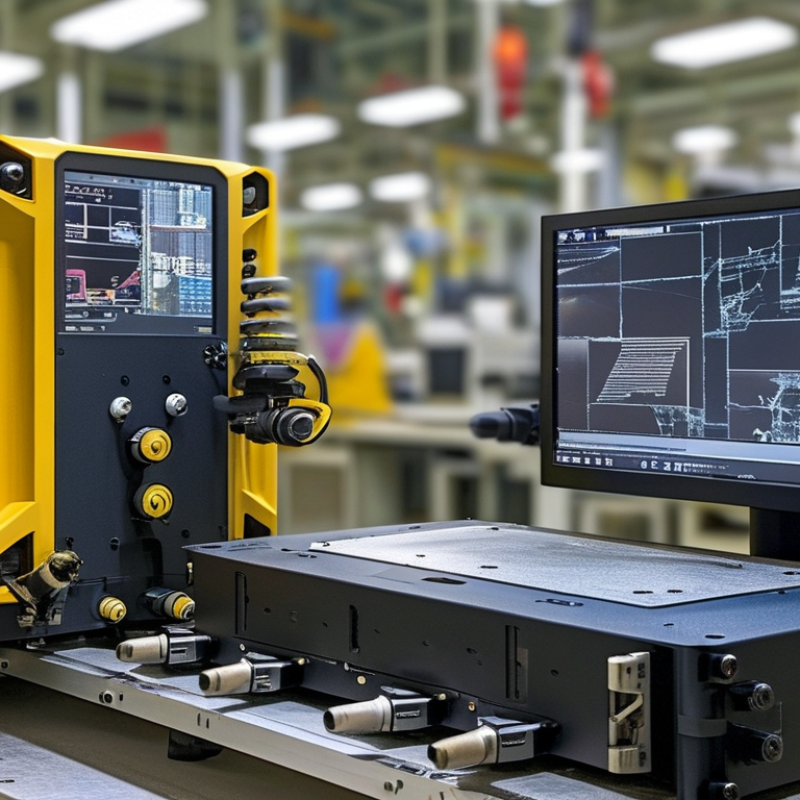
The PCB X-ray systems market is evolving rapidly. As manufacturers embrace advanced technologies, the demand grows. By 2026, these systems will play a critical role. They enhance quality control and ensure product reliability. Understanding their trends will aid global buyers.
Investing in PCB X-ray systems offers significant benefits. They detect defects effectively, which minimizes risks. However, buyers should consider not just cost but also support and training. Systems can be complex. Proper training ensures effective usage and optimal performance.
Tips: Look for user-friendly interfaces. This feature is crucial for teams lacking experience. Also, evaluate post-purchase support. It can make or break the system’s effectiveness. Ultimately, successful integration of PCB X-ray technology requires ongoing evaluation and adaptation to new challenges.
Key Features to Consider in PCB X-ray Systems
When evaluating PCB X-ray systems, several key features stand out. Resolution is crucial. High-resolution imaging detects defects in printed circuit boards more effectively. Industry reports indicate that systems with a resolution of 5 microns or better significantly enhance fault detection capabilities. This is vital for maintaining quality in increasingly complex PCB designs.
Another critical feature is the speed of imaging. A system that offers rapid inspection can integrate more easily into high-speed production lines. Data shows that systems performing in under 10 seconds per board enhance overall productivity significantly. This speed is essential for manufacturers focused on the Pcb Pick And Place process, where time efficiency directly impacts output.
Moreover, ease of use should not be overlooked. Intuitive software allows operators to adjust settings quickly and analyze results without extensive training. User-friendly interfaces can shorten learning curves. However, many systems still require time for new users to become familiar. Ensuring that your team can adapt quickly to new technology is a challenge that often requires reflection and additional training resources.
2026 Best PCB Xray Systems for Global Buyers
| Feature | Specification 1 | Specification 2 | Specification 3 |
| X-ray Resolution | 5 µm | 10 µm | 15 µm |
| Max PCB Size | 400 x 300 mm | 600 x 400 mm | 800 x 600 mm |
| Scan Speed | 30 sec | 45 sec | 60 sec |
| Software Features | Automated Analysis | 3D Visualization | PDF Reporting |
| Warranty | 1 Year | 2 Years | 3 Years |
Leading Manufacturers of PCB X-ray Systems in 2026
In 2026, the demand for PCB X-ray systems continues to rise across the globe. This technology is vital in ensuring the integrity of printed circuit boards. Manufacturers face pressure to deliver reliable systems with advanced imaging capabilities. Finding a suitable partner in this field can be challenging.
Many manufacturers are stepping up to meet this demand. They focus on improving resolution, speed, and automation in their systems. Some devices now offer real-time imaging and detailed analysis. Users must evaluate these features carefully. Reliability in high-stakes environments like aerospace or medical fields is non-negotiable.
Despite advancements, flaws exist in many designs. Specific models may struggle with certain PCB types or materials. This can lead to oversight in critical inspections. Buyers should consider system capabilities thoroughly. Diving deep into user reviews and technical specifications will help make better decisions.
Comparison of Different PCB X-ray Technologies
PCB X-ray technology plays a vital role in modern electronic manufacturing. It helps to ensure the quality and reliability of printed circuit boards by identifying hidden defects. Different types of X-ray systems offer unique advantages and challenges. For instance, some X-ray machines provide high-resolution imaging, crucial for detecting fine defects. However, these systems often come at a higher cost and may require specialized knowledge for operation.
Another consideration is the limitation of some technologies in accessing certain areas of complex assemblies. Not all PCBs are created equal, leading to potential gaps in inspection capabilities. The efficiency of a Pcb Pick And Place Machine can also influence the outcome. If the placement accuracy is compromised, X-ray inspection alone may not solve the underlying issues.
As buyers explore options, they should weigh factors like system compatibility and ease of use. Balancing budget constraints with technological capabilities is essential. Understanding the intricacies of each system empowers manufacturers to make informed decisions. This, in turn, enhances overall production quality and reliability.
Applications of PCB X-ray Systems in Various Industries
PCB X-ray systems play a crucial role in various industries, particularly in electronics manufacturing. These systems are essential for inspecting assemblies. They help identify hidden defects such as micro-cracks and voids in solder joints. The global PCB market is expected to reach $81.39 billion by 2026, according to industry reports. This growth underlines the increasing importance of quality assurance.
In the automotive sector, X-ray systems ensure the reliability of critical components. As vehicles become more complex, the demand for thorough inspections rises. Industry reports state that one faulty connection can lead to system failures, emphasizing the need for precision in production. On the other hand, the medical device industry relies on these systems for compliance with strict safety standards. A high-stakes environment demands rigorous quality checks to avoid catastrophic failures.
Despite their benefits, challenges remain. Understanding how to integrate X-ray systems with existing workflows can be daunting. Some may find it hard to bridge the knowledge gap on maintenance and operation. Additionally, the initial investment can be substantial for smaller companies. Balancing cost with the benefits requires careful consideration. In this context, the choice of tools like the Pcb Stencil Printer becomes significant in streamlining the production process while enhancing inspection capabilities.
User Reviews and Experiences with PCB X-ray Systems
User reviews and experiences with PCB X-ray systems reveal a lot about their effectiveness in various applications. Many users highlight the importance of these systems in ensuring the quality of printed circuit boards (PCBs). These reviews often discuss detection effectiveness, ease of use, and support from suppliers. Buyers appreciate insights from other users, as these personal experiences can make a significant difference when choosing a system.
When examining user feedback, it’s evident that reliability can vary among different models. Some users report frustration with certain systems’ performance, particularly regarding complex PCBs. Effective training in using these machines is crucial. Consider seeking out resources or support options to maximize usability.
Tips: When in the market, verify multiple reviews. Look for consistent patterns in feedback. Additionally, assess how seamlessly a PCB X-ray system integrates with existing machinery, including the Pick And Place Pcb Machine. Gathering real experiences from trusted users can significantly influence your decision. Don't overlook these insights as you aim for the best technology for your needs.
2026 Best PCB X-ray Systems - User Ratings
Future Trends and Innovations in PCB X-ray Technology
The landscape of PCB X-ray technology is evolving rapidly. Innovations are emerging that enhance imaging quality and inspection speed. Recent developments focus on high-resolution imaging, which allows for better detection of hidden defects. These advancements are crucial for ensuring the reliability of electronic components in various applications.
Future trends point toward incorporating AI-driven analytics within X-ray systems. Such integration promises enhanced defect detection through machine learning algorithms. This technology can identify patterns that human inspectors might miss. However, relying on AI raises concerns about the accuracy and effectiveness of human oversight in inspection processes.
Furthermore, the miniaturization of electronic components increases the complexity of PCB designs. This trend necessitates advanced X-ray systems with improved capabilities. Yet, not all newer systems are foolproof; they can present challenges in calibration and user adaptability. Constant training and updates are essential to mitigate these issues. A balance between technology and human expertise remains vital for optimal performance in PCB inspections.
Enhancing Manufacturing Efficiency: The Impact of SMT Dual Lane PCB Conveyors with PLC on PCB Production Metrics
The implementation of SMT dual lane Pcb Conveyors equipped with PLC technology significantly enhances manufacturing efficiency, a crucial metric in the fast-paced electronics industry. According to industry reports, manufacturers that adopt automated systems like dual lane PCB conveyors can improve production efficiency by up to 30%, maximizing throughput while minimizing downtime. These systems offer a modular design that allows for easy customization in machine length, addressing the unique requirements of diverse production lines and accommodating varied PCB sizes and handling needs.
The weighted design of these conveyors ensures improved stability, which is vital for maintaining alignment during the production process. Additionally, features such as inspection mode and automatic mode provide manufacturers with the flexibility to conduct quality control checks without interrupting production flow. By inducing multi-zone position accuracy, SMT dual lane conveyors enhance the precision of component placement, which is critical for high-density PCBs. Furthermore, the variable speed control and independent rail systems enable fine-tuning of the conveyor speed to match the specific needs of different assembly processes, resulting in optimized operational efficiency.
Data from recent studies indicate that automated manufacturing solutions can reduce labor costs by approximately 20%, driving overall profitability for PCB manufacturers. Furthermore, with the capability to order multi-zone quantities upon request, manufacturers can easily scale production to meet fluctuating market demands. This adaptability, combined with the integration of SMEMA cables that facilitate seamless connection with other equipment, positions SMT dual lane PCB conveyors as a pivotal element in modern PCB production strategies.
FAQS
: High-resolution imaging, ideally 5 microns or better, helps detect defects effectively in PCBs.
Fast imaging, under 10 seconds per board, enhances productivity, especially in high-speed production environments.
Intuitive software enables quick adjustments and results analysis, but learning curves can still be challenging.
No, different technologies have unique advantages and limitations, affecting defect detection capabilities.
Factors include system compatibility, ease of use, and balancing budget with technological features.
Reviews offer insights on effectiveness, reliability, and user experiences, guiding informed purchasing decisions.
Some systems struggle to perform effectively with complex designs, leading to potential frustration.
Effective training is crucial to maximize usability and performance, as many systems require specific knowledge.
Seek additional resources or support options to address usability challenges and improve system performance.
Verify multiple reviews and assess feedback patterns to gather comprehensive insights before purchasing.
Conclusion
The article "2026 Best PCB X-ray Systems for Global Buyers" provides a comprehensive overview of the PCB X-ray systems market, highlighting key features to consider when selecting these systems. It discusses the leading manufacturers in the industry and offers a comparison of various PCB X-ray technologies, helping buyers understand their options. Additionally, the article examines the multiple applications of PCB X-ray systems across different industries, showcasing their versatility and importance.
User reviews and experiences with PCB X-ray systems provide valuable insights into real-world performance and satisfaction levels. Lastly, the article looks ahead to future trends and innovations in PCB X-ray technology, emphasizing the continuous evolution in this critical field. This summary serves as a guide for global buyers seeking to make informed decisions in the advancing landscape of PCB X-ray systems by 2026.