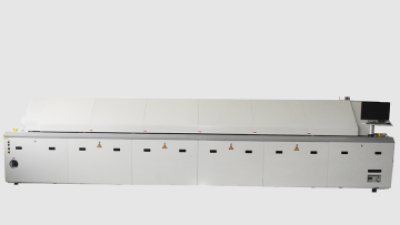
In the fast-moving world of electronics, being precise really makes all the difference. When it comes to PCB assembly, having a good Soldering Oven is pretty much essential if you want top-notch results. Companies like PCBWay and JLCPCB totally get this — they offer all kinds of options suited for both hobbyists and pros alike.
A dependable Soldering Oven can seriously boost the quality of your work. That said, not all ovens are built the same. Things like how well they control temperature and how evenly they heat are super important. Picking the wrong one can lead to dry solder joints or even damage your components. Sometimes folks overlook these details, and that’s when frustration kicks in.
Choosing the right oven isn’t just about grabbing the first one you see. Do a bit of research — check out reviews from experts, see what other users say, and make sure it’s durable and easy enough for you to handle. Because let’s be honest, PCB assembly’s pretty high-stakes, and rushing or taking shortcuts can really cost you. Aim for precision, and you’ll get the most out of your projects — no stress, just good results.
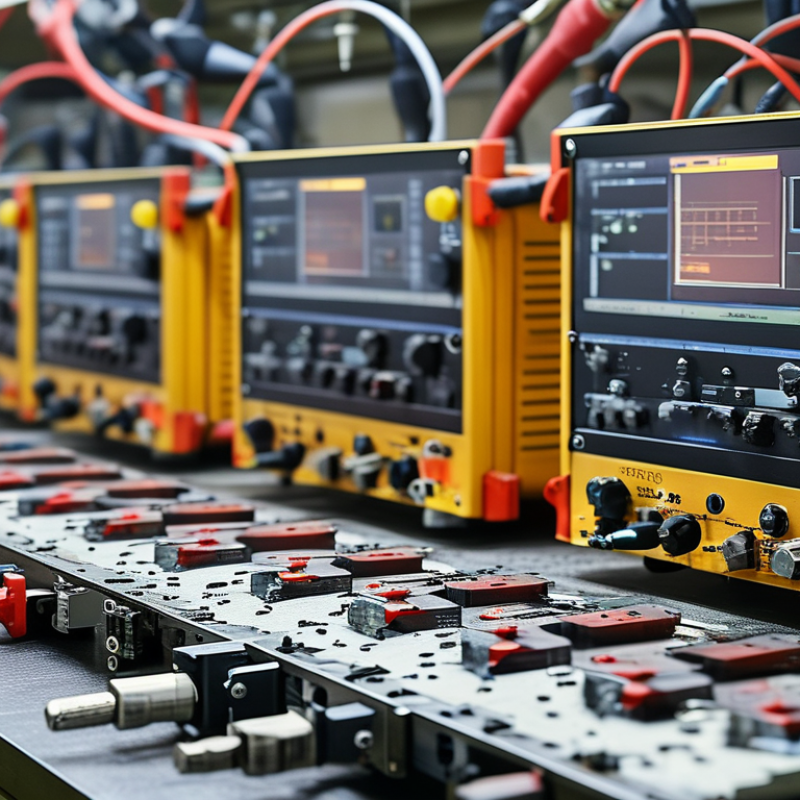
Best Soldering Oven Overview: Key Features and Specifications
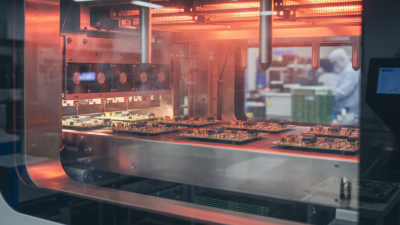
When selecting an optimal soldering oven for precision PCB assembly, it is essential to understand key features and specifications. A quality soldering oven should provide uniform temperature distribution, ensuring that each PCB component receives the necessary heat. Temperature profiles can vary, leading to potential defects if not carefully monitored. Using an advanced Smt Reflow Oven can help maintain consistent heat levels throughout the process.
Efficiency is another crucial aspect. Look for options that reduce cycle times yet deliver reliable results. Some ovens include automated profiling features. This means you can set specific heating and cooling rates tailored to your assembly needs. However, achieving the perfect balance may require experimentation with different settings.
The size and capacity of the oven matter too. Consider the types of PCBs you will be working with. A compact oven might suffice for small projects, but a larger one is essential for bulk production. Inadequate space can lead to overheating or uneven solder joints. Thus, choose wisely. Balancing precision with practicality can be challenging but necessary for quality assembly.
Understanding PCB Assembly: The Role of Soldering Ovens
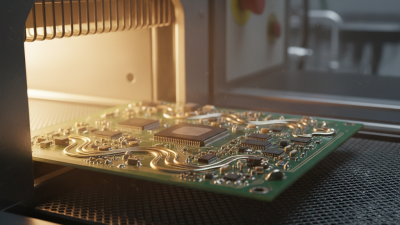
Soldering ovens play a critical role in precise PCB assembly. These ovens provide controlled heating, essential for processes like solder reflow. According to industry reports, optimal temperature control can improve solder joint reliability by up to 30%. This enhancement is vital, particularly for dense circuits that contain many components.
Choosing the right Smd Reflow Oven impacts the quality of the assembly. Consistent temperature distribution ensures that all solder joints melt uniformly. Uneven heating can lead to cold solder joints, which are prone to failures. It's essential to calibrate the oven regularly to maintain accuracy.
Tip: Always monitor your oven's performance and log temperature profiles. This data helps identify trends or potential issues. Additionally, using an oven with programmable profiles can help manage different assembly tasks effectively. Incorporating feedback from your assembly team can also refine processes over time, promoting continuous improvement in your PCB assembly line.
Best Soldering Oven for Precision PCB Assembly Needs
| Model | Temperature Range (°C) | Max PCB Size (mm) | Heating Method | Features |
| Model A | 100 - 250 | 300 x 300 | Convection | Digital control, quick heat-up, adjustable airflow |
| Model B | 150 - 350 | 400 x 400 | Infrared | Touch screen interface, multiple preset profiles |
| Model C | 120 - 280 | 350 x 350 | Hot air | Compact design, user-friendly setup, safety features |
| Model D | 130 - 300 | 450 x 450 | Radiant | Energy-efficient, large LCD display, programmable settings |
| Model E | 160 - 400 | 500 x 500 | Hybrid | Smart temperature control, multiple heating zones |
Types of Soldering Ovens: Convection vs. IR Heating
When choosing a soldering oven for precision PCB assembly, understanding the types is crucial. There are two main heating technologies: convection and infrared (IR). Convection ovens use heated air to transfer heat. This method ensures even heating across the board. Components receive consistent temperature control, minimizing the risk of damage. Users often appreciate this uniform approach.
On the other hand, infrared ovens utilize radiant heat. They focus energy directly on components. This method can reduce heating times. However, it may lead to uneven heating in complex designs. Some users find challenges in achieving the right thermal profile with IR. Balancing speed and precision is essential, and users must experiment to find their ideal setup.
Both types have unique strengths and weaknesses. Convection ovens excel in uniform heating but can be slower. IR ovens provide speed yet may compromise on even heat distribution. Evaluating your assembly needs is critical. The right choice impacts the quality and reliability of your PCBs. Proper setup and understanding of each technology can significantly enhance your PCB assembly process.
Temperature Control Precision: The Impact on PCB Quality
Temperature control is crucial for achieving high-quality results in PCB assembly. Precision in temperature management directly impacts the soldering process. Too much heat can damage delicate components. Insufficient heat can lead to poor solder joints. This delicate balance is essential and requires careful calibration.
Many soldering ovens offer adjustable settings. However, not all can maintain consistent temperatures. Experienced technicians often report issues with temperature fluctuations. These inconsistencies can result in defective boards. A reliable soldering oven should provide stability. Features like thermal profiling can help engineers monitor the process better.
Understanding the relationship between temperature and solder quality is vital. Components can warp or become unreliable with improper temperature settings. Technicians should regularly inspect equipment and perform maintenance. Ultimately, precision is not just about technology. It requires a commitment to quality and consistency in PCB assembly.
Integration with Automation: Enhancing Efficiency in PCB Production
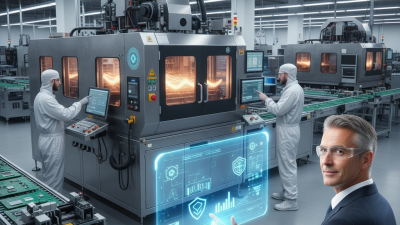
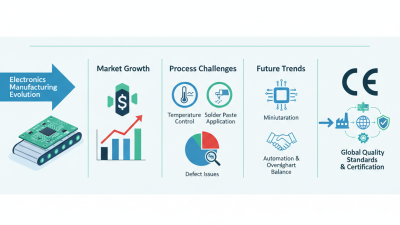
Automation in PCB production is rapidly transforming the landscape of electronics manufacturing. A recent industry report highlights that integrating automation can improve production efficiency by up to 40%. This is crucial as the demand for precision PCB assembly intensifies. Automated soldering ovens not only enhance productivity but also ensure consistent quality in soldering processes.
However, the transition to automated systems is not without challenges. Many manufacturers report difficulties in adapting existing workflows to incorporate new technologies. Employee training becomes essential to navigate this shift. A study revealed that 70% of companies faced a skills gap when implementing automation. Workers need to develop a deep understanding of automated systems to maximize efficiency.
Moreover, while automation provides speed, it can't fully replace human oversight. There are instances where automated systems may misinterpret data. This can lead to errors that compromise assembly quality. A balance between automation and skilled labor is necessary. Automation aids efficiency, yet human expertise is invaluable in catching potential errors early. The blending of these two elements can ultimately create a reliable and high-quality PCB assembly process.
Safety Standards and Certifications for Soldering Ovens in Industry
When selecting a soldering oven for PCB assembly, safety is paramount. A Reflow Oven must meet industry standards to ensure worker protection and reliable equipment performance. Look for certifications that indicate compliance with safety regulations. Common certifications include UL, CE, and RoHS. These help verify that the oven will not only function well but also minimize risks in your workspace.
Tips: Regularly inspect the oven for any signs of wear. Make sure all safety guards are in place. This can help prevent accidents and ensure the machine operates safely.
In addition to certifications, consider the design of the Reflow Oven. Ensure it has adequate ventilation to dissipate heat and fumes. This is crucial for maintaining a safe working environment.The size and layout can impact your workflow. An oven that fits well in your workspace improves efficiency.
Tips: Keep your workspace organized with clear pathways. This boosts safety and allows for better movement around the reflow oven. Monitor your soldering process closely, as consistency is key.
Top Brands in Soldering Ovens: Comparison of Market Leaders
When looking for the best soldering oven for precision PCB assembly, it is crucial to consider various brands and their features. Leading brands in the soldering oven market offer consistent performance and reliability. A few key aspects to evaluate include temperature control, uniformity, and user-friendliness.
Temperature control is essential for effective PCB soldering. Some ovens may struggle to maintain stable temperatures, leading to uneven soldering results. A competent Pcb Oven should provide a range of settings, allowing for adaptability based on the components being used. Furthermore, the uniformity of heat distribution plays a vital role in the quality of solder joints. Users often find that ovens with uneven heating can lead to cold solder joints or overheating, affecting the assembly's integrity.
User feedback often highlights the need for clear instructions and intuitive design. Some soldering ovens require a learning curve that can be frustrating. The reliability of an oven is just as important as its features. If an oven fails during critical assembly, it can cause significant delays and costs. Therefore, assessing user reviews and expert feedback is essential before making a purchase.
Optimizing Soldering Processes with the Lead Free SMT Reflow Oven XMR-800D: A Comprehensive Guide
Optimizing the soldering process is crucial for achieving high-quality results in electronic manufacturing. The Lead Free Smt Reflow Oven XMR-800D represents a significant advancement in this area, utilizing full convection heat transfer to ensure efficient and uniform heating. In this system, heated process gases, such as air or nitrogen, are carefully controlled and channeled over the components through specially designed nozzle plates. This method guarantees that every part of the assembly is consistently subjected to the required temperatures, which is essential for the reflow soldering process.
An optimal temperature profile is vital, as it must comply with the guidelines set by both component and solder paste manufacturers. The lead-free soldering process, in particular, demands precise temperature management to avoid defects that can arise from improper heating. By maintaining an accurate profile throughout the reflow cycle, manufacturers can significantly reduce the risk of issues such as cold solder joints or insufficient wetting. The integration of advanced control technologies and robust monitoring systems within modern reflow ovens further enhances their reliability and effectiveness in producing high-quality soldered connections.
FAQS
: The two types are convection ovens and infrared (IR) ovens.
Convection ovens use heated air to distribute heat evenly across the board.
IR ovens may cause uneven heating, especially in complex designs.
Safety standards ensure worker protection and reliable performance in the workspace.
Common certifications include UL, CE, and RoHS to verify compliance with safety regulations.
Regular inspections and keeping safety guards in place help prevent accidents.
Temperature control is essential for maintaining stable soldering results.
Users struggle with complex instructions, leading to frustration during operation.
A properly designed oven with good ventilation enhances safety and efficiency.
An unreliable oven can cause delays and increased costs during critical assembly phases.
Conclusion
A soldering oven is essential for achieving precision in PCB assembly, offering key features such as precise temperature control, various heating types, and integration with automated systems. This article discusses the critical specifications of soldering ovens, emphasizing how convection and infrared heating methods each impact the quality of the soldered joints. Accurate temperature management is crucial, as it directly affects the performance and reliability of the assembled boards.
Moreover, the article explores safety standards and certifications necessary for industrial soldering ovens, ensuring that users maintain compliance with regulatory requirements. By comparing different types of soldering ovens from leading brands, it highlights the importance of selecting the right oven to enhance efficiency and quality in PCB production. Overall, an optimal soldering oven not only streamlines the assembly process but also improves product quality, making it a vital tool in any electronics manufacturing setup.