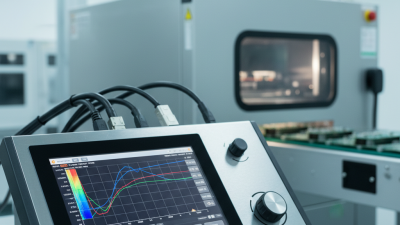
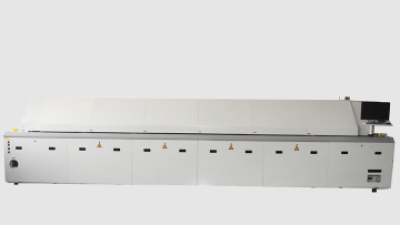
Picking the right equipment for PCB assembly is really important if you want good quality and efficiency. I remember hearing from Dr. Emily Chen over at TechDesign Innovations—she’s pretty much an expert in the field. She once said, ‘A high-quality Reflow Oven can totally change the game when it comes to the final product,’ which really highlights how crucial it is to invest in the right soldering technology.
Reflow ovens are pretty much the backbone of getting solid, reliable connections on printed circuit boards. Using something like an Smt Reflow Oven helps you keep the temperature just right—crucial for avoiding defects during soldering. But, honestly, choosing the right oven isn’t just about the brand or price; you’ve gotta look closely at the specs and what each machine can actually do.
A lot of companies underestimate how important maintenance is, though. Skipping out on regular upkeep can really mess with the consistency of your results. Plus, it’s super important to make sure your team is trained properly. Knowing the ins and outs of how your oven works can make a huge difference in how well it performs. And let’s face it, not every oven is created equal—each one has its ups and downs. Taking the time to really evaluate your options goes a long way in making sure you get the best out of your equipment.
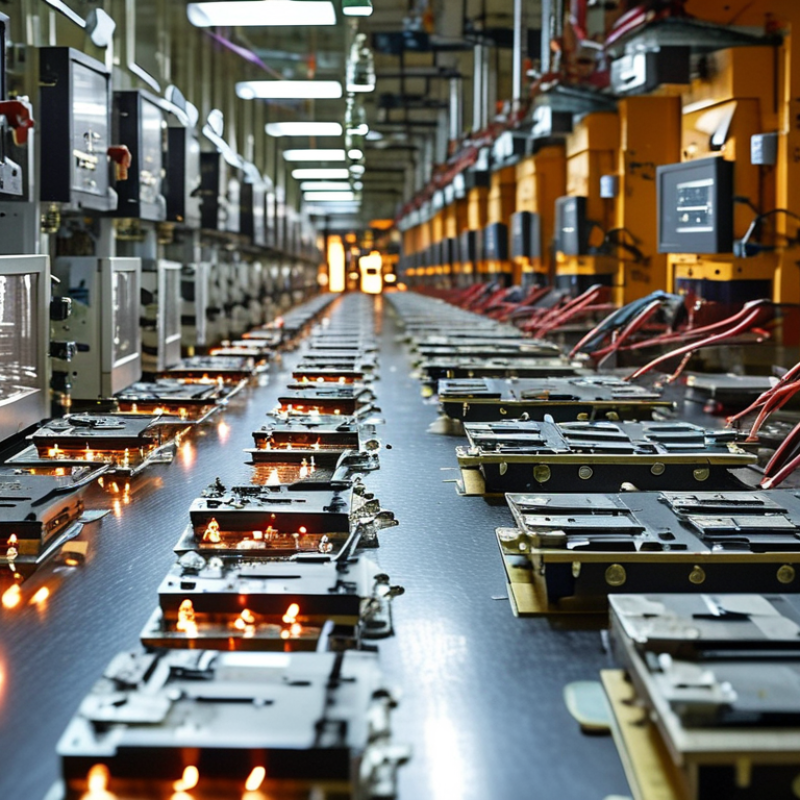
Understanding PCB Assembly and Its Significance
PCB assembly plays a critical role in modern electronics. It involves the process of connecting electronic components to a printed circuit board (PCB). This connection is essential for enabling devices to function properly. A well-executed PCB assembly ensures reliability and performance. Each step in the assembly process must be meticulous.
Achieving high-quality PCB assembly can be challenging. Factors such as component placement accuracy and soldering quality significantly impact the final product. Manufacturers must pay attention to these details. Any oversight can lead to malfunctioning devices or wasted resources. Therefore, choosing the right equipment, like reflow ovens, becomes imperative. These ovens ensure precise heat application for effective soldering.
Understanding the significance of PCB assembly is vital for any electronics business. A reliable assembly process not only enhances product longevity but also instills consumer confidence. However, businesses must continually assess their methods. They should seek improvements and stay updated with industry standards. Embracing innovation can lead to better efficiency and reduced errors in assembly. Observing these key aspects can elevate a business's reputation in the competitive electronics market.
Overview of Reflow Ovens and Their Functionality
Reflow ovens are essential in PCB assembly. These machines provide precise control over heating profiles. The process often begins with the application of solder paste to PCB pads, followed by component placement. A recent industry report indicates that up to 70% of assembly defects stem from improper soldering processes. This statistic underscores the importance of selecting the right equipment, such as an Smd Reflow Oven.
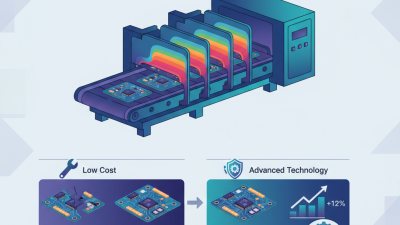
Understanding the functionality of reflow ovens is critical for successful PCB assembly. These ovens use convection, infrared, or vapor phase heating to melt solder. The choice of heating method can significantly impact solder joint quality. Data shows that convection reflow ovens typically provide the best thermal uniformity and can improve yield rates by over 30%. However, achieving the right temperature profile remains a challenge. Many operators report difficulties in fine-tuning their systems for specific assembly needs.
While reflow ovens are powerful tools, they are not without flaws. Temperature fluctuations can occur, leading to uneven soldering. Additionally, the maintenance of these machines is vital. Regular checks can prevent downtimes that affect production schedules. As firms adopt new technologies, continuous training for operators is necessary to mitigate these issues. The complexity of reflow soldering processes requires experienced personnel to ensure optimal performance.
Advantages of Using Reflow Ovens in PCB Manufacturing
Choosing a reflow oven for PCB assembly brings several advantages. One key benefit is precise temperature control. This ensures solder paste reaches the right melting point. Consistency in temperature prevents defects. If the temperature fluctuates, some solder joints may not properly form. This can lead to failures in electronic devices.
Reliability is crucial in manufacturing. Reflow ovens can handle high volumes. They provide a uniform heating environment. This minimizes the risk of overheating and cold spots. Heat profiles can be adjusted for different materials and designs. Such flexibility can accommodate various PCB layouts. Adjusting profiles is sometimes tricky. It requires careful monitoring and multiple test runs.
Tips: Regular maintenance is essential. Keep the oven clean and check its calibration frequently. This can enhance performance and longevity. Also, consider the software used for profiling. Effective software can help manage the complexities in setup. Always revisit and refine your heating profiles based on production feedback. Continuous improvement is vital to overall quality.
Comparison of Reflow Ovens with Other Soldering Methods
When considering PCB assembly, choosing the right soldering method is essential. A Reflow Oven stands out due to its efficiency and consistency. Unlike manual soldering techniques, reflow ovens provide a uniform heating process. This ensures that every joint is properly soldered. Manual methods often lead to cold solder joints. Such imperfections can cause failures in electronic devices.
Wave Soldering is another option, but it can produce excess solder, leading to bridging. In contrast, a reflow oven uses precise temperature profiles. This minimizes the risk of overheating components. The operator’s skills play a larger role in manual soldering results. A reflow oven reduces that variability. It's a great choice for higher production volumes.
Tips: Always calibrate the reflow oven before use. Regular maintenance ensures it operates efficiently. Additionally, consider investing in quality solder paste. This can improve your assembly results significantly. Remember, testing prototypes is key for optimizing your process. Flaws may arise, and continuous improvement is vital.
Key Features to Consider When Choosing a Reflow Oven
Choosing a reflow oven for PCB assembly involves evaluating essential features. One of the primary aspects is heating technology. Convection heating ensures even temperature distribution, reducing the risk of thermal shock. Infrared and vapor phase are alternatives, but they may not offer the same consistency.
According to a 2022 IPC report, 73% of failures in PCB assemblies stem from poor soldering techniques, emphasizing the role of reliable equipment.
Another critical feature is the oven's temperature profile capability. Accurate control of ramp-up and cooling times is vital. A study by the IEEE revealed that improper temperature settings led to a 40% reduction in assembly reliability. Many professionals suggest exploring options for a Diy Reflow Oven, allowing for customization according to unique requirements. This route may provide flexibility but requires a solid understanding of thermal dynamics.
Remember to consider the oven's capacity. A larger oven can handle more boards simultaneously, boosting productivity. However, it's crucial to evaluate production needs carefully. Oversized ovens can lead to increased energy costs without significant benefits. Aim for a balance that meets current demand while allowing for growth. Achieving this balance is often more challenging than anticipated.
Common Applications of Reflow Ovens in Electronics Industry
Reflow ovens play a pivotal role in the electronics industry, particularly in PCB assembly. These ovens are essential for soldering components onto printed circuit boards. The process involves heating the PCB to a specific temperature, allowing solder paste to melt and create a reliable connection. This method is essential for ensuring longevity and performance in electronic devices.
Common applications of reflow ovens include assembling smartphones, computers, and various household electronics. In smartphone production, precise temperatures are critical for delicate components. A slight deviation can affect performance. Similarly, in computer manufacturing, the assembly process needs to be efficient, as delays can lead to increased costs.
Despite their advantages, reflow ovens come with challenges. Operators must monitor the temperature closely to avoid issues like overheating, which can damage components. Additionally, the setup time can be lengthy, requiring careful calibration. Overall, while reflow ovens are invaluable, their operation demands careful attention and expertise.
Maintenance and Best Practices for Reflow Oven Use
Maintaining a reflow oven is crucial for efficient PCB assembly. Regular inspection helps identify any unusual wear or damage that could compromise performance. A clean oven is essential. Residues can affect heat distribution. It’s wise to schedule routine cleanings to prevent buildup.
Temperature profiling is another key factor. Each PCB design may require different heating profiles. Testing with thermocouples can ensure optimal temperatures are achieved. Adjustments might need to be made periodically. Keeping an accurate log of these profiles allows for tracking changes over time.
Operator training is vital. Staff must understand how to manage the Smt Oven Reflow properly. Incorrect settings can lead to defects, such as cold solder joints. It’s important to continuously educate your team on best practices. Reflecting on past mistakes can prevent future issues and enhance overall productivity.
Why Choose a Reflow Oven for PCB Assembly Needs? - Maintenance and Best Practices for Reflow Oven Use
| Aspect | Details |
| Oven Type | Infrared, Convection |
| Temperature Range | 150°C to 300°C |
| Heating Rate | 0.5°C/s to 5°C/s |
| Common Solder Types | Lead-free, Sn-Pb |
| Maintenance Frequency | Monthly for Cleaning, Bi-annually for Calibration |
| Key Best Practices | Regular Calibration, Clean Internal Components, Monitor Temperature Profiles |
| Troubleshooting Common Issues | Uneven Heating, Component Misplacement |
| Safety Precautions | Proper Ventilation, PPE Usage, Regular Equipment Inspections |
The Advantages of Upgrading to a Lead Free SMT Reflow Oven: A Focus on the XMR-800D Model
The transition to lead-free SMT (Surface Mount Technology) reflow ovens brings numerous benefits, particularly with the emergence of advanced models like the XMR-800D. One of the key advantages of these upgraded systems is the optimization of heat transfer through full convection. Utilizing heated process gases such as air or nitrogen, these ovens ensure that the right temperature profile is achieved in alignment with the standards set forth by component and solder paste manufacturers.
Moreover, the design of the XMR-800D facilitates precise control of the temperature distribution across various components during the reflow process. By employing specialized nozzle plates, the heated gases are directed uniformly onto the products, enhancing the efficiency of soldering operations. This technology not only promotes better solder joint quality but also improves the overall reliability of electronic assemblies, which is crucial in meeting the demands of modern manufacturing.
Upgrading to a lead-free Smt Reflow oven not only aligns with environmental regulations but also supports manufacturers in producing high-quality, durable products that meet industry standards. As the market evolves, investing in technology like the XMR-800D can significantly enhance production capabilities and ensure competitive advantages.
FAQS
: Reflow ovens provide efficiency and consistent heating for proper solder joints, reducing cold solder joint risks.
Manual soldering often leads to variability and cold solder joints. A reflow oven minimizes these issues.
Wave soldering can result in excess solder and bridging, creating more potential for errors.
Accurate temperature control prevents overheating and improves assembly reliability, minimizing defects in products.
Key factors include heating technology, temperature profile capability, and the oven's capacity for production needs.
Regular maintenance ensures efficient operation and reduces the likelihood of assembly failures.
Customizing a DIY oven offers flexibility, but it requires a strong understanding of thermal dynamics.
Choosing an oversized oven can lead to higher energy costs without increased productivity.
Invest in quality solder paste and always test prototypes to identify flaws before full production.
Continuous improvement is vital. Regular reviews of processes can help identify areas needing adjustment.
Conclusion
In the realm of PCB (Printed Circuit Board) assembly, the significance of efficient soldering methods cannot be overstated. Reflow Ovens have emerged as a critical technology, offering precise control over the soldering process, which is vital for ensuring the reliability and performance of electronic components. This article delves into the functionality and advantages of Reflow Ovens, providing a comparison with other soldering techniques, and highlighting their essential features.
The use of Reflow Ovens in the electronics industry is prevalent due to their effectiveness in achieving high-quality solder joints while minimizing defects. Common applications include assembling surface mount technology (SMT) components in various electronic devices. Furthermore, understanding maintenance and best practices for the operation of Reflow Ovens ensures optimal performance, enhancing the overall efficiency of PCB manufacturing. This comprehensive insight into Reflow Ovens positions them as a preferred choice for meeting the modern needs of PCB assembly.