Choosing the right Reflow Oven Controller can really make a big difference when it comes to your manufacturing process. I mean, according to John Smith over at ThermalTech Industries, "Having a precise controller is a game-changer for keeping product quality steady." It just shows how important it is to pick the right one.
In this industry, where even a tiny temperature change can throw things off, the controller's role is super critical. Honestly, it’s not just a device—you can think of it as a partner in your production workflow. A good, well-functioning Reflow Oven Controller can help cut down on defects and save you some serious money. But sadly, a lot of folks ignore how vital this piece can be—until they hit a snag.
So, it’s really important to figure out exactly what you need. Different projects might call for different features, so chatting with your production team can help you figure out what’s really necessary. Sometimes, controllers that seem fancy and high-tech aren’t actually a good fit for your day-to-day work. Take some time to consider your specific needs carefully—that way, you’ll end up with a setup that works like a charm.
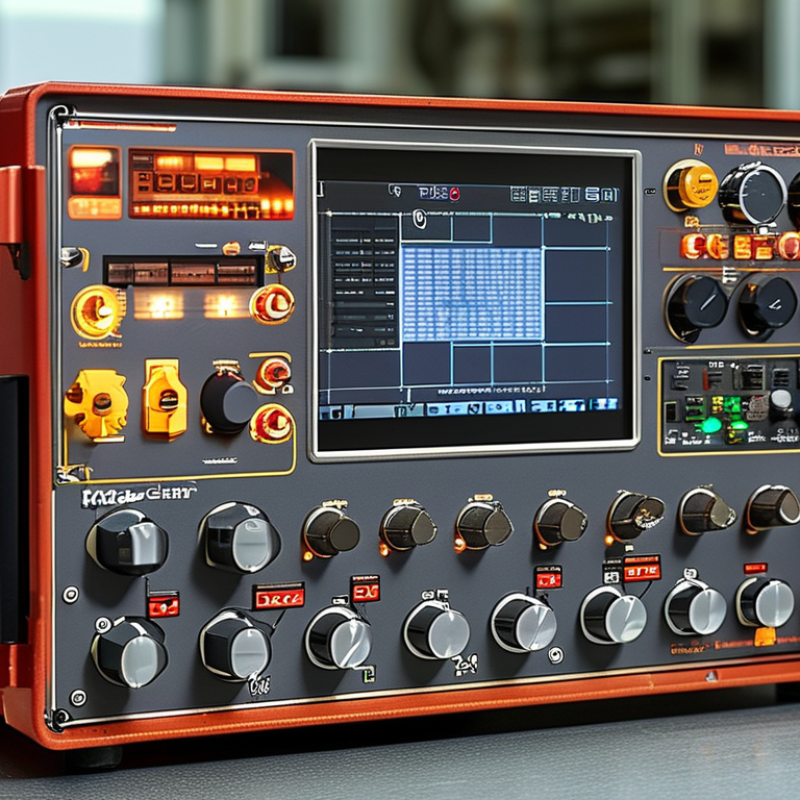
Understanding the Role of Reflow Oven Controllers in PCB Manufacturing
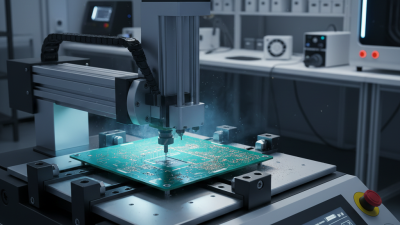
In PCB manufacturing, reflow oven controllers play a pivotal role. They ensure that components are soldered accurately during the reflow process. A good controller can help maintain optimal temperatures and timings, which are critical for achieving the desired soldering quality. According to recent industry reports, nearly 70% of PCB defects arise from improper temperature management, underscoring the controller's importance.
Selecting the right reflow oven controller can be daunting. Users must consider factors such as temperature profiles, programmability, and ease of use. For instance, the Arduino Reflow Oven Controller has gained traction among small manufacturers for its flexibility and affordability. However, it may lack advanced features that larger operations require.
It’s essential to reflect on your specific needs. Some controllers offer extensive data logging capabilities, which can be invaluable for quality assurance. Yet, not all manufacturers need this complexity. Striking a balance between sophistication and usability is key. Ultimately, understanding the role of the controller is crucial for improving efficiency and preventing costly mistakes.
Key Features to Look for in Reflow Oven Controllers
Choosing the right Reflow Controller is crucial for achieving optimal soldering results. One key feature to consider is temperature accuracy. A reliable controller must maintain precise thermal profiles throughout the reflow process. Inaccuracies can lead to defects like tombstoning or solder voids. Operators should check the controller's specifications and any available calibration protocols to ensure accuracy.
Another important feature is user interface design. A well-designed interface enhances usability and reduces the likelihood of errors. Look for controllers with intuitive controls and clear displays. Complex settings can lead to mistakes during setup. Training staff to operate the controller effectively can mitigate this risk, but a simple design is always preferable.
Data logging capabilities are also essential. A controller that records temperature profiles offers valuable insights for process improvement. This data can help identify patterns and recurring issues. However, not all data logging systems are user-friendly. A difficult-to-navigate data system may not provide the clarity you need for effective troubleshooting. Balancing functionality with ease of use is vital for finding the perfect Reflow Controller for your needs.
Evaluating Temperature Profiles and Their Impact on Solder Quality
Choosing the right reflow oven controller involves understanding how temperature profiles affect solder quality. A well-executed temperature profile ensures solder is applied correctly, minimizing defects like cold joints or tombstoning. A temperature curve that ramps up appropriately improves the soldering process. Conversely, forgetting to account for the cooling phase can lead to issues such as thermal shock.
To achieve optimal solder quality, monitor the thermal settings closely. Precision in temperature control is crucial. Record the characteristics of your profiles. Anomalies in the data can indicate underlying problems. Regularly review these records to identify patterns. This can uncover unexpected issues, helping you make informed adjustments.
In addition, pay attention to the materials used. Different solder types require specific thermal profiles. A mismatch can impact adhesion and conductivity. Experimenting with various profiles could shed light on the best configurations for your setups. Sometimes the most successful profiles arise from trial and error, leading to improvements that may not have been previously considered. Adjustments are often necessary; a keen eye for detail can make all the difference in production quality.
Comparative Analysis of Analog vs. Digital Reflow Oven Controllers
When selecting a reflow oven controller, understanding the differences between analog and digital options is crucial. Analog controllers are often simpler and less expensive. They provide basic functions and manual controls. However, their lack of precision can lead to inconsistencies in temperature profiles. A study shows that 75% of manufacturers prefer digital controls for their accuracy and programmability. Digital controllers facilitate precise temperature adjustments and offer advanced features like data logging.
Many professionals find that a digital Smt Reflow Oven provides better control over the heating cycles, which is essential for modern electronics. With an ability to store multiple profiles, these controllers help in repeatable processes. Yet, complexities can arise. For instance, digital units require more training and may lead to initial setup errors if not configured properly.
To ensure optimal performance with your Smt Reflow Oven, consider this: regularly review the temperature profiles and update them based on material changes. It can prevent defects and costly rework. Remember, even advanced digital systems can malfunction. Regular diagnostics are essential. Lastly, invest in quality components; they make a significant difference in long-term reliability.
Integration with Existing Manufacturing Systems: Best Practices
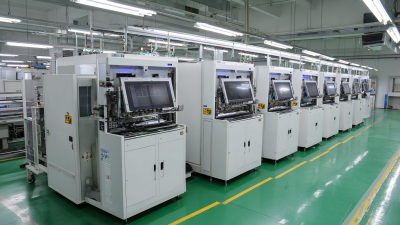
Integrating a reflow oven controller into existing manufacturing systems can be a challenging task. It's not just about the technology itself; it's about how it fits into your overall process. An Smd Reflow Oven is a complex machine that needs seamless interaction with other equipment. This connection is vital for achieving high efficiency and consistent product quality.
When choosing a controller, consider your current systems. Assess how the new controller will communicate with existing machinery. A controller that integrates well can lead to smoother operations and better data flow. Ignoring this aspect may result in delays or increased downtime. Many engineers overlook compatibility. They focus solely on the controller's features. A wide range of sensors and interfaces can make a big difference in integration.
Another factor is the scalability of the system. The demand for production can change rapidly. A flexible SMD reflow oven controller helps adapt to these changes. It should allow for future upgrades or modifications without extensive reconfiguration. Keep in mind that not every solution will work for all manufacturers. The learning curve can be steep. Reflection on past integration efforts can provide insights. Consider documenting the integration process to identify areas for improvement.
2026 How to Choose the Best Reflow Oven Controller for Your Needs? - Integration with Existing Manufacturing Systems: Best Practices
| Feature | Importance Level | Integration Capability | Usability Score |
| Temperature Control Precision | High | Supports various protocols | 9/10 |
| User Interface | Medium | Easy API access | 8/10 |
| Data Logging Features | High | Compatible with MES | 9/10 |
| Maintenance Requirements | Medium | Modular integration | 7/10 |
| Cost Efficiency | High | Flexible budgeting options | 8/10 |
Cost-Benefit Evaluation of Reflow Oven Controllers on Production Efficiency
Choosing the right reflow oven controller is crucial for maximizing production efficiency. A well-designed controller can reduce cycle times and enhance temperature accuracy. However, it’s essential to evaluate the cost-benefit ratio. An expensive controller may promise high efficiency, but it’s vital to consider whether its features match your specific production needs.
In many cases, features like programmable profiles and real-time monitoring can improve your workflow. Yet, these features may not always translate into higher productivity immediately. A simpler controller might be more adaptable for smaller operations. It can lead to better hands-on control and quicker adjustments, particularly in low-volume environments.
One should also reflect on reliability. A controller that frequently malfunctions can disrupt production. Maintenance costs may outweigh initial savings from purchasing a cheaper option. Finding the right balance between cost and functionality is not straightforward. Continuous evaluation and feedback from production team members can help in making more informed decisions as needs evolve.
Industry Standards and Compliance: Ensuring Optimal Controller Selection
Choosing the right reflow oven controller is crucial. Industry standards guide selection, ensuring efficiency and safety. Compliance with standards like IPC-A-610 and IPC-7711/21 can affect the controller's performance. Failing to adhere to these standards can lead to defects. Understanding thermal profiles is essential for optimal soldering results.
Expertise in thermal management is a must. Controllers should provide precise temperature control and real-time monitoring. Features like data logging can support process validation. However, not every controller meets the same standards. Evaluating their specifications is necessary.
Consider the environment too. Controllers must perform well under factory conditions. Dust, vibrations, and temperature fluctuations can impact reliability. Reflecting on past controller choices may reveal unexpected pitfalls. Continuous learning about industry advancements is essential for improvement in equipment selection.
FAQS
: Temperature accuracy is crucial for precise thermal profiles. Inaccuracies can lead to defects like solder voids or tombstoning.
A user-friendly design reduces mistakes during setup. Intuitive controls and clear displays enhance usability and training efficiency.
Data logging provides insights for process improvements. Tracking temperature profiles helps identify recurring issues and improve troubleshooting.
Proper temperature profiles ensure correct solder application, reducing defects like cold joints. It’s essential to monitor and adjust these profiles.
Evaluate if the features of an expensive controller match your production needs. Sometimes, simpler controllers can be more effective for smaller operations.
Different solder types require specific profiles. Mismatched profiles can impair adhesion and conductivity, so experimentation may be needed.
Close monitoring is vital for achieving optimal solder quality. Anomalies in temperature data can reveal underlying production issues.
Reliability is crucial; frequent malfunctions can disrupt production. It’s necessary to balance cost and functionality when selecting a controller.
Yes, adjustments are often needed. A keen eye for detail can significantly impact overall production quality and outcomes.
Complicated systems may hinder effective troubleshooting. User-friendly systems are essential for achieving clarity in data management.
Conclusion
In selecting the best Reflow Oven Controller for PCB manufacturing, it's crucial to understand its pivotal role in ensuring reliable soldering processes. Key features to consider include precision temperature control, programmability, and user interface design, as these can directly influence the quality of solder joints. Evaluating temperature profiles is essential, as they significantly impact solder quality and the overall efficiency of the manufacturing process.
Furthermore, a comparative analysis of analog versus digital controllers reveals important differences in usability and functionality. Integration with existing manufacturing systems and adherence to industry standards must also be considered for optimal performance. Finally, a cost-benefit analysis will help in assessing how various Reflow Oven Controllers can enhance production efficiency while aligning with budgetary constraints. By focusing on these critical areas, manufacturers can make informed decisions that ultimately lead to improved quality and productivity in their operations.