As the electronics world keeps changing, Bga Rework Stations are becoming more and more essential for keeping production lines running smoothly. These specialized tools really help technicians repair or swap out Ball Grid Array components with a good deal of precision. Come 2026, global buyers are definitely gonna be on the lookout for the best options to boost their operations.
Top manufacturers are rolling out new features in their BGA rework stations, no doubt. Brands like Weller, Hakko, and Metcal are packed with advanced tech to improve accuracy and ease of use. But, here’s the thing—you can’t just assume one size fits all. Buyers need to really think about what they need before pulling the trigger. Different models come with different features—like temperature control or vacuum pick-up systems—and knowing what these details mean for your workflow can make all the difference.
Of course, quality is a big deal when choosing a BGA rework station. Well-established brands usually deliver reliable gear and solid support, but sometimes their products might not tick every box for specific needs. On the flip side, newer players might offer more competitive prices, but they might lack some of those crucial features. So, it’s all about weighing cost against performance. The perfect BGA rework station? It’s really about finding that sweet spot between good quality, innovative features, and a fair price.
Top Factors Influencing the Selection of BGA Rework Stations in 2026
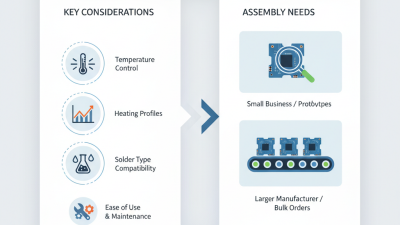
When selecting BGA rework stations in 2026, buyers must consider key factors. One major factor is the technology used in the station. Infrared Bga Rework Stations have gained popularity due to their efficient heat distribution. This technology allows for precise temperature control, which is vital in preventing damage to sensitive components.
Another important consideration is the station's versatility. A station that can handle various board sizes and types will be more valuable. Many buyers report frustrations with equipment limitations. Look for features that allow for easy adjustments. Long-term investments should also focus on durability and support options.
Tips: Always evaluate user reviews. They offer insights into real-world performance. Testing different models can lead to better purchasing decisions. Price is not everything; reliability is crucial. Consider how the station will integrate into your existing workspace. Visualization of these factors can simplify your selection process.
Top 10 BGA Rework Stations for Global Buyers in 2026
Recent Advances in BGA Rework Technology and Their Industry Impacts
Recent advances in BGA rework technology are reshaping the electronics repair industry. These innovations enhance precision and speed, crucial for maintaining production quality. Thermal management is one area that has seen significant improvements. New techniques allow for better heat distribution. This leads to fewer thermal shocks and improved component longevity.
Moreover, automation in BGA rework stations is becoming more common. Machines now integrate advanced imaging and alignment systems. This reduces manual errors and increases consistency in repairs. However, the reliance on this technology poses a risk. Operators may overlook fundamental skills, making them less adaptable to unexpected issues.
Maintenance and calibration of BGA rework stations require careful attention. Proper procedures are vital to ensure reliability. Yet, many facilities neglect these routines, which can lead to equipment failure. The balance between embracing new technology and preserving traditional practices is critical for success. Investing in training programs for technicians will elevate the overall quality of service. In this evolving landscape, a robust Ir Bga Rework Station is essential for companies aiming to stay competitive.
Key Features of High-Performance BGA Rework Stations for Professionals
When selecting high-performance BGA rework stations, professionals should prioritize specific features that enhance efficiency and accuracy. One key feature is a precise temperature control system. It allows for accurate soldering without damaging components. This precision is crucial to avoid overheating, which can lead to board failure.
Ergonomics also play a significant role. A comfortable workstation reduces fatigue during extended use. Stations with adjustable heights and ample workspace can enhance user experience. Additionally, consider units with modular designs for flexibility. This adaptability enables users to modify their setup based on project requirements.
Another important aspect is integrated inspection tools. High-quality imaging systems can detect solder joint integrity. This is essential for quality control. However, some stations may lack advanced inspection capabilities. Users should be aware of this and weigh the pros and cons. Investing in a rework station is a long-term decision, so it must meet both current and future needs.
Top 10 BGA Rework Stations for Global Buyers in 2026
| Model | Heating Method | Temperature Control | Features | Price Range |
| Model A | Infrared | ±5°C | Auto Alignment, Reflow Mode | $2,000 - $2,500 |
| Model B | Convection | ±3°C | Vacuum Pickup, Digital Display | $2,500 - $3,000 |
| Model C | Hot Air | ±4°C | Multi-Profile, Touch Screen | $1,800 - $2,200 |
| Model D | Infrared | ±5°C | Automatic Height Adjustment | $3,000 - $3,500 |
| Model E | Convection | ±2°C | Enhanced Thermal Profiling | $2,500 - $3,000 |
| Model F | Hot Air | ±6°C | Quick Change Nozzles | $1,500 - $1,800 |
| Model G | Infrared | ±5°C | User-Friendly Interface | $2,200 - $2,700 |
| Model H | Convection | ±4°C | Integrated Camera System | $2,800 - $3,300 |
| Model I | Hot Air | ±5°C | Modular Design | $1,900 - $2,400 |
| Model J | Infrared | ±3°C | Wi-Fi Connectivity | $2,500 - $3,000 |
Comparative Analysis of BGA Rework Stations Based on Global Market Data
In 2026, the demand for BGA rework stations is projected to grow significantly. According to a recent industry report, the global market for BGA rework equipment is expected to exceed $650 million. This trend reflects an increasing reliance on advanced electronics and the need for efficient repair solutions.
A comparative analysis of current BGA rework stations highlights notable features and deficiencies. Some models, while efficient, lack essential temperature control adaptability. In contrast, others may be user-friendly but struggle with precise alignment. The Ersa Bga Rework Station is suggested to address some of these issues, offering innovative technology for effective component placement. However, even the best systems may require periodic updates to keep pace with evolving industry standards.
Data reveals that nearly 30% of repair processes lead to rework failures due to inadequate tools. This alarmingly high rate stresses the importance of selecting the right station. Lack of proper training also contributes heavily to these inefficiencies. Investing in high-quality rework stations should be complemented with ongoing technician education to enhance overall performance.
Cost-Benefit Analysis of Investing in BGA Rework Stations Today
Investing in BGA rework stations can be a game-changer for manufacturers. A recent report from IC Insights indicates that the global semiconductor market reached over $500 billion in 2022. This growth emphasizes the need for efficient production and repair machinery. BGA rework stations significantly reduce the cost of scrapping entire boards. Accurate rework can save up to 60% compared to replacement.
Cost-benefit analysis shows that the initial investment pays off within two years for many businesses. Quality rework enhances the lifespan of products. According to a study by Research and Markets, repair services can increase profit margins by up to 30%. However, the technology continually evolves. Regular training for technicians is required to keep pace with advancements.
Tips: Regularly evaluate the performance of your rework station. Invest in updated components for improved efficiency. Track repair success rates and adjust workflows accordingly. Seeking expert advice can be beneficial. Engage with industry forums to share experiences and learn from others. Consider the long-term vision when choosing your equipment. Planning today can yield high returns tomorrow.
Emerging Trends in BGA Rework Station Design and Functionality
As the demand for efficient electronics manufacturing rises, BGA rework stations are evolving. Emerging trends emphasize user-friendly designs and enhanced functionalities. Modern stations now integrate advanced thermal control systems. These systems allow for precise heating and cooling, preventing damage to sensitive components during rework.
Moreover, automation features are gaining traction. Automated alignment and dispensing mechanisms improve accuracy, reducing human error. However, reliance on automation raises questions on skill retention among technicians. It’s essential to consider a balance between technology and human expertise.
Another trend is the focus on compact designs. With limited workspace in many facilities, smaller models are becoming popular. These units still offer robust features without compromising performance. Yet, this can lead to challenges in maintenance and upgrades. Overall, while these innovations bring numerous benefits, they also require careful evaluation of long-term implications in the manufacturing process.
Global Market Leaders in BGA Rework Equipment and Their Innovations
The global market for BGA rework equipment is rapidly evolving. In 2026, key players will push the boundaries of technology. Their innovations aim to enhance precision and efficiency in electronics manufacturing. BGA rework stations are no longer just tools; they are integral to quality assurance and product longevity.
Innovations in BGA rework stations focus on advanced imaging systems. These systems ensure accurate placement and alignment of components. Enhanced thermal control allows for better solder reflow processes. Users can expect improvements in both speed and reliability. However, not all innovations are flawless. Some technologies may introduce complexities that users need to adapt to.
For DIY enthusiasts, the concept of Bga Rework Station Diy is gaining traction. Users seek ways to build or customize their own rework stations. This approach promotes creativity and personalization. Yet, it poses challenges. Ensuring that the station meets industry standards is crucial. Balancing innovation with practicality remains a significant consideration.
Comprehensive Guide to the Fully-Automatic BGA Rework Station ZMW-750: Features, Benefits, and Best Practices
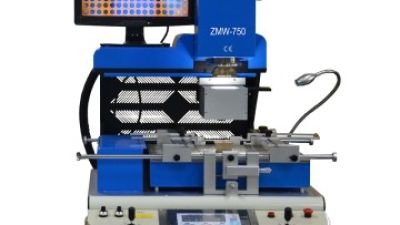
In the evolving landscape of electronics manufacturing, rework stations play a crucial role in ensuring quality and efficiency in the repair and reconditioning of BGA components. The Fully-Automatic BGA Rework Station ZMW-750 stands out with its user-friendly touch screen interface, which simplifies operation by allowing technicians to set parameters for heating time, temperature, and vacuum time easily. This intuitive design enhances the learning curve for new operators and boosts productivity, crucial factors in high-stakes environments where precision and speed are paramount.
Equipped with advanced temperature control technology, the ZMW-750 employs a PLC system imported from Japan and a renowned Chinese brand for its temperature control module. This robust setup features four independent temperature sensors to monitor distinct areas on the chips during the rework process, displaying three separate temperature curves for better tracking. According to industry reports, precise temperature control is vital to achieving optimal rework rates, with studies indicating that improper heating can lead to over 30% failure rates on reworked components. By ensuring accurate temperature management, the ZMW-750 significantly reduces the risks of component damage, delivering both reliability and quality in reworked assemblies.
Moreover, the advanced alarming feature integrated into the system alerts operators to any deviations from the set parameters, further enhancing the station's reliability. With increasing demand for high-quality repairs in the electronics sector, the ZMW-750's capability to provide consistent results positions it strategically in the market. Leveraging such a comprehensive approach not only improves operational efficiency but also drives higher customer satisfaction in product performance and reliability.
FAQS
Comfortable workstations reduce fatigue during long hours of use.
Flexibility and modular designs can enhance setup based on project needs.
They help detect solder joint integrity for quality control purposes.
Automation features are improving accuracy and reducing human error.
Smaller models are popular but can pose maintenance challenges.
There may be concerns about skill retention among technicians.
It prevents damage to sensitive components during heating and cooling.
Ensure the station meets both current and future project needs.
Some may lack advanced inspection capabilities, requiring careful evaluation.
Conclusion
The article "Top 10 BGA Rework Stations for Global Buyers in 2026" delves into crucial factors impacting the selection of BGA rework stations, emphasizing the importance of technology advancements and their implications on the industry. It highlights the key features of high-performance BGA rework stations that professionals should consider, alongside a comparative analysis of various models based on current global market data.
Additionally, the article provides a cost-benefit analysis, demonstrating the value of investing in BGA rework stations today. It discusses emerging trends in design and functionality aimed at enhancing user experience and efficiency. Lastly, the piece underscores the role of global market leaders in driving innovation in BGA rework equipment, shaping the future of the industry. This comprehensive overview serves as a guide for buyers looking to make informed decisions in 2026.