In today's super-fast electronics world, picking the right equipment can really make a difference. Take a Solder Paste Printer, for example—it's a game-changer for companies looking to boost efficiency and get top-notch quality. When you use a good Solder Paste Printer, it applies solder with spot-on accuracy, which is a huge help in making the production process smoother. It cuts down on waste and ensures your soldering is consistent, making it pretty much a must-have for any electronics manufacturer out there.
Honestly, too many businesses overlook how vital a reliable solder paste printer really is. Some go for cheaper options, thinking it’ll save money upfront, but then they often end up paying for it later—more defects, extra rework, and sometimes, even lost revenue. It’s all about weighing those small savings against the potential headaches of a subpar machine.
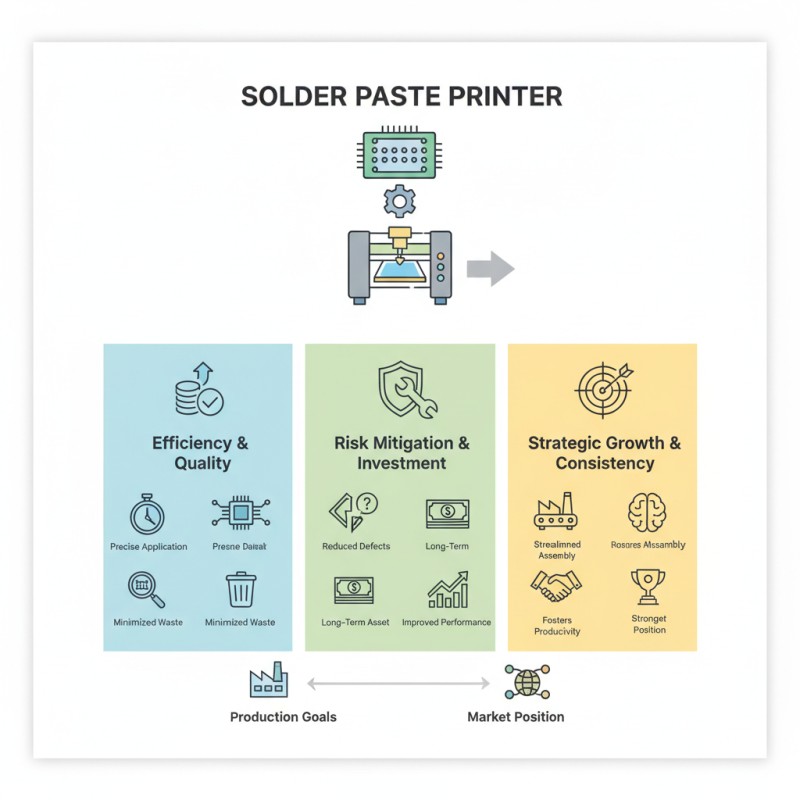
Experts pretty much agree that a solid solder paste printer isn’t just an expense; it’s a long-term investment. It helps keep the assembly line running smoothly, boosts productivity, and keeps quality consistent. When making that call, it’s really important to think about what your specific needs are, check out the specs carefully, and see how it lines up with what you want to achieve in your production. Spending a bit more upfront on quality can totally pay off in the end and give your business a stronger edge in the market.
Understanding Solder Paste Printing and Its Importance in Electronics
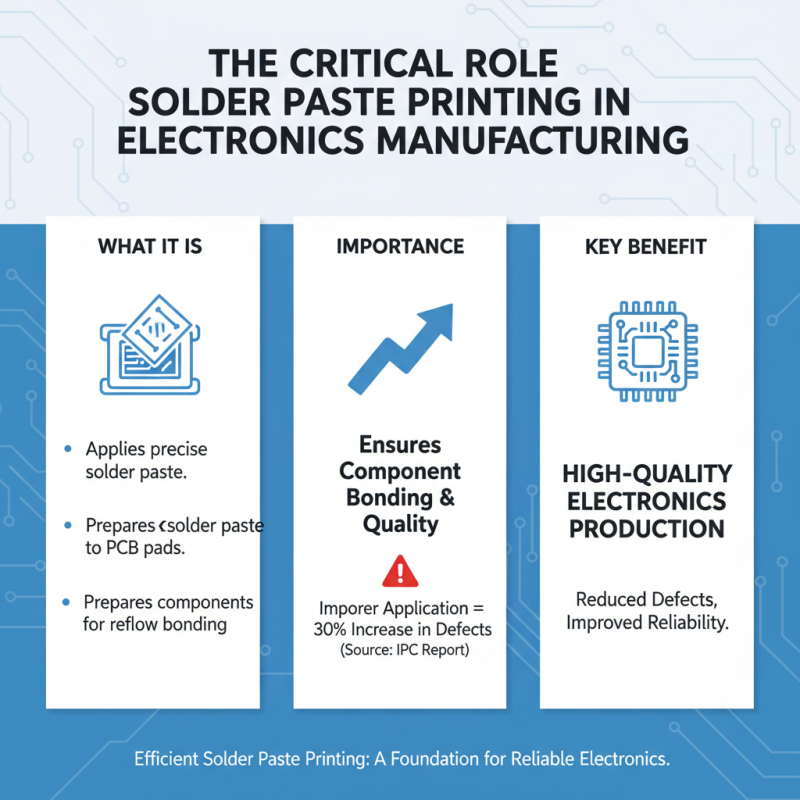
Solder Paste Printing is a critical step in modern electronics manufacturing. It ensures that the right amount of solder paste is applied to each PCB pad, enabling components to bond correctly during the reflow process. According to a report from the IPC, improper solder paste application can lead to a 30% increase in defects in final assemblies. Thus, efficient solder paste printing is essential for maintaining high-quality standards in production.
Utilizing a Solder Paste Stencil Printer can significantly improve accuracy and efficiency. These printers provide precise control over paste thickness, ensuring optimal coverage. Statistics show that companies adopting automated solder paste printing solutions report up to a 40% reduction in setup times. Such gains not only enhance production but also minimize material waste, which is crucial in a time when sustainability is paramount.
Despite these advantages, challenges remain. Inconsistent paste viscosity can lead to issues. Regular calibration and maintenance of the solder paste stencil printer are necessary to avoid degradation in quality. Additionally, operator training is vital to fully leverage these machines. Awareness of potential pitfalls can lead to improved practices and better outcomes.
Key Benefits of Using Solder Paste Printers for Businesses
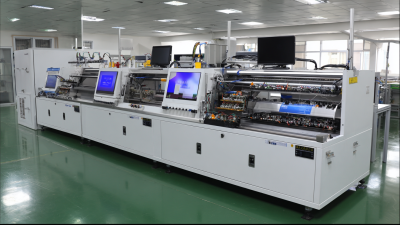
Solder paste printers are essential for modern electronics manufacturing. They enable precise application of solder paste on circuit boards, improving solder joint reliability. With a Solder Paste Printer Machine, businesses can streamline their production processes. The automation reduces human error and speeds up production.
Time efficiency is another significant benefit. Manual solder paste application is slow and often inconsistent. In contrast, today’s solder paste printers offer rapid processing speeds. They can handle various PCB sizes, adapting to different project needs. This capability helps businesses respond quickly to market changes and demands.
Investing in solder paste printing technology may seem costly upfront. However, the long-term savings on labor costs and material wastage can be substantial. Yet, some businesses may struggle with the learning curve associated with new equipment. Training employees is crucial to fully leverage the machine’s potential. Overall, with careful consideration and training, the benefits far outweigh the challenges.
Types of Solder Paste Printers and Their Applications
When considering solder paste printers, it's essential to explore their types and applications. One common type is the stencil printer. These printers use stencils to apply solder paste onto a PCB. Stencil printers are popular for their accuracy and repeatability. However, they can be slower than other methods and may require more setup time. This means they are best suited for medium to high-volume production environments.
On the other hand, Solder Paste Jet Printers are gaining traction in the industry. They offer a faster and more flexible approach, especially for low to medium-volume productions. These printers use advanced technology to deposit solder paste precisely where needed. This method reduces waste and improves efficiency. However, some users might find the initial costs and maintenance a bit challenging. Furthermore, understanding the technology behind them may require a learning curve.
Overall, each solder paste printer type has its strengths and weaknesses. Companies must evaluate their specific needs before making a decision. Investing in the right printer can boost productivity. Yet, it is crucial to consider factors like cost, speed, and print quality when choosing.
Factors to Consider When Choosing a Solder Paste Printer
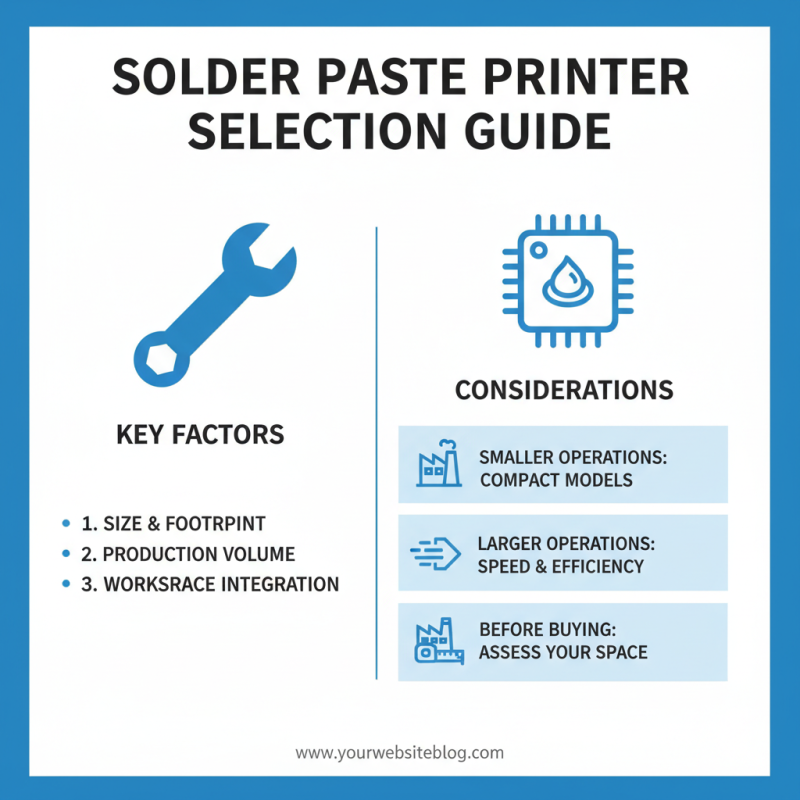
When selecting a solder paste printer, several factors come into play. The size of the printer is crucial. Ensure it fits your production line. A compact model may be suitable for smaller operations. However, larger models offer increased speed and efficiency. Think about your workspace before making a decision.
Print precision is another key aspect. Look for printers with adjustable settings for different paste types. These settings can impact solder quality and overall performance. Additionally, consider the alignment features. A printer that provides accurate alignment will help avoid costly mistakes later in the manufacturing process.
**Tips:** Always test the printer with your specific paste before full production. Regular maintenance can prolong the lifespan of the equipment. Don't hesitate to consult with industry experts to refine your choices. This can decrease the chances of errors and enhance production quality. Embrace learning from initial mistakes; they can guide future investments effectively. Balancing cost and quality is a continuous challenge.
Cost-Effectiveness of Solder Paste Printing Solutions
In today's competitive market, businesses are seeking cost-effective solutions to improve their production lines. Solder paste printing is gaining attention for its efficiency and affordability. A report from IndustryWeek indicates that automated solder paste printers can reduce labor costs by nearly 30%. This substantial saving is a primary reason many manufacturers are considering this technology.
Investing in solder paste printers enhances consistency and quality in production. According to a recent study by IPC, companies see a 20% reduction in defects when using high-quality solder paste printers. While initial costs may seem high, the long-term savings in rework and waste are significant. Businesses often overlook these benefits in their budgeting processes and only focus on initial expenditures.
However, businesses must analyze their specific needs carefully. Not all solder paste printers will suit every manufacturing process. The complexity of each operation dictates whether the investment will yield expected returns. A thorough evaluation ensures that companies make informed decisions, rather than jumping into an investment without consideration of potential pitfalls. Failing to address these factors may lead to unsatisfactory results in production efficiency.
Why Choose a Solder Paste Printer for Your Business Needs?
| Feature | Benefit | Cost Effectiveness |
| High Precision | Ensures accuracy in soldering, reducing errors | Reduces waste and rework costs |
| Fast Production Speed | Increases throughput | Higher output means lower cost per unit |
| User-Friendly Interface | Easy to operate, less training required | Saves on training costs and operational errors |
| Versatility | Can handle various PCB sizes and designs | Increases flexibility in production, optimizing resource use |
| Durability | Long lifespan of the printer | Lower maintenance and replacement costs over time |
Maintenance and Support for Solder Paste Printers
Solder paste printers are crucial for businesses that rely on precision in electronics manufacturing. Proper maintenance and support for these machines can significantly enhance production efficiency. Studies show that regularly serviced equipment can reduce downtime by up to 30%. However, many facilities overlook routine checks. This neglect can lead to costly delays.
Tip: Schedule regular maintenance checks to identify wear and tear early. Small issues can turn into major problems if not addressed promptly.
Support is also key. Having access to expert technical assistance ensures that any operational hiccups are resolved quickly. Research indicates that 65% of companies experience a learning curve when implementing new printers. This transition may introduce challenges, but they can be mitigated with proper training and resources.
Tip: Invest in training sessions for your staff. Knowledgeable operators can troubleshoot minor issues and maintain production flow. Remember, an informed team can save time and reduce errors.
Future Trends in Solder Paste Printing Technology
The landscape of solder paste printing technology is evolving rapidly. Businesses are now adopting advanced techniques to enhance efficiency and accuracy. The 3040 Solder Paste Printer stands out by meeting these demands effectively. As automation and precision increase, manufacturers experience better results and fewer errors in assembly processes.
A clear trend is the integration of AI in printing technology. This innovation allows for real-time adjustments based on feedback. Monitoring the printing process becomes simpler, reducing waste and improving overall quality. However, businesses need to consider potential challenges, such as initial costs and training for staff. Transitioning to smart technology may require thoughtful planning.
Tips: When investing in a solder paste printer, always assess its compatibility with existing processes. Evaluate user reviews and seek out detailed demonstrations, if possible. Remember, incorporating technology involves a learning curve. Patience and incremental adjustments can make the transition smoother and more effective for your team.
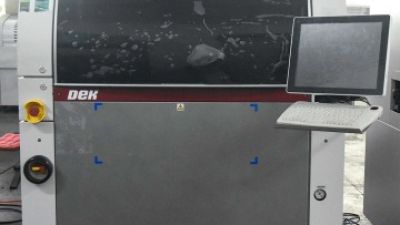
Optimizing PCB Assembly Efficiency with DEK Neo Horizon 03iX Solder Paste Printer
In today's competitive landscape of printed circuit board (PCB) assembly, optimizing efficiency is paramount. The latest advancements in solder paste printing technology play a crucial role in enhancing production capabilities. The new generation of solder paste printers features a modular design, allowing for improved interior configurations that can adapt to varying production demands. This flexibility is key for manufacturers who operate in both high-mix environments where contract manufacturing is prevalent, as well as high-volume scenarios that require rapid throughput.
The reliability of modern solder paste printers significantly impacts overall assembly efficiency. With innovations that streamline the printing process, manufacturers can achieve more consistent results and reduce downtime. The enhancements in these systems not only support diverse production needs but also ensure that quality is maintained across different manufacturing batches. As companies strive to meet increasing demand while keeping a close eye on cost-effectiveness, investing in advanced solder paste printing technologies can provide the necessary edge.
FAQS
: Solder paste printing can reduce labor costs significantly. Many businesses report nearly 30% savings in this area.
High-quality printers lead to a 20% reduction in defects. This enhances overall product reliability and consistency.
Initial costs can appear daunting. Many overlook long-term savings from reduced rework and waste.
No, compatibility varies. Each operation's complexity affects investment returns. A careful evaluation is essential.
Advanced techniques and AI integration are on the rise. These innovations enhance efficiency and accuracy in production.
Initial costs and staff training can be obstacles. Planning is crucial for a successful transition to smarter technology.
Assess compatibility with current processes and seek demonstrations. User reviews also provide valuable insights.
Patience is key. Incremental adjustments will aid in smoother transitions.
Failing to analyze specific needs may lead to inefficiency. Businesses must avoid rushing into decisions without thorough evaluation.
Yes, AI allows real-time adjustments and monitors quality. However, adopting this technology requires careful planning and commitment.
Conclusion
A Solder Paste Printer plays a crucial role in the electronics manufacturing process, enabling precise application of solder paste onto circuit boards. Understanding its importance helps businesses enhance assembly quality and efficiency. The key benefits of using a Solder Paste Printer include increased production speed, improved accuracy, and reduced wastage, all of which contribute to a more streamlined operation.
When choosing a Solder Paste Printer, it is essential to consider various factors such as the types available, their specific applications, and the overall cost-effectiveness of the printing solutions. Maintenance and support are also critical to ensuring long-term performance. As technology evolves, trends in solder paste printing will likely focus on greater automation and smarter integration, making it an invaluable investment for businesses looking to stay competitive in the electronics market.