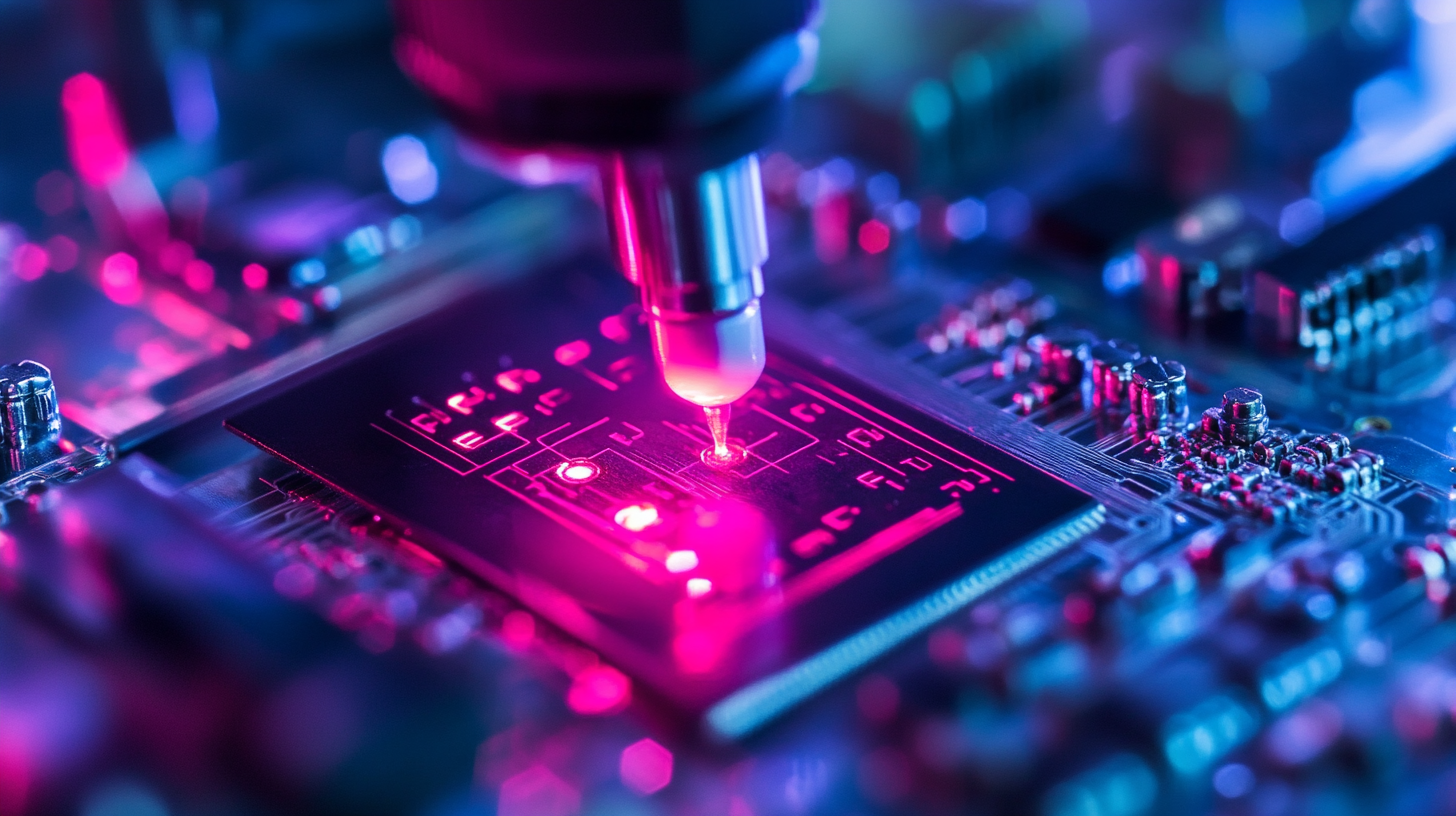
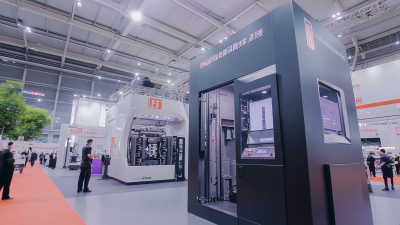
As the electronics manufacturing landscape continues to evolve, the significance of efficient and reliable Solder Reflow Machines has never been more pronounced. In the quest for innovation, global buyers are increasingly seeking advanced solutions that integrate both technological advancements and operational efficiency. This comprehensive guide aims to shed light on the future innovations in Solder Reflow Machines that are set to revolutionize the SMT industry by 2025.
With over 15 years of experience, Morel Equipments Co., Limited has transformed from a provider of accessories into a one-stop solution provider, offering a range of products including Pick And Place Machines, automatic soldering robots, and solder paste equipment. Understanding the direction of future innovations will empower buyers to make informed decisions, ensuring they are equipped with the best tools to meet their production needs in a competitive market.
The Evolution of Solder Reflow Technology: Key Trends for 2025
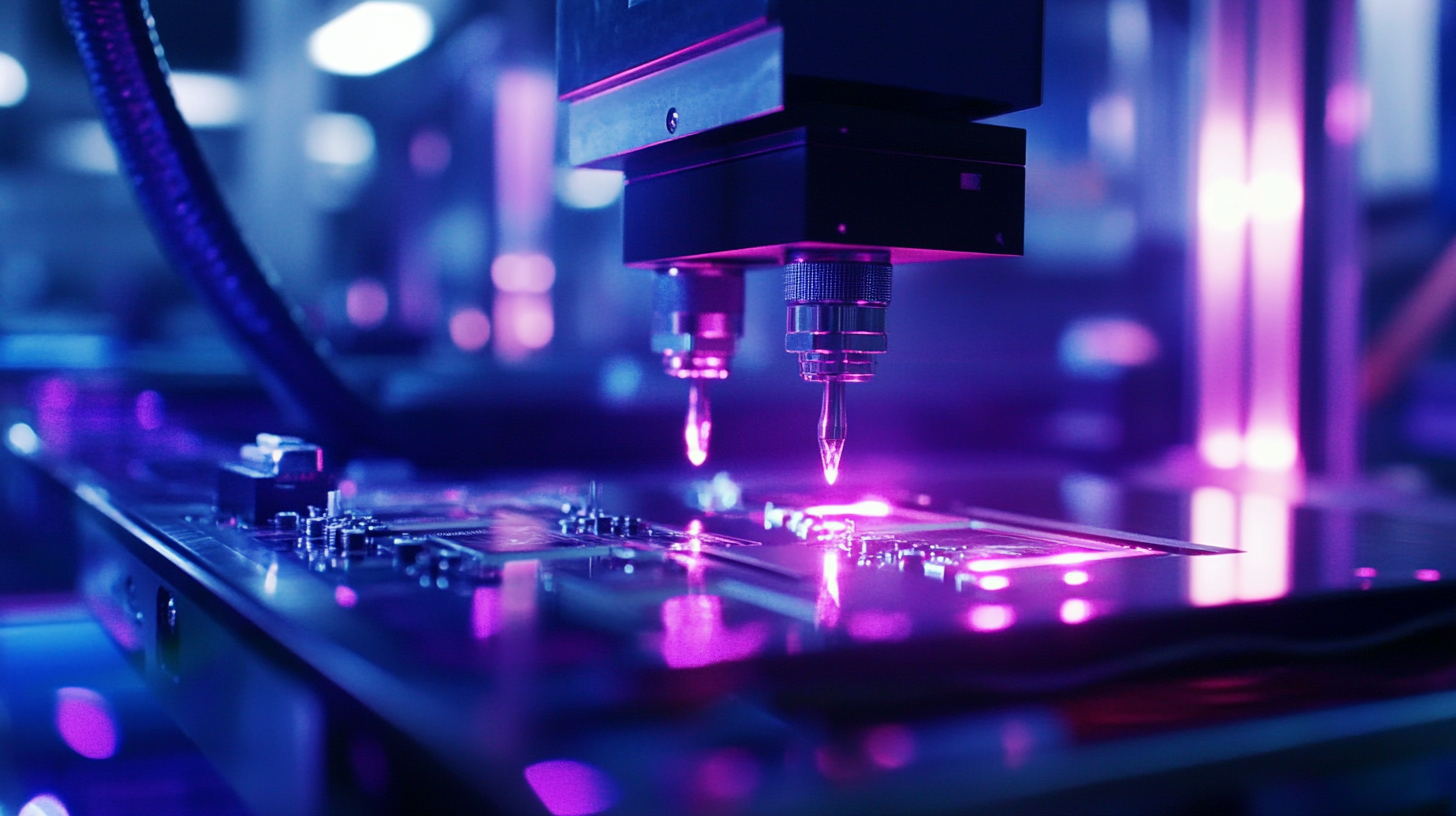 As we approach 2025, the solder reflow technology landscape is undergoing significant transformations driven by the demands of faster production cycles and greater efficiency. One of the key trends shaping the evolution of solder reflow machines is the integration of advanced automation and AI capabilities. These innovations allow for real-time monitoring and adjustments during the soldering process, ensuring optimal thermal profiles and minimizing defects. This not only enhances the quality of solder joints but also reduces waste and operational costs, offering manufacturers a competitive edge in the global market.
Another notable trend is the shift towards energy-efficient systems. With increasing environmental concerns and regulatory pressures, solder reflow machines are now being designed with sustainability in mind. Manufacturers are adopting technologies that lower energy consumption and reduce the carbon footprint of their operations. The incorporation of compact designs with improved heat transfer mechanisms contributes to these goals, enabling businesses to meet sustainability targets while maintaining high production standards. As buyers navigate this rapidly evolving market, understanding these trends will be crucial for making informed purchasing decisions that align with future demands.
The Importance of Quality Control in Solder Reflow Processes
In the fast-evolving world of electronics manufacturing, the solder reflow process stands at the heart of quality assurance. The importance of quality control in solder reflow processes cannot be overstated, as it directly impacts the reliability and performance of electronic products. Effective quality control measures are essential to prevent defects such as cold solder joints, bridging, and insufficient solder that can lead to product failures.
To achieve optimal results, manufacturers must implement rigorous inspection protocols throughout the solder reflow operation. Techniques such as automated optical inspection (AOI) and X-ray inspection play a pivotal role in detecting inconsistencies on PCBs (printed circuit boards) after soldering. These methods allow for immediate corrective actions, reducing the likelihood of defective units reaching the market. Furthermore, real-time monitoring of temperature profiles during the reflow process is crucial to ensuring that solder paste melts and solidifies at the right conditions, contributing greatly to the overall quality of the final assembly.
Investing in advanced solder reflow machines equipped with smart technology can greatly enhance quality control efforts. Features such as predictive analytics and machine learning enable manufacturers to anticipate potential issues before they arise, leading to more efficient production lines and significantly higher product yields. As we look towards 2025, the integration of such innovative technologies will be vital for global buyers aiming to maintain a competitive edge in the dynamic electronics market.
Sustainability in Solder Reflow Machines: Innovations to Watch
As the electronics manufacturing industry evolves, sustainability in solder reflow machines becomes increasingly crucial. Innovations focused on reducing energy consumption and minimizing waste are leading the charge toward more eco-friendly production practices. For instance, the integration of advanced thermal profiling technology allows manufacturers to optimize heating processes, significantly lowering energy usage. By employing more efficient heating methods, companies can reduce their carbon footprint while maintaining high-quality soldering processes.
Additionally, the development of recyclable and biodegradable materials in machine components is gaining traction. These advancements not only address environmental concerns but also respond to the growing demand from consumers for sustainable manufacturing practices. As regulations around electronic waste become stricter, buyers in 2025 will prioritize solder reflow machines that demonstrate a commitment to sustainability. This shift not only benefits the planet but can also improve a company's reputation and market competitiveness. Embracing these innovations will be essential for global buyers looking to stay ahead in a rapidly changing market.
Future Innovations in Solder Reflow Machines: A Comprehensive Guide for Global Buyers in 2025
| Feature | Description | Innovation Type | Expected Impact |
| Energy Efficiency | Technologies that reduce energy consumption during the reflow process. | Sustainability | Lower operational costs and reduced carbon footprint. |
| Closed-loop Temperature Control | Utilizes real-time data to maintain consistent temperature profiles. | Automation | Improved reliability and quality of solder joints. |
| Eco-Friendly Materials | Use of recyclable and less toxic materials in manufacturing. | Sustainability | Reduction of environmental impact. |
| Advanced Thermal Management Systems | Innovative systems designed to optimize heat distribution. | Technology | Enhanced performance and defect reduction. |
| Data Analytics Integration | Integration of machine learning algorithms to predict maintenance. | Smart Manufacturing | Minimized downtime and improved efficiency. |
Comparative Analysis of Global Solder Reflow Manufacturers
In 2025, the landscape of solder reflow machines is expected to evolve significantly, driven by technological advancements and changing market demands. A comparative analysis of global solder reflow manufacturers reveals a diverse range of capabilities and innovations, particularly in the development of lead-free solder materials, which are becoming increasingly crucial due to environmental regulations. Manufacturers are focusing on enhancing machine efficiency and reducing defect rates, which are vital for competitive positioning in the global market.
The solder materials market is projected to continue its growth trajectory, with a forecasted value of USD 4.7 billion by 2023, driven primarily by the rising demand for sophisticated assembly processes, such as wave and reflow soldering. As the market adapts to innovations in printed circuit board assembly (PCBA), manufacturers are exploring intelligent approaches that integrate advanced technologies, improving performance while minimizing material waste. This evolution reflects a broader trend towards smart manufacturing, where automation and data analytics play pivotal roles in enhancing production efficiency.
Investing in Smart Technology: The Future of Solder Reflow Equipment
The solder reflow equipment landscape is undergoing a significant transformation, with smart technology at the forefront of innovation in 2025. As global buyers look for advanced solutions, the incorporation of Internet of Things (IoT) capabilities into solder reflow machines is becoming indispensable. These smart devices offer real-time monitoring, predictive maintenance, and adaptive process control, ensuring optimal soldering outcomes while minimizing waste and downtime.
Investing in smart technology not only enhances operational efficiency but also improves the adaptability of production lines to varying demands. With AI-driven analytics, manufacturers can process vast data sets to refine their soldering profiles and adjust parameters on-the-fly. This adaptability is essential in today's fast-paced market, where manufacturers must respond quickly to changing specifications and component types.
As companies prioritize smart technology in their purchasing decisions, the future of solder reflow equipment promises to be more cohesive, interconnected, and efficient than ever before.
Navigating Global Supply Chains: Challenges and Solutions for Buyers
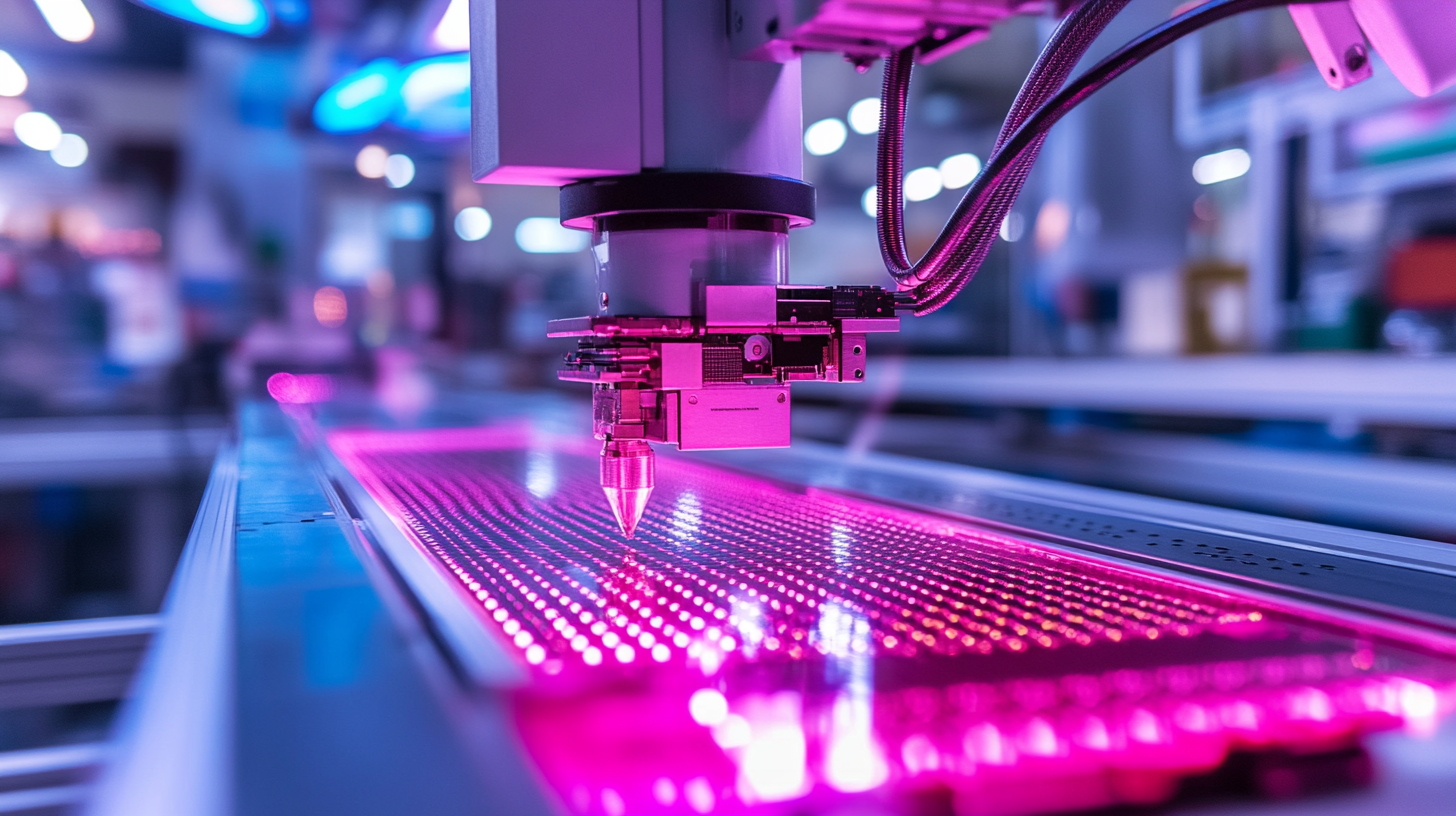 In the rapidly evolving landscape of electronics manufacturing, navigating global supply chains presents both challenges and opportunities for buyers of solder reflow machines. As demand for innovative technology intensifies, buyers face hurdles such as fluctuating material costs, geopolitical tensions, and supply chain disruptions. These factors not only affect production timelines but also impact the overall cost of solder reflow equipment. To mitigate these risks, buyers need to adopt a proactive approach that includes diversifying suppliers and investing in strategic partnerships.
Moreover, leveraging advanced technologies can enhance supply chain visibility and efficiency. Implementing real-time tracking systems and predictive analytics enables buyers to anticipate disruptions and make informed decisions swiftly. Collaborating closely with manufacturers and suppliers can lead to streamlined operations, ensuring that the most innovative solder reflow machines are available when needed. Ultimately, adapting to these challenges with a forward-thinking mindset will empower buyers to optimize their procurement strategies and remain competitive in the dynamic market of 2025.
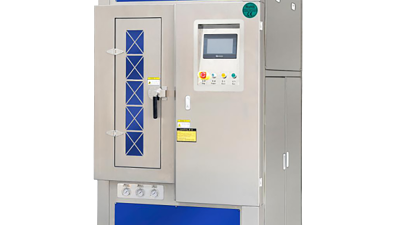
Optimizing PCB Manufacturing Efficiency: The Benefits of the Automatic SMT Stencil Cleaning Machine BMP-1000X
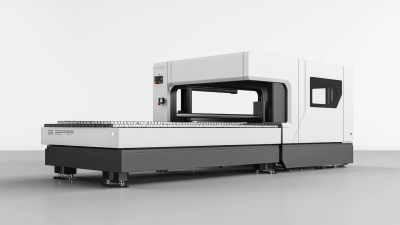
In the fast-paced world of PCB manufacturing, efficiency is paramount. The Automatic SMT Stencil Cleaning Machine BMP-1000X stands out as a game-changer, specifically designed to enhance the cleaning process of stencils, which is often a bottleneck in production lines. One of its remarkable features is the integrated liquid level sensor in the cleaning tank, original tank, and spray tank, equipped with an overflow alarm. This ensures that operators are immediately notified of any discrepancies, preventing potential issues that could lead to downtime.
Safety is also a top priority with the BMP-1000X. Its front door is engineered with a photoelectric sensor that halts operations if the door is not securely closed during the cleaning cycle, effectively containing any liquid or water from spilling out. Additionally, advanced PLC monitoring and alarm systems oversee the air source, DI water inlet, and heating system, providing double protection to mitigate any failures that could jeopardize the equipment.
Quality and reliability are assured through the use of well-known brand components, such as pumps from Ingersoll Rand and solenoid valves from CKD, combined with Panasonic PLCs and German rails. The innovative mechanism ensures thorough cleaning by utilizing a dynamic vertical motion with an imported guide rail and stepping drive, while the fixed spray arm and air knife provide precise cleaning action. With the BMP-1000X, manufacturers can optimize their PCB cleaning process, drive efficiency, and maintain the integrity of their operations.
FAQS
: Quality control is crucial in solder reflow processes because it directly affects the reliability and performance of electronic products, helping to prevent defects like cold solder joints and bridging.
Recommended inspection techniques include automated optical inspection (AOI) and X-ray inspection, which help detect inconsistencies on printed circuit boards (PCBs) after soldering.
Real-time monitoring of temperature profiles during the reflow process ensures that solder paste melts and solidifies under optimal conditions, significantly enhancing the quality of the final assembly.
Advanced solder reflow machines equipped with smart technology, including predictive analytics and machine learning, help manufacturers anticipate potential issues, leading to more efficient production and higher product yields.
Sustainability is influenced by innovations aimed at reducing energy consumption and waste, such as advanced thermal profiling technology, and the use of recyclable or biodegradable materials in machine components.
Eco-friendly solder reflow machines help lower energy usage and carbon footprint while meeting consumer demand for sustainable practices, thus improving a company's reputation and market competitiveness.
Buyers encounter challenges like fluctuating material costs, geopolitical tensions, and supply chain disruptions, which can affect production timelines and costs.
Buyers can mitigate risks by diversifying suppliers, investing in strategic partnerships, and leveraging technologies like real-time tracking and predictive analytics for better supply chain visibility.
A proactive approach that includes close collaboration with manufacturers and suppliers, along with the use of advanced technology, will enhance procurement strategies and ensure access to innovative solder reflow machines.
Buyers in 2025 will prioritize sustainability due to stricter regulations around electronic waste and a growing consumer demand for eco-friendly manufacturing practices, making it essential for companies to embrace sustainable innovations.