You know, in this fast-changing world of industrial automation, the importance of Pick And Place Machines has really never been more obvious. Looking ahead to 2025, experts are already talking about some pretty exciting advancements that could seriously boost efficiency and productivity across a bunch of different industries. I recently read what Dr. Emily Johnson, who’s a big deal in automation at Automation Innovations, said—she mentioned, “The future of manufacturing is all about smoothly integrating Pick And Place Machines. Not only do they make processes faster and more precise, but they also open up new possibilities for speed and accuracy.”
More and more, automated solutions like these are becoming the backbone of modern manufacturing. They handle those repetitive tasks so humans don’t have to, which means workers can focus on the more complicated stuff—pretty cool, right? And with all the buzz around AI and robotics, the next-gen machines are expected to be even smarter—they’ll learn from their surroundings and tweak their workflow on the fly.
Looking into 2025, it’s pretty clear that the role of these machines is only going to grow. The insights we’re seeing from industry pros aren’t just about making things run smoother—they’re also about making workplaces safer and more eco-friendly. It’s an exciting time for automation, for sure.
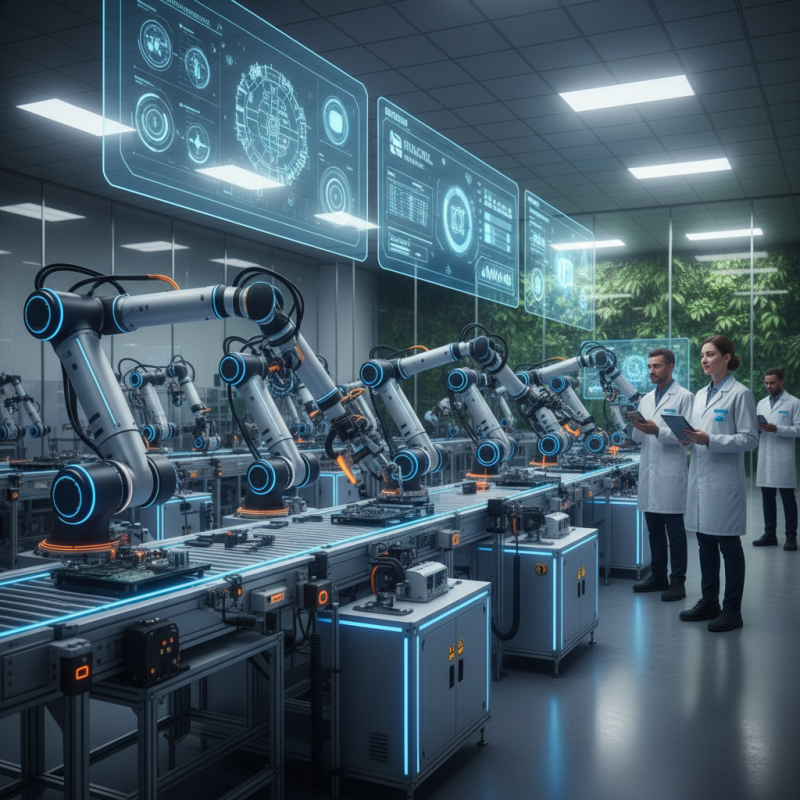
Overview of Pick and Place Machines in Automation
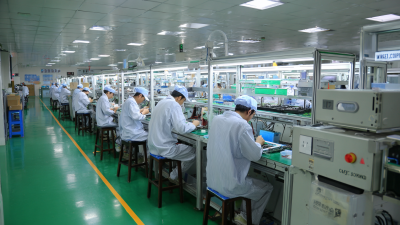
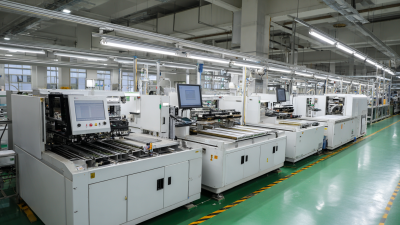
Pick and place machines have emerged as a vital component in the landscape of automation, particularly in manufacturing and assembly lines. These machines are designed to streamline the process of moving components from one location to another with precision and speed. By utilizing advanced robotics and sophisticated algorithms, pick and place machines can efficiently handle a variety of tasks, including loading, unloading, and assembling parts. Their versatility allows them to adapt to different industries, ranging from electronics to consumer goods, making them indispensable for companies striving for higher productivity.
The role of pick and place machines in automation extends beyond mere efficiency; they enhance accuracy and reduce human error, which is crucial in high-stakes environments like electronics manufacturing. These machines are equipped with sensors and vision systems that enable them to identify and manipulate objects with remarkable precision. This capability not only expedites production processes but also contributes to improved overall quality.
As industries increasingly focus on automation to meet growing demand and reduce operational costs, the integration of pick and place technology will likely become more prevalent, driving innovation and reshaping production methodologies.
Key Components of Pick and Place Machines
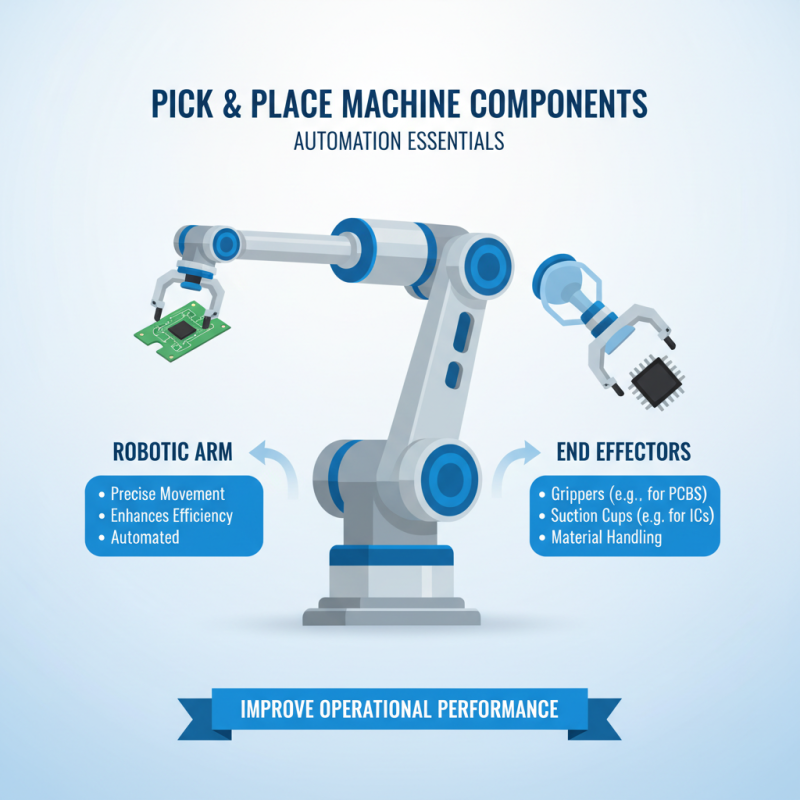
Pick and place machines are essential tools in the realm of automation, designed to enhance efficiency in manufacturing processes. Understanding their key components can greatly improve operational performance. One of the main elements is the robotic arm, which is responsible for the precise movement of items. These arms come equipped with various end effectors, such as grippers or suction cups, tailored to handle different types of materials, from small electronic components to larger assembly parts.
Another critical component is the vision system, which allows the machine to accurately identify and position objects. This system often employs cameras and sensors to analyze the work area, ensuring that the pick and place operations are executed with precision. Integrating AI and machine learning can further enhance these systems, enabling them to adapt to changing environments and optimize their performance over time.
**Tip:** Regular maintenance of these key components is essential to prevent downtime. Implementing scheduled inspections and updates can significantly prolong the lifespan of your pick and place machines. Additionally, training operators on the latest technologies can further maximize efficiency and drive automation success in your operations.
Types of Pick and Place Machines and Their Applications
The pick and place machine is a vital component in the automation landscape, enhancing production efficiency across various industries. These machines can be categorized into several types, including robotic arms, gantry systems, and delta robots, each suited for specific applications. Robotic arms are versatile and widely used in manufacturing processes, while gantry systems excel in high-speed operations, particularly in electronics assembly. Delta robots, known for their rapid speed and precision, are ideal in packaging lines and food processing.
According to a report by MarketsandMarkets, the global pick and place robot market is projected to reach USD 6.85 billion by 2025, reflecting a compound annual growth rate (CAGR) of 13.4% from 2020. This growth is driven by the increasing demand for automation in manufacturing and the need for enhanced productivity. Different applications necessitate tailored solutions; for instance, pick and place machines are extensively used in the automotive sector for component assembly, while their role in the e-commerce industry is crucial for sorting and packaging products efficiently.
Tips for maximizing the efficiency of pick and place machines include regular maintenance to minimize downtime and calibrating the machines to ensure accurate placements. Additionally, investing in advanced programming and AI integration can significantly enhance operational capabilities and adaptability to changing production needs. By understanding and selecting the right type of pick and place machine, businesses can achieve optimal automation and streamline their workflows.
Trends Influencing the Development of Pick and Place Technology
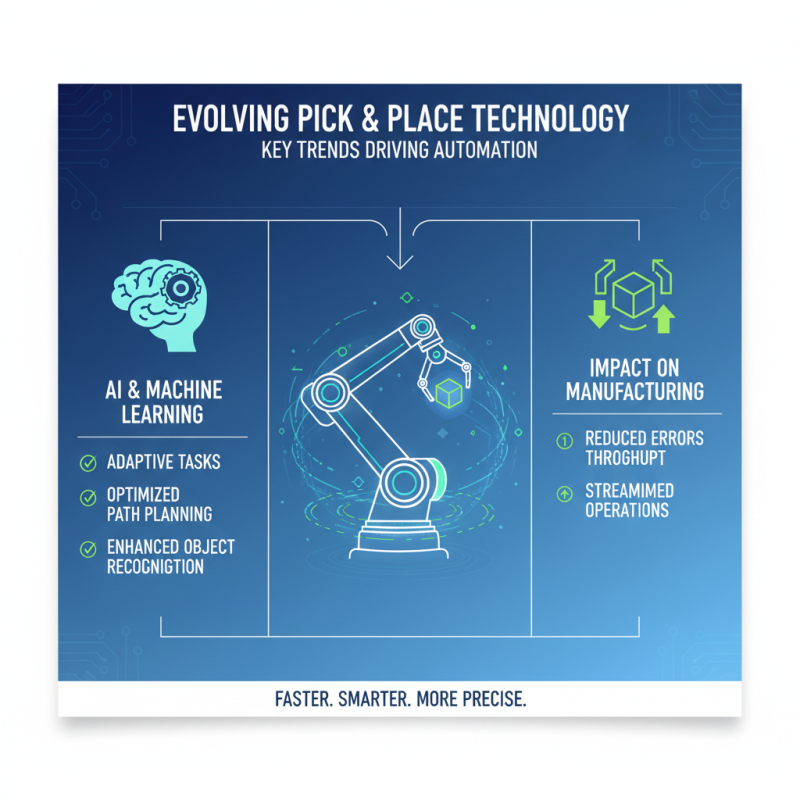
The development of pick and place technology is significantly shaped by several key trends that enhance automation efficiency in various industries. One of the prominent trends is the integration of advanced artificial intelligence and machine learning algorithms. These technologies enable machines to adapt to varying tasks and improve decision-making processes, thereby reducing errors and increasing throughput. As manufacturers seek to streamline their operations, AI-driven systems can optimize path planning and object recognition, allowing for faster and more precise handling of components.
Another influential trend is the increasing demand for customization and flexibility in manufacturing processes. Modern pick and place machines are being designed to handle a wider variety of products with varying sizes and shapes. This adaptability not only reflects the market's shift towards personalized production but also addresses the challenges of shorter product life cycles. Additionally, the rise of collaborative robotics, or cobots, facilitates an agile working environment, allowing human operators and machines to work side by side efficiently while enhancing safety measures in dynamic assembly lines.
Moreover, sustainability has become a central focus in the design and operation of pick and place systems. Companies are increasingly prioritizing energy-efficient machines that minimize waste and resource consumption. Innovations aimed at reducing the carbon footprint of manufacturing activities are driving the development of eco-friendly automation solutions, which not only comply with regulations but also resonate with environmentally conscious consumers. As these trends converge, the future of pick and place technology looks promising, paving the way for smarter and greener automation practices.
Benefits of Automation with Pick and Place Machines
The integration of automation in manufacturing processes has significantly transformed how industries operate, particularly through the use of pick and place machines. These machines are essential for enhancing productivity and efficiency, as they can perform repetitive tasks with precision and speed that far exceed human capabilities. According to a report by the International Federation of Robotics, the global market for industrial robots is expected to grow by over 10% annually, underscoring the growing reliance on automation technologies, including pick and place systems.
One of the key benefits of employing pick and place machines is the reduction in labor costs. By automating routine tasks, companies can allocate their human resources to more complex and value-added activities. A study from McKinsey & Company highlights that automation can lead to a productivity increase of up to 25% in several sectors. This not only streamlines operations but also minimizes the potential for human error, resulting in higher quality output and reduced wastage.
Tips: When considering the implementation of a pick and place machine, it's crucial to assess the specific needs of your production line. Proper integration can significantly enhance overall efficiency, while selecting the right machine type and specifications tailored to your operation will ensure optimal performance. Regular maintenance and software updates are also vital in maintaining the machines’ reliability and efficiency.
Challenges in Implementing Pick and Place Solutions
The implementation of pick and place solutions comes with its own set of challenges that can impede the efficiency and effectiveness of automation processes. One significant hurdle is the integration of these systems with existing machinery and workflows. Companies may face compatibility issues, requiring extensive adjustments or even complete overhauls to their production lines. Moreover, software compatibility and data exchange between machines often create bottlenecks that can slow down the deployment of new automation technologies.
Another challenge is the calibration and programming of pick and place machines. These systems need to be finely tuned to handle various products with different weights, sizes, and textures. This process can be time-consuming and may require specialized knowledge that the existing workforce might lack. As a result, companies may need to invest in training or hire new talent, which adds to their operational costs.
Tip: To ease the implementation process, consider conducting a thorough needs assessment before integrating a pick and place system. This helps identify specific requirements and potential obstacles, allowing for a smoother transition. Additionally, collaborating with technology providers during the programming phase can mitigate challenges related to calibration and software integration.
Tip: Regular maintenance and updates are essential to keep the machines operating at peak efficiency. Establishing a proactive maintenance schedule may prevent unexpected downtimes and ensure that the pick and place systems continue to deliver optimal performance.
Future Innovations in Pick and Place Machine Technology
The landscape of automation technology is rapidly evolving, particularly in the realm of pick and place machines. Innovations are streamlining processes, enhancing accuracy, and increasing throughput in various sectors. According to a recent report by MarketsandMarkets, the global pick and place robotics market is expected to reach $5.2 billion by 2025, growing at a CAGR of 12.6%. This growth is driven by the increasing demand for automation in industries such as manufacturing, pharmaceuticals, and electronics, where precision and speed are paramount.
Focusing on future innovations, advancements in artificial intelligence and machine learning are poised to revolutionize the capabilities of pick and place machines. These technologies enable systems to learn from their environment, adapt in real time, and improve efficiency through predictive maintenance. A survey from Deloitte highlighted that 61% of manufacturers believe that AI implementation in automation processes significantly increases productivity. Additionally, the integration of IoT (Internet of Things) devices will facilitate smarter operations, allowing for real-time data analytics and remote monitoring, ultimately leading to more informed decision-making and reduced downtime. As these technologies continue to mature, the potential for increasingly sophisticated and efficient pick and place solutions becomes undeniably transformative for automated processes across multiple industries.
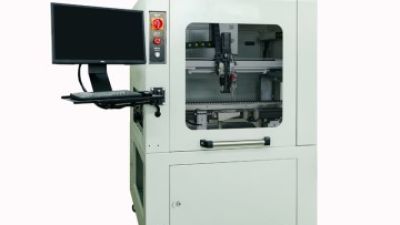
Exploring the Advantages of the HMH-830 PCBA Coating Machine: Revolutionizing PCB Protection Systems
The HMH-830 PCBA Coating Machine is at the forefront of modern PCB protection systems. Its advanced three-axis motion technology allows for precise selective spraying on various circuit boards, significantly enhancing the efficiency of the coating process. This innovation ensures that critical components, such as connectors, remain uncoated, preventing potential damage and ensuring optimal performance of the electronic devices.
Curated for versatility, the HMH-830 seamlessly adjusts to different board designs, accommodating varying sizes and complexities. This adaptability not only enhances productivity but also minimizes material waste, making it a cost-effective solution for manufacturers. By utilizing this machine, companies can achieve consistent coatings that provide an additional layer of protection against environmental factors, thus prolonging the lifespan of their products and ensuring reliability in performance.
FAQS
: The main trends include the integration of artificial intelligence and machine learning, increasing demand for customization and flexibility in manufacturing, the rise of collaborative robotics, and a focus on sustainability and energy efficiency.
Artificial intelligence improves decision-making, optimizes path planning, and enhances object recognition, leading to reduced errors and increased throughput in automation processes.
Key challenges include integration with existing machinery, software compatibility issues, and the need for calibration and programming that may require specialized knowledge.
Training is crucial because employees may lack the specialized knowledge needed to calibrate and program the machines, necessitating an investment in skill development to ensure successful implementation.
Companies prioritize energy-efficient machines that minimize waste and reduce carbon footprints, catering to environmentally conscious consumers and complying with regulations.
Conducting a thorough needs assessment, collaborating with technology providers, and establishing a proactive maintenance schedule can help smooth the transition and ensure optimal performance.
Future innovations include advanced AI capabilities, integration of IoT devices for real-time analytics, and predictive maintenance, all of which aim to enhance efficiency and effectiveness in automation.
The manufacturing, pharmaceuticals, and electronics industries are driving demand due to the need for precision and speed in their automation processes.
Collaborative robotics enable human operators and machines to work side by side efficiently, enhancing safety and flexibility in dynamic assembly lines.
The global pick and place robotics market is expected to reach $5.2 billion by 2025, growing at a compounded annual growth rate (CAGR) of 12.6%.
Conclusion
The article "2025 Top Insights on Pick And Place Machine for Efficient Automation" provides a comprehensive overview of pick and place machines and their role in modern automation. It discusses the key components that make up these machines, including actuators, vision systems, and controllers, highlighting how each contributes to their efficiency. Various types of pick and place machines are explored, along with their specific applications across different industries, showcasing their versatility.
Trends influencing the advancement of pick and place technology are also examined, such as the integration of AI and improved sensors, which enhance accuracy and speed. The benefits of employing pick and place machines in automation processes, including increased productivity and reduced labor costs, are outlined. Additionally, the article addresses the challenges faced during the implementation of these solutions and hints at future innovations that may further revolutionize the capabilities of pick and place machines in industrial settings.