- Home
- Products
- News
- About Us
- Support center
- Contact Us
inquiry
Leave Your Message
Acquiring in-depth knowledge on Smt Oven Reflow becomes important for global buyers seeking to enhance production efficiency and product quality in electronics manufacturing, which undergoes rapid changes. With a growing demand for surface-mount technology (SMT), which depends on precision and reliability, the trade secrets of reflow soldering will have to be closely studied and understood. This exhaustive guide on SMT oven reflow will go into detail regarding the Smt Oven Reflow process, together with the fine points and best practices, imparting knowledge for manufacturers to increase productivity and earn superior results.
With more than 15 years of experience in the SMT industry, Morel Equipments Co., Limited has established itself as an all-in-one solution provider for SMT applications. Our expertise includes products such as pick and place machines, automatic soldering robots, and testing equipment for ICT and FCT applications. Through our proprietary technologies and know-how in Smt Oven Reflow, we are not just refining the soldering process but ensuring that our clients meet the highest standards of quality and efficiency in their manufacturing processes. Let us take you through the decisive parameters of Smt Oven Reflow so that you may tread successfully in the world.
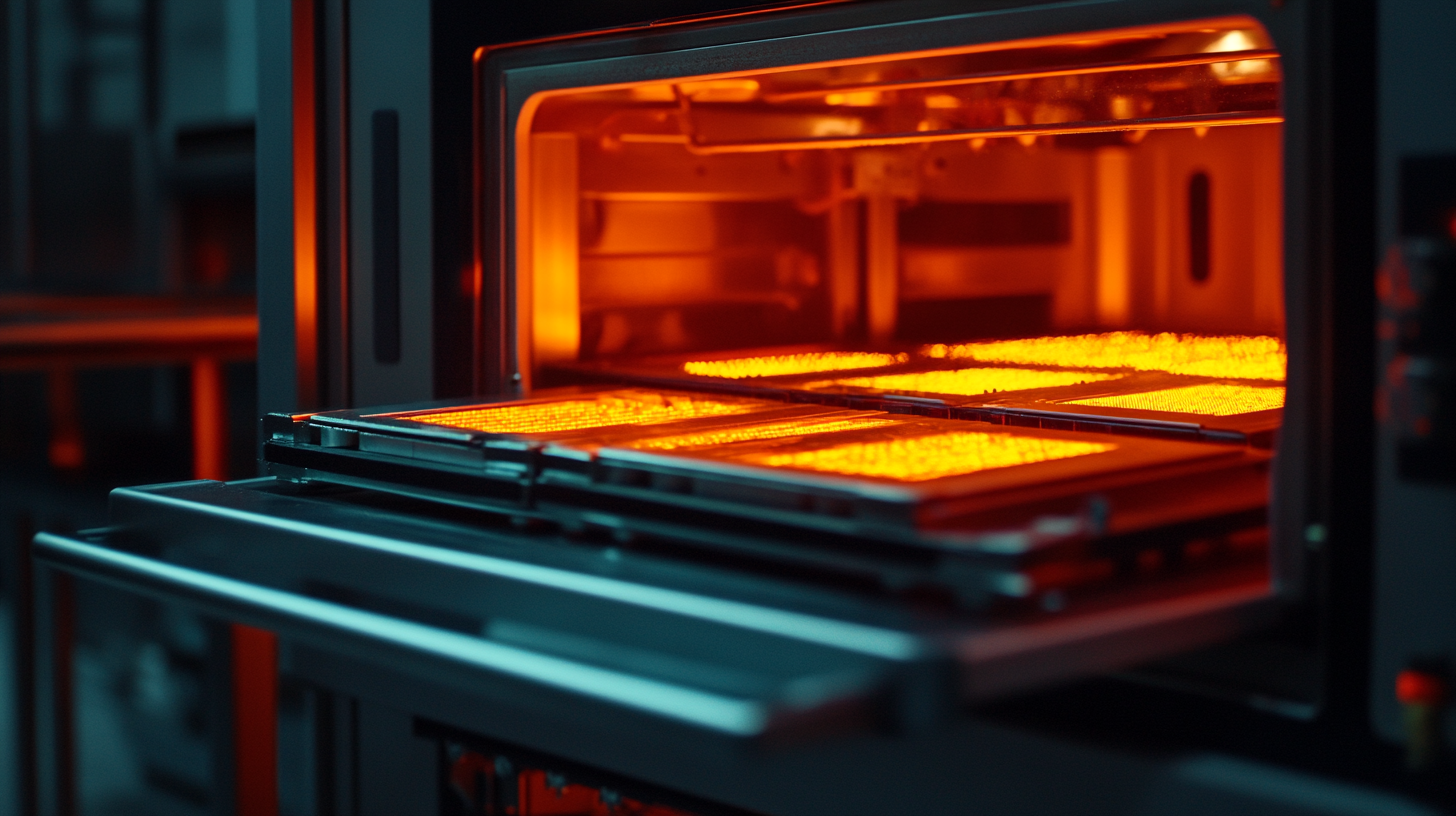
Actually, mastering reflow process in SMT oven involves critical understanding of basic concepts and terminologies for global buyers. In the reflow technique, solder paste is melting to attach with the components on printed circuit board (PCB). This is an integral part of surface mount technology (SMT) assembly. Comprehensive strong relation with the terms regarding this process like thermal profile and peak temperatures along with cooling rates strengthen buyers to use this in the production lines and ensure high-quality electronic assembly. Thermal profile is defined to mean the track taking temperature to the actual circuit board during reflow. A very important trajectory; too high will burn components, while too low will lead to insufficient soldering. Buyers would be well advised to have knowledge of heating zones in SMT ovens, preheating and reflow cooling stages, as they serve particular purposes to result. It is also important to understand the composition and application of solder paste. Each has melting point and characteristics very different from the others for bonding components to PCB. This means applying solder paste correctly to ensure that it does the optimal job in staying and functioning. Moreover, it also allows the buyers to hold efficiency against adherence to industry standards with its understanding of reflow, which is speed and quality balance. Strong understanding of such key concepts and terminology related with SMT oven reflow would provide global buyers with an informed decision regarding enhanced manufacturing capability that ensures better outcomes of products.
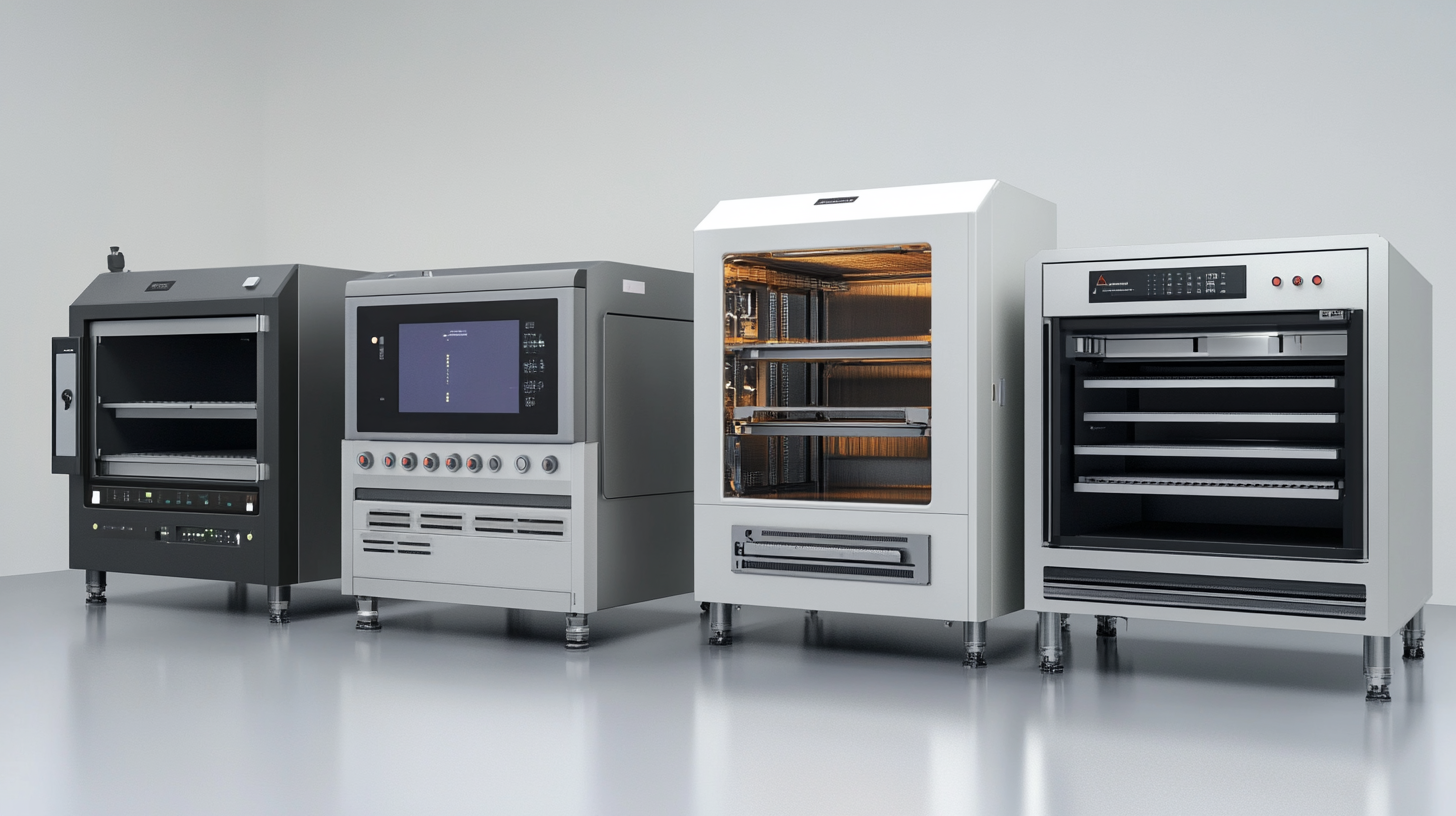
Here are some essential factors to take into consideration when trying to select an SMT oven reflow for your business process. First, check the capacity of the oven. Depending on how much production you do, you are considering a bigger-sized oven, which could take multiple boards and even up to a compact model for small batches. The size and configuration of the workspace also decide the oven type.
The oven temperature profile and heating method are other important considerations. In fact, various temperature settings are needed for different SMT processes, and some Reflow Ovens are well endowed with additional benefits such as improved temperature management in specific zones. Examine the technology used in these ovens, as convection ovens, for example, are known to produce better results when it comes to uniform heating than other kinds of ovens, which in turn produce very good joints in the solder in terms of overall product quality.
User-friendly and very automated operations would lead to increased efficiencies in the operations. Seek for ovens designed with simple software enough to program and monitor the performance of the reflow process. Some of them advanced models are even popular for offering connectivity options enabling real-time data accumulation as well as process adjustments, which are important in maintaining superior production standards with minimal downtime.
Finally, it is the overall cost effectiveness of the oven concerning purchase price and energy efficiency to be put into consideration. Although upfront costs matter, the operational costs over time make a remarkable difference in how lean the savings affect your bottom line. A careful consideration of these parameters will help you determine the right kind of decision to make in accordance with your particular requirements and business objectives in the changeable world of electronics manufacturing.
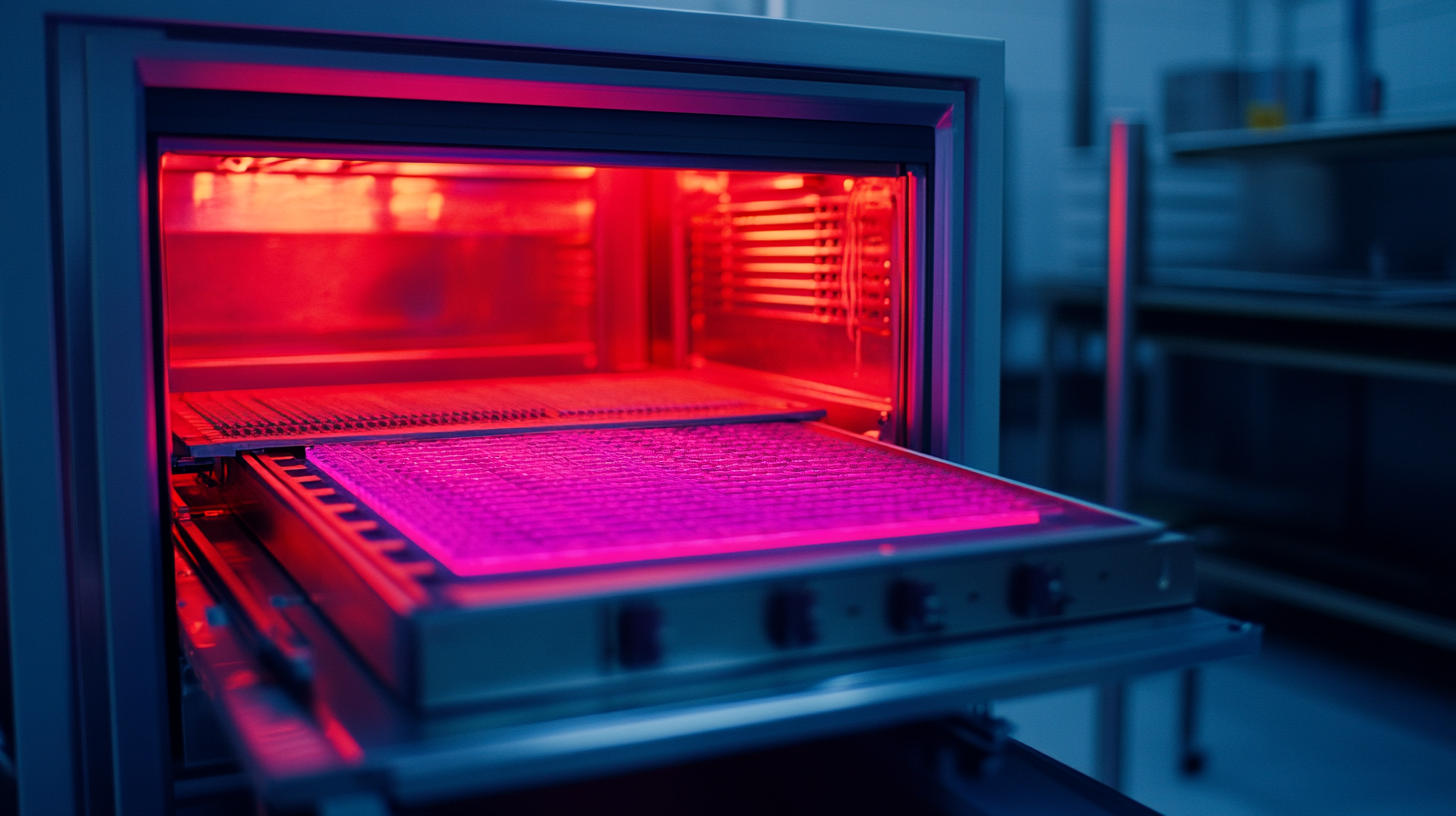
High-quality soldering and product reliability both depend on the proper selection of a reflow oven suitable for an SMT (Surface Mount Technology) assembly. Various types of reflow ovens are specifically designed for SMT, thereby satisfying different applications and production requirements. Among the general types are infrared reflow ovens, convection reflow ovens, and vapor phase reflow ovens.
Infrared reflow ovens work by heating up the solder paste on the circuit boards with infrared radiation. This method gives the advantage of being a quick heating process appropriate for high throughput, but tempering that is the heat-mass transfer behavior of the infrared which can have a very challenging time sustaining a constant temperature for complex layouts of the PCB. Therefore the special considerations for component and board designs you have in mind are critical to the choice of an infrared reflow option.
Convection ovens use forced air to distribute the heat evenly within the entire working chamber. Due to their exceptional capabilities in thermal profile management and solder melting, convection reflow ovens are applicable for many components and vastly differing PCB designs. Convection technology usually comes with well-developed temperature control and monitoring systems, allowing for precise tuning of the reflow process specifications.
Vapor phase reflow ovens use a different heating strategy: placing the PCB in an atmosphere with vapor from a heated fluid. This is especially suitable for thermal shock-sensitive and complex components under quiet heating; thus, vapor phase is good for applications requiring a very high thermal reliability, which is typical for aerospace and medical devices, where quality assurance with respect to soldering is done with due diligence.

Yet, it is only pertinent that one mastered either to select or use a Surface Mount Technology (SMT) oven if these buyers are to turn out better products in their places. Since performance in reflow ovens usually reflects in the yield or reliability of the final electronic assembly, buyers thus need any of the significant features or specifications before making the purchase.
High-end SMT ovens come with a superb provision of temperature settings and make the heat uniform, sure that the solder paste melts and is reflowed properly. Latest news from a top industry analysis corporation shows that the global market for SMT equipment would have more than 5% CAGR between the years 2023 and 2028, all push by demand for compact and quality reflow equipment; compact reflow ovens are also increasingly replacing halogen heating elements as manufacturers start to seek floor-space optimization without performance compromise.
What is also new and being talked about in the market currently is the smart technology automated integration with reflow ovens that have full-time real-time monitoring and adjustment processes. This is of interest especially in high-stakes situations, where precision is key. For instance, BTU International has entered this innovative space with vacuum reflow ovens, which are meant to boost reliability in the application of sensitive components in demanding scenarios. Understandably, using these features when selecting a machine carries a lot of weight in the way the future would mold production and future-proof their manufacturing process.
As in every other SMT (Surface-Mount Technology) reflow soldering, buyers will come across some basic fabricating challenges in production. One major factor is the importance of having the right temperature profile. Underheating will typically cause cold solder joints, while overheating may cause damage or distortion of components. Therefore, it is wise to invest in good reflow ovens that guarantee excellent temperature control and monitoring. With microwave technology being advanced in the upcoming Tunnel Bakery Oven Market, performance is becoming a major consideration in modern oven design.
Another consideration in SMT reflow is the quality of solder paste used. Paste can be too old or improperly stored, leading to problems such as poor adhesion and more. Buyers should give priority to those suppliers that provide fresh solder paste of a good quality along with instructions for proper handling and storage conditions. Manufacturers can then achieve a more reliable reflow process by focusing on the right materials and applicable techniques.
In addition, maintenance of the reflow oven is important in avoiding an eventual breakdown and ensuring consistency in quality. Maintenance work such as cleaning and calibration can be done on a regular basis to keep the oven performing well. As with gas ranges and kitchen appliances, as the market for these products continues to mature, we see technology being the one condition that is very important for maintaining efficient processing systems. Thus, buyers should not overlook the necessity for periodic training of operators in order to keep them updated on best practices. In doing so, many hurdles associated with SMT reflow soldering will be overcome.
Outfitting and maintaining an SMT (surface mount technology) oven means adhering to good practices for optimal oven performance, constant results, and overall high-quality production. First and foremost, the best site is to consider the oven placement. Ensure that the oven gets a good supply of air from a well-ventilated area and located away from any potential barriers to its airflow. This ensures consistent temperature profiles through the target zone of reflow, which is vital for producing high-quality solder joints. Make it a habit to calibrate the machine temperature regularly.
Second, pay attention to the profiling of your reflow oven. Every PCB design may require a unique heat profile to take into account the different component types and materials used. Make sure that the thermocouples can monitor the temperatures at several points on the PCB during the reflow process. This data will allow you to optimize your settings so that the components will always reach the right temperatures at the correct times, minimizing the risk of thermal damage.
Last but not least, regular maintenance is key to a proper lifecycle and functionality of the SMT oven. You should clean the oven regularly so that no residue builds up, and all mechanical parts present in the oven should be checked for inappropriate wear. Keeping verification logs for maintenance activities and operating conditions may assist in identifying possible repeated malfunctions and improve work efficiency. By following these take-offs, you will naturally create an environment for the better operating conditions of the SMT oven and the quality of the production output.
Proper keeping of the SMT (Surface Mount Technology) oven is to utilize production processes and ensure high quality soldering. Without support, regular maintenance prolongs the life of the machines and statistically lowers the risk of defects leading to costly rework or scrapped product. Research indicates that a proper structural maintenance plan can improve equipment dependability by as much as 40 percent with lowered costs for replacements.
Among the important maintenance practices for the SMT oven is continually calibrating the temperature profiles to achieve perfect even heating and cooling. Non-uniform temperatures lead to soldering defects ranging from insufficient wetting to cold solder joints. This is complemented with regular cleaning of the heating elements and inspecting cooling systems as well to enhance efficiency, where research has shown that if residues build up, thermal efficiency will be diminished between 15 and 20%.
Monitoring the atmosphere within the oven is crucial. A moisture-filled atmosphere will have a detrimental effect on solder quality, which makes the reflow unsatisfactory. Interaction with dry nitrogen environment is advisable as it will assist in increasing the reliability of the solder joints and also the longevity of the oven. In fact, proper humidity control will prevent corrosion; therefore, it can continuously keep the productivity in the long run.
As a result of these maintenance strategies, buyers not only protect their investments but also improve the operational efficiency and quality of products during the manufacturing processes. Indeed, to a much larger extent, complying with these maintenance practices goes a long way towards ensuring competitiveness in the global marketplace.
Global purchasers must give weight to various essential factors in considering SMT ovens suppliers to be able to choose the best one for their production needs. To start with, assessing a manufacturer’s experience and reputation in the industry is of critical importance. A supplier with a proven reputation with satisfied customers says much about the quality and reliability of their equipment. Also, an inquiry should be made on the availability of case studies or references from past clients so that performance and satisfaction with the ovens supplied may be gauged.
Another important aspect of consideration is the range of features entertained for such ovens. Current model SMT ovens will feature advanced capabilities in crucial temperature control, energy efficiency, and data logging, which will help boost production efficiency. Buyers should inquire regarding the technologies used in the ovens and how these can benefit their processes. Also, assessing the supplier's flexibility to accommodate custom-built solutions for specific production requirements adds extra value.
Lastly, after-sales support and maintenance services are key in evaluating potential suppliers. A responsive customer service team and technical assistance at buyers’ disposal may make the difference in providing a good post-purchase experience. Full warranties and maintenance agreements would instill great confidence in their products and contribute substantially to the long-term sustainability of the customers’ operations. The above-mentioned factors combined with thorough research will then naturally lead global buyers to their ideal SMT oven supplier and guarantee a mutually successful collaboration.
The most common types of SMT reflow ovens include infrared reflow ovens, convection reflow ovens, and vapor phase reflow ovens, each designed for specific applications and production needs.
Infrared reflow ovens use infrared radiation to heat the solder paste on circuit boards, resulting in rapid heating rates, ideal for high-throughput environments, though temperature consistency can be challenging across complex PCB layouts.
Convection reflow ovens distribute heated air uniformly, managing thermal profiles effectively and ensuring even solder melting, which makes them suitable for a variety of components and PCB designs.
Vapor phase reflow ovens immerse PCBs in vapor from a heated fluid, providing gentle heating and minimizing thermal shock, making them suitable for sensitive components in industries like aerospace and medical devices.
Proper placement in a well-ventilated area prevents airflow obstructions, promoting even temperature distribution during reflow and ensuring high-quality solder joints.
By using thermocouples to monitor temperatures at different points during reflow, one can fine-tune settings to ensure components reach the right temperatures at the appropriate times.
Regular calibration of temperature profiles, cleaning of heating elements, and inspection of cooling systems are key practices; these help prevent defects and enhance thermal efficiency.
Moisture in the oven can negatively affect solder quality; maintaining dry nitrogen environments can improve solder joint reliability and extend oven operational life.
A structured maintenance schedule can increase equipment reliability by up to 40% and lower replacement costs, ultimately ensuring consistent high-quality production outputs.
Adhering to maintenance strategies safeguards investments, enhances operational efficiency, and improves product quality, which is essential for competitiveness in the global marketplace.