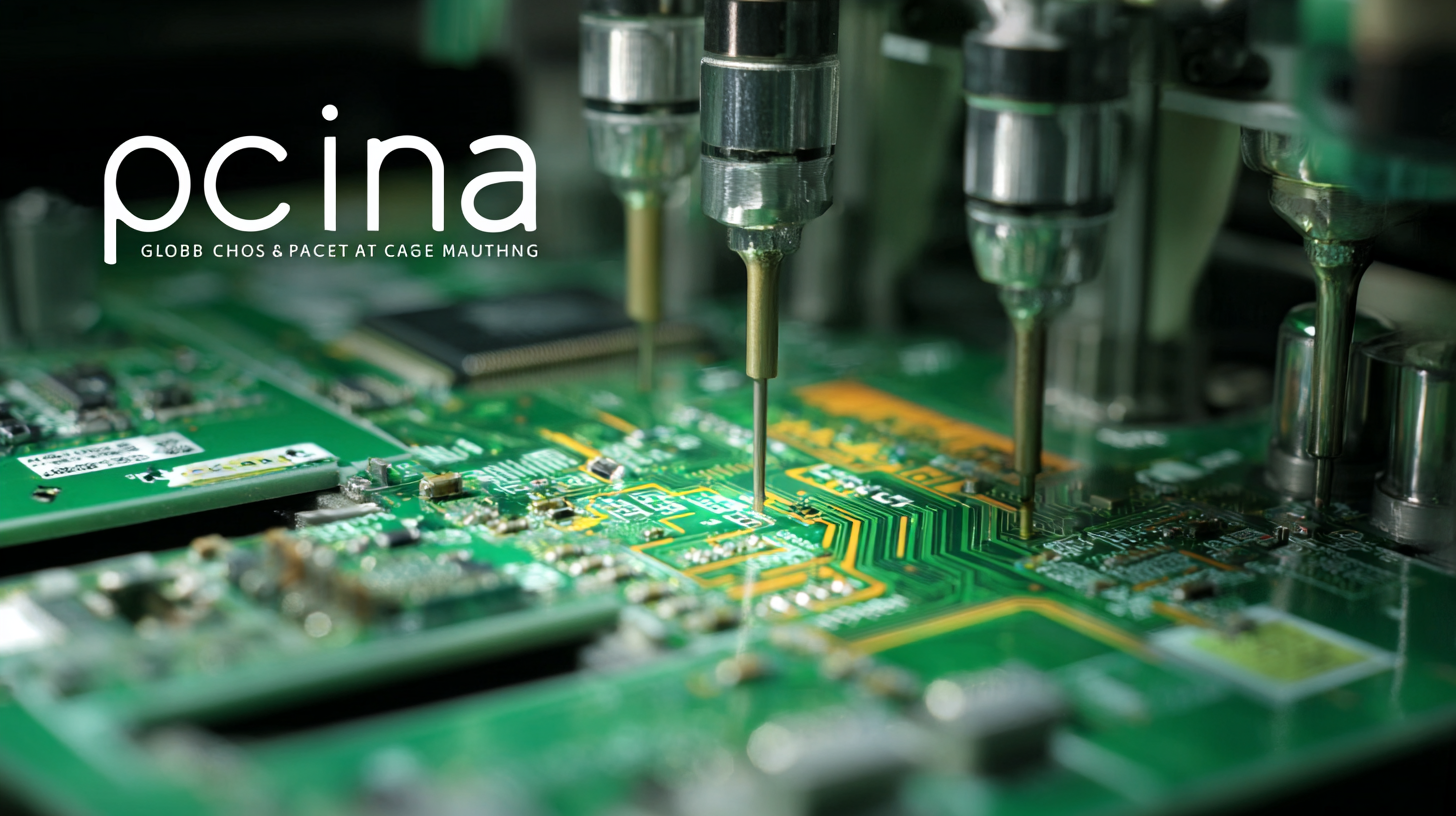
You know, in today's fast-paced electronics manufacturing world, it's hard to overstate just how important high-quality PCB Pick And Place Machines really are. Industry experts are saying that the global PCB assembly market could hit a whopping $100 billion by 2025, and that’s mainly thanks to our never-ending craving for the latest consumer electronics and smart devices. Take companies like MOREL EQUIPMENTS CO., LIMITED., for instance. They've been in the game for over 15 years now, and they've really stepped up their game from just providing accessories to being full-fledged solution experts. Their advanced manufacturing processes are something else! MOREL's innovative pick and place machines, along with their automatic soldering robots and testing equipment, really show what top-notch SMT solutions look like. It's no wonder they’re recognized as major players on the global stage.
The Evolution of PCB Manufacturing Standards in China
Wow, have you noticed how much China’s PCB manufacturing scene has changed in the last two decades? It’s pretty impressive! They’ve really shifted gears from just being the go-to spot for cheap production to becoming a real powerhouse in quality and tech. A recent report from MarketsandMarkets actually predicts that the global printed circuit board market could hit around $85.8 billion by 2025, and you can bet China will have a big chunk of that pie. With the demand for top-notch electronic devices rising, Chinese manufacturers are stepping up their game. They’re integrating advanced automation and precision engineering into their processes, which is quite the leap forward!
One major area where they’ve really upped their game is in implementing strict manufacturing protocols and certifications. You’ll see a lot of companies getting on board with ISO 9001 and IPC standards, and that’s a big deal because it not only guarantees consistent quality but also boosts reliability. This shift puts Chinese manufacturers in a much stronger position globally, aligning them with the best practices out there. And guess what? The performance of those pick and place machines has dramatically improved, which means quicker production times and fewer mistakes on the line.
**Tip:** If manufacturers want to stay ahead in the PCB game, they really need to invest in ongoing training for their teams. It’s crucial to keep them updated with the latest tech and standards. **Tip:** Plus, embracing automation and upgrading equipment can seriously ramp up production efficiency and improve product quality. In such a fast-changing industry, it’s become a must if they want to survive!
Key Features of Premier PCB Pick and Place Machines
You know, with the global demand for printed circuit boards (PCBs) always on the rise, the performance and reliability of pick and place machines are more crucial than ever. That’s why top-notch PCB pick and place machines are crafted to ramp up manufacturing efficiency. They come packed with some pretty cool features like super-fast placement, advanced vision systems for nailing the precise alignment of components, and user-friendly interfaces that make life easier for operators. And let’s be real—automation is really driving productivity forward. Recent reports from the industry are saying that the global market for pick and place machines is expected to grow by about 8% each year. That just shows how essential these machines have become in the world of modern electronics manufacturing.
At Morel Equipments Co., Limited, we’ve got over 15 years of experience in surface mount technology under our belts, and we’re all about offering cutting-edge solutions that fit the changing needs of our industry. Our advanced pick and place machines even come with real-time monitoring systems that help cut down on errors and minimize material waste, ensuring everything runs smoothly. And let’s not forget about our automatic soldering robots and testing equipment—they really help streamline the whole manufacturing process, leading to better quality outputs and faster turnaround times.
**Quick Tip:** When you’re on the hunt for a pick and place machine, it’s good to consider details like the maximum placement speed and the variety of components it can work with—these things have a big impact on your overall production efficiency. Plus, make sure the machine has solid support and service options to keep it performing at its best.
Global Reach of China's Premier PCB Pick and Place Machines: Excellence in Manufacturing - Key Features of Premier PCB Pick and Place Machines
| Feature | Specification | Application | Market Reach |
| Placement Accuracy | ±25 μm | Consumer Electronics | Global |
| Max Board Size | 600mm x 800mm | Automotive | Asia, Europe |
| Speed | 15,000 CPH | Telecommunications | North America |
| Component Size | 0201 to 32mm | Medical Devices | Global |
| Number of Nozzles | 12-32 | Industrial Electronics | Europe, Asia |
| Software | Smart Automation | LED Lighting | Global |
How to Choose the Right PCB Machine for Your Manufacturing Needs
So, when you're on the hunt for the perfect PCB pick and place machine for your manufacturing needs, there are a few things you really need to think about. First off, take a good look at how many units you plan to produce and how complex those PCBs are going to be. You know, according to a report from IPC, the global PCB market is predicted to hit around $81.56 billion by 2024. That’s pretty wild! A lot of this growth is thanks to all the cool advancements in electronics and the rising demand in various industries. Machines that can place components quickly and flexibly—like the ones from some top-notch Chinese manufacturers—can really help you cut down production time and boost your efficiency.
But here's the kicker: you really can't overlook precision and reliability when choosing a PCB machine. Research from Markets shows that a whopping 70% of product failures in the field can actually trace back to issues in PCB assembly. Crazy, right? So, investing in a machine that boasts a high accuracy rate along with solid quality control features is super important. Thankfully, many well-known Chinese brands are stepping up with advanced tech, like machine vision systems, that make sure components are placed just right. This not only reduces defects but also ups the quality of what you’re putting out in your manufacturing operations.
The Impact of Automation on PCB Assembly Efficiency
You know, automation in PCB assembly has really changed the game when it comes to production efficiency. I recently came across a report from IPC, and they estimate that the global PCB market could hit a whopping $79.5 billion by 2025! A big part of this growth is thanks to new automation technologies. One of the most exciting developments has been the introduction of automated pick and place machines. These machines are like the heart of the operation now, letting manufacturers achieve levels of precision and speed that just weren't possible with manual methods. We're talking about placement accuracy of ±0.01 mm! That's huge for cutting down on defects and boosting product quality.
But there's more! A study from the Journal of Electronic Manufacturing showed that using these automated systems on PCB assembly lines can ramp up throughput by as much as 50%! With the demand for electronic products just skyrocketing—think everything from our gadgets to cars—those efficiency improvements are absolutely vital. By cutting down assembly times and labor costs, automation not only makes everything smoother but also helps manufacturers use their resources in a smarter way. This means they can really stay competitive in this fast-changing market. As we keep seeing more of these technologies rolled out, the effect of automation on PCB assembly efficiency is only going to grow.
Global Market Trends and China's Position in PCB Manufacturing
You know, the global market for printed circuit boards, or PCBs as they’re often called, has been really booming lately. It’s all thanks to the tech advancements and the skyrocketing demand for electronics we see everywhere. Now, when you talk about PCBs, you can’t ignore China. This country has really made a name for itself in the manufacturing game, especially when it comes to those high-precision pick and place machines. These machines play a huge role in automating the whole assembly process. I mean, accuracy and efficiency are like the bread and butter of modern electronics, right?
As our gadgets get fancier and smaller, the need for cutting-edge PCB manufacturing tech just keeps climbing. Chinese manufacturers are all in on this—they’re pouring money into innovation and R&D to step up their game. This kind of dedication hasn't just put China on the map as a leader in the global PCB scene; it's also made the country a key part of the supply chain for various industries, ranging from consumer electronics to automotive.
With the rise of smart tech and all those IoT devices coming onto the market, it seems like China’s PCB sector is set to keep growing and making waves. They’re really shaping up the future of global electronics, and I’m excited to see where it all goes!
Challenges and Innovations in the PCB Industry Today
You know, the PCB (Printed Circuit Board) industry is really grappling with some big challenges these days. It's all thanks to the rapid tech advancements and this growing hunger for high-performance electronics. I came across this report from Research and Markets that projects the global PCB market to hit around $100 billion by 2025, which is kinda wild! They're estimating a growth rate of about 5% from 2020 to 2025. So, it's clear there's a serious demand for more advanced PCB technologies, but that also brings a bunch of hurdles, especially when it comes to keeping manufacturing efficient and the supply chain stable.
One major bump in the road is the increasing complexity of PCB designs. Manufacturers need these mini and super integrated electronic circuits, which means they have to figure out how to work with pretty intricate layouts. This calls for high-end pick and place machines that can handle all that complexity with pinpoint accuracy. Plus, there's this ongoing pressure to meet really tough quality standards without breaking the bank. It’s a delicate balance! Luckily, innovations in automation and AI are stepping in to help out. Factories are beginning to bring in smarter machines that can roll with the punches when production conditions change. A report from Gartner mentions that by 2024, a whopping 75% of PCB manufacturers are expected to tap into AI and machine learning to streamline their production processes and beef up defect detection. It’s really about staying competitive in this fast-changing world we're in!
Exploring the Impact of PCB Laser Marking Technology on Manufacturing Efficiency: Insights from Recent Industry Reports
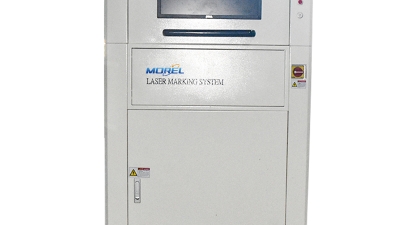
As manufacturing processes evolve, laser marking technology has emerged as a significant contributor to efficiency and productivity in the production line. Recent industry reports indicate that the implementation of PCB laser marking systems can drastically reduce lead times and enhance the precision of markings on circuit boards. This advancement not only improves traceability but also streamlines the overall operational workflow, allowing manufacturers to keep pace with growing market demands.
One noteworthy product in this realm is the Direct Mounting Machine featuring a double track design with a track width of 686mm. This system supports an independent engraving mode, enabling two tracks (A and B) to be engraved simultaneously using distinct machines. This capability not only doubles the production speed but also allows for the execution of diverse engraving tasks concurrently, which is a game-changer for manufacturers looking to maximize output without compromising on quality. Furthermore, with an independent transmission board that eliminates transmission time, manufacturers can optimize their processes and achieve unprecedented levels of efficiency.
Designed to accommodate a variety of PCB sizes, including the versatile double track of 450*250mm and the monorail option of 450*450mm, this machine adapts easily to different production requirements. The integration of such innovative marking technology not only signifies a leap forward for manufacturing efficiency but also sets a new standard for accuracy and operational flexibility in the PCB industry.
FAQS
: Premier PCB pick and place machines are designed for high-speed placement, feature advanced vision systems for precise component alignment, and have user-friendly interfaces, which enhance manufacturing efficiency.
Automation increases productivity by streamlining manufacturing processes, reducing errors, and minimizing material wastage, leading to higher quality outputs and shorter turnaround times.
Key considerations include the maximum placement speed, the range of components the machine can handle, and the availability of robust support and service options to maintain performance.
China is a significant manufacturing powerhouse for PCBs, particularly known for producing high-precision pick and place machines, and has invested in innovation to enhance its capabilities in the industry.
The PCB industry faces challenges related to the growing complexity of PCB designs, the need for stringent quality standards, and the pressure to remain cost-effective amid increasing demand for advanced technologies.
AI is expected to play a critical role in enhancing production processes and defect detection, with a Gartner report indicating that by 2024, 75% of PCB manufacturers will leverage AI and machine learning in their operations.
The global PCB market is projected to grow at a compound annual growth rate (CAGR) of about 5%, reaching approximately $100 billion by 2025.
The demand is rising due to the sophistication and miniaturization of electronic products, necessitating innovation in PCB technologies to meet evolving market needs.
Efficiency can be improved through the integration of real-time monitoring systems, smarter machines that adapt to production conditions, and innovations in automation and AI.
The range of components that a pick and place machine can handle is crucial as it directly affects the machine's versatility and the overall production efficiency in manufacturing.