- Home
- Products
- News
- About Us
- Support center
- Contact Us
inquiry
Leave Your Message
So much importance is attached to quality and reliability checks because of the versatility and speed of the electronics products. This is where the Aoi Inspection Machine comes to full light, as a sophisticated inspection instrument for printed circuit boards (PCBs), within a highly accurate speed. It appeals to electronics manufacturers who are in business for the long haul and may be an addition- potential investment in productivity for world buyers who might want to consider the applications and benefits of AOI Inspection Machines before purchasing. Beyond the general quality control, waste reduction happened as the added benefit of these machines.
Morel Equipments Co., Limited provides total solutions with rich experience spanning over 15 years in the SMT industry, beyond just machinery. One-stop solution-offering for the range of products which includes Pick And Place Machines, automatic soldering robots, ICT&FCT automatic testers, and solder paste equipment. With the integration of AOI Inspection Machines, we can ensure that quality standards are highest in the production line and ultimately home our clients with much greater efficiency and reliability in their manufacturing process.
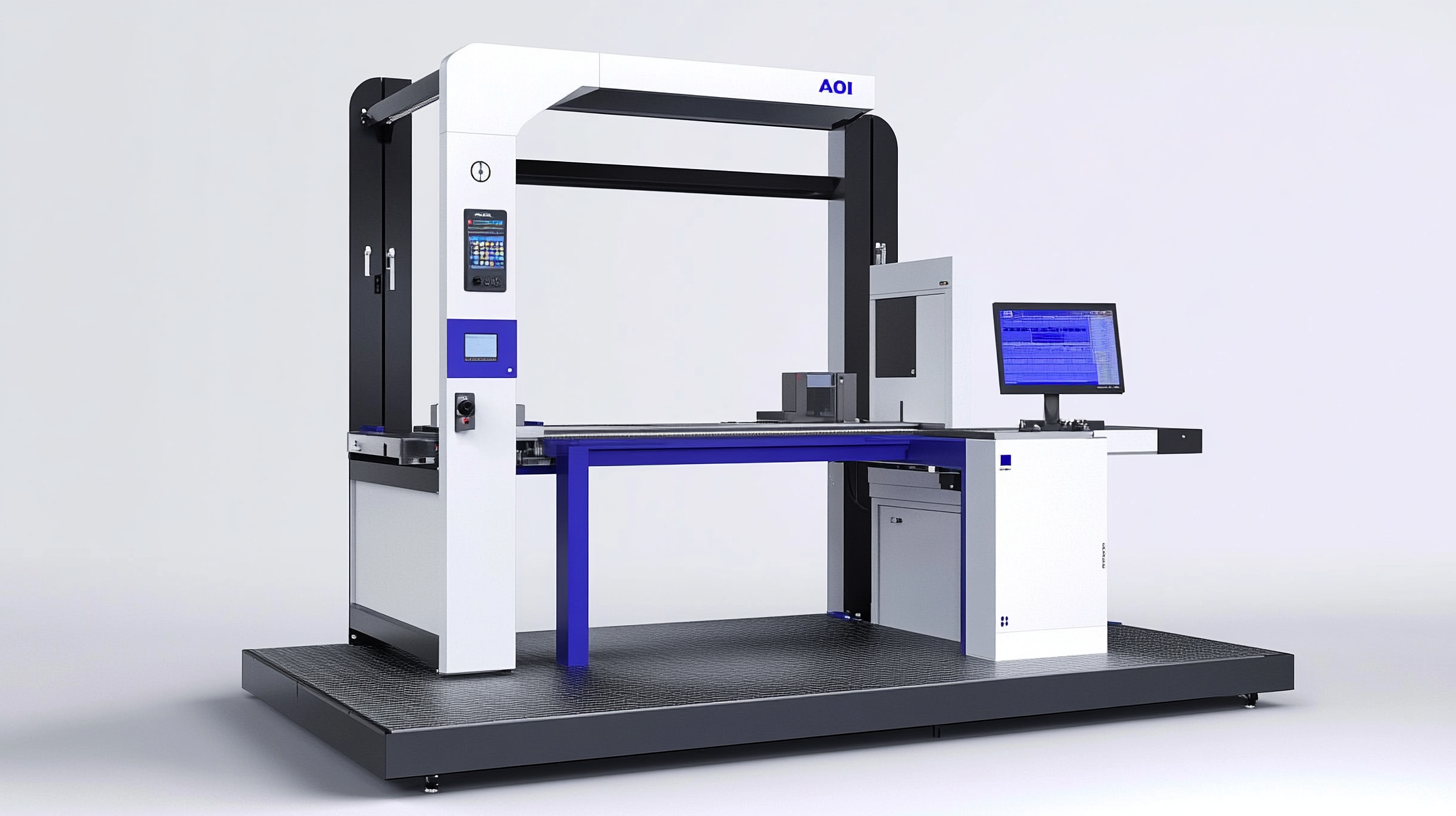
The strong growth trend of Automated Optical Inspection (AOI) machines into the manufacturing stream has enormously changed quality control processes of many major industries like electronics and automotive. The MarketsandMarkets report has given a projection of the AOI market growing from USD 772 million in 2020 to USD 1.24 billion in 2025, with a compound annual growth rate (CAGR) of 10.3%. This rapid growth provides an insight into the demand for high-quality products, going hand-in-hand with the necessity for manufacturers to adopt advanced technologies that ensure efficiency and precise functioning. One major advantage of AOI machines is that they increase inspection speed and accuracy compared to traditional inspection methods. With AOI machines in use for instance in electronics manufacturing, the speed of inspecting the PCBs goes up to 60 cm2 per second, considerably cutting down the duration of the quality assurance processes. The introduction of AOI technology also prevents human errors, thus resulting in lesser repair expenses and waste. According to IPC, companies that use AOI can maintain defect rates below 0.1%, thereby making the case for AOI as crucial for high standards in production. Most importantly, AOI machines can easily be configured to operate across different stages of the manufacturing process. AOI can be used to inspect parts during assembly as well as the final production. AOI systems are becoming popular as industries across global manufacturing learn about the advantages of real-time visual inspection. This marks a defined shift towards automation and digital transitions whereby AOI has thus become one tool that manufacturers can implement to remain competitive in a changing marketplace.
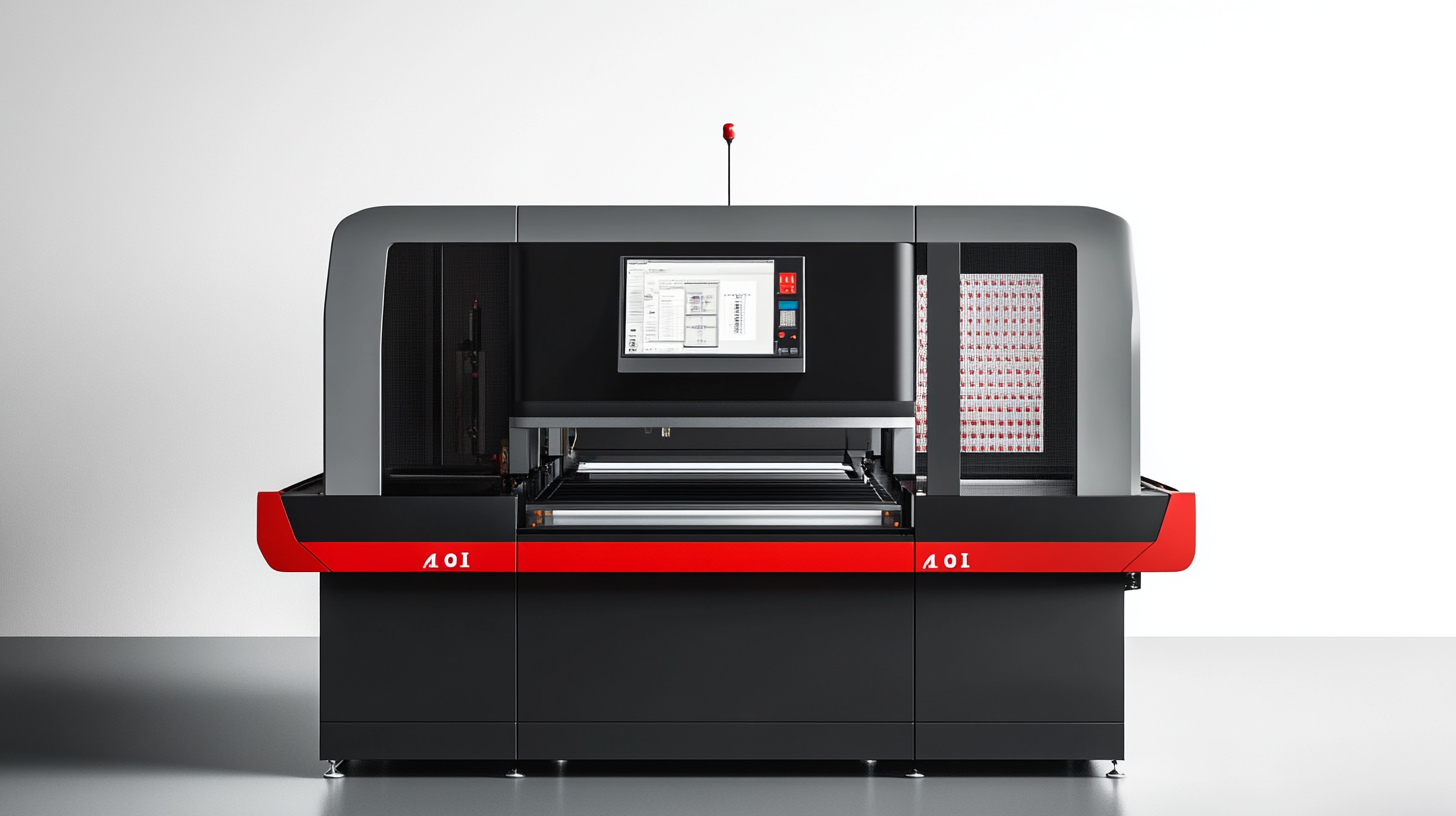
Among the most important trends in the electronics manufacturing industry today is the emerging use of Advanced Optical Inspection (AOI) technology. The principal benefit of the application of AOI inspection machines is found in the enhanced quality control process. Inspection machines make use of high-resolution cameras and advanced algorithms to survey printed circuit boards during their production hence detecting defects in PCBs attributed to the eye of a person. Hence, this automation not only reduces error factors but also promotes inspection speed that permits manufacturers to manage tight-to-production schedules without deviation.
AOI Technology also provides another major aspect that gives real-time feedback. This capacity will be relevant for manufacturers of these processes that want to enhance their levels of efficiency and productivity in the end. The AOI machine monitors production lines to notify the critical issues quickly so that corrective action can be taken. This mode of operation will reduce waste and rework, which save a lot of costs in the longer run. Moreover, the data recorded during the actual AOI inspection could be used for identifying trends to enhance subsequent production processes, ensuring that continuous improvement is instilled for the organization.
However, their versatility has made them applicable in various industries and applications. Such products range from consumer electronics to automotive components but equally ensure that every product manufactured meets the strictest quality standards. Thus, in an ever-increasingly competitive market, thanks to the increasing number of prospective global buyers looking for credible partners in their production with value-adding advantages, successful implementation makes the introduction of AOI further worthwhile for manufacturers in their greatest demand.
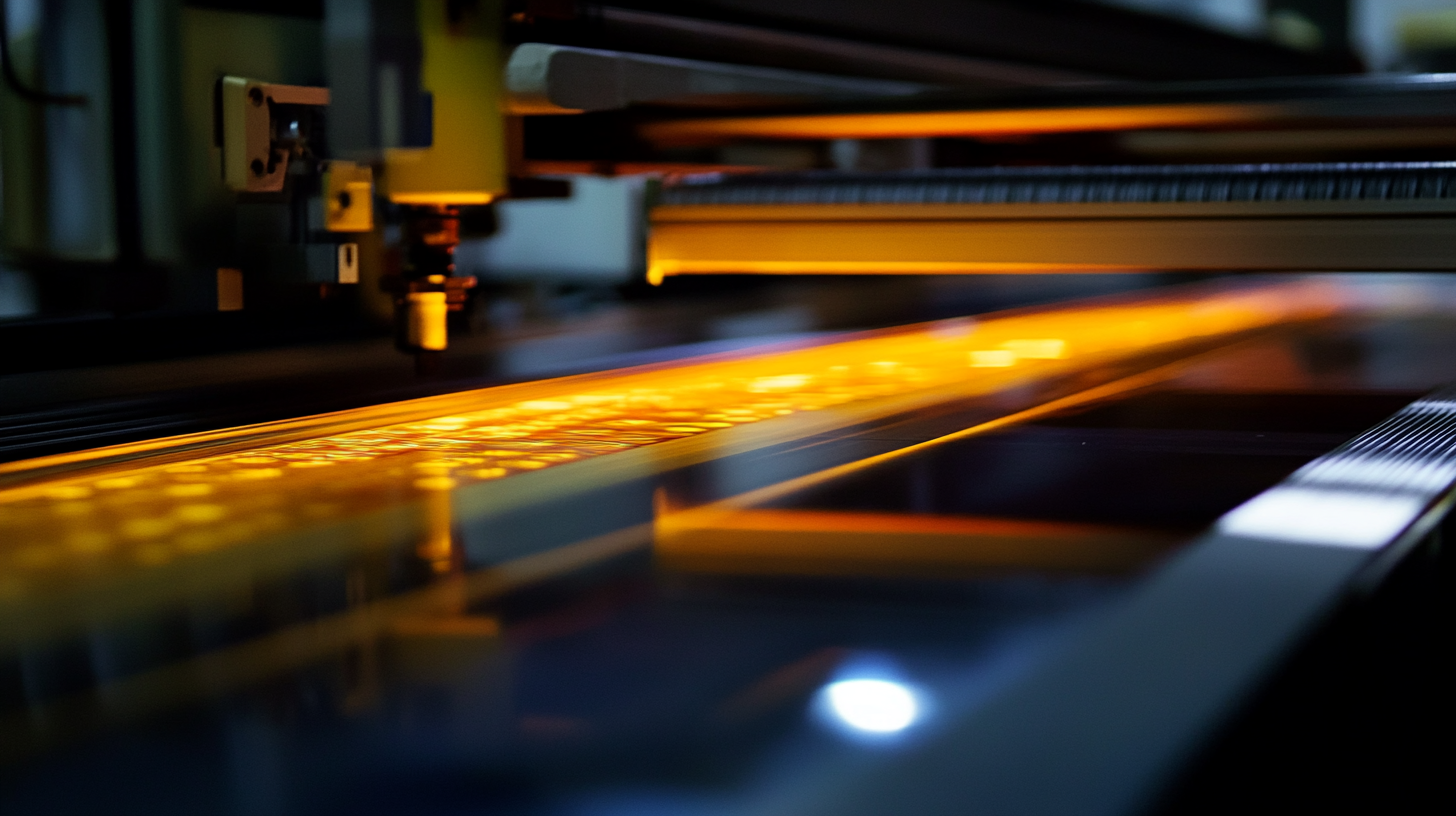
Automated Optical Inspection (AOI)tools are now essential in modern production, especially in the electronics industry. Global market projections estimate that AOI equipment will reach about $1.34 billion by 2026, with a CAGR of 7.5% during 2021-2026. Hence, the attitude of global buyers toward AOI is critical in understanding how these machines improve quality control. During the production stage of electronic devices, AOI machines make use of image processing techniques to inspect solder joints, component placements, and integrity of boards through automation. This mitigates defects before satisfying the consumer.
Embedding the AOI systems directly into production lines greatly reduces inherent fallibility, which could account for roughly 75% of quality control shortfalls, industry words say. By automating inspections, manufacturers can achieve high defect detection rates as much as 98%, thus substantially lowering rework and warranty claim costs. AOI machines, with their great data collection capabilities, also log inspection details useful in revealing persistent problems and effectively directing continuous improvement efforts in the manufacturing process.
AOI's application allows for the inspection not only during final assembly but also during the whole production process, including after PCB fabrication and before packaging. Such capacity enhances manufacturers' ability to implement holistic quality assurance. As electronics continue to become miniaturized and built with intricate designs, the importance of AOI machines cannot be overstated in achieving consistent product quality and reliability that drives satisfaction with a product and reputation of a brand.

Now viewing the automated optical inspection technologies and associated mediums and equipment that have come to the value addition of improving quality assurance processes in industries, particularly electronic manufacturing, such technologies and systems are quite varied in type. This variety makes them applicable across a plethora of applications, unique benefits, and advantages to address the requirements of certain challenges. For example, a common utilization of such a system is that of 2D AOI systems, which are made to enhance speed delicate yet quick detection of defects such as solder and dimension misalignments in printed circuit boards. The manual labor and errors have been reduced dramatically by these inspections carried out using high-resolution cameras and intelligent algorithms and delivering an accurate and efficient inspections.
However, with the introduction of the 3D AOI inspection technologies, quality control has moved beyond two-dimensional -depth perception added into the inspection. The added dimension increases accuracy, particularly in the detection of defects when these cannot be discerned from 2D images alone. Component height and volume can be measured so manufacturers can guarantee components not only are in position, but also their physical characteristics are as intended, which they have delineated in order to meet stricter standards of the industry. Such technology would be most relevant in complex assemblies constructed from different components of various sizes and shapes.
Coupled with the democratization of machine learning and artificial intelligence results, the features have now been extended further to get systems into being intelligent AOI systems. Not only are they made intelligent for inspection capabilities improvement through data analysis and pattern recognition features, but they are also made more efficient and less likely on portraying false positive inspection iterations by increasing learning capability from previous inspections as they move along. Innovations to AOI technologies thus inform global buyers who want to practice investing on this front to witness improved and more highly defined processes in manufacturing and product offering for high first-pass quality and customer satisfaction even in increasingly competitive markets.
AOI systems have revolutionized many industries, particularly concerning their quality control process. In the electronics industry, AOI systems are used to detect defects in PCB assembly, ensuring every component is rightly placed and working before final assembly. This helps in reducing product failure and keeping the manufacturing processes smooth and time-efficient and cost-effective.
In the automotive industry, AOI systems inspect circuit boards and connectors. They help maintain a high level of quality in the manufacturer that is very important for safety-critical systems. The ability to quickly change inspection parameters enables manufacturers to also quickly switch production lines to meet the needs of the market.
They are also penetrating aerospace and medical, where component integrity is of utmost importance. Here, AOI machines inspect parts for visual defects as a step towards ensuring compliance with stringent regulatory standards at these levels. The increasing embrace of digital transformations will in turn facilitate increased adoption of AOI machines, rendering these processes adjudged as indispensable for quality management of production environments around the globe.
The implementation of automated optical inspection [AOI] machines can meet with various challenges that manufacturers need to negotiate in order to derive maximum benefits out of the technology. One major challenge has been the integration of AOI systems into existing production lines. IPC (Institute of Printed Circuits) has indicated that 30% of manufacturers report issues in getting the system up and running and calibrated, usually due to unavailability of trained personnel. Training programs and an orderly phasing into production will lessen the negative impact by training operators about the capabilities and limitations of the technology.
Another challenge concerning AOI machines is their initial high price, with estimation by market research company MarketsandMarkets indicating that the AOI market will undergo growth from $1.3 billion in 2020 to $2.2 billion by 2025, signifying a potential shift towards increasing investment. On one hand, this seen cash layout is, however, a challenge for SMEs. On the other hand, various flexible financing models can be adopted like lease-to-own schemes, allowing companies to weigh the possible return of investment before making a full capital commitment.
After all, the developments in software algorithms for AOI systems can present some challenges for the systems to properly detect any defect, especially for high-density PCBs assembly. A report by TechSearch International claimed that as component density goes up, if the software is not well-optimized, the detection rates can lower by as much as 15%. Constant update and modification of custom algorithms, backed by machine learning, can boost the inspection accuracy greatly, thereby helping manufacturers in retaining quality without compromising on production efficiency,
The advancement of Automated Optical Inspection (AOI) machines is changing the electronics manufacturing landscape, especially as the demand for high-quality inspection solutions increases worldwide. According to industry analysts, the AOI market is poised to reach around 10.5% CAGR during 2023-2030, which showcases the technology's importance in quality assurance processes. The key drivers for this growth are the increasing complexity of electronic assemblies and the demand for greater efficacy in defect detection methods.
Some key future trends that will shape the future development of AOIs include enhanced AI integration and machine learning algorithms for true fast and precise inspection. With AI and machine learning, manufacturers could achieve better-than-ever defect identification rates while reducing the average inspection time by up to 40%. In addition, advanced imaging techniques and multi-angle inspections will facilitate the evaluation of complex components, thus enhancing product reliability.
An important trend is the widespread shift toward real-time data analysis and connectivity. In the era of increasing IoT (Internet of Things) integration, AOI machines would transform into a system of interconnected smart devices that will not only detect faults but also generate valuable insights to enhance production optimization. Therefore, this shift is projected to decrease rework costs by as much as 30%, thus magnifying the role of AOI in ensuring operational efficiency. The role of AOI inspection machines will further grow in importance as the global electronics manufacturing industry continues to expand for improved quality and productivity.
Powerhouse ASIAN countries are home to manufacturing plants of many product leaders such as Samsung, Sony, and Apple – and automatically convert the hopes of all competitive global buyers into reality by facilitating finding mechanisms of innovative resources promising elevated competitive advantage. Automated Optical Inspection (AOI) machines provide a solid foundation as they deliver high-quality production and eliminate high defection rates. According to Markets and Markets, the AOI report mentions that the market will grow from USD 1.39 billion in 2021 to USD 2.43 billion by 2026, reflecting the fact that precision in manufacturing processes will soon skyrocket the demand for using these machines.
The best feature of AOI systems is that they are able to perform inspection in real time, which greatly improves production efficiency. Furthermore, they allow the detection of defects at different phases of manufacturing to address problems beforehand; hence, there is reduced wastage and the optimized use of resources. IPC conducted a study that proved that implementing AOI within a manufacturing system could result in as much as 40% reduction in operational costs over time. This ultimately results in high profits for global buyers implementing these technologies.
In addition, AOI machines are flexible, thus they can be included in a production line of any kind; from printed circuit board assembly to inspection of the end product. As more and more industries demand stringent compliance to quality norms, adopting AOI technology may turn out to be more compelling and even mandatory. Buyers adopting these systems will be able to ensure compliance with international quality standards and further enhance their positions in the global marketplace. Adopting AOI solutions is, therefore, not a choice but rather a strategic compulsion from this point onwards for buyers that want to remain ahead of the competition in an increasingly ambushed industry environment.
The primary benefit of AOI inspection machines is their ability to enhance quality control processes by identifying defects during production, improving accuracy and inspection speed.
AOI machines provide real-time feedback, allowing manufacturers to quickly highlight issues and implement immediate corrective actions, which reduces waste and rework.
AOI inspection machines are versatile and are suitable for a diverse range of applications across various industries, including consumer electronics and automotive components.
The AOI market is expected to grow at a compound annual growth rate (CAGR) of around 10.5% from 2023 to 2030.
The integration of AI and machine learning is set to revolutionize AOI inspections by significantly improving defect identification rates and reducing average inspection times by up to 40%.
Real-time data analysis allows AOI machines to evolve into interconnected systems that not only detect faults but also provide actionable insights for production optimization.
AOI technology helps reduce rework costs by up to 30% and enhances overall operational efficiency, making it crucial for manufacturing quality and productivity.
AOI machines are utilizing advanced imaging techniques and multi-angle inspections to improve the evaluation of intricate components and enhance product reliability.
Implementing AOI inspection machines offers a compelling competitive advantage by ensuring products meet stringent quality standards, which is critical for gaining buyer trust in a demanding market.
Key trends include the enhanced integration of AI, increased focus on real-time data analysis, and the need for more efficient defect detection methods due to rising complexity in electronic assemblies.