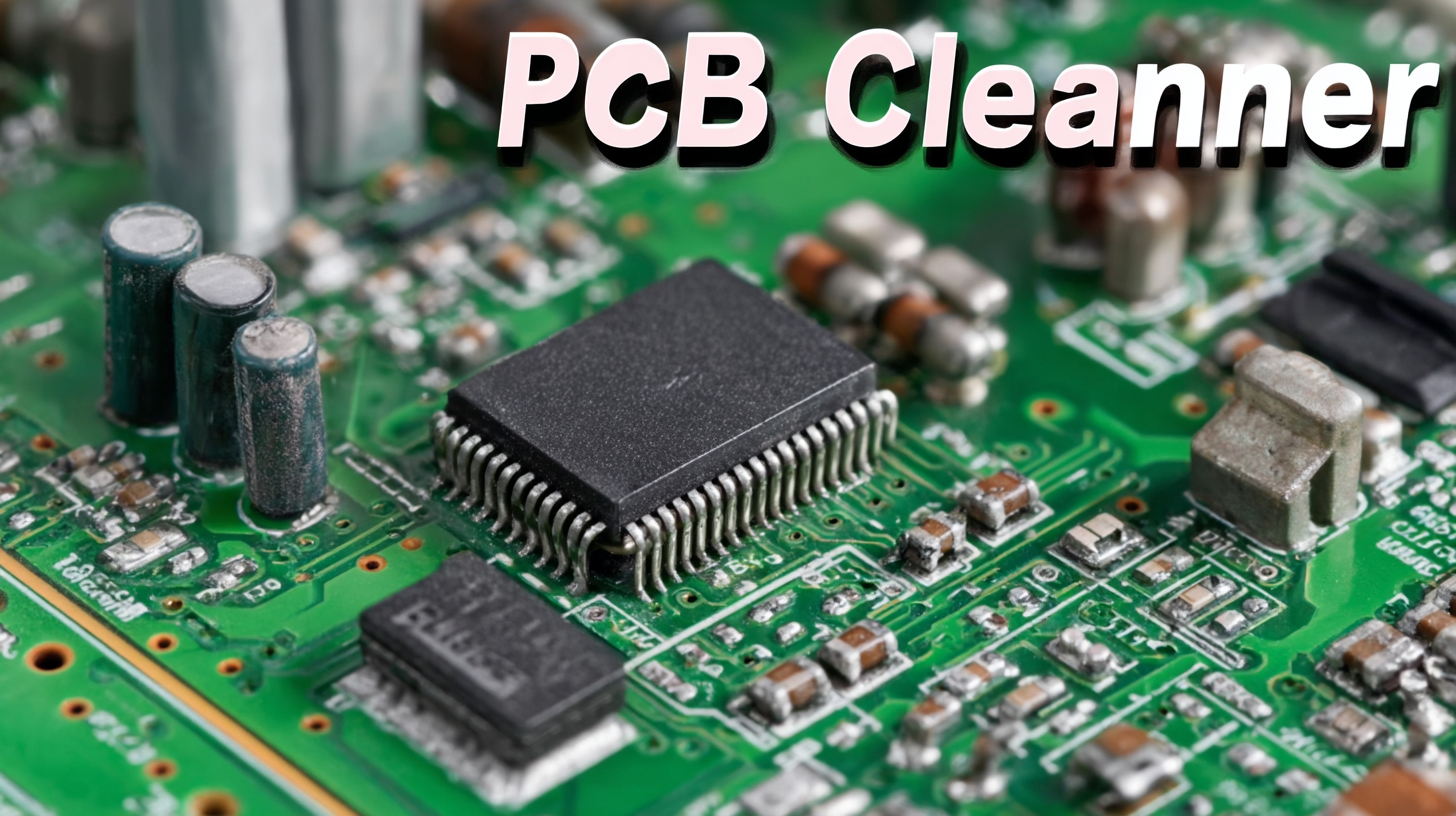
You know, in today’s fast-paced electronics world, keeping Printed Circuit Boards (PCBs) clean is super important if we want our electronic components to last and work reliably. A recent industry report even found that almost 25% of electronic failures are due to dirt and grime on these boards! That really shows how crucial it is to use the right Pcb Board Cleaners.
At Morel Equipments Co., Limited, we’ve been in the Surface Mount Technology (SMT) game for over 15 years, and we totally understand how important good cleaning is to boost the performance and lifespan of electronic devices. It’s pretty amazing how we’ve evolved from just providing accessories to now being a full-fledged solution provider. We’re all about innovative cleaning solutions, and we pair that with our Pick And Place Machines and automatic soldering robots.
So, in this blog, we're going to dive into the 7 best PCB Board Cleaners out there right now and how they can really make a difference in extending the life of your electronic components!
Importance of PCB Cleaning for Electronics Durability
You know, keeping those printed circuit boards (PCBs) clean is super important if you want your electronic components to last. Over time, stuff like dust, moisture, and leftover junk from manufacturing can build up on PCBs. And that buildup? It can lead to short circuits or even corrosion, which is definitely not what you want. It can really mess with how well your devices work, making them fail earlier or just not operate as they should. So, cleaning your PCBs regularly isn’t just some boring chore—it’s a big deal for making sure those components do their job well throughout their intended lifespan.
Now, when it comes to cleaning agents for PCBs, you want to choose the right ones. There are specific solvents made for electronics that can break down that sticky flux residue and clear away other gunk without harming the delicate parts. By putting in a bit of effort and resources into this cleaning routine, manufacturers and engineers can really boost the lifespan of their products. Taking this proactive approach not only helps keep those electronic components in tip-top shape but also ramps up overall performance. You can see why this is super important for industries that depend so much on reliable electronics!
Types of PCB Cleaners: Solvents, Aqueous, and Biodegradable Options
When it comes to cleaning PCBs, picking the right cleaner is super important if you want your electronic components to last. There are basically three main types of PCB cleaners: solvents, aqueous cleaners, and the biodegradable options. Now, solvent-based cleaners definitely get the job done, but they come with their fair share of worries about how safe they really are for the environment. On the flip side, aqueous cleaners are kind of a breath of fresh air—they use water as their main solvent, which helps cut down on harmful emissions, so that's a win for sustainability.
Lately, there have been some cool advancements in aqueous solutions that show they can do more than just clean. For instance, check out these new aqueous-based electrolytes in zinc batteries; they have this amazing ability to provide stable interfaces and really up the performance game, especially with their impressive cycling stability. Plus, there’s this whole exploration of ionic liquids and deep eutectic solvents that signals a move towards greener methods, making extraction processes way more efficient without the disposal headaches that come with traditional organic solvents. All these innovations aren’t just random—they’re part of a bigger trend in various industries pushing for sustainable practices. And at the end of the day, it’s all about choosing PCB cleaners that keep your electronics safe while also keeping our planet in mind.
Assessing the Environmental Impact of PCB Cleaning Agents
You know, the types of cleaning agents we use for printed circuit boards (PCBs) are super important for keeping electronic components working well for a long time. But here's the thing: we really can't ignore the environmental impact of those cleaners. A lot of the traditional PCB cleaners are packed with nasty solvents that can seriously pollute our air and water, which is a big deal for ecosystems and our health. So, it's really crucial to think about their environmental footprint, especially when we're trying to strike a balance between getting things clean and being kind to our planet. Companies in the electronics manufacturing world are starting to look for greener alternatives that don’t sacrifice performance but still help lessen the harm to our environment.
On a bigger scale, the whole issue of electronic waste (e-waste) management is pretty daunting. E-waste keeps piling up at an astonishing rate, and the environmental issues it brings along are becoming more obvious – think about toxic leachate messing up our soil and water, or the hazardous air pollutants that sneak out during recycling operations. Some really creative solutions for e-waste recycling are popping up, like hydrometallurgical methods that help recover precious metals such as gold. This is a step in the right direction! By mixing eco-friendly PCB cleaners with responsible e-waste recycling practices, companies can really help steer the electronics industry toward a more sustainable future, showing they care about both quality and protecting the environment.
Impact of Different PCB Cleaners on Component Longevity
Industry Standards and Best Practices for PCB Maintenance
 Keeping printed circuit boards (PCBs) in tip-top shape according to industry standards is super important if we want our electronic components to last. Regular cleaning and maintenance? Yeah, they’re key. Not only do they boost performance, but they also help prevent any nasty failures down the line. And with more manufacturers jumping on the sustainability bandwagon, the way we care for PCBs is changing too—aiming to cut down on waste and be kinder to our planet. You know, a lot of companies are gearing up to step up their sustainability game soon, which really shows that we're all in this shift towards more responsible manufacturing together.
But here’s the thing: if we adopt good practices in PCB maintenance, we can seriously enhance the reliability of our electronic systems. Take automated optical inspection (AOI), for example—it’s being woven into assembly processes now to ensure we get consistent, high-quality results. Manufacturers who get on board with these advancements can look forward to lower defect rates and longer-lasting products. So, as organizations chase operational excellence, aligning PCB maintenance with the latest standards will be super crucial to delivering solid and sustainable electronic solutions.
How Proper Cleaning Techniques Enhance Component Performance
You know, keeping your electronic components on PCB boards clean is super important if you want them to work well and last a long time. Over time, dust, grime, and all sorts of gunk can build up, which can lead to issues like increased resistance and overheating. And let's be real, nobody wants their components to fail unexpectedly! Thankfully, using specialized PCB board cleaners can really help technicians get rid of those pesky contaminants, making sure those electrical connections stay clear and functioning. This not only boosts the efficiency of the components but also helps reduce those annoying surprise failures while they're in use.
On top of that, if you make regular cleaning a part of your maintenance routine, you could really make your electronic devices last longer. I mean, contaminants can lead to corrosion and other kinds of damage that can mess with not just individual parts but the whole PCB performance too. So, by including cleaning in the regular upkeep, companies can boost the reliability of their devices, which means less money spent on repairs and less downtime. When done correctly, those right cleaning techniques do a great job of protecting the physical integrity of the components while also keeping them running smoothly over time.
Choosing the Right PCB Cleaner for Specific Applications
Picking the right PCB cleaner is super important if you want your electronic components to last. A report from IPC, which is kind of the go-to organization for electronics standards, mentions that not cleaning printed circuit boards (PCBs) properly can cause all sorts of issues, like increased failures and lower reliability. Good cleaning solutions really help out by getting rid of nasties like flux residues, dust, and oils—stuff that can mess with electrical connections and even lead to overheating. Plus, recent studies show that using the right cleaner can actually boost the lifespan of PCBs by around 30%, which totally has an impact on how well the whole product performs.
Now, when it comes to different applications, you’ll find that you need specific types of PCB cleaners. For example, solvent-based cleaners are a go-to for tackling heavy flux residues in high-contact areas, but if you’re looking for a general clean without leaving behind any conductive leftovers that could cause short circuits, water-soluble cleaners are the way to go. According to a study by the American National Standards Institute (ANSI), picking the right cleaning method not only boosts the reliability of connections but also helps keep sensitive components intact, which can reduce failure rates by as much as 40%. So, making sure you choose the right PCB cleaner based on what you need is really essential for keeping your electronic devices durable and effective.
Enhancing PCB Production Efficiency: Insights from the Latest Industry Reports on the Impact of the PCB Depaneling Router CMQ360
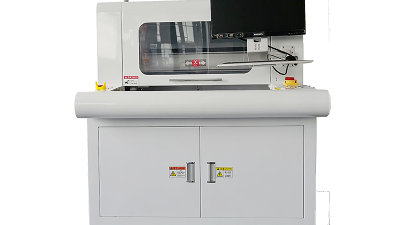
In the rapidly evolving landscape of PCB production, efficiency is paramount. The recent insights from industry reports highlight the significant advantages of employing advanced technologies, particularly the PCB Depaneling Router CMQ360, which stands at the forefront of this innovation. Its dual high-speed camera auxiliary programming system not only simplifies the programming process but also enhances precision, allowing operators to achieve optimized results with ease.
The CMQ360's high-speed CCD vision automatic correction system further elevates its performance by ensuring exceptional cutting accuracy. This feature, combined with the high-speed spindle designed for low splitting stress, guarantees that even intricate circuit board shapes are handled with remarkable precision. Moreover, its dual-table movement capability allows manufacturers to simultaneously process two different products, significantly boosting overall workflow efficiency and throughput.
Additionally, the advanced design of the CMQ360 includes a noise-reduced external dust collection cabinet, which not only ensures a cleaner working environment but also minimizes operational costs through reusable integrated bags. Operating on a user-friendly Windows system, the CMQ360 stands as a safe and stable solution that is easy to learn, making it an ideal choice for manufacturers looking to enhance their PCB production capabilities.
FAQS
: The main types of PCB cleaners are solvents, aqueous, and biodegradable options.
Solvent-based cleaners are effective but often raise concerns regarding their environmental impact and safety.
Aqueous cleaners utilize water as a primary solvent, which minimizes hazardous emissions and offers a more sustainable alternative.
Recent advancements include the development of novel aqueous-based electrolytes that enhance performance metrics and achieve impressive cycling stability.
There is a shift towards greener methodologies, such as the use of ionic liquids and deep eutectic solvents, which facilitate efficient extraction processes with reduced disposal issues.
Maintaining PCBs according to industry standards is essential for ensuring the longevity of electronic components and improving reliability.
Regular cleaning and techniques like automated optical inspection (AOI) can significantly improve PCB maintenance and product reliability.
A significant percentage of companies plan to ramp up their sustainability efforts to reduce waste and environmental impact in PCB maintenance.
Manufacturers that embrace best practices can expect lower defect rates and longer product lifespans.
Aligning PCB maintenance practices with the latest standards is critical for delivering robust and sustainable electronic solutions.