When it comes to PCB assembly, picking the right SMT Pick And Place Machine is super important. With so many options out there, it can feel a bit overwhelming trying to choose the best one. But honestly, your decision can really make a difference in how productive and cost-efficient your manufacturing process turns out. These machines basically do the heavy lifting—automatically placing tiny electronic parts onto your circuit boards—saving you time and reducing those annoying human errors. As electronics get more complex and compact, finding a machine that fits your specific needs isn't just helpful; it’s kinda essential.
In this article, I’ll walk you through the main things you should think about when choosing an SMT pick and place machine. We’ll cover everything from figuring out your production volume and the types of components you’re working with to checking out the features and tech the machines offer. The goal is to help you make smarter choices so that your investment really pays off and your PCB assembly runs smoothly. Whether you’re just starting out with small-scale production or you’re a bigger outfit looking to level up your equipment, I promise this guide will help you navigate all the options out there and find what’s right for you.
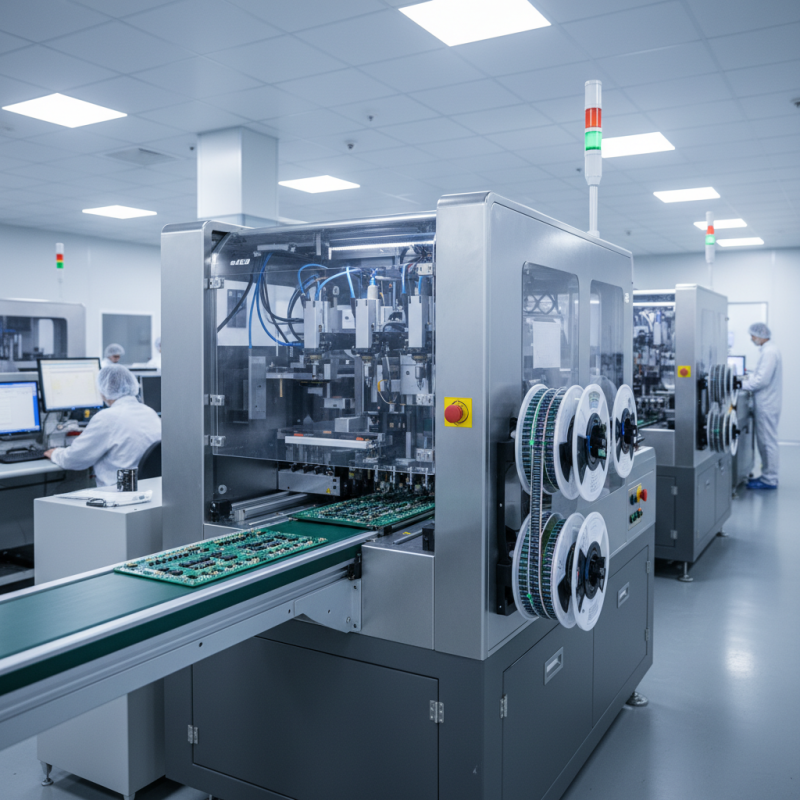
Understanding the Basics of SMT Pick and Place Machines
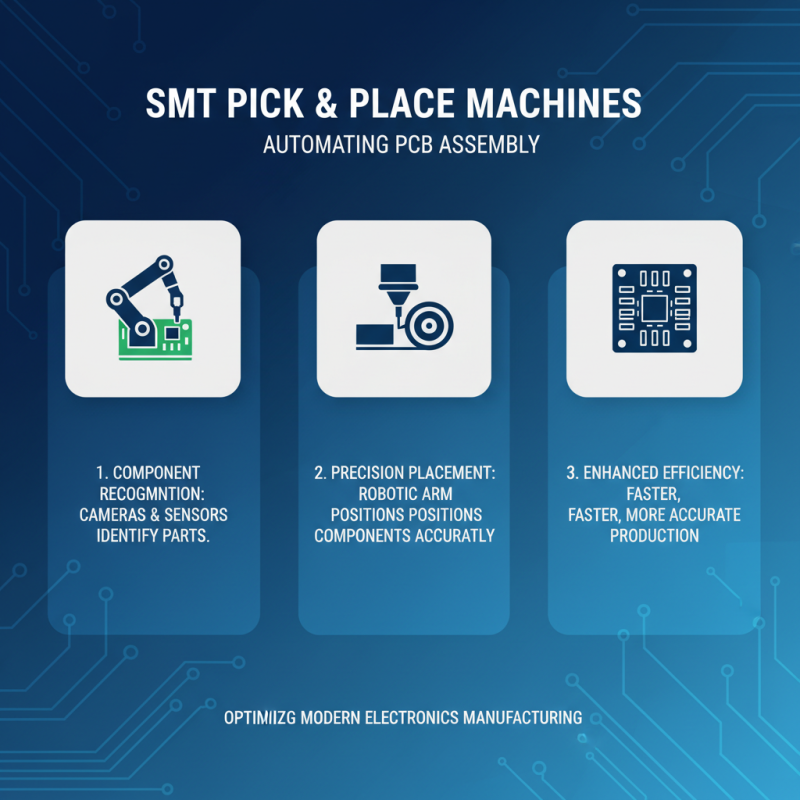
Surface Mount Technology (SMT) pick and place machines play a crucial role in modern PCB assembly processes. These machines automate the placement of components onto printed circuit boards, enhancing efficiency and accuracy compared to manual assembly methods. Understanding their basic functions is essential for manufacturers looking to optimize their production lines. At the core, SMT pick and place machines utilize a series of cameras and sensors to identify and position components accurately, ensuring that each part is placed in its designated spot without misalignment.
There are several key factors to consider when selecting an SMT pick and place machine for your needs. Firstly, evaluate the machine's speed and precision, as these attributes significantly influence overall productivity. Additionally, consider the machine's capability to handle various component sizes and types, which is vital for diverse PCB designs. The ease of programming and operation is another important aspect; a user-friendly interface can dramatically reduce setup time and operator training. By thoroughly understanding these basics, manufacturers can make informed decisions that align with their assembly requirements and ultimately enhance their production efficiency.
Key Factors to Consider When Selecting SMT Equipment
When selecting the right SMT pick and place machine for your PCB assembly needs, several key factors must be prioritized to ensure you make an informed decision. First, consider the production volume and the types of PCBs you will be assembling. High-volume production lines might benefit from faster, more automated machines that enhance efficiency, while low-volume needs could be served well by more versatile, manual systems. The variety of components involved is also crucial; machines that can handle various sizes and types of components often provide more flexibility for changing projects.
Tip: Evaluate the machine’s speed in both placement and board handling, as this can greatly impact your overall production times. A machine that works at a higher throughput can reduce lead times and improve your operational effectiveness.
Another vital aspect is the machine's programming and setup capabilities. Look for equipment that offers intuitive interfaces or software to reduce downtime during initial setup or when switching between different PCB designs. This ease of use can significantly affect the learning curve for operators and the overall productivity of your assembly line.
Tip: Always prioritize user-friendly programming features, as they can alleviate training efforts and help your team adapt quickly to the technological demands of modern PCB assembly.
Factors to Consider When Choosing SMT Pick and Place Equipment
Evaluating Your PCB Assembly Volume Requirements
When selecting the right SMT pick and place machine for your PCB assembly needs, understanding your assembly volume requirements is paramount. The first step in this evaluation process is to assess the current and projected production volumes of your PCBs. If you have a high volume of components and require rapid processing speeds, investing in a high-capacity machine with advanced features may be beneficial. This can significantly enhance your production efficiency, reduce lead times, and ultimately lower costs.
Conversely, for low to medium-volume production, flexibility is often more crucial than sheer speed. In such cases, opt for machines that allow for quick changeovers and adaptability to different circuit board designs. These machines typically offer a range of features to handle various component sizes and types, ensuring that you can meet diverse customer demands without a substantial investment in multiple systems. Therefore, analyzing both current needs and future scalability can help ensure that your chosen machine not only meets your operational standards but can also evolve alongside your business requirements.
Assessing Precision and Accuracy Requirements for SMT Machines
When selecting an SMT pick and place machine for PCB assembly, the precision and accuracy of the equipment are critical factors to consider. Precision refers to how closely a machine can repeat a specific placement over time, while accuracy entails how close the placement is to the intended position on the PCB. High precision and accuracy are essential to ensure that components are correctly placed, which directly impacts the overall functionality and reliability of the final product.
To assess the precision and accuracy requirements for your PCB assembly needs, it is crucial to evaluate the types of components being used, as well as the complexities of the PCB design. For instance, high-density boards or components with tight tolerance specifications will necessitate a machine that can operate with both high precision and accuracy. Additionally, consider the production volume; high-volume productions may benefit from machines designed for speed without sacrificing the quality of placement. By thoroughly understanding your specific requirements, you can make an informed decision about which Smt Machine will best meet your operational goals.
Exploring Different Types of SMT Pick and Place Machines
When selecting the right SMT pick and place machine for your PCB assembly needs, it’s essential to explore the different types available in the market. Generally, these machines are categorized into three primary types: manual, semi-automatic, and fully automatic pick and place machines. Manual machines require skilled operators to place components, making them suitable for low-volume production or prototyping, where precision is key. According to a 2022 market analysis by Research and Markets, the manual assembly segment has seen a resurgence due to the growing demand for customized PCB designs in small scales.
Semi-automatic machines offer an intermediate solution, featuring some automation to assist operators, usually with a more significant focus on reducing assembly time while maintaining quality. These machines are ideal for medium-volume production, as they strike a balance between efficiency and cost. A recent report from MarketsandMarkets highlighted that the semi-automatic segment is expected to witness a CAGR of 5.2% through 2027, driven by advancements in component feeding and placement technologies.
Fully automatic pick and place machines are designed for high-volume production and incorporate advanced features such as vision systems for precise component placement, automated programming, and integration with other manufacturing processes like soldering. The industry is moving towards fully automated solutions, as highlighted in a 2023 study by Allied Market Research, which predicted that the market for fully automatic machines will grow significantly, reaching a valuation of over $8 billion by 2025. This trend emphasizes the need for companies to consider not only their current volume but also future scalability when deciding on the type of SMT pick and place system to invest in.
Budgeting for Your SMT Pick and Place Investment
When budgeting for your SMT pick and place investment, it's essential to consider not only the initial purchase price but also the long-term costs associated with operation, maintenance, and potential upgrades. According to industry reports, the total cost of ownership for an SMT machine can be significantly higher than just the purchasing costs, with estimates suggesting that operational costs can constitute over 60% of the total expenditure across the machine's lifecycle. This includes expenses related to labor, maintenance, and the cost of replacement parts.
One key tip when budgeting is to perform a cost-benefit analysis to compare different models based on their speed, accuracy, and support capabilities. For instance, while a more expensive machine may have a higher initial investment, its efficiency and lower defect rates can lead to substantial savings in the long term. Additionally, training for staff on how to optimally use the machine may incur costs that should be factored into your overall budget, as effective operation can dramatically improve production rates and reduce the risk of errors.
Another consideration is the adaptability of the machine to future needs. As our industry evolves, with trends such as increased automation and the shift towards smaller components, investing in a machine that can accommodate a range of applications can provide more value over time. Research indicates that companies that prioritize flexibility can see a return on investment of up to 30% in increased productivity. Therefore, aligning your budget with not just current requirements but also future scalability will enhance the longevity and effectiveness of your SMT pick and place equipment.
Aligning Machine Features with Your Production Goals
When selecting the right SMT pick-and-place machine for your PCB assembly needs, it's essential to align the machine features with your specific production goals. With the global PCB assembly market projected to reach approximately $100 billion by 2027, as reported by industry analyses, manufacturers must ensure that their equipment can handle increasing production demands while maintaining quality. The optimal machine should offer flexibility, speed, and precision to meet diverse assembly requirements.
One key consideration is the machine's throughput capabilities. For high-volume production environments, a machine with a speed of over 20,000 CPH (components per hour) can significantly enhance efficiency and reduce lead times. Additionally, the pick-and-place machine should support a variety of component types and sizes, indicated by the trend towards modular design in SMT equipment. According to a recent market study, around 40% of manufacturers prioritize versatility to adapt to changing product lines without incurring substantial downtime.
Moreover, integration with advanced software options can streamline the setup and programming processes, ensuring your production goals are met swiftly while minimizing errors. A report from an industry leadership group highlighted that companies employing smart manufacturing practices, including automated programming and real-time monitoring, experience up to 30% reductions in operational costs. Therefore, evaluating machine features against production objectives is crucial in achieving both efficiency and cost-effectiveness in PCB assembly.
How to Choose the Right Smt Pick Place for Your PCB Assembly Needs - Aligning Machine Features with Your Production Goals
| Feature | Description | Importance | Recommended for |
| Placement Accuracy | The precision of component placement on the PCB. | High | High-density assemblies |
| Speed | The number of components placed per hour. | Medium | Mass production |
| Flexibility | Ability to handle various component types and sizes. | High | Prototyping and low-volume production |
| User Interface | Ease of use for operators. | Medium | All users |
| Cost | Overall financial investment required. | High | Budget-conscious projects |
Optimizing PCB Production Efficiency with SMT Dual Lane PCB Conveyors Featuring PLC Technology
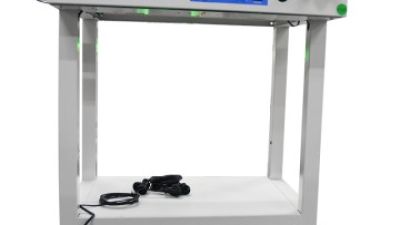
In the fast-paced world of PCB production, efficiency is paramount. The integration of SMT dual lane PCB conveyors that utilize PLC technology can significantly optimize manufacturing processes. These conveyors are designed with a modular framework, allowing for flexible configurations that can be tailored to meet specific production requirements. The weighted design enhances stability, reducing the risk of material misalignment during transport, which is crucial for high-precision applications.
Furthermore, the incorporation of inspection and automatic modes ensures that quality control is seamlessly integrated into the production workflow. With advanced multi-zone position accuracy features, these conveyors facilitate precise handling of PCBs, which is essential for maintaining the integrity of the components. Additionally, manufacturers have the option to customize machine lengths and request multi-zone quantities, providing a high degree of adaptability to various production scales. The variable speed control and independent rail systems offer further customization, enabling operators to adjust the pace of production according to real-time demands, enhancing overall workflow efficiency.
The use of SMEMA cables promotes smooth communication between various machines within the production line, optimizing operations to minimize downtime. This combination of features not only maximizes throughput but also ensures that quality standards are upheld, making these conveyors an invaluable asset in the pursuit of enhanced PCB production efficiency.
FAQS
: SMT pick and place machines are used to automate the placement of components onto printed circuit boards (PCBs), enhancing efficiency and accuracy in the assembly process compared to manual methods.
These machines utilize a series of cameras and sensors to identify and position components accurately, ensuring that each part is placed in its designated spot without misalignment.
Manufacturers should consider the machine's speed and precision, capability to handle various component sizes and types, and the ease of programming and operation.
The speed significantly influences overall productivity, particularly in high-volume production environments where faster machines can enhance efficiency and reduce lead times.
Throughput capabilities refer to the machine's ability to place components at a rate, such as over 20,000 components per hour, which is crucial for meeting high production demands.
Versatility allows machines to handle a variety of component types and sizes, helping manufacturers adapt to changing product lines without incurring substantial downtime.
Advanced software options can streamline the setup and programming processes, reducing errors and ensuring that production goals are met in a timely manner.
Companies that employ smart manufacturing practices, including automated programming and real-time monitoring, can experience up to 30% reductions in operational costs.
Manufacturers should prioritize flexibility, speed, and precision in machine features to effectively meet diverse assembly requirements and increasing production demands.
By selecting the right SMT machines, manufacturers can enhance production efficiency, reduce lead times, and improve overall assembly quality while managing costs effectively.
Conclusion
Choosing the right SMT pick place machine is crucial for optimizing your PCB assembly needs. Start by understanding the fundamentals of SMT technology, which lays the groundwork for evaluating different machines. Key factors to consider include your specific assembly volume requirements, as well as the precision and accuracy necessary for your projects.
Additionally, it's essential to explore various types of SMT pick place equipment to find the best fit for your production goals. Keep your budget in mind while assessing features to ensure that your investment aligns with your operational needs and future growth. Ultimately, a thoughtful approach to selecting an SMT pick place machine can enhance efficiency and improve the overall quality of your PCB assemblies.