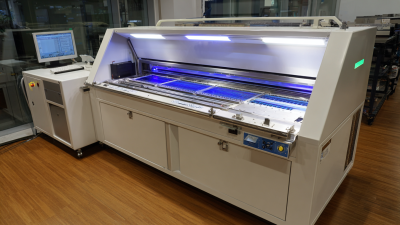
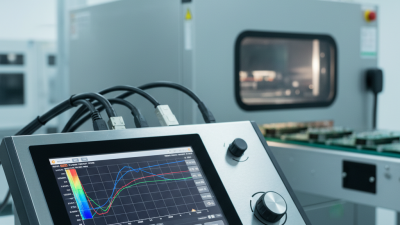
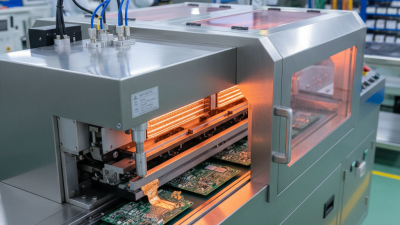
In today's competitive world, making the most out of your production line with a Solder Machine is more important than ever. Industry pro James Collins from Precision Soldering Solutions points out that, "Efficiency can really make or break your entire production schedule." His advice is a good reminder that even the coolest, most advanced Solder Machine won’t do much good if you’re not operating it strategically. Sometimes, it’s the little things—like understanding how yourWave Solder Machine works—that can really boost your productivity. For example, keeping the right temperature and applying solder properly—those are key. It’s crazy how many operators overlook these details, and that can lead to costly mistakes. So, it’s really worth taking the time to regularly check and tweak things as your production needs change. Also, don’t forget about routine maintenance and calibration. It might be a pain to fit into a busy schedule, but skipping these steps can lead to unexpected downtime. Finding that balance between working fast and keeping your equipment in top shape is tricky, but trust me, the payoff is worth it. When you’re working closely with your soldering equipment, you'll notice improvements in quality and just overall reliability of your production line. It’s all about staying on top of it, right?
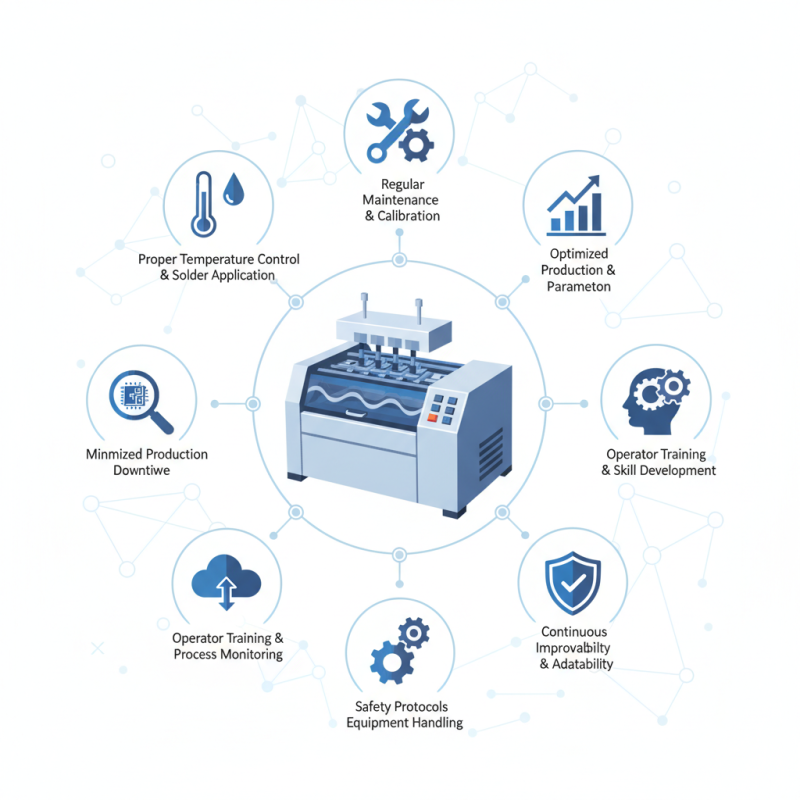
Understanding the Basics of Solder Machines for Efficient Production
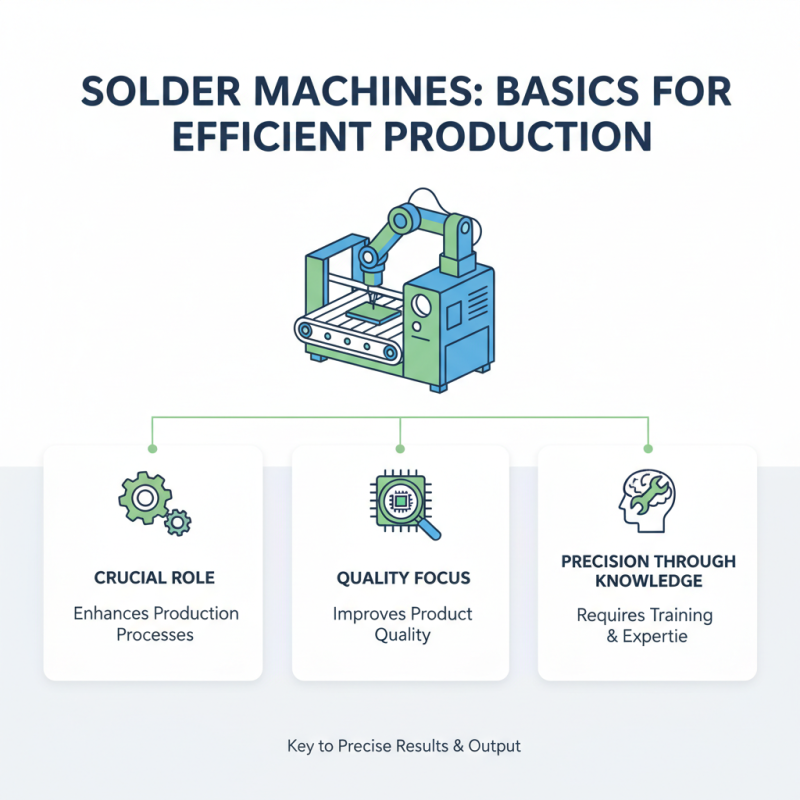
Solder machines play a crucial role in efficient production processes. Understanding the basics of these machines can significantly enhance production quality. Proper training and knowledge in handling soldering equipment are essential for achieving precise results.
One important tip is to regularly maintain the solder machine. Regular checks can prevent unexpected breakdowns. Keep the equipment clean and free from debris. A clean machine runs smoother and improves the quality of solder joints. It’s easy to forget about these routines, but neglect can lead to costly errors.
Another vital aspect is to choose the right soldering settings. Temperature and speed greatly affect the soldering process. Experimenting with settings can help find the ideal balance for different materials. This process requires patience and constant testing. Lastly, ensure your team is well-informed about the machines. A knowledgeable team not only improves productivity but also enhances the overall quality of the work. Engaging in continuous education about solder technology is beneficial.
Key Maintenance Practices for Optimal Solder Machine Performance
Maintaining optimal solder machine performance is crucial for efficient production processes. Key practices include regular cleaning, calibration, and inspection. A clean solder machine ensures consistent quality in joints. Dust and debris can directly affect solder flow and adhesion. Take a few minutes daily to wipe down the machine, focusing on areas where solder debris accumulates.
Calibration is another vital aspect. If the temperature runs hot or cold, it can lead to poor solder joints. Schedule a calibration check weekly and keep records for reference. Use tools for precise temperature assessment. Many neglect this, but accurate settings are essential for reliability.
Lastly, inspections help catch potential issues early. Examine wires, nozzles, and other components often. Listen for unusual sounds during operation. Ignoring these signals may lead to more extensive repairs later. Regular monitoring can save time and costs in the long run. Efficient production is not just about speed but also about maintaining quality.
Selecting the Right Solder Material for Specific Applications
Selecting the right solder material is crucial for any production line using a Solder Machine. Different applications require different solder types. Recent data indicates that over 60% of soldering defects stem from improper material choices. These defects can cause significant delays and increased costs in the production process.
In high-temperature environments, lead-free solders can outshine traditional options. However, these materials may pose challenges for certain electronic components. In contrast, specialized solders can enhance thermal and electrical conductivity, but they may be more expensive. A thorough understanding of the material properties helps in making informed decisions.
Evaluating the solder's melting point, flow characteristics, and compatibility with substrates is essential. Disregarding any of these factors can lead to inefficiencies. Reports suggest that nearly 30% of manufacturers face production interruptions due to solder material mismatches. It's important to invest time in research and development to ensure optimal material selection for a Solder Machine.
Programming Techniques for Enhanced Soldering Accuracy
In the world of soldering, accuracy is key. Programming techniques can significantly enhance soldering precision. According to a report by IPC, improper solder joint techniques contribute to nearly 25% of electronic failures. Optimizing programming can help reduce such failures.
Advanced soldering machines often come with programmable features. These allow operators to adjust parameters like temperature and dwell time. Data from the Electronics Industry Association suggests that precise soldering reduces part defects by 30%. However, many users overlook calibration. Regular checks ensure that the machine's settings match production requirements.
Machine operators can also benefit from simulation software. These tools enable testing different settings before the actual production. However, training staff on these tools is often inadequate. A recent survey indicated that only 40% of operators feel confident using advanced programming techniques. Improving training programs can lead to better soldering outcomes and fewer revisions in the long run.
Optimizing Workflow Layout to Improve Soldering Efficiency
Optimizing workflow layout significantly impacts soldering efficiency in production environments. A well-structured workspace reduces time spent moving between tasks. For instance, placing the Selective Solder Machine strategically can minimize the distance components travel. According to industry reports, productivity can increase by 25% with an optimized layout. Therefore, focusing on how machines align with assembly lines is crucial.
Creating designated areas for each step in the soldering process also enhances efficiency. Separate zones for component preparation, soldering, and inspection can streamline operations. One study found that 40% of workers reported reduced stress and increased satisfaction due to organized workspaces. However, it's vital to regularly assess these layouts, as changes in production volume or components may necessitate adjustments.
Regular feedback from operators can highlight areas needing improvement. While many companies invest heavily in machinery, workflow often gets overlooked. Analysis shows that 30% of production downtime stems from inefficient layouts. It's critical to maintain flexibility, allowing adjustments based on the evolving soldering demands and capabilities of the Selective Solder Machine.
Common Troubleshooting Strategies for Solder Machine Issues
Dealing with solder machine issues requires a proactive approach to troubleshooting. Industry reports indicate that up to 30% of production delays stem from equipment malfunctions. It’s crucial to establish regular maintenance protocols to prevent these problems. Operators should frequently check the nozzles and heating elements. Even minor wear can lead to inconsistent solder joints, affecting product reliability.
When a solder machine starts malfunctioning, the first step is to identify the symptoms. Are you experiencing excessive solder puddling or inconsistent flow? These issues can stem from incorrect temperature settings or feed rates. In one study, improper temperature maintenance was found to cause up to 20% of solder quality defects. Keeping a close eye on these variables can help mitigate risks and maintain production efficiency.
Operators often overlook calibration. Outdated machines can become less efficient over time. The need for tools that provide real-time feedback is essential. Investing in newer technologies, including the latest Wave Solder Machine For Sale, may also enhance reliability. Remember, addressing problems early can save time and resources in the long run. Adjustments made at the initial signs of trouble often prevent larger failures down the line.
Top 10 Solder Machine Tips for Efficient Production Processes
Training Operators for Best Practices in Soldering Processes
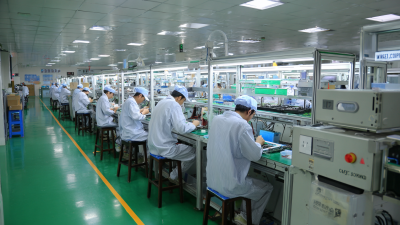
Training operators in soldering processes is essential for achieving efficiency and quality in production. Proper training can reduce defects in solder joints by up to 70%, as shown in industry surveys. Inadequate skills lead to waste and rework, undermining productivity. Many organizations still rely on outdated methods, risking quality assurance.
Operators should understand the specific nuances of the Flow Solder Machine. Key aspects include temperature control and solder paste application. Knowledge in these areas can prevent overheating and cold solder joints. Regular assessments of operator performance can also highlight skill gaps. Without consistent training, operators may overlook critical details.
Emphasizing hands-on practice is vital. Simulated environments can enhance learning, allowing operators to make mistakes safely. Continuous education adjusts to evolving technologies and materials. Attending workshops and reviewing best practices can foster a culture of improvement. Investing in operator training ultimately leads to better production outcomes.
Enhancing Efficiency in PCB Manufacturing with the Automatic SMT Stencil Cleaning Machine BMP-1000X
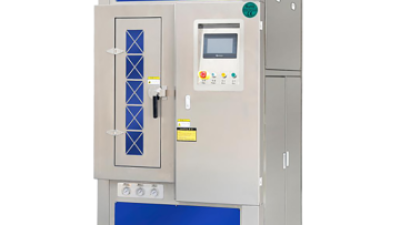
In the rapidly evolving landscape of PCB manufacturing, enhancing efficiency is paramount for businesses striving to maintain competitiveness. The Automatic SMT Stencil Cleaning Machine BMP-1000X serves this need by integrating advanced technological features designed to streamline the cleaning process. Research has shown that effective stencil cleaning can reduce solder defects significantly, potentially decreasing rework costs by up to 30%, as highlighted in industry reports. The BMP-1000X ensures optimal performance with its liquid level sensor overflow alarm, which monitors the cleaning tank and prevents operational disruptions.
Safety and precision are further enhanced by the BMP-1000X's innovative design, including photoelectric sensor protection on the front door. This feature halts the cleaning process if the door is opened, mitigating the risk of liquid spillage during operation. Additionally, the machine is equipped with a robust PLC monitoring system that manages the air source, DI water inlet, and heating mechanisms, providing dual protection against failures. The incorporation of high-quality components, along with a unique operating mechanism that employs guided movement, creates a reliable platform for maintaining stencil integrity.
Furthermore, the BMP-1000X demonstrates a commitment to quality through its use of well-established industry components, ensuring longevity and performance. By utilizing imported pumps and valves, the machine guarantees consistent operational standards. Reports indicate that manufacturers who invest in automatic cleaning solutions can achieve up to a 50% increase in efficiency, which underscores the significant impact of the BMP-1000X on overall production workflow. In an era where precision and reliability are essential, the advancements of the BMP-1000X stand out as a transformative solution for PCB manufacturers.
FAQS
: Regular cleaning, calibration, and inspections are essential. Clean daily to remove dust and debris for quality.
Schedule calibration checks weekly. This helps maintain accurate temperature settings and improves solder joint quality.
Use precise temperature assessment tools. These ensure settings match production requirements and enhance reliability.
Optimized programming can improve soldering precision and reduce part defects, crucial for efficient production processes.
Many operators lack confidence with advanced techniques. Improved training can lead to better soldering outcomes and fewer mistakes.
Watch for excessive solder puddling or inconsistent flow. These often result from incorrect temperature settings or feed rates.
Proactive troubleshooting prevents delays. Regular checks on nozzles and heating elements can catch issues before they escalate.
Keep an eye on temperature maintenance and feed rates. These variables directly impact solder quality and production efficiency.
Many operators overlook the importance of calibration. This can lead to decreased efficiency and increased defects.
Early adjustments can save time and resources. Small fixes often prevent larger, more costly failures down the line.
Conclusion
The article "Top 10 Solder Machine Tips for Efficient Production Processes" delves into essential strategies for maximizing the effectiveness of solder machines in manufacturing. It begins with a foundational understanding of solder machines, emphasizing their role in ensuring efficient production. Key maintenance practices are highlighted, ensuring optimal performance and longevity of the machines.
In addition, the article discusses the importance of selecting appropriate solder materials tailored to specific applications, as well as programming techniques that enhance soldering accuracy. Further, optimizing the workflow layout is suggested as a means to boost overall soldering efficiency. To address potential challenges, common troubleshooting strategies are provided, along with the necessity of training operators to adhere to best practices in soldering processes. By implementing these tips, manufacturers can significantly improve their production efficiency and soldering quality.