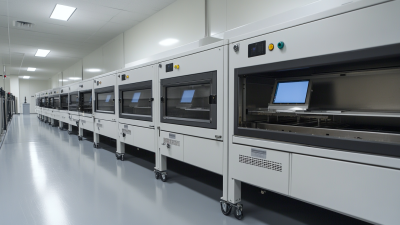
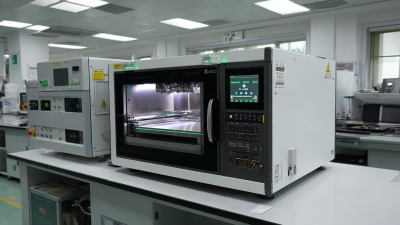
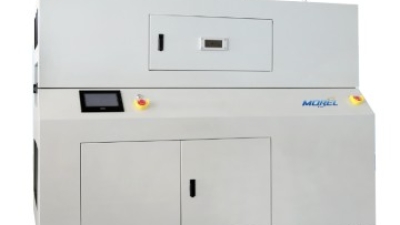
You know, in the fast-paced world of electronics manufacturing, how well you do your soldering really matters. It’s a key factor when it comes to making sure electronic devices are reliable. One tool that’s pretty much a game-changer here is the Reflow Oven. I read somewhere recently—in a report from Research and Markets—that the global market for reflow soldering equipment is on track to hit around $1.2 billion by 2025. That tells you a lot about how much folks are adopting surface mount tech and how important precise soldering processes are, which is exactly what Reflow Ovens help with.
These ovens have totally transformed the way we attach electronic components to printed circuit boards, or PCBs. They work by carefully controlling heat to melt solder paste, which makes for stronger, better-quality solder joints. Plus, this process helps cut down on defects—stuff that, if it goes wrong, can lead to costly product failures. In fact, a study by the IPC Association Connecting Electronics Industries suggests that managing the heat just right can cut defect rates by up to 30%. That’s a huge saving for manufacturers. As the demand for high-quality, dependable electronics keeps growing, getting a handle on how Reflow Ovens work and their benefits is basically essential if you want to stay competitive in this industry.
Understanding the Basics of Reflow Ovens in Electronics Manufacturing
Reflow ovens are critical tools in electronics manufacturing, primarily used for soldering surface mount components onto printed circuit boards (PCBs). The reflow process involves applying solder paste to the board, placing components, and then heating the assembly in the oven, which melts the solder and forms reliable electrical connections. According to a recent report by IPC, the global market for reflow soldering equipment is projected to grow at a CAGR of 4.3%, highlighting the increasing demand for efficient soldering techniques in electronics production.
One of the primary benefits of reflow ovens is their ability to provide consistent and high-quality solder joints, which are essential for the reliability of electronic products. The precise temperature control ensures that all components are exposed to optimal heating conditions, which minimizes defects such as cold solder joints or bridging. Furthermore, modern reflow ovens often incorporate advanced features like profiling capabilities, allowing manufacturers to customize their processes for various types of solder and components.
**Tips:** When choosing a reflow oven, consider the size of the PCB and the complexity of the components. Additionally, investing in a model with good thermal efficiency can reduce energy costs and improve overall production speed. Keeping up with regular maintenance also ensures longevity and consistent performance of your equipment.
Key Components and Functionality of Reflow Ovens Explained
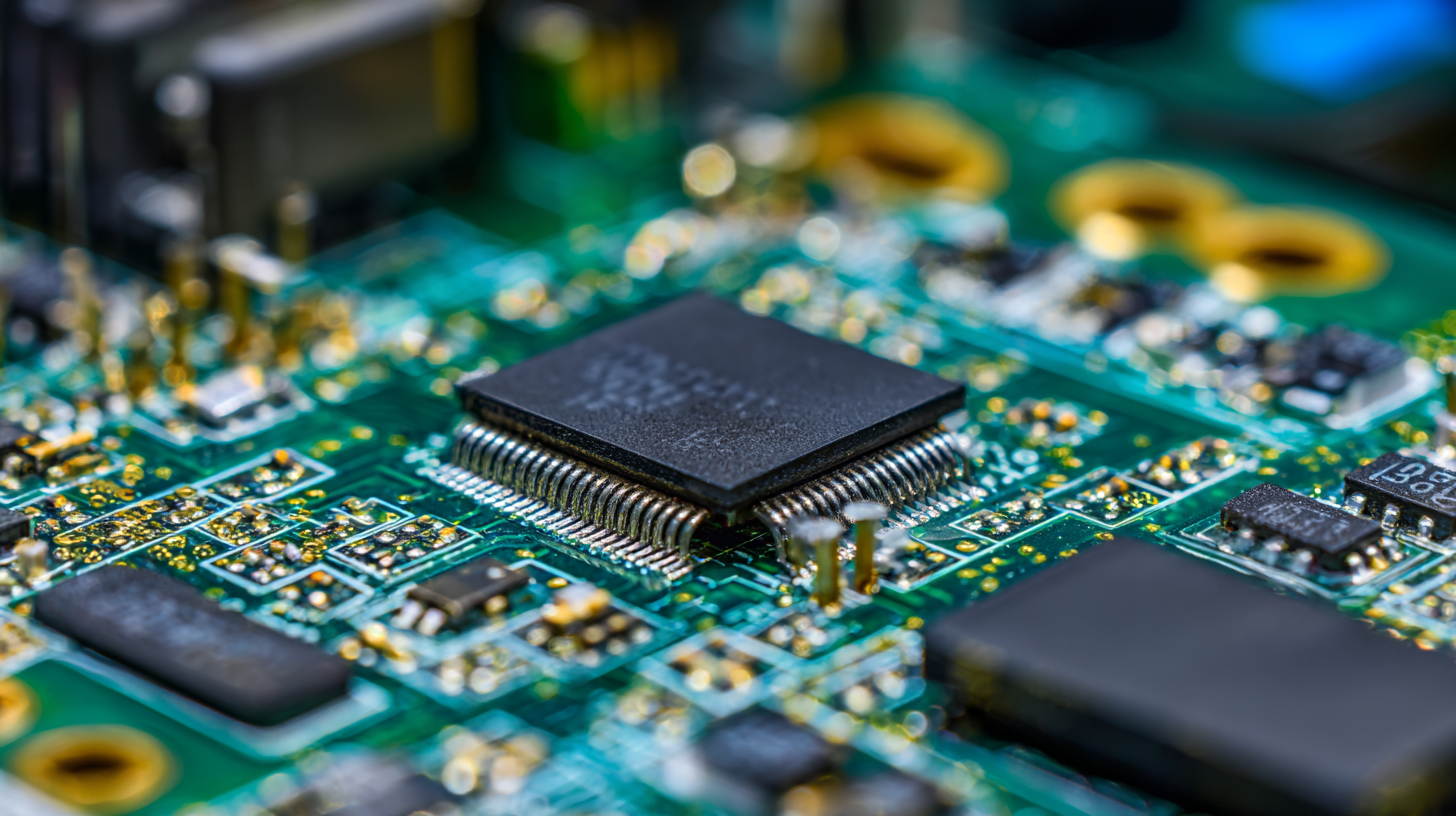
A reflow oven is a vital tool in electronics manufacturing, primarily used for soldering surface mount components onto printed circuit boards (PCBs). The process starts with applying solder paste to the PCB, followed by placing components into position. The reflow oven then heats the assembly to a specific temperature profile, melting the solder and ensuring reliable electrical connections. One of the key components of a reflow oven is its ability to maintain precise temperature control, which is crucial for avoiding defects like the no-reflow phenomenon, where solder does not melt properly, potentially leading to unreliable connections.
Recent investigations into the climatic reliability of realistic PCBA component geometries reveal that the interactions between reflow solder flux residue and humidity can significantly impact solder joint integrity. The study emphasizes that careful management of solder paste and its properties is essential for achieving optimal reflow conditions. Furthermore, industry reports highlight that approximately 80% of solder-related failures in PCBs can be traced back to improper reflow processes, underscoring the importance of advanced reflow oven technology in mitigating such risks and ensuring high-quality electronic assemblies. Properly designed reflow ovens can facilitate better heat distribution and improved process repeatability, leading to greater overall manufacturing efficiency and reliability.
Temperature Profile in Reflow Soldering Process
This line chart illustrates the typical temperature profile during the reflow soldering process in electronics manufacturing, highlighting key stages such as initial, preheat, soak, reflow, and cooling.
The Advantages of Using Reflow Ovens for Soldering Processes
Reflow ovens play a crucial role in the electronics manufacturing industry, particularly in the soldering processes essential for assembling printed circuit boards (PCBs). According to a report by IPC, the global market for reflow ovens is projected to grow at a CAGR of 5.5% from 2022 to 2027, reflecting the increasing demand for efficient and reliable soldering technologies. This growth is driven by the continuous advancement in electronic components, which necessitates precise control of soldering conditions to ensure optimal connectivity and performance.
One of the key advantages of using reflow ovens is their ability to create a uniform heating profile that promotes consistent solder joints. A study published in the Journal of Electronic Packaging highlighted that a properly calibrated reflow process can reduce solder defects by up to 30%. This consistency not only enhances product reliability but also minimizes the risk of failures in the field, leading to cost savings in warranty claims and repairs. Additionally, reflow ovens enable manufacturers to achieve higher throughput, allowing for faster production cycles without compromising quality, a crucial factor in today’s fast-paced electronics market.
How Reflow Ovens Improve Production Efficiency and Quality
Reflow ovens are essential in the electronics manufacturing process, providing consistent heating that leads to superior solder joint formation. By carefully controlling temperature profiles, they ensure that solder paste melts and solidifies uniformly, which is critical for the reliability and performance of electronic components. This controlled process not only enhances the quality of the final product but also minimizes defects, such as tombstoning and bridging, resulting in fewer rework efforts and a more robust manufacturing workflow.
Tips: When setting up a reflow oven, it's crucial to monitor the conveyor speed and temperature settings to align with the specific solder paste requirements. Regular calibration and maintenance can help maintain optimal performance. Implementing these strategies can lead to significant improvements in yield and production efficiency.
Moreover, reflow ovens help streamline production by allowing for higher throughputs. With the capacity to process multiple PCBs simultaneously, manufacturers can significantly reduce cycle times. The automation of the reflow process also decreases human errors, which invariably contributes to maintaining a high-quality standard. By investing in advanced reflow oven technology, manufacturers can achieve a competitive edge in high-volume production environments.
Tips: Consider implementing a thermal profiling tool to gather data on temperature distribution within the oven. This data can guide adjustments for better soldering results, ensuring that each batch meets the desired quality criteria.
Innovative Technologies in Modern Reflow Ovens
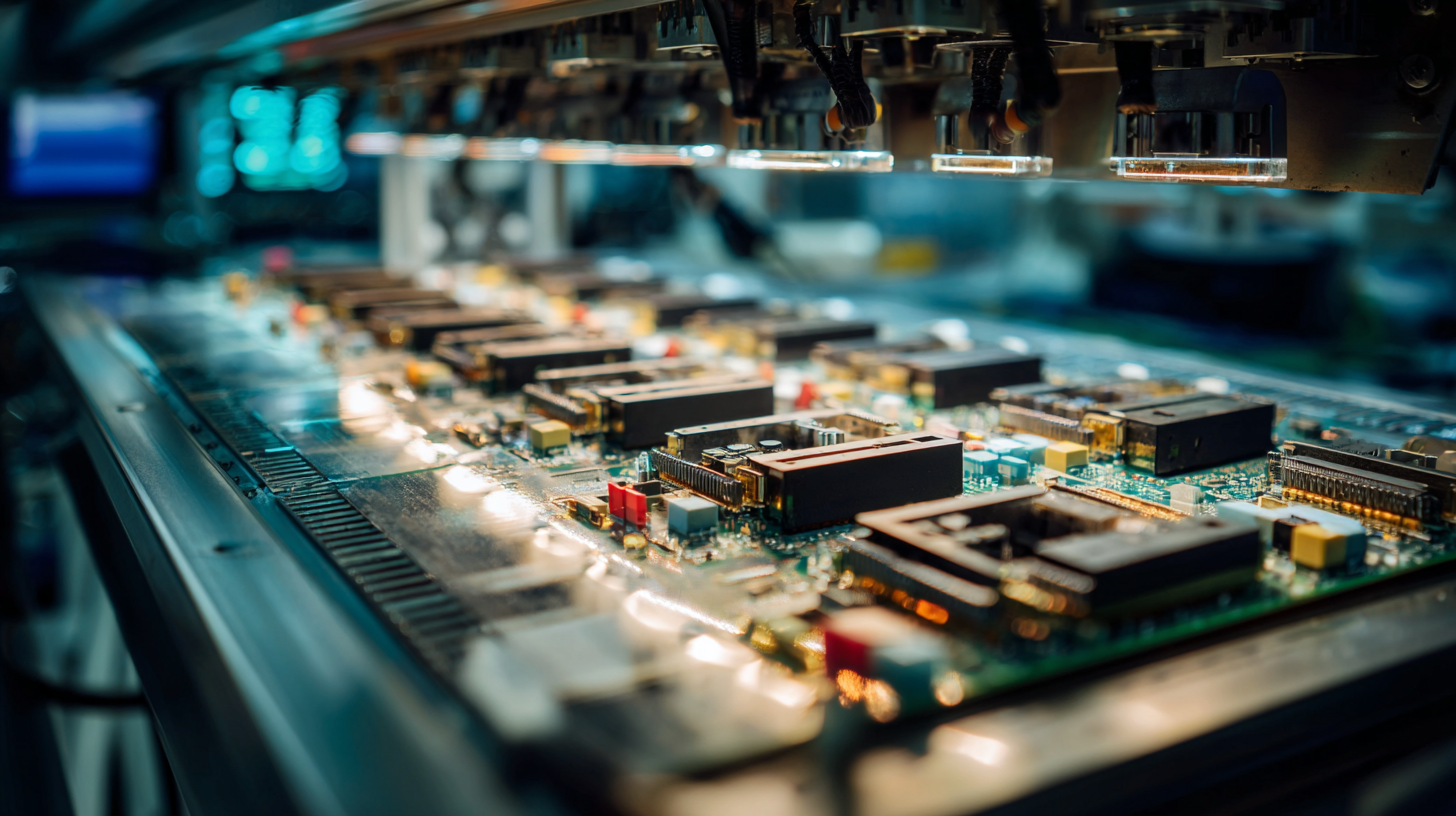
Reflow ovens play a critical role in the electronics manufacturing industry, leveraging innovative technologies to enhance soldering processes. Modern reflow ovens are equipped with advanced features such as precise temperature control, modular design, and sophisticated software for process optimization. According to a report by IPC, the global market for reflow ovens is expected to reach approximately $1.2 billion by 2025, projecting a compound annual growth rate (CAGR) of around 5.3%. This growth is primarily driven by the increasing complexity of PCB designs and the rising demand for miniaturized electronics.
One of the most significant innovations in modern reflow ovens is the integration of artificial intelligence (AI) for real-time monitoring and predictive maintenance. This technology enables manufacturers to detect anomalies and optimize thermal profiles dynamically, leading to higher yield rates. Additionally, the implementation of convection heating systems ensures uniform heat distribution, crucial for preventing defects in solder joints. A study by SMTA noted a 30% reduction in solder defects when transitioning to AI-integrated reflow ovens, illustrating the potential impact of these cutting-edge technologies on production efficiency and product reliability.
What is a Reflow Oven and How Does it Benefit Electronics Manufacturing
| Feature | Description | Benefits |
| Temperature Control | Precise control over heating profiles for different solder types. | Ensures reliable solder joints and reduces defects. |
| Conveyor System | Automated transport of PCBs through the heating zones. | Increases throughput and efficiency in production lines. |
| Energy Efficiency | Optimized heating mechanisms to reduce energy consumption. | Lowers operational costs and environmental impact. |
| User Interface | Intuitive controls with touchscreen functionalities for easy operation. | Facilitates quick setup and adjustment for different PCB designs. |
| Lead-Free Solder Support | Compatible with lead-free soldering processes. | Meets industry regulations and environmental standards. |
Best Practices for Integrating Reflow Ovens into Manufacturing Lines
Integrating reflow ovens into electronics manufacturing lines is essential for optimizing production efficiency and ensuring high-quality soldering processes. The first best practice is to strategically position the reflow oven within the production line to minimize handling time and maintain a smooth workflow. This placement can significantly reduce the risk of thermal damage to components while facilitating a seamless transition from printing to placement and finally to reflow soldering.
Another crucial aspect is regular maintenance and calibration of the reflow oven to achieve consistent temperature profiles, which are vital for reliable solder connections. Utilizing advanced temperature profiling tools can help in monitoring the heating and cooling cycles, ensuring that the components are exposed to optimal conditions. At Morel Equipments Co., Limited, with over 15 years of experience in the SMT industry, we provide comprehensive solutions tailored for integrating reflow ovens effectively, alongside our range of equipment, from Pick And Place Machines to automatic soldering robots. Our expertise ensures that manufacturers can achieve superior quality and efficiency in their operations.
Maximize Efficiency and Quality in PCBA with the UV Curing Oven MOV-450: An Essential Guide
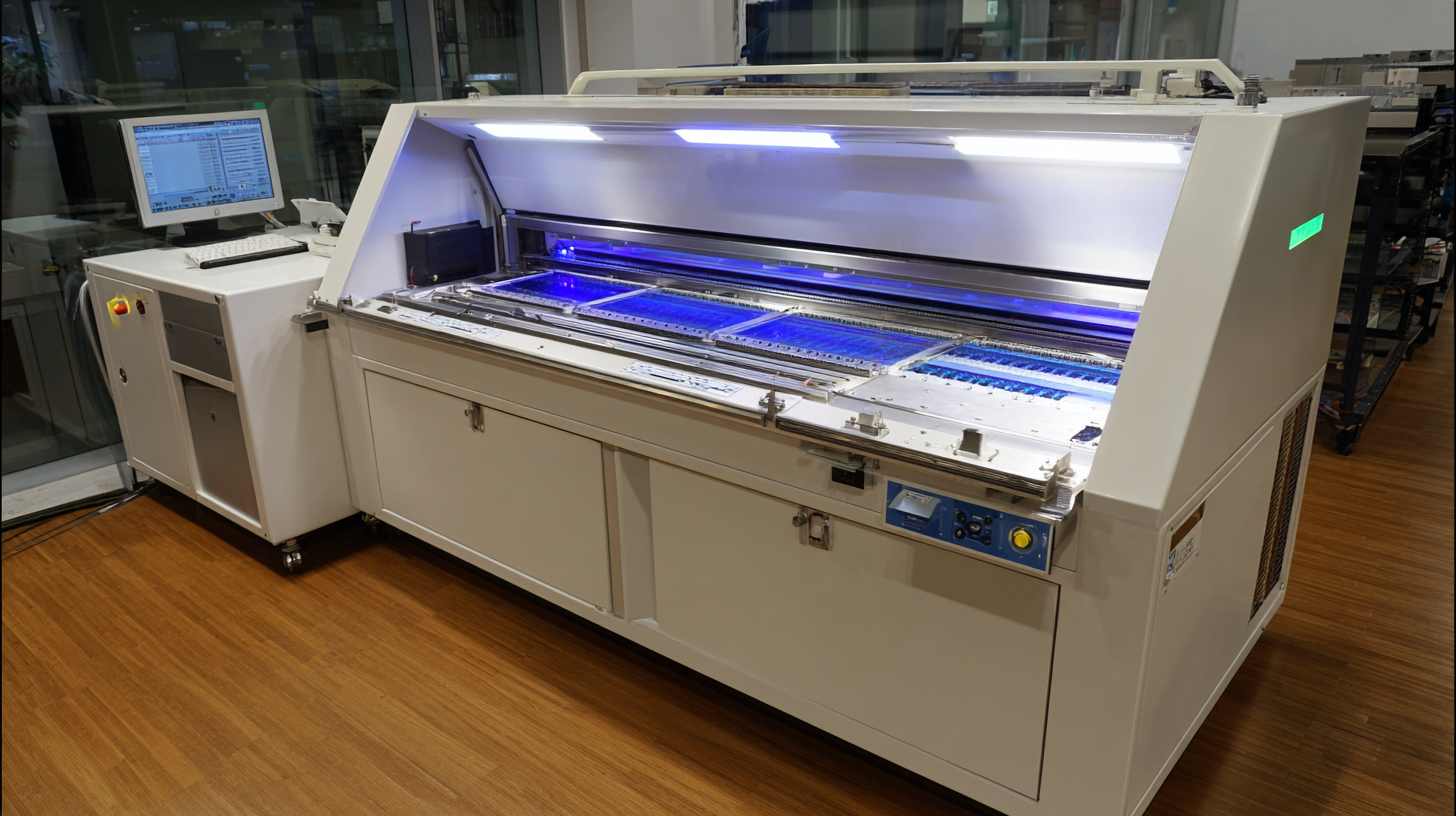
The UV Curing Oven MOV-450 is a pivotal asset in optimizing both efficiency and quality in the PCBA (Printed Circuit Board Assembly) process. According to recent industry reports, the adoption of UV curing technology has increased, with a reported 15% year-over-year growth in its application across various sectors. This surge highlights the necessity for advanced equipment like the MOV-450, which boasts features such as a PCL+ touch screen control with independent temperature management. The built-in double over-temperature protection ensures that components are cured accurately without the risk of overheating—critical in preserving the integrity of sensitive electronic parts.
One of the standout features of the MOV-450 is its stainless steel chain conveyor, which accommodates boards ranging from 50-450mm in width with adjustable settings. This flexibility is crucial as the industry moves toward more diverse product configurations. The stepper motor-driven conveying system allows operators to regulate speed effortlessly via the intuitive touch screen interface, enhancing throughput without compromising quality. Additionally, real-time monitoring capabilities for entrance and exit boards empower manufacturers to maintain optimal operational conditions, essential for meeting the rigor of today’s production timelines.
A notable design aspect includes a hand-operated lamp lifting mechanism, which automatically raises and opens the cover for efficient workflow management. The incorporation of dual electronic dimming light sources enables infinite adjustments to UV light intensity, accommodating various curing requirements. With the increasing demands for precision and reliability in electronic manufacturing, adopting the MOV-450 is a strategic move that aligns with industry trends towards enhanced productivity and quality assurance in PCBA processes.
FAQS
: A reflow oven is primarily used for soldering surface mount components onto printed circuit boards (PCBs) by applying solder paste, positioning components, and heating the assembly to melt the solder for reliable electrical connections.
Reflow ovens provide consistent and high-quality solder joints through precise temperature control, which minimizes defects such as cold solder joints and bridging, thus ensuring the reliability of electronic products.
Modern reflow ovens often incorporate advanced features like profiling capabilities, allowing manufacturers to customize heating processes for various types of solder and components, enhancing overall efficiency.
When selecting a reflow oven, one should consider the size of the PCB, the complexity of the components, and the thermal efficiency of the model to reduce energy costs and improve production speed.
Proper management of the reflow process is essential because approximately 80% of solder-related failures in PCBs are traced back to improper reflow processes, making advanced oven technology vital for maintaining solder joint integrity.
Reflow ovens enhance production efficiency by creating a uniform heating profile that reduces solder defects, enabling higher throughput and faster production cycles while maintaining product quality.
The interactions between reflow solder flux residue and humidity can significantly affect solder joint integrity; careful management of solder paste properties is essential for optimal reflow conditions.
The global market for reflow ovens is projected to grow at a CAGR of 5.5% from 2022 to 2027, driven by advancements in electronic components that require precise soldering control.
The 'no-reflow phenomenon' refers to a situation where solder does not melt properly during the reflow process, potentially leading to unreliable connections; maintaining precise temperature control in reflow ovens helps avoid this issue.
A properly calibrated reflow process can reduce solder defects by up to 30%, enhancing product reliability and minimizing the risk of field failures, leading to cost savings in warranty claims and repairs.
Conclusion
A Reflow Oven is a crucial piece of equipment in electronics manufacturing, particularly for the soldering processes involved in surface mount technology (SMT). By utilizing controlled heating cycles, Reflow Ovens ensure that solder paste melts and solidifies accurately, creating strong electrical connections between components and circuit boards. The efficiency and quality improvements provided by Reflow Ovens, coupled with their advanced features and integration capabilities, make them an essential investment for modern manufacturing lines.
Morel Equipments Co., Limited, with over 15 years of experience in the SMT industry, recognizes the importance of Reflow Ovens in streamlining production and enhancing quality standards. As a one-stop solution provider, Morel offers a range of machinery, including automatic soldering robots and solder paste equipment, complementing the capabilities of Reflow Ovens and supporting manufacturers in achieving higher output and reliability in their electronic products.