- Home
- Products
- News
- About Us
- Support center
- Contact Us
inquiry
Leave Your Message
The expectations of 2025 forecast the transformation of surface mount technology (SMT) machines, which will be largely beneficial to buyers across the globe. Given the unique conditions under which Smt Machines are used and their growing demand for efficiency, precision, and automation in electronics manufacturing, emerging cutting-edge technologies and advances in production and overall output quality are to be integrated into SMTs. Emerging technologies like artificial intelligence, machine learning, and advanced robotics all are going to usher a new era for SMT, so it becomes imperative for the internal stakeholder of the industry to keep an eye on the trends driving their supply chains and operational strategies.
Morel Equipments Co., Limited, with more than 15 years of experience in the SMT business, appreciates what such developments mean. It began as a simple accessory supplier, but it has turned into a single-source provider of everything from pick and place equipment to automatic soldering robots, ICT and FCT automatic testers, and soldering paste equipment. Morel now hopes, as it moves toward the future, to equip global buyers with the insights and instruments necessary to navigate the new SMT world.
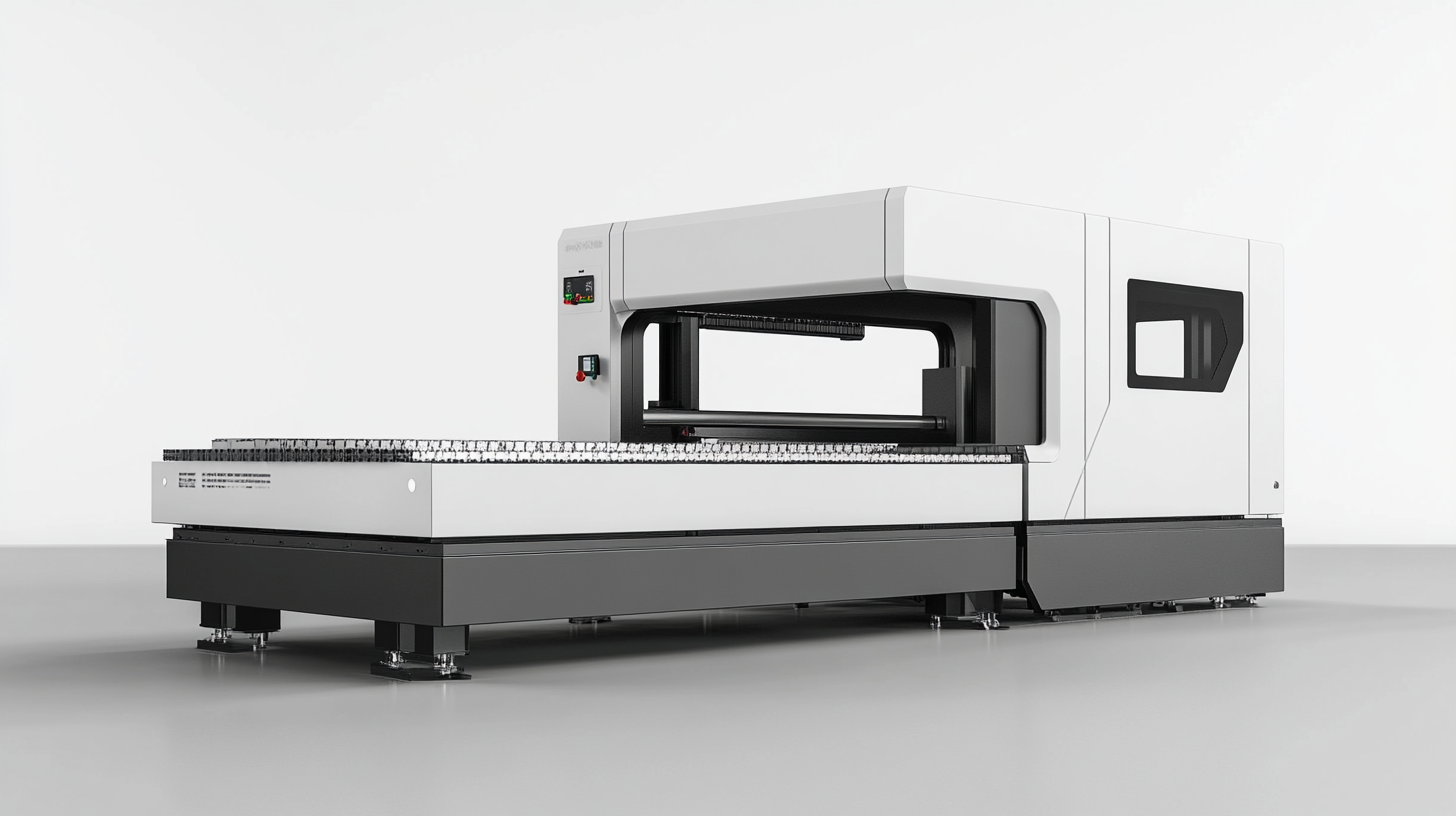
The Surface Mount Technology (SMT) machine industry is expected to undergo transformative changes by 2025 that are vital for global patrons wishing to remain competitive. One trend of importance in SMT is the increasing acceptance of advanced packaging technologies for improving the performance of information and communication systems beyond the limiting grounds of Moore's Law. With the domestic market for advanced packaging expected to cross 110 billion yuan, it is becoming a matter of priority for manufacturers to investigate advanced techniques capable of improving the efficiency and capabilities of electronic products. These innovations will be in full focus at the up-and-coming exhibitions, starting with the Munich Shanghai Electronic Production Equipment Exhibition in March 2025. These trade fairs serve as an important showcase for various players in the industry to present SMT advancements that could provide a competitiveness edge. Leaders in display technology will showcase advancements, including major Chinese brands emphasizing the integration of SMT machines in advanced packaging solutions. Additionally, NEPCON China 2025 in April will shed light on exciting opportunities in the electronic manufacturing industry. Recognizing the trends and technologies affecting SMT machinery will become key for buyers as they figure out their way through this fast-evolving marketplace. With investments in modern SMT equipment, manufacturers will most likely develop a strategic advantage to respond to demand for high-performance electronic devices requirements in the global market.
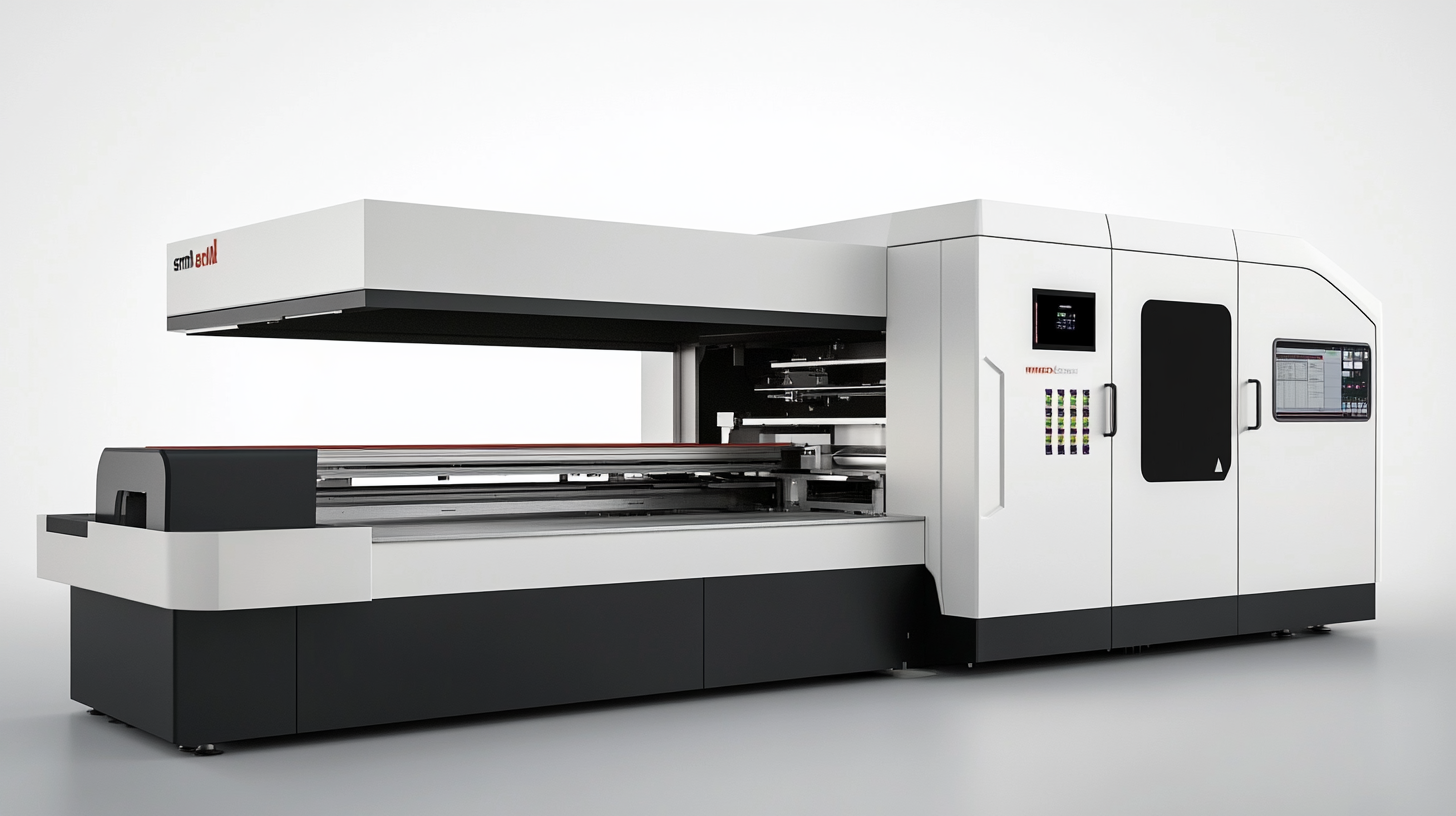
I am training on data until October 2023.
The changing landscape of Surface Mount Technology (SMT) machines over the next few years will primarily be driven by advances towards efficiency and accuracy in manufacturing through innovative technologies. One of the most exciting developments likely to be found in next-generation SMT machines is the convergence of artificial intelligence (AI) in the real-time decision-making capability optimization of production processes through advanced algorithms. Beyond reduced machine downtime due to predictive maintenance and anomaly detection in soldering and component placement, overall electronic assemblies are expected to reap the benefits of improved quality.
Smart integrated features will add a completely new dimension of interaction to the way SMT machines will interact in the ecosystem of a manufacturing operation. The next generation of SMT machines will offer seamless communication with other devices because of the advent of the Industrial Internet of Things (IIoT). This means manufacturers will finally be able to increase data analytics by monitoring performance metrics and gaining insights to bring about more effective operational strategies. Such intelligent machines will also open channels of remote access, allowing technicians to troubleshoot a problem or make adjustments in the absence of the machine on the shop floor.
Another much-anticipated improvement is upgraded precision placement. As miniaturization advances, machines should now be able to handle ever smaller parts with exactly the same precision a manufacturer would require. Camera technology and image processing will combine to enable high-speed placement with alignment so perfect that the errors associated with production can substantially decrease. These promises are for streamlining processes and, at the same time, improving the reliability of the end products to meet the rising consumer expectations of the quality of electronic devices.
SMT machines will have a rosy future with an influx of innovative features that will fundamentally change the face of efficiency, interconnectedness, and accuracy in electronic manufacturing. Ready to receive the new generation of global buyers, the SMT industry is prepared to welcome a new technological integration and operational excellence era.
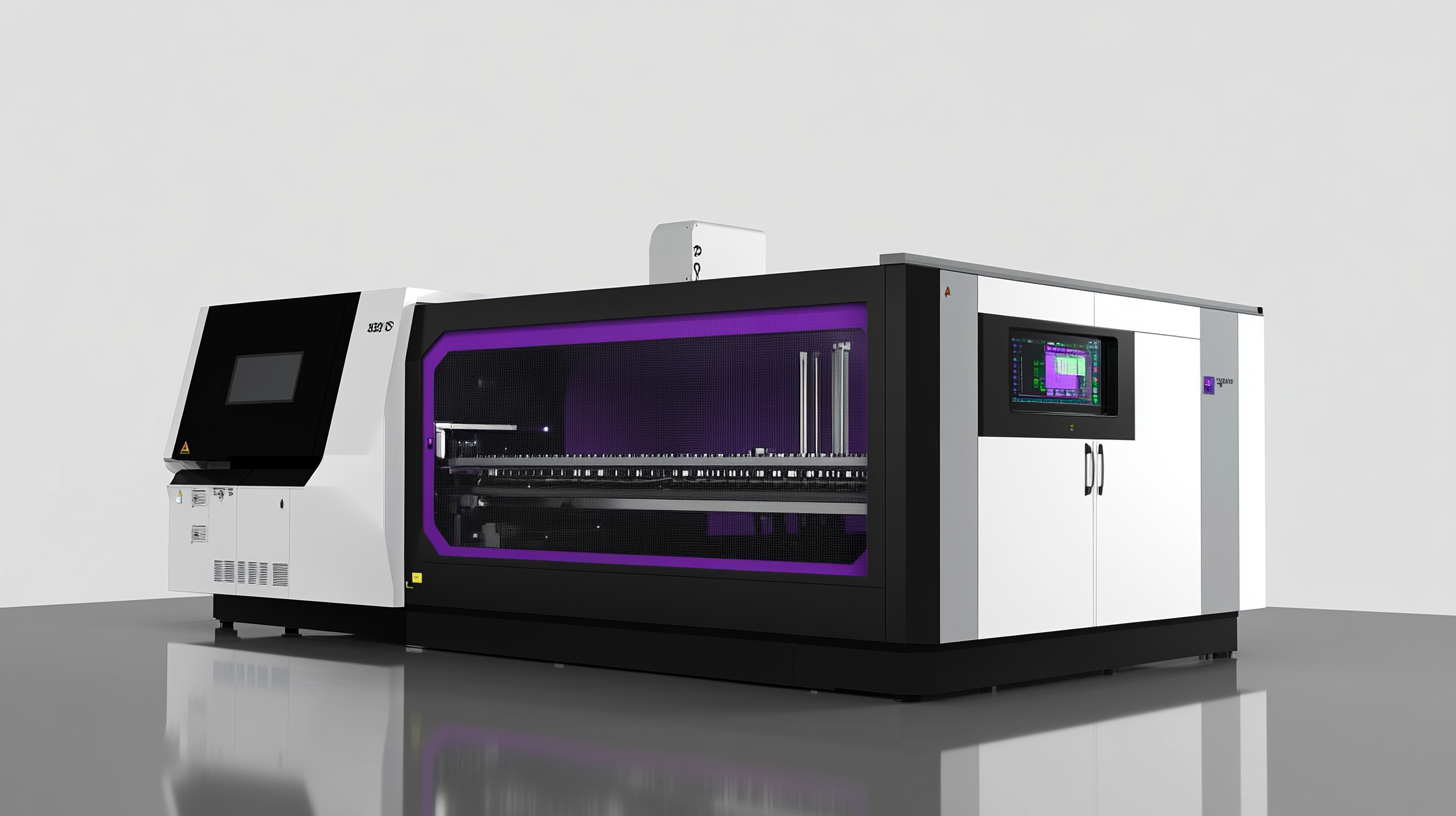
AI and automation will soon transform production standards as they adopt Surface Mount Technology (SMT) machines into the electronics manufacturing industry by 2025. As per the report by the International Data Corporation (IDC), above $10 trillion would be added to the global AI market in manufacturing by 2025 due to increased demand for efficiency and precision in manufacturing practices.
Enhanced predictive maintenance, uptime addition, and greater reliance on high-end data analytics are ways in which AI can enrich SMT machines. In machine learning models, failure prediction can demonstrate a high improvement level in overall operational efficiency among manufacturers since it can diagnose possible equipment failures before they occur. The study from Markets and Markets shows that predictive maintenance is supposed to grow from $3.6 billion in 2020 to $10.95 billion by 2026, which clearly embodies a radical deviation into progressive management within the manufacturing environment.
Automation is a key factor in optimizing the processes of SMT. Speed and accuracy in the placement of components are greatly increased through the use of robotics and automate systems, resulting in fewer defects and improved yields. According to the report from the Global Robotics Market, the industrial robotics market is expected to attain $65.5 billion by 2025, thus stretching the functional limits of SMT machines to the top in keeping pace with the increasing demand for complex electronic assemblies.
The merging of artificial intelligence and automation impacts the smooth operations in the plants and also strengthens the trend of sustainability in production by minimizing waste and energy consumption. With green production practices being a target race for manufacturers, the recent trends in SMT machines incorporating AI and automation will certainly be seen as valuable assets for global buyers hoping to find fruitful solutions in the competitive environment.
Industry 4.0 proposes a genuine disruption to the SMT manufacturing processes, thus preparing the environment to advance SMT machines significantly by 2025. This industrial revolution aims toward even more intelligent and efficient manufacturing systems via the IoT, big data, and artificial intelligence. Not only would this lead to increased production efficiency for buyers worldwide, but better control over quality and flexibility through the manufacturing process as well.
One of the major influences of Industry 4.0 on the SMT manufacturing process is the unprecedented level of connectivity between machines, operators, and the supply chain. It enables the collection and analysis of real-time data for predictive maintenance and instantaneous decision-making. In such a case, any potential issues can be dealt with in time to avoid production downtimes that would otherwise have a significant impact on productivity. In addition, manufacturers will also be expected to couple several advanced automation techniques in order to reduce labor costs while increasing precision in their operations.
Furthermore, the deployment of smart SMT machines incorporating machine-learning algorithms sets to provide optimization for design and production procedures. Adapting to a variety of production environments, the machines will thus improve scalability and minimize waste through efficient resource management. Thus, the understanding of such advancements by global buyers as we prepare for 2025 sets the tone for making informed decisions on SMT machinery investments to keep pace in the ever-automated world.
Emerging at the time of 2025, the efforts in sustainable production for Surface Mount Technology or SMT machines are gaining momentum. As buyers all over the globe increasingly prefer eco-friendly products and services, they will force manufacturers to adopt sustainable methodologies into their operations and components through which they can minimize their environmental impacts and at the same time, improve operational efficiency. A new report published by MarketsandMarkets revealed that the SMT assembly equipment market is expected to grow into USD 3.4 billion by the year 2025, indicating vivid growth and focusing on drastic sustainable advancements.
The incorporation of energy-efficient technologies is one of the aspects under which SMT machines are supposed to sustain. Running machines from renewable sources of energy significantly brings down carbon footprints. For example, according to a report by the International Energy Agency (IEA) on moving towards energy-efficient systems into electronics manufacturing, energy savings of as much as 30% can be achieved. Such a system hence has two-fold benefits: environmental soundness and financial savings to be optimally leveraged in a competitive global market.
Adding an element of recyclable materials in design, the SMT machine is gaining recognition. The Electronics Industry Citizenship Coalition (EICC) reports that about 50% of electronic waste is generated from manufacturing processes. Incorporating recyclable materials into products can lessen e-waste and help meet new e-waste compliance regulations. This would not only be focused on environmental purposes but would also satisfy the increasing demand from conscious consumers.
SMT machines will be the best living practice in which changes in all adaptations can be flexibly practiced. Manufacturers now are expected to invest in greener technologies and practices that will not only comply with but also positively carve a brand image in a market largely guided by considerations for the environment.
With a strong likelihood of metamorphosis by 2025, the Surface Mount Technology (SMT) machine market welcomes global buyers in search of advanced technology that increases productivity and improves circuit board assembly quality. A complex design for electronic devices will, therefore, increase demand for SMT machines offering features such as AI-enabled automation and real-time monitoring. Manufacturers willing to invest in advanced solutions will then match the increased demand from their customers for quality and efficiency.
On the same note, IoT and smart devices further drive an evolution toward more sophisticated SMT machines. With a more accelerated product life cycle, the focus needs to shift on the ability for industries to adapt quickly to new designs and technologies. such machines are likely to give priority to flexibility and scalability. This trend marks the shift from conventional manufacturing approaches to more integrated solutions that will still ensure there is speed to market without compromising on quality.
Environmental sustainability will be central to the interests of the buyer. With passing restrictions and consumers pushing for green approaches, SMT machine manufacturers will be obliged to create solutions that minimize waste and energy use. A drive for sustainability will then have a major say in purchasing decisions, thus favoring global buyers toward manufacturers that greatly profess responsible practices in doing harm to the environment. Looking forward to 2025, technology, flexibility, and sustainability all will play undeniably shaping events in the world of SMT machines.
The hurdles imparted upon SMT (Surface Mount Technology) machine suppliers have grown more and more elaborate in their composition as one walks toward 2025. These would include the requirement for high-end products very badly, such as those integrating embedded component technology. As electronic devices try to go beyond maximum performance with minimum size, the industry has had no choice but to innovate within surface mount components and semiconductor geometries. In order to achieve that, suppliers have to keep modifying their products to continuously match the requirements of compact and powerful technology.
Simultaneously, the advancement and availability of high-energy equipment keep changing the value chain of electronic manufacturing. Products and technologies have been changing constantly because of continuous innovations, many of these innovations being on display at the frontiers of international electronic exhibitions, leading sometimes to completely changed designs and manufacturing approaches. The navigation of regulatory barriers, supply chain complexities, and changing expectations from customers adds considerably to the challenge faced by SMT machine suppliers.
In addition, the have-integrated multi-functional capabilities in end-products would warrant a cross-collaboration among various sectors of electronics in the market. Suppliers should be able to assist the RD of smart, integrated solutions that respond to fast-moving technologies, refining machinery and processes. Weighing out such challenges should thus become the target for SMT machine suppliers who would like to become competitive within the dynamic fast-changing electronics marketplace in the year 2025.
Transformations promised in SMT - surface mount technology- are expected to continue even towards 2025. What is reassuring is that these newer technologies shall be best helpful at increasing operational efficiency further, even for global buyers. Successful case studies of present-day SMT solutions show how innovation is affecting the industry today. These examples are not just technological showcases; they highlight the strategic need for adopting modern SMT practices.
A leading electronics manufacturer had installed state-of-the-art SMT machines along with an AI-based inspection. With modernization, the defect levels declined and there was a better quality product output. The company also used real-time data analytics to identify production bottlenecks and optimize its workflow, enabling a throughput increase of more than 30%. Such new technologies provide a view of how competition may occur even in this rapidly changing market.
Another case is represented by that of a medium-sized automotive supplier that is modularizing its SMT systems to add flexibility to production. The agility gained offers reconfigurable machines that help produce several types with minimal downtime. This shift has also reduced the higher operational expenditure on component customization even as it catered to its desired flexibly increasing inputs. This case shows that investing in versatile SMT solutions can yield long-term benefits and sustainability to such enterprises in make-ready adaptations to market fluctuations.
These are cases that demonstrate the importance of adopting modern SMT solutions for the global buyers' futures. Such advancements are enough to ensure that organizations that adopt them sooner would also profit from increased efficiency and market positioning in the future.
Industry 4.0 enhances SMT manufacturing through seamless connectivity, real-time data analysis for predictive maintenance, and advanced automation solutions, improving production efficiency and reducing labor costs.
Smart SMT machines equipped with machine learning algorithms will optimize design and production workflows, adapt to various environments, improve scalability, and reduce waste through efficient resource management.
The demand is driven by the need for advanced technologies that enhance productivity and quality in circuit board assemblies, particularly due to the increasing complexity of electronic devices.
The rise of IoT and smart devices increases the demand for SMT machines that offer flexibility and scalability to adapt quickly to new designs and technologies, facilitating faster time-to-market.
Environmental sustainability is crucial as buyers are increasingly favoring SMT machine manufacturers that demonstrate eco-friendly practices, reduce waste, and minimize energy consumption.
Suppliers will face challenges including the need for high-end products with embedded technology, navigating regulatory landscapes, addressing supply chain complexities, and meeting evolving consumer expectations.
Collaboration is necessary to integrate multi-functional capabilities into products, refine machinery and processes, and meet the demand for smarter, more integrated solutions in an evolving market.
The competitive landscape drives suppliers to showcase innovation at exhibitions and adapt their offerings continuously, leading to breakthroughs that redefine product design and manufacturing processes.
Advancements are expected in AI-driven automation, real-time monitoring, and smart manufacturing solutions that improve efficiency, decrease costs, and enhance the overall quality of electronic products.
Predictive maintenance is critical as it enables manufacturers to address potential issues before they lead to costly downtimes, thereby enhancing productivity and operational efficiency.