- Home
- Products
- News
- About Us
- Support center
- Contact Us
inquiry
Leave Your Message
In the fast-paced world of surface mount technology (SMT), quality and reliability of electronic assemblies depend on the capabilities afforded by Reflow Ovens. Manufacturers across the globe, under ever-increasing demands for efficiency and accuracy, must familiarize themselves with the particular characteristics and applications of Reflow Ovens. These machines optimize soldering procedure and conduct overall works of production flow so as to sustain manufacturers' competitiveness in an increasingly crowded market.
At Morel Equipments Co., Limited, with more than 15 years of experience in the SMT industry, we understand the importance of a high-quality Reflow Oven within any production setup. Morel began as a supplier of accessories; since then, it has evolved into a total solutions provider for a range of equipment, including Pick And Place Machines, automatic soldering robots, and testing equipment. We ensure that our clients harness recent technologies, including the newest advanced Reflow Ovens, to attain excellence in production through our dedication to continuous improvement and innovation.
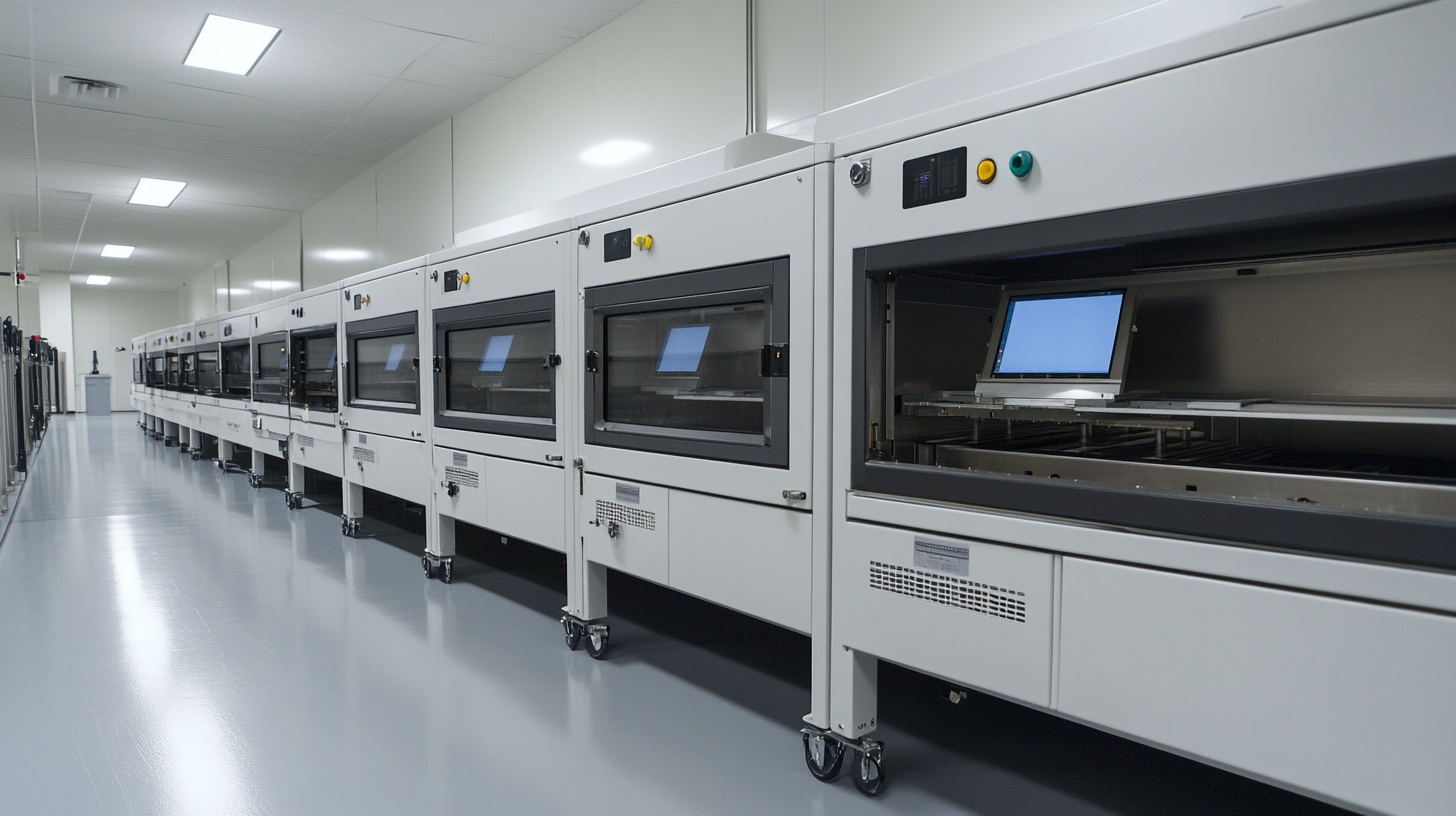
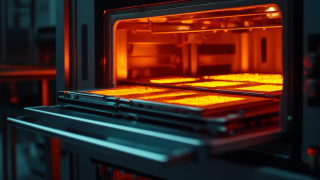
Reflow ovens are essential for the manufacture of electronics, in particular for soldering surface mount devices (SMD) onto printed circuit boards (PCB). The main components in the reflow oven are: the heating zone, cooling zone, and conveyor system, all playing their vital roles to create the corresponding soldering result. The proper statistics given by the latest report from IPC-certified are the electronics industry from a vigorous 5.3% growth rate per annum, thus enhancing the demand for techniques and technologies on the highest-efficiency reflow soldering. The heating zone opens with controlled temperature profiles through numerous heating elements for melting solder paste due to the damages of components, as well as the PCB. By enriched heating by infrared or convection features, it refers to advanced reflow ovens for thermal uniformity, an important aspect of the perfection of solder joints. The accuracy of these systems implies the right regulation of temperatures, which is critical because reflow temperatures within the range of 220 degrees Celsius to 260 degrees Celsius are ideal according to SMTA. The part involving cooling followed the heating section. Here it ensures that joints are cool and secure and solidify quickly and uniformly. Hence possible defects such as tombstoning or solder balls are avoided. Usually, the cooling rate improves the strength of the solder joint substantially; this has also been recently covered in the work of the IEEE, which states that about 30% of failures in electronics related to products occur due to bad soldering. Also, further efficiencies as well as design elements of the conveyor system emphasize ideal timing between heating and cooling zones to provide a consistent throughput in production lines. With global manufacturing changing, understanding these components and their functionalities is even fundamental to competitive advantage in the electronics field.
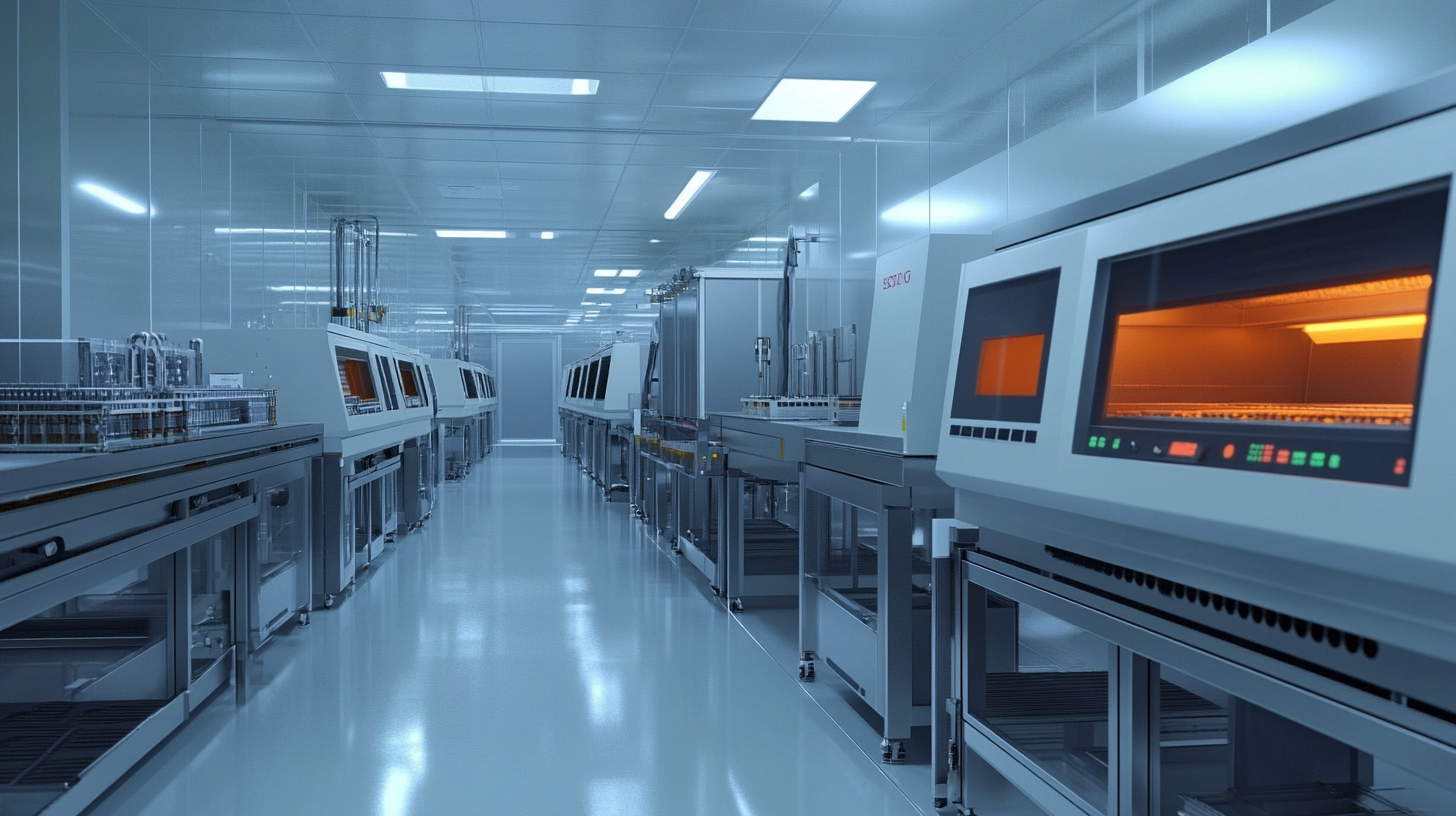
Reflow ovens have a special role to play in the manufacturing of electronics, being an essential part of the assembly of printed circuit boards (PCBA). With the advancement of SMT, the demand for soldering technologies that are faster and more reliable has never been greater. Reflow ovens play an important part in this process, being the one to control the heating to initiate the melting of solder paste to create bonds that usually resist thermal and mechanical loads. The modern reflow ovens come equipped with multiple heating zones and enhanced thermal uniformity to prevent soldering problems such as voids and misalignments.
Manufacturers in rapidly growing electronics are demanding high-performance reflow ovens that meet exacting quality standards. Advances in technology are providing a new lease on improvements in thermal management, which are vital in producing modern electronic devices. Thermal modules in memory modules showcase the need for such modules that would perform efficiently in crammed spaces. As manufacturers strive for excellence in PCBA, the optimization of soldering technologies, reflow ovens included, needs to address the hurdles that lie ahead and assure the reliability of electronic components. The technological advancement in the reflow oven endorses its importance in pushing forward electronics manufacturing capabilities worldwide.
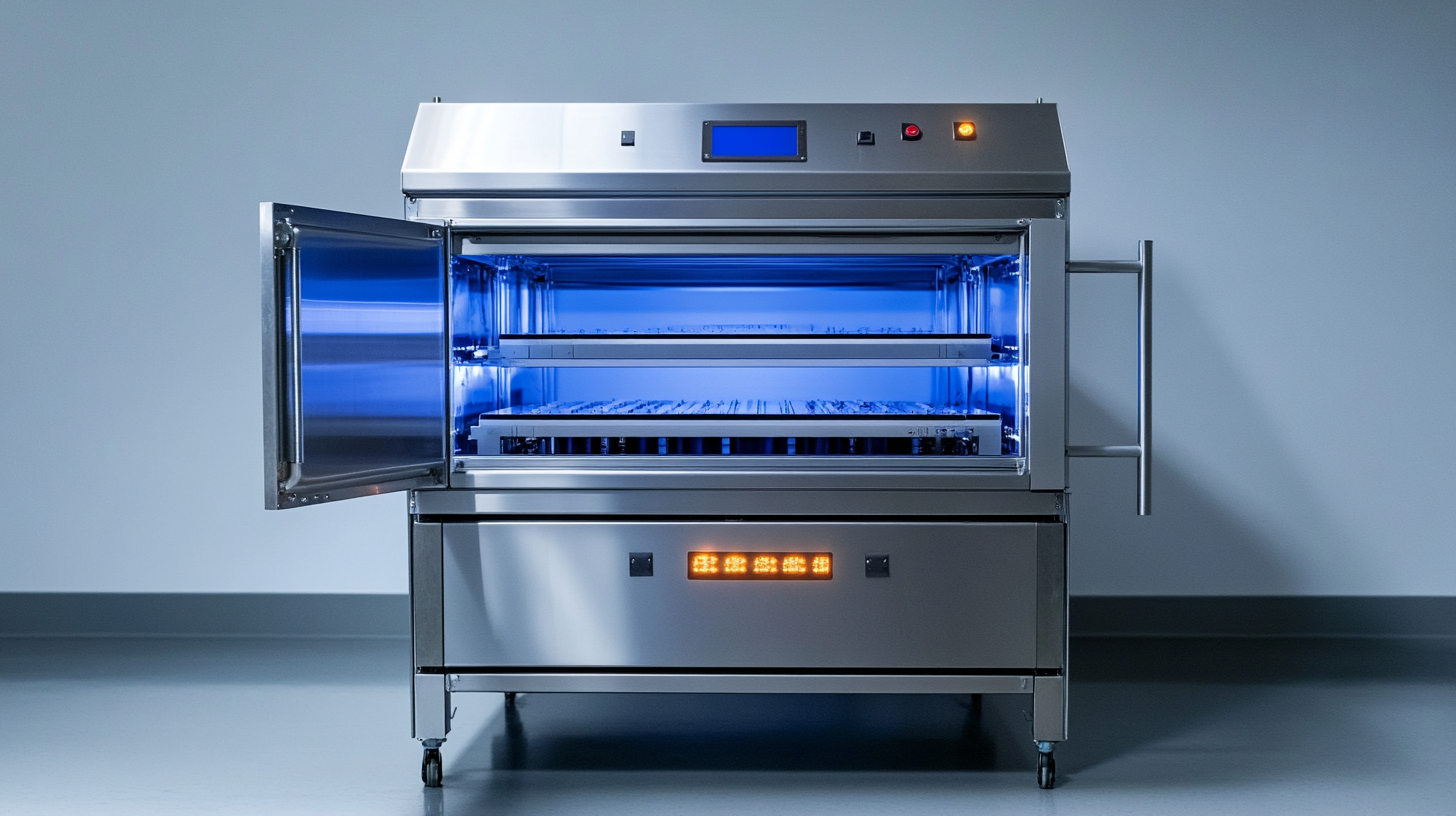
Reflow ovens have become a necessity in electronics manufacturing, reforming the whole workflow in soldering compared to conventional methods. One of the important benefits of a reflow oven is that it gives a uniform heating that permits melting the solder paste evenly on every component. The IPC report states that, by 2024, the global electronics manufacturing market is expected to grow up to $2.5 trillion due to demands for more reliable and effective soldering techniques. It illustrates the trend, as many more are likely to take on reflow ovens for efficiency improvements as well as for product quality enhancement.
Reflow soldering gives better control over soldering. Unlike Wave Soldering, which involves thermal damage during soldering of sensitive components, reflow ovens have temperature profiles for the process. This decreases defects, including solder bridges and cold joints, which compromise the quality of the electronic assembly. Research done by PCB Technology Institute says that reflow ovens reduce solder defects as much as 30% over hand and wave soldering techniques.
The range of profiles available with latest generation reflow ovens enables a company to create a profile for soldering for various materials or types of components. Such flexibility is becoming very important in the present scenario with multi-layered and fine-pitch electronics. The production efficiencies brought by reflow ovens are expected to reduce costs of production by 20%, according to industry experts, making it a strategic tool for manufacturers interested in increasing their output in a competitive marketplace.
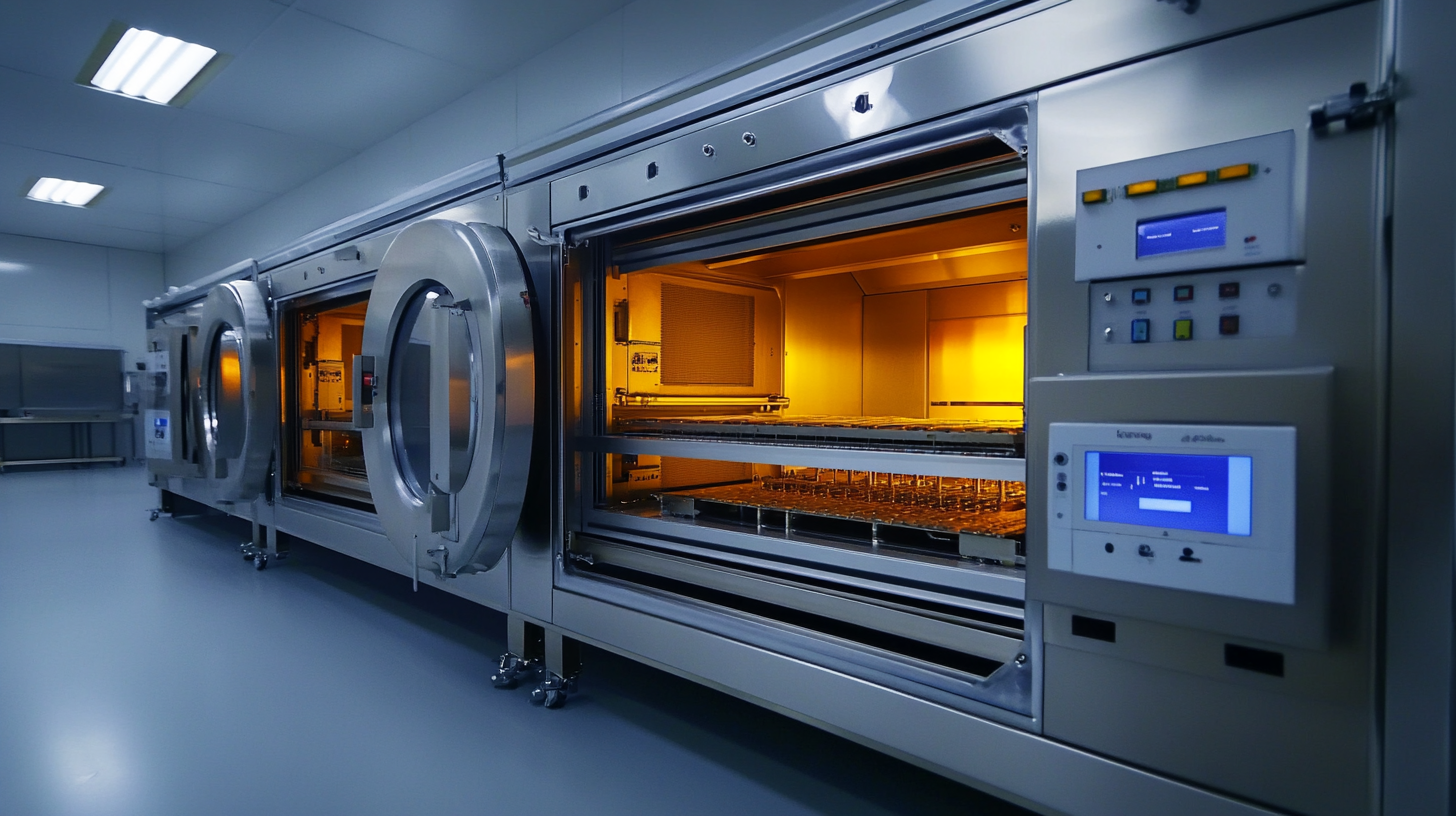
For heating and cooling solder with precision and reliability of electronic connections, reflow ovens are a must-have for factories in the electronic sector. Depending on the type of required production, infrared reflow ovens, convection reflow ovens, and vapor phase reflow ovens have their respective advantages. Infrared reflow oven uses radiant energy to heat the components in a fast, uniform manner, thereby befitting very well production scenarios that are high speed. On the other hand, convection heat is used to circulate hot air around the PCB with the purpose of achieving uniform heating, which is very critical for components that have varying thermal masses.
There have been recent industry reports which claim that a considerably greater number of manufacturers are adopting energy-efficient manufacturing processes to meet set sustainability goals. For instance, convection reflow ovens can cut energy consumption by 30% compared to the older methods. Many industries-well known for high reliability, automotive, and aerospace-follow the same gastric concomitants for solder joint integrity lands praise for vapor phase reflow ovens in thermal performances.
The range of applications for reflow ovens runs the spectrum from low-volume prototyping all the way to high-volume production. From market analysis, the demand for new reflow technologies is estimated to increase with a CAGR of 7% up to the year 2025 as a result of the higher levels of automation in production and the miniaturization of electronic components. This stream signifies not only a shift in manufacturing processes but also the urgent need for the right kind of reflow oven-much so, we may say, process and quality-oriented-to come to terms with operational challenges.
There are several factors to be considered when choosing a reflow oven for production, all of which have a substantial impact on the efficiency-related manufacturability and on the quality of the end product. Chief among these considerations is the oven's temperature control capability. Temperature control assumes greater importance, particularly for multilayer PCB assemblies, since this pertains directly to solder joint reliability. The market shows a significant trend toward systems that feature closed-loop PPM control for increased accuracy. A dedicated controller permits the thermal profiles to be monitored and adjusted consistently, required for the observance of IPC standards.
Key among other things is the oven's compatibility for substrates and solder types, as industries evolve, and customers are demanding less compromise regarding flexibility in their production lines for many materials. There is a trend toward the need for the controller to be customizable so that it can interface with several reflow ovens or hotplates. This means that manufacturers tend to have more streamlined operations and work at reduced costs since they can address specific project requirements without incurring the cost of an entirely new piece of equipment.
The reflow oven's efficiency is often characterized by throughput and energy consumption. The latest industrial reports also suggest that high-efficiency ovens could cut energy consumption by at least 30% relative to conventional ovens. Such efficiency not only brings savings to production but caters to the growing demand for environmentally friendly manufacturing processes. The factors also complement a technology advancement featuring smarter monitoring systems and precise scheduling, which, as a consequence, would impose less downtime on production cycles and increase output.
Reflow soldering forms a vital part in the manufacturing of electronic devices and hence, profiles for temperature become quite crucial to ensure quality soldering. Properly configured temperature profiles have several stages that include preheat, soak, reflow, and cool down. Each of these phases is to be well understood and manipulated so that examples of commonly occurring problems-preventing cold solder joints, solder bridging, or inadequate wetting-might not occur. Most manufacturers require batten calibration for their reflow ovens according to the ideal temperature distribution needed for specific items of circuit board assembly.
During the preheat phase, the assembly is slowly heated to activate the flux and reduce thermal shock. It is therefore critical to maintain accurate temperatures throughout this stage to avoid damage to sensitive components. This comprises the soak where the flux needs reach a temperature plateau at which the whole assembly will be uniformly heated and the solder paste will reach activation. Without these phases, thermo-bonds could be formed without a complete solder joint and, hence, the reliability and performance of the final product will be compromised.
The next step involves heating to the melting point of the solder alloy. The above processes are critical because it is in this form that the solder paste becomes liquid, flows to fill the gaps created between the component and the PCB, and makes strong connections. The cooling phase solidifies the formed solder joints but requires careful handling for thermal stress and reliability. Thus, understanding and controlling the temperature profile in reflow ovens is obviously significant for manufacturers trying to create high-quality electronic assemblies.
Refurbishments in modern reflow ovens have enforced innovations in production lines, making reflow ovens a part and parcel for various manufacturers around the globe. Employing these advanced technologies, these machines improve precision and fluidity, resulting in excellent performance in the soldering process. The rapidly growing demand for electronic components and miniaturization in devices fuels the growth of the global reflow oven market that is set to reach US $ 1.2 billion by 2026, as per industry reports.
Integrated convection heating systems have been the best part of innovation in present reflow ovens. Warm air is circulated uniformly through the entire oven zone, accompanied by quick heating and cooling, such a design as these new ones. The design is imperative in order to provide solder joints that will, in fact, be equally reliable and stand the rigors of modern electronic applications. In addition, the invention of all programmable logic controllers (PLC) enables manufacturers to automate processes so that human errors can be reduced, while throughput can be amplified. The advanced temperature profiling devices also play a vital role, enabling engineers to closely monitor and regulate the soldering process in real-time, thus attaining optimized production yields.
Energy-efficient reflow ovens are the new ones in the market. Most of today's manufacturers, according to recent newsletters, are adopting sustainability in production, such as energy-efficient models that lower energy consumption by about 30%. Less operational costs and lower carbon footprints are, thus, seconder benefits of these ovens as they move with the present trends in the industry toward greener manufacturing. In the end, the technologies of innovation in modern reflow ovens are indeed changing the very face of global manufacturing, improving performance and sustainability.
Reflow ovens play an important role in manufacturing electronics, especially in soldering surface-mounted components onto printed circuit boards (PCBs). However, global manufacturers are faced with many operational challenges, especially as trends in the rapidly changing landscape of electronics production begin to shift. One main concern is the ever-increasing demand for high-quality and highly reliable connections. The IPC report claims that the worldwide electronics manufacturing services market will approach $1 trillion in value by 2025, thus putting a lot of pressure on manufacturers to upgrade their reflow processes in order to achieve these higher standards.
Another primary constraint relates to complexities in managing supply chains that are increasingly plagued by geopolitical developments and fluctuations in material prices. Recently, European aerospace guys have been in the news because of supply chain instability, affecting components critical to the assembly of complex systems that use reflow technology. As manufacturers bear these delays and increased costs, the optimization of reflow oven operations becomes all the more critical to keeping production schedules and quality standards.
In addition to being a great challenge, new material technology enters into the fray in and of itself. New innovative ways, including lead-free soldering, bring with them the tailored problems of temperature sensitivity and poor solder flow. Those problems must be solved by continually upgrading reflow oven technology and educating the workforce in the handling of new processes and materials. Any failure to follow suit with these developments would either mean a loss of competitiveness in an increasingly aggressive world market.
Reflow ovens provide uniform heating, improved control over the soldering process, and the ability to reduce soldering defects by up to 30% compared to manual and wave soldering methods.
By offering customizable profiles for different materials and components, reflow ovens can help reduce production costs by as much as 20%, enhancing overall efficiency.
Key factors include temperature control capability, compatibility with various substrates and solder types, efficiency measured by throughput and energy consumption, and advanced technology features.
Precise temperature management is crucial, especially for multilayer PCB assemblies, as it directly affects the reliability of solder joints and adherence to IPC standards.
Challenges include the demand for higher quality connections, supply chain management issues, and the complexities introduced by new materials and technologies.
High-efficiency reflow ovens can reduce energy consumption by up to 30%, which lowers operational costs and appeals to environmentally conscious market demands.
Flexibility allows manufacturers to adapt to varying project requirements without needing to invest in new equipment, streamlining operations and reducing costs.
To keep up with new materials and technologies, such as lead-free soldering, and to ensure competitiveness in an evolving global market that demands high-quality production.
Smart monitoring systems and precise scheduling capabilities can help minimize downtime and improve overall productivity in manufacturing processes.
It complicates supply chain management, leading to delays and increased costs, making the optimization of reflow oven operations essential for maintaining production schedules.