You know, when it comes to manufacturers striving for the best quality, having efficient quality control in place is absolutely key. Take Aoi Optical Inspection, for example. It's a pretty game-changing technology that helps detect defects on the spot, in real-time, making sure products meet those high standards we’re all after. Companies using this kind of system often see a boost in the accuracy of their production processes — it’s pretty impressive.
That said, it’s worth remembering that relying only on automation can sometimes give a false sense of security. Automated tools are fantastic, but they’re not perfect — you still need human eyes and judgment in the mix. The data from Aoi Optical Inspection is accurate, sure, but interpreting what it means—particularly in tricky or ambiguous cases—really depends on experienced folks who understand the bigger picture and the subtle nuances.
Of course, even the best tech isn't foolproof. Mistakes can happen, no matter how advanced your systems are. That’s why regular checks, audits, and recalibrations are so important to keep everything reliable. As teams face new challenges in quality control, ongoing learning and staying updated is absolutely crucial. Combining cutting-edge technology with skilled, attentive people is the secret sauce for better results. And honestly, striving for continuous improvement is the way to go—because quality isn’t a one-time thing; it’s a journey that never really ends.
Importance of Optical Inspection in Quality Control
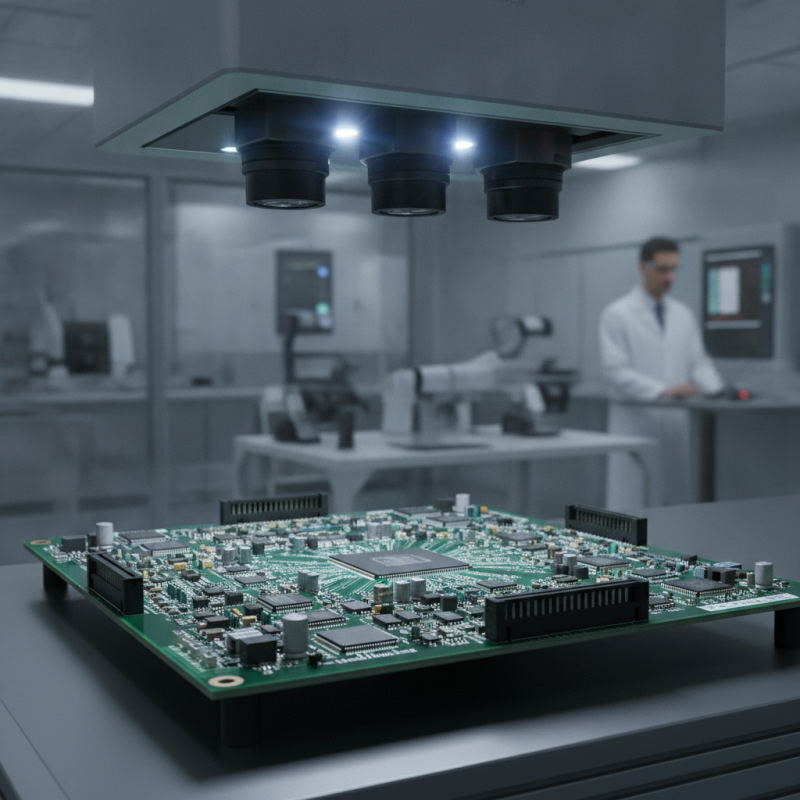
Optical inspection plays a crucial role in ensuring product quality across various industries. It involves using advanced technologies to analyze components and identify defects effectively. Skilled operators assess images captured by high-resolution cameras, seeking flaws in materials or assembly processes. This method not only detects visible defects but also uncovers subtle inconsistencies that can lead to significant performance issues.
The importance of optical inspection lies in its ability to reduce waste and enhance product reliability. By identifying defects early in the manufacturing process, companies can prevent costly recalls and maintain customer trust. However, the reliance on technology also poses challenges. Not every defect is detectable, and equipment calibration can lead to discrepancies in results. Continuous training for operators is vital to maximize the effectiveness of optical inspection techniques. Balancing technology with human judgment ensures a more robust quality control system.
While optical inspection improves efficiency, it also requires ongoing evaluation. An organization must regularly assess the effectiveness of its inspection processes. Feedback from quality control teams is essential for refining these methods. Adapting to new technologies and approaches keeps the inspection process relevant and effective in a fast-changing market. The journey towards flawless quality control is ongoing and demands commitment from all stakeholders involved.
Understanding Aoi (Automated Optical Inspection) Technology
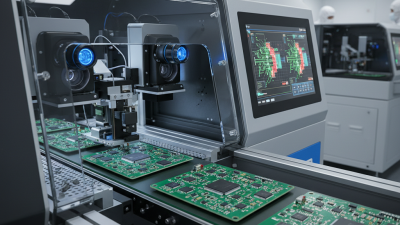
Automated Optical Inspection (AOI) technology is transforming quality control in manufacturing. This advanced method uses high-resolution cameras to inspect printed circuit boards and other components. It helps identify defects that are often invisible to the naked eye. With AOI, companies can significantly reduce errors and improve overall product quality.
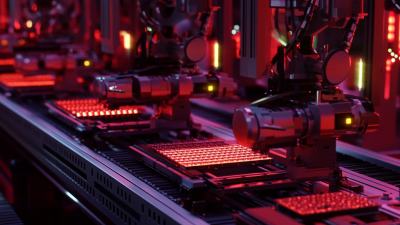
To optimize AOI performance, effective setup and calibration are crucial. Choose the right lighting conditions to enhance defect visibility. Consistent lighting helps in accurate detection. Additionally, ensure that the machine parameters align with the specific inspection goals. This alignment could involve adjusting focus and contrast settings to match the components being processed.
Regular maintenance of AOI systems is essential. Dust and debris on lenses can affect image quality. Operators should establish a cleaning schedule. During inspection, consider using different algorithms for various types of defects. Not all imperfections are equally critical. Some might require immediate action, while others can be monitored over time. This kind of prioritization can improve efficiency and response times.
Embracing a mindset of continuous improvement in the quality control process can yield long-term benefits.
Key Components of Aoi Systems for Effective Quality Control
When it comes to AOI (Automated Optical Inspection) systems, understanding key components is crucial. These systems enhance quality control in manufacturing processes. According to industry reports, around 80% of defects in electronic components are detectable by AOI technology. Core elements such as cameras, lighting, and software algorithms play vital roles in their performance.
The cameras in an AOI system capture images of the products. High-resolution sensors are essential for detecting minute anomalies. Lighting types used can greatly influence detection accuracy. For instance, different wavelengths of light reveal various defects. Software algorithms analyze the captured images, identifying inconsistencies through pattern recognition. Reports indicate that intelligent algorithms can reduce false positives by up to 30%.
While AOI systems offer significant advantages, challenges still persist. Environmental conditions, like dust or lighting variations, can affect inspection results. Regular maintenance of machines is necessary to uphold accuracy and reliability. The packaging of optical components also needs evaluation, as improper handling can induce defects. Understanding these components helps manufacturers enhance their Aoi Automated Optical Inspection Machine's efficiency while improving overall quality control.
Best Practices for Setting Up Aoi Inspection Processes
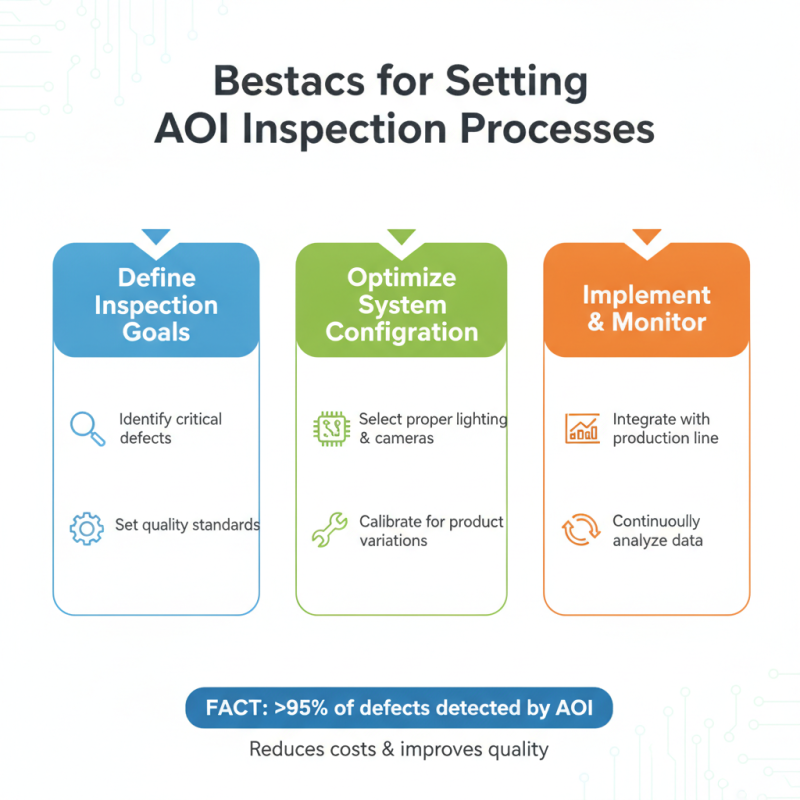
Setting up an effective Automated Optical Inspection (AOI) process is crucial for maintaining high-quality standards in manufacturing. Research shows that over 95% of defects can be detected with AOI machines, making them essential in production lines. Properly configuring your AOI system not only enhances defect detection but also reduces overall inspection costs.
One key tip is to ensure optimal lighting conditions when using AOI machines. Poor lighting can lead to false positives. According to industry data, 30% of inspection errors are attributable to inadequate lighting. Additionally, regular calibration of the equipment is critical; it can help sustain accuracy and reliability in inspections.
Training for operators cannot be overlooked. Ensuring that personnel are proficient in utilizing the AOI machine leads to better interpretation of results. Continuous training can minimize misjudgments and maintain inspection quality. Moreover, it's vital to collect and analyze data from inspections regularly. This practice can highlight recurring issues and help in refining processes over time. Without proper reflection on output, even the most sophisticated AOI setups can fall short in delivering reliable quality control.
Common Challenges in Aoi Optical Inspection and Solutions
In the realm of Aoi Automated Optical Inspection, several challenges can impede optimal performance. One common issue is the presence of false positives. According to a recent industry report, nearly 30% of inspection results may yield inaccuracies, primarily due to lighting conditions and surface reflections. This leads to unnecessary rework and increased production costs. Adjusting lighting settings and calibrating machine parameters can help mitigate this problem, enhancing accuracy.
Another significant challenge is the calibration of inspection systems. Regular maintenance is crucial to ensure precision. Data suggests that systems that lack routine checks can experience up to a 20% decline in inspection quality over time. Operators should establish protocols for periodic calibration and training to address skill gaps. Implementing a structured approach will improve both inspection outcomes and operator confidence in using the technology.
Additionally, integrating machine learning algorithms can boost overall efficiency. Studies show that systems employing AI can reduce error rates by 15% compared to traditional methods. However, reliance on tech without proper understanding can lead to overconfidence. Operators must balance automation's benefits with human expertise to navigate complex inspections effectively. Addressing these challenges is vital for maintaining high-quality production standards.
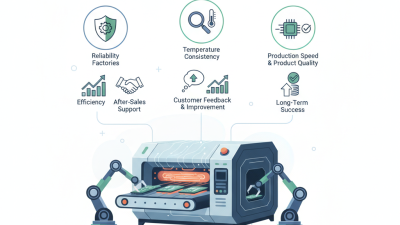
Aoi Optical Inspection Common Challenges and Solutions
Data Analysis Techniques for Optimizing Aoi Results
Data analysis plays a crucial role in optimizing Automated Optical Inspection (AOI) results. Companies in the electronics industry are increasingly relying on data-driven decisions. For instance, a recent study found that employing data analytics in quality control can reduce defects by up to 30%. This improvement arises from the ability to identify patterns and anomalies in production processes.
Collecting data is just the beginning. Analyzing this data effectively can uncover insights that might not be immediately obvious. Techniques such as Six Sigma and Statistical Process Control (SPC) help in drilling down into inspection results. These methods allow manufacturers to focus on critical areas that need improvement. However, it is essential to recognize that data alone does not guarantee quality. Misinterpretation can lead to misguided strategies.
Integrating machine learning can further enhance AOI systems. Recent advancements have shown that using AI algorithms can predict potential failures before they occur. Reports indicate that AI-driven inspection systems show an increase in detection accuracy of nearly 20%. Still, companies must ensure that the data used for training algorithms is clean and representative. A flawed dataset can lead to biases in inspection results, which can compromise the quality control process.
Integrating Aoi with Other Quality Control Methods
Integrating Aoi Auto Optical Inspection with other quality control methods enhances product reliability. This combination offers a more comprehensive view of manufacturing defects. While Aoi provides precise visual checks, additional methods can catch flaws that might slip through.
Implementing statistical process control (SPC) alongside Aoi improves data analysis. SPC tracks variations and helps identify patterns in defects. When Aoi identifies an issue, SPC can provide insights into its source. This collaborative approach reinforces a stronger quality assurance program.
While combining these methods seems effective, challenges exist. Not all teams may adapt quickly to integrated systems. Training and ongoing support are essential to ensure everyone understands how to use these tools effectively. An effective merging of Aoi Auto Optical Inspection and other methods requires patience and continuous improvement.
Aoi Optical Inspection Tips for Efficient Quality Control
| Inspection Method | Description | Benefits | Integration Tips |
| Automated Optical Inspection (AOI) | Uses cameras and software to detect defects in electronic components. | Increases inspection speed and accuracy. | Use with X-ray and functional testing for comprehensive quality checks. |
| X-ray Inspection | Employs X-ray technology to view inner structures of solder joints. | Identifies hidden defects not visible in optical inspection. | Pair with AOI to validate solder quality and detect defects. |
| Functional Testing | Tests the actual performance of the product under operational conditions. | Ensures that the product functions as expected before shipping. | Implement after AOI to catch any functional issues not detected visually. |
| Manual Inspection | Human inspectors review products for defects. | Allows for subjective evaluation of product aesthetics. | Use in tandem with AOI for final aesthetic checks on complex designs. |
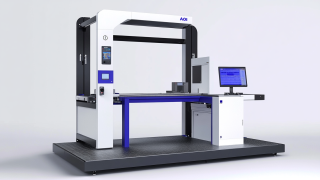
Maximizing Efficiency in Electronics Manufacturing: The Role of the Online SMT THT DIP AOI Machine AIS50X
In the fast-paced world of electronics manufacturing, maintaining high-quality production is paramount. The implementation of advanced automated solutions like the Online SMT/THT/DIP AOI Machine significantly enhances efficiency by optimizing the quality inspection processes. According to industry reports, manufacturers that employ automated optical inspection technology can reduce defect rates by up to 90%, leading to lower rework costs and increased throughput. This technological advancement ensures that assembly processes using Surface Mount Technology (SMT), Through-Hole Technology (THT), and Dual In-Line Package (DIP) components achieve consistent and superior quality standards.
The AIS50X AOI machine is engineered to deliver precise and reliable defect detection across various assembly lines. Utilizing high-resolution imaging technology, it can quickly identify a wide range of assembly defects, such as misplaced components, solder issues, and alignment inconsistencies. Studies suggest that real-time defect identification can enhance production efficiency by as much as 30%, allowing manufacturers to address issues as they arise rather than at the end of the assembly line. The intelligent inspection algorithms ensure that every component and solder joint is meticulously analyzed, guaranteeing that adherence to industry standards is achieved consistently, thereby bolstering consumer confidence in electronic products.
As the electronics industry pushes towards greater automation, the role of machines like the AIS50X becomes increasingly critical. With the capacity for swift analysis and high reliability in defect detection, such systems not only improve production quality but also significantly enhance overall productivity. In an era where precision and speed are vital, integrating innovative AOI solutions into manufacturing processes is essential for staying competitive in a rapidly evolving market.
FAQS
Adjusting lighting settings and calibrating machine parameters can improve accuracy and reduce unnecessary rework.
Without routine maintenance, inspection quality can decline by 20% over time, impacting production outcomes.
Data analysis helps identify patterns, reducing defects by up to 30% in production processes through informed decision-making.
Methods such as Six Sigma and SPC allow manufacturers to focus on critical improvement areas based on inspection data.
Overconfidence in tech without proper understanding can lead to mishandling complex inspections and errors.
Yes, AI can increase detection accuracy by nearly 20%, but data must be clean and representative to avoid biases.
Misinterpretation of data can lead to poor strategies, hindering quality rather than improving it.
Regular training should be established to address skill gaps and improve operator confidence with AOI technology.
Companies must ensure that training data is accurate and comprehensive to prevent biases in inspection results.
Conclusion
Aoi Optical Inspection plays a critical role in ensuring product quality within manufacturing processes. By leveraging Automated Optical Inspection technology, companies can detect defects with high accuracy, thereby enhancing overall quality control. Understanding the key components of Aoi systems is essential for effective inspections, including cameras, lighting, and software algorithms that work together to identify inconsistencies in materials.
To maximize the benefits of Aoi Optical Inspection, best practices should be established for setting up inspection processes. This includes addressing common challenges such as false positives and aligning inspection parameters with specific product standards. Additionally, employing data analysis techniques can optimize Aoi results, enabling continuous improvement in quality control. Integrating Aoi with other quality assurance methods further strengthens the inspection framework, creating a robust system for maintaining high-quality products.