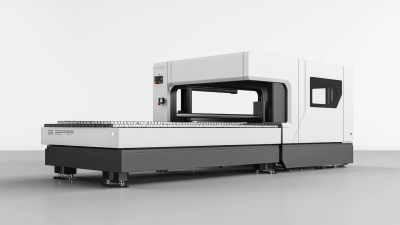
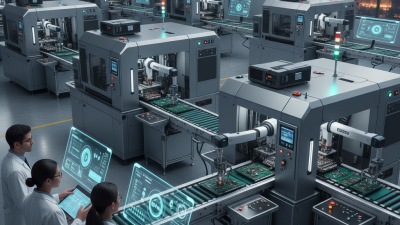
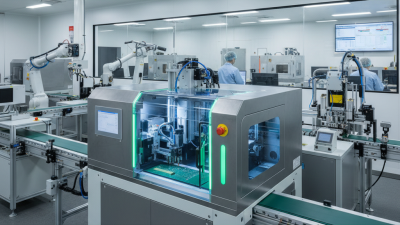
In the world of electronics manufacturing, Smt Pick And Place Machines are pretty much the backbone of assembling components onto printed circuit boards, or PCBs for short. This tech really helps speed things up and keeps everything super accurate. Manufacturers depend on these machines to handle tiny parts with care, which cuts down on mistakes. Sure, they can boost production rates a lot, but you’ve got to have skilled folks running them — it’s not just set it and forget it.
If you’re into electronics, understanding how Smt Pick and Place actually works is pretty important. Basically, these machines use smart robotics to position components just right. They’ve got vision systems that make sure every part is oriented the right way. That said, automation isn’t foolproof. Sometimes, if the machine misreads a component or it’s out of alignment, it can slow things down or cause delays. That’s why regular maintenance and proper training are key — it helps keep things running smoothly.
Overall, there’s no denying that Smt Pick and Place machines are incredibly effective. But like anything, there’s always room to get better. Companies should keep thinking about how they can upgrade their tech and train their staff better. Staying on top of the latest innovations in this area is crucial if they want to stay competitive in such a fast-moving industry.
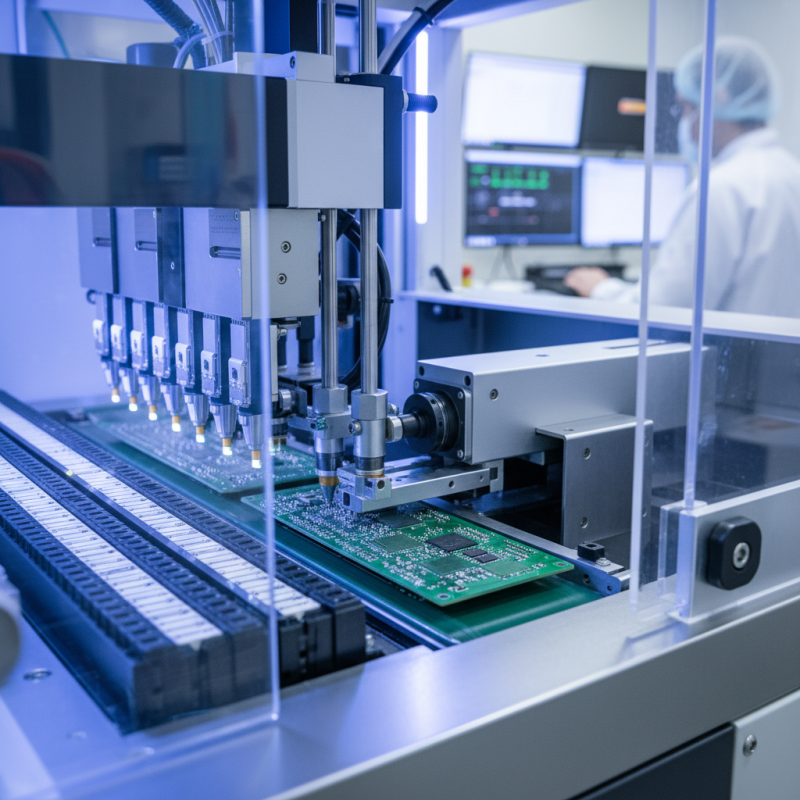
Introduction to SMT Pick and Place Technology
SMT pick and place technologyis essential in modern electronics manufacturing. It automates the process of placing components on printed circuit boards (PCBs) with precision and speed. According to a report by IPC, the global market for Smt Machines is expected to grow by over5% annually through 2025. This technology allows manufacturers to achieve higher efficiency and reduce the risk of human error, which is vital for maintaining quality.
When examining SMT pick and place systems, one must consider their varying capabilities. Some machines can handle components as small as 0201 size. This adaptability is crucial, as the trend towards miniaturization continues. However, integrating Smt Pick Place into production can be challenging. Operators may face issues such as programming the machines and ensuring component availability. The tension between automation and manual oversight raises questions about the balance in production lines.
Data from industry surveys shows that 70% of manufacturers believe SMT pick place technology improves overall productivity. Yet, concerns remain about the initial investment and maintenance costs. Companies need to weigh these factors carefully. While SMT pick and place offers significant benefits, understanding the complexities involved is vital for successful implementation.
Components Involved in SMT Pick and Place Systems
SMT (Surface Mount Technology) pick and place systems are essential for modern electronics manufacturing. They rely on various components to ensure precision and efficiency. Key components include the vision system, the conveyor, and the suction tool. Each plays a crucial role in the placement of components onto printed circuit boards (PCBs).
The vision system helps identify the exact location where components should be placed. It captures high-resolution images, enabling the machine to adjust for any misalignments. This accuracy is vital for creating reliable electronic devices. The conveyor system transports PCBs seamlessly through different stages of the assembly process. It keeps the workflow steady and minimizes downtime.
Suction tools are responsible for picking up components, typically with a vacuum mechanism. They must handle various shapes and sizes, which can be challenging. Fine-tuning suction power is critical; too little and the component may drop, too much and it may get damaged. Each component's weight and design require careful consideration to avoid issues. These complexities highlight the need for skilled operators and regular maintenance. Continuous improvement and troubleshooting are part of ensuring these systems operate smoothly.
The Working Principle of SMT Pick and Place Machines
SMT pick and place machines play a crucial role in modern manufacturing. They automate the process of placing electronic components onto printed circuit boards (PCBs). The ability to handle a variety of component sizes and types makes these machines valuable. Typically, they use a specialized robotic arm equipped with suction cups or grippers to pick components from a designated area.
The working principle of these machines is straightforward yet fascinating. The machine scans the PCB to determine where each component needs to be placed. After this assessment, it activates the robotic arm to pick the components from their trays. Precision is key here, as the placement accuracy can significantly impact overall product quality. However, this isn't always perfect. Occasionally, misalignment occurs, which results in a need for calibration and adjustment.
Another important aspect is the software that drives these machines. It controls the speed and path of the arm, ensuring efficiency and accuracy. Sometimes, the software encounters bugs or errors, leading to a higher rate of defects. Continual testing and updates are necessary to mitigate these issues. Manufacturers must also consider the need for routine maintenance to keep the machines running smoothly, as wear and tear can lead to unexpected downtime.
Types of SMT Pick and Place Machines Available
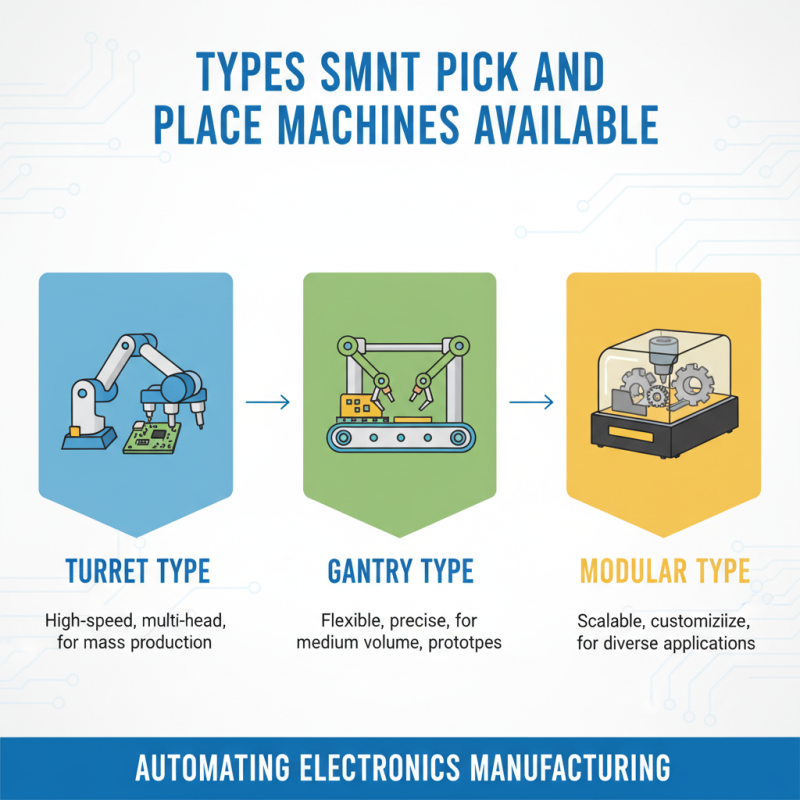
When discussing various types of Smt Pick And Place Machines, it’s important to recognize their distinct functionalities. These machines are essential in modern electronics manufacturing. They automate the process of placing surface mount devices on printed circuit boards, ensuring precision and speed.
One common type of SMT pick and place machine is the gantry style. This machine uses a bridge structure to move the placement head. Gantry machines are known for their accuracy, but they can be complex to set up. Another type is the desktop machine, which is ideal for smaller operations. While these machines have limited capabilities, they are user-friendly and cost-effective.
Other options include high-speed models designed for large-scale production. These machines can handle a high volume of components in less time. However, they require regular maintenance and calibration. Additionally, each type presents unique challenges. The effectiveness may vary based on the specific production needs. Understanding these differences helps manufacturers choose the right SMT pick and place machine for their operations.
Advantages of Using SMT Pick and Place Technology
SMT pick and place technology has transformed how electronic components are assembled. This automation technique offers multiple benefits, making it a popular choice in manufacturing. For instance, it improves accuracy in component placement. Errors in manual assembly can lead to costly reworks. Automation minimizes this risk significantly.
Another advantage is the increase in production speed. SMT pick and place machines can operate at remarkable speeds, placing components quickly and efficiently. This capability allows manufacturers to meet tight deadlines more easily. However, while automation is efficient, it also poses challenges. Machine calibration is key. If not properly maintained, the machines can malfunction, leading to production delays.
Cost efficiency is also noteworthy. Although there is an upfront investment, the long-term savings are evident. Reduced labor costs and waste contribute to a healthier bottom line. However, complex setups and programming can take time to master. Companies must weigh these factors when adopting SMT pick and place machines. Balancing automation and human oversight often leads to the best results for manufacturers.
What is Smt Pick Place and How Does It Work? - Advantages of Using SMT Pick and Place Technology
| Dimension | Description | Advantages |
| Speed | High-speed assembly of components | Reduces production time, increases throughput |
| Accuracy | Precise placement of components | Minimizes defects and ensures high quality |
| Flexibility | Capable of handling various component sizes and types | Adapts to different production needs easily |
| Cost-effectiveness | Automated processes reduce labor costs | Lower overall production costs |
| Scalability | Easily scales up for increased demand | Supports business growth and expansion |
Common Applications of SMT Pick and Place in Industry
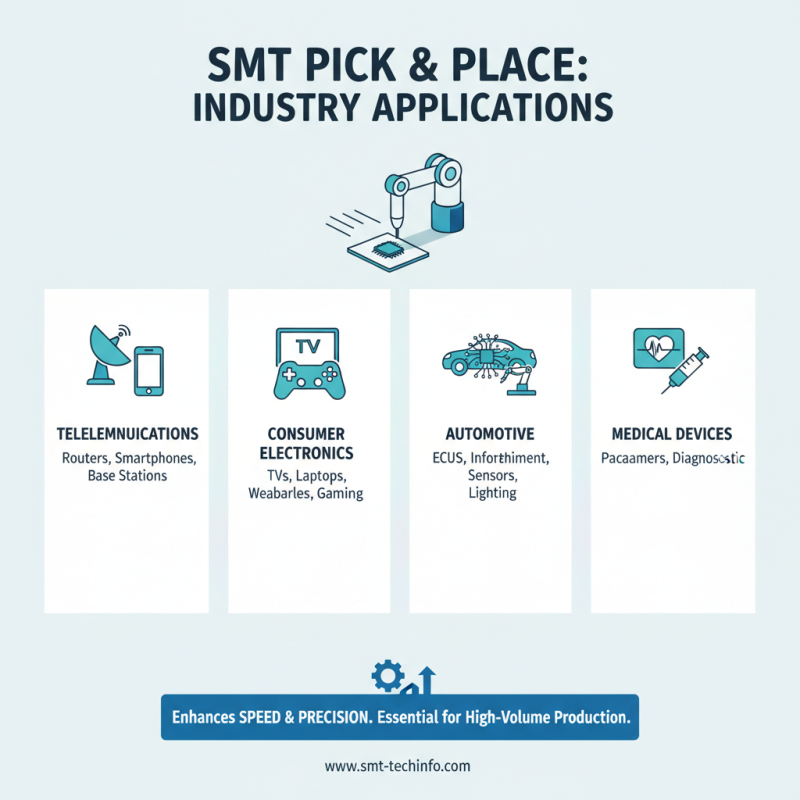
SMT pick and place technology plays a vital role in various industries. This process involves the automation of placing components onto printed circuit boards (PCBs). It greatly enhances assembly speed and precision. Industries ranging from telecommunications to consumer electronics rely on this technology. Automated machines streamline the production line, helping companies meet high demands efficiently.
In manufacturing, Smt Pick And Place Equipment is critical. It ensures accurate placement of tiny components, often just a few millimeters in size. These machines help reduce human error. For instance, a misplaced component can lead to device failures. Fast and efficient placement protects product quality and decreases waste. However, while these machines can increase productivity, they also require proper maintenance and calibration. Without regular checks, their performance may decline, leading to production setbacks.
Beyond traditional electronics, SMT pick and place is finding applications in automotive and medical devices. As technology advances, the components used are becoming smaller and more complex. This creates challenges in handling and assembling them. Companies must continually adapt their equipment and processes. Learning from mistakes and seeking improvement is key to success in this evolving landscape.
Maintenance and Troubleshooting of SMT Pick and Place Equipment
SMT pick and place equipment is essential for efficient electronic manufacturing. However, proper maintenance and troubleshooting are crucial. Regular inspections can prevent costly downtime. According to a 2023 industry report, 30% of manufacturing interruptions stem from neglected maintenance.
Operators should check for misalignment in feeders and nozzles. Minor adjustments can drastically improve accuracy. Dust and debris often accumulate and lead to mechanical failures. Keeping the workspace clean can reduce repair needs. Regularly monitor components for wear and tear.
**Tips:** Schedule routine maintenance checks. Use a checklist for components that require frequent inspection. Training staff on basic troubleshooting can empower them to address issues quickly. A well-trained team can reduce delays.
Understand that not every glitch signals an expensive fix. Sometimes, problems arise from simple software errors. Updating software can resolve unexpected behavior. Investigating error codes can lead to straightforward solutions. Always refer to equipment manuals for guidance on specific issues.
Enhancing PCB Assembly Efficiency: The Advantages of the Online SMT THT DIP AOI Machine AIS50X
The AIS50X Online SMT/THT/DIP AOI Machine represents a transformative advancement in automated optical inspection technology, critically enhancing the efficiency of PCB assembly processes. Designed for a diverse range of electronics manufacturing environments, this high-speed machine delivers precise defect detection, ensuring that every component conforms to industry standards. Its capability to effectively inspect Surface Mount Technology (SMT), Through-Hole Technology (THT), and Dual In-Line Package (DIP) components allows manufacturers to streamline their operations and produce higher quality assemblies.
Equipped with cutting-edge high-resolution imaging technology and intelligent inspection algorithms, the AIS50X identifies a wide array of assembly defects that could compromise product integrity. From missing or misaligned components to issues like solder bridges and tombstoning, this machine excels in capturing and analyzing images with remarkable accuracy. By providing rapid and reliable results, the AIS50X not only enhances productivity but also plays a critical role in maintaining the high standards expected in electronics manufacturing, aiding companies in achieving operational excellence and customer satisfaction.
FAQS
: The vision system identifies where components should be placed on PCBs. It captures high-resolution images for precision.
The conveyor system transports PCBs through different stages. It maintains a steady workflow and minimizes downtime during production.
Suction tools pick up components using a vacuum mechanism. They must handle different shapes and sizes, balancing suction power carefully.
Yes, there are various types like gantry and desktop machines. Each type has its own functionalities and challenges.
SMT technology is crucial in industries like telecommunications and consumer electronics. It enhances assembly speed and reduces human error.
Regular maintenance ensures optimal performance. Without it, machine efficiency may decline, causing production delays and increased waste.
Smaller machines, like desktop variants, are user-friendly but have limited capabilities. They work well in smaller operations.
High-speed models can handle large volumes but require frequent maintenance and calibration to remain effective.
Smaller components complicate handling and assembly. Companies must adapt processes continuously to address these challenges.
Companies should learn from mistakes and evolve their equipment and processes. Continuous improvement is essential for success.
Conclusion
SMT Pick Place technology is an essential process in modern electronics manufacturing, facilitating the precise placement of surface mount components onto printed circuit boards (PCBs). This technology involves various components, including feeders, vision systems, and conveyor belts, which work in unison to ensure accurate and efficient assembly. The fundamental principle relies on accurately picking components from their designated slots and placing them in specified locations on the PCB.
There are several types of SMT Pick Place machines available, each catering to different manufacturing needs and production volumes, offering advantages such as increased speed, precision, and reduced labor costs. Common applications of SMT Pick Place technology span various industries, making it a vital tool in sectors ranging from consumer electronics to automotive manufacturing. Proper maintenance and troubleshooting practices are crucial for ensuring the longevity and optimal performance of SMT Pick Place equipment, making it a key area of focus for manufacturers aiming to maintain high-quality production standards.