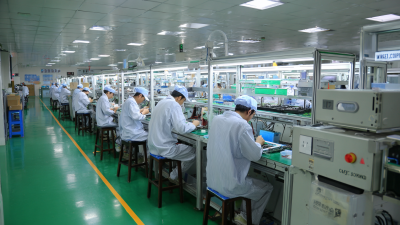
In the ever-changing world of electronics, having efficient PCB assembly is more important than ever. As devices get smaller but more powerful, manufacturers really need dependable solutions. That's where Pick And Place Smd machines come into play—they've pretty much become a must-have. These machines do the heavy lifting by automatically placing surface-mount components, which means better accuracy and faster production times.
Brands like Yamaha, Panasonic, and Juki are leading the charge with some pretty innovative designs. Their equipment is built to perform, but let’s be honest—no one machine is perfect for everything. Some might have trouble handling certain component sizes, or maybe they come with a bit of a learning curve. So, it’s super important to really think about what your specific needs are before making a choice.
Fast assembly isn’t just about working quickly—accuracy and flexibility matter just as much. Picking the right Pick and Place SMD machine can really boost your productivity. But at the same time, you’ve gotta make sure it’s a good fit for your entire production line. When choosing your equipment, take a close look at both what it excels at and where it might fall short. In the end, the right decision can make a big difference in how smoothly things run.
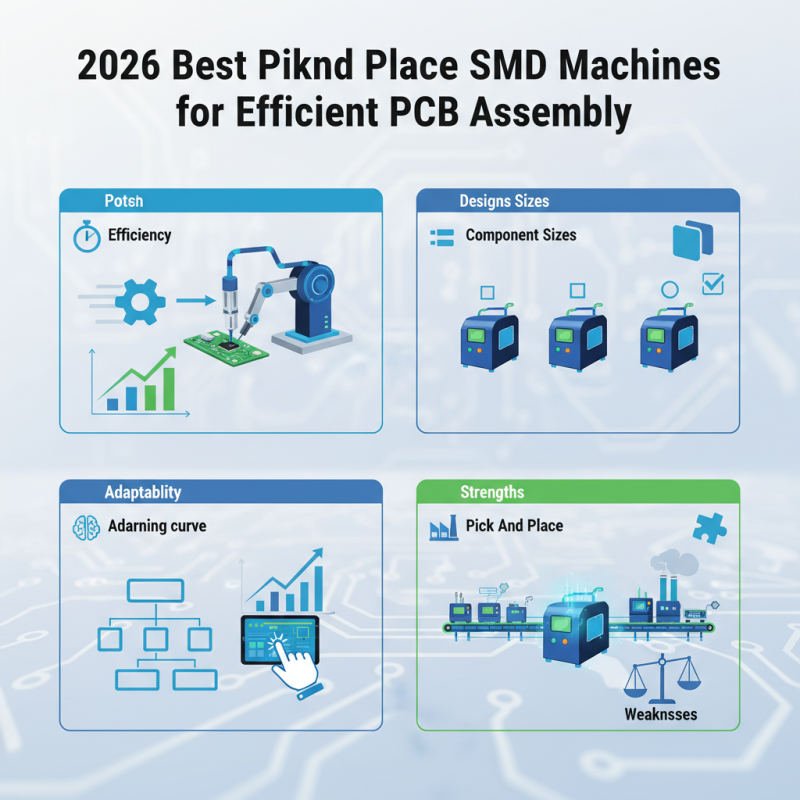
In 2026, the landscape of PCB assembly is evolving. SMD machine trends focus on automation and precision. These machines are now designed to be faster and more reliable. Manufacturers are adopting smarter technologies, making it easier to integrate advanced features. High-speed placement is becoming a standard.
However, despite these advancements, challenges remain. The increasing complexity of PCBs can lead to setup difficulties. Operators must stay educated on new software tools. Training is crucial for maximizing machine potential. In many cases, the human factor is overlooked, which can impact efficiency.
Quality control also faces new hurdles. As machines speed up, maintaining accuracy is essential. It's vital to implement thorough testing processes after assembly. The emphasis on efficiency must not compromise product quality. Practicing continuous improvement in both technology and human resources is key for success.
This chart illustrates the efficiency ratings of various SMD machines in the market for 2026, showcasing their impact on PCB assembly processes.
In 2026, the best pick and place SMD machines are designed to enhance efficiency in PCB assembly. Key features include high-speed placement capabilities. These machines can place thousands of components per hour. Precision is crucial; even a slight misalignment can disrupt production. A feedback system can help adjust in real-time, increasing accuracy.
User-friendly interfaces are essential. Operators should navigate settings with ease. Automation can reduce human error but needs regular maintenance. Complexity in operation can sometimes lead to mistakes. Regular training is important to keep staff skilled. Some machines offer modular designs. Flexibility allows for upgrades as technology advances.
Moreover, the best machines incorporate advanced vision systems. They identify components and verify their placement. However, issues might arise with inconsistent lighting or component variations. Addressing these challenges is vital for reliable performance. Investing in quality components can minimize future problems. Balancing cost and efficiency remains a critical reflection point for manufacturers.
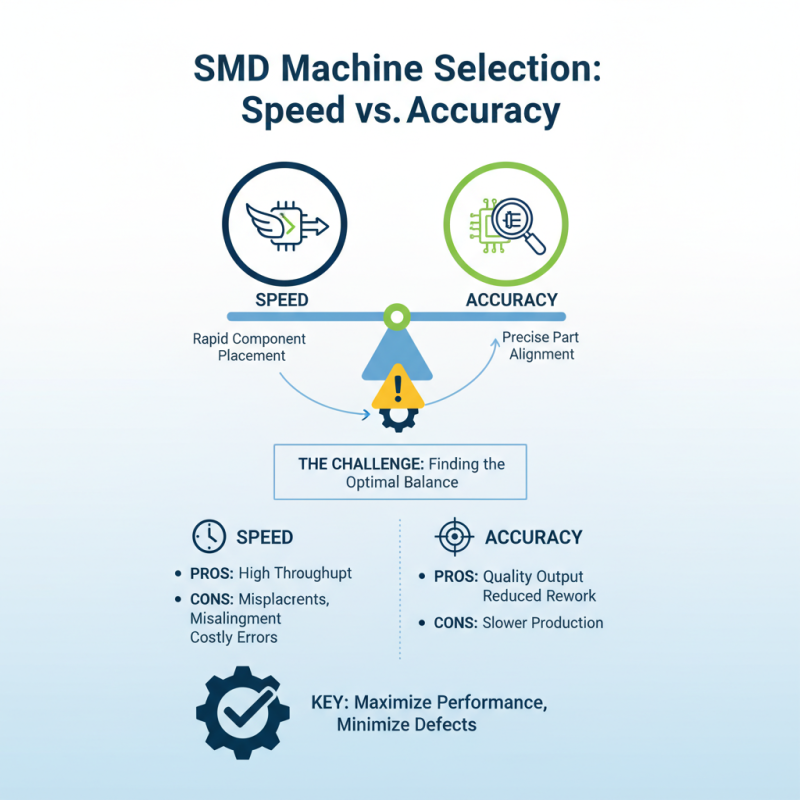
When selecting SMD machines for PCB assembly, performance metrics are crucial. Speed is a primary concern. High-speed machines can place components rapidly, but speed should not compromise accuracy. A fast machine may miss placements or misalign parts. This can lead to costly errors and rework. Operators often face the challenge of finding the right balance between speed and precision.
Accuracy plays a significant role in successful assembly. Machines with advanced vision systems can detect misalignments instantly. They ensure that components are placed correctly, enhancing the overall quality. However, achieving consistent accuracy can sometimes be difficult. Regular calibration and maintenance are essential. Compromised accuracy can result from dust or worn-out parts. It is a challenge that teams must continuously address.
Reliability is another vital aspect. A reliable SMD machine reduces downtime. Frequent breakdowns disrupt production and hinder efficiency. However, even the most trustworthy machines may experience unexpected issues. Operators must be prepared to troubleshoot quickly. Investing time in staff training can mitigate these challenges. Ensuring your team is knowledgeable can lead to smoother operations and fewer mistakes. In an industry where efficiency is everything, finding a machine that excels in these areas is crucial.
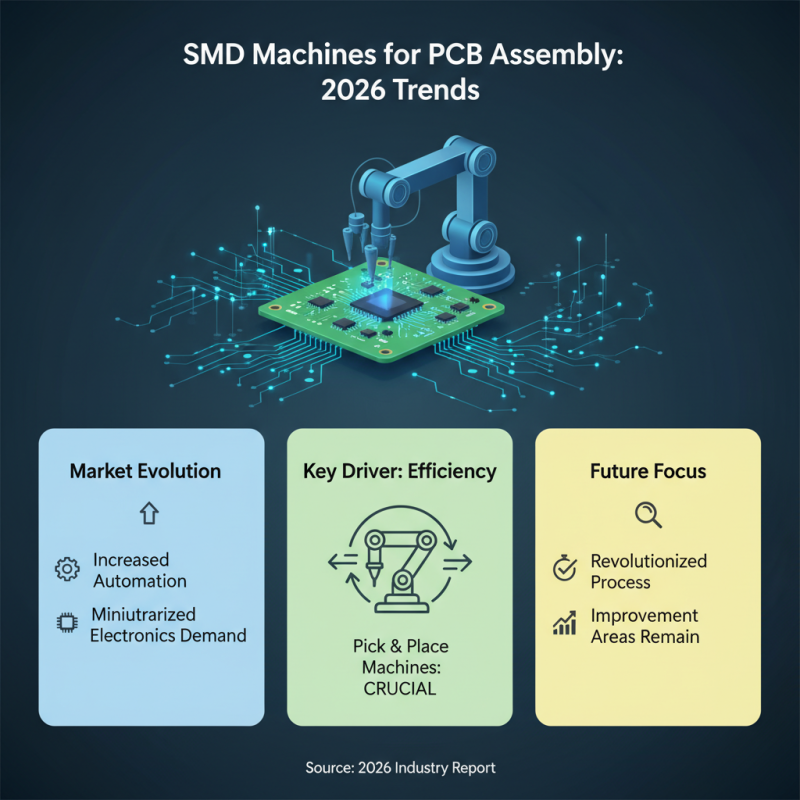
In 2026, the landscape of SMD machines for PCB assembly is evolving rapidly. An industry report indicates that market growth is driven by increased automation and demand for miniaturized electronics. The efficiency of Pick And Place Machines is crucial. These machines have revolutionized the assembly process, but there are still areas for improvement.
Leading brands in the SMD equipment sector are focusing on precision and speed. Recent studies suggest that a machine with a placement accuracy of ±0.02 mm significantly reduces wastage. However, many users report challenges with maintaining these high standards consistently. Calibration and routine maintenance often fall short, leading to production delays.
Overall, the competitive nature of the market pushes manufacturers to innovate. Data indicates that integrating AI can enhance decision-making during assembly. Yet, the learning curve for operators remains steep. As companies adopt new technologies, they must consider training and adapting their workforce. The balance between automation and human skill is delicate yet vital for future success.
Investing in advanced SMD assembly equipment can be a game-changer for PCB manufacturers. However, the initial costs can be daunting. Many companies weigh the benefits against their budget. A thorough cost analysis is essential. It helps identify potential savings and long-term gains. For example, improved assembly speed reduces labor costs. This efficiency can quickly add up.
Moreover, advanced machines often come with better features. They may include precise placement, which minimizes errors. Fewer defects mean less rework. Yet, the transition to these machines requires training. Staff must adapt to new technologies. This learning curve can delay production, causing initial setbacks. Balancing investment with operational flow is crucial.
In some cases, the ROI may take time to realize. Some businesses find that the upfront expenditure limits their flexibility. Others worry about upkeep costs. Regular maintenance can add to operational expenses. Evaluating these factors can help businesses make informed decisions. Ultimately, the choice to invest in SMD equipment should align with long-term goals. It’s about finding the right balance between cost and efficiency.
| Machine Model | Placement Rate (CPH) | Average Cost ($) | Power Consumption (W) | Return on Investment (Years) |
|---|---|---|---|---|
| Model A | 5000 | 25,000 | 120 | 3 |
| Model B | 6000 | 30,000 | 150 | 2.5 |
| Model C | 7000 | 35,000 | 200 | 2 |
| Model D | 8000 | 40,000 | 180 | 1.5 |
| Model E | 9000 | 50,000 | 220 | 1.8 |
In 2026, innovative technologies are transforming pick and place operations in PCB assembly. The rise of artificial intelligence (AI) and machine learning is reshaping how components are handled. Recent industry reports indicate that AI can improve placement accuracy by up to 30%. This shift allows for faster production rates, helping manufacturers meet increasing demand.
Automated visual inspection systems now analyze components before placement. These systems can catch defects early, significantly reducing waste. According to a study, companies using such systems have reported a 20% reduction in defects. However, integrating these technologies can be challenging. Older equipment may not support new software upgrades, impacting productivity.
Tip: Regularly assess your existing machines. Upgrading can prevent bottlenecks.
Flexible pick and place machines can adapt to various component sizes. These advancements streamline production lines, but they also present challenges in training personnel. Many workers need time to adjust to new systems. Keeping training programs up to date is crucial for smooth transitions.
Tip: Invest in comprehensive training sessions. This will boost employee confidence and efficiency.
In the world of PCB assembly, SMD machines have changed the game. Many companies now rely on these machines for assembling their printed circuit boards efficiently. One interesting case study involved a mid-sized manufacturer facing production bottlenecks. After integrating an SMD machine, they saw a notable reduction in assembly time. However, initial adjustments to the new machine led to some misalignment issues. It took time for the staff to fully adapt to the new configurations.
Another example is a startup that focused on custom PCB designs. They adopted SMD technology to improve their prototyping process. The improvement was significant, but they encountered challenges in managing component placement accuracy. Frequent calibration was necessary to maintain precision, and this became a point of reflection for the team. They realized that while the machine enhanced efficiency, it required ongoing attention and training.
These examples highlight both the advantages and the challenges of using SMD machines. They can speed up production and increase output. Yet, successful implementation demands careful planning and continuous improvement. As companies navigate these waters, they must remain adaptable and proactive. This balancing act can lead to more effective PCB assembly processes in the long run.
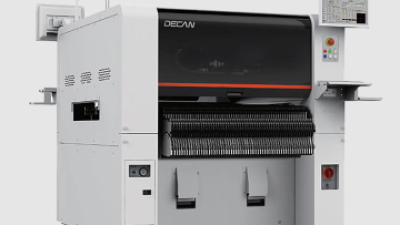
In the fast-evolving landscape of electronics manufacturing, optimizing production lines is crucial for maintaining competitiveness and meeting ever-changing technological demands. The Hanwha Decan S2 SMT pick and place machine stands out with its advanced features designed to enhance efficiency and accuracy in the placement of components. With the ability to handle even the tiniest 03015 components, this machine exemplifies precision engineering, making it an ideal choice for companies looking to streamline their manufacturing processes.
One of the most impressive attributes of this flexible mounter is its capability to achieve an optimum placement rate of 92,000 components per hour. This high-speed performance significantly reduces cycle times and increases overall productivity, enabling manufacturers to adapt quickly to market fluctuations and customer requirements. Coupled with its reliability and ease of use, the Hanwha Decan S2 offers a comprehensive solution that not only meets current production needs but also anticipates future challenges in the electronics industry. As such, investing in this technology equips manufacturers to stay at the forefront of innovation, driving success in a competitive environment.
: The service aims to connect people for meaningful interactions.
You can sign up by visiting the official website and filling out the registration form.
Yes, users must be at least 18 years old to register and participate.
Anonymity is limited. Users are encouraged to create a profile with some personal information.
Expect a variety of interactions, including messaging and group activities.
Basic features are free, but some premium features may require payment.
You can report issues directly through the platform's reporting tools.
Yes, users can delete their accounts easily from the settings menu.
A password reset option is available on the login page.
While measures are taken to protect data, there is always some risk involved in sharing information online.
The article "2026 Best Pick And Place SMD Machines for Efficient PCB Assembly" explores the latest trends and technologies shaping the landscape of surface mount device (SMD) assembly. Key discussions include the performance metrics vital for successful pick and place SMD operations, focusing on speed, accuracy, and reliability, which are crucial for enhancing PCB assembly efficiency.
Innovative technologies introduced in 2026 are set to revolutionize pick and place operations, showcasing notable advancements that improve operational efficiency. The article also presents a comparative analysis of leading brands in the industry, along with a detailed cost analysis highlighting the return on investment for advanced SMD assembly equipment. Furthermore, real-world case studies illustrate successful implementations of pick and place SMD machines, providing insights into their practical applications and benefits in PCB assembly.