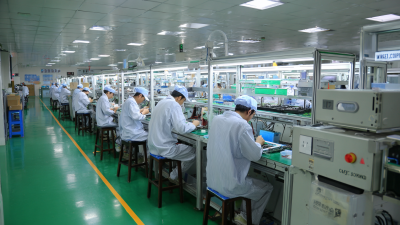
Lately, there's been a real spike in folks and small businesses looking for affordable and customizable options in the electronics manufacturing world. You know, especially as more hobbyists dive into surface mount technology (SMT), there's a buzz around DIY solutions. 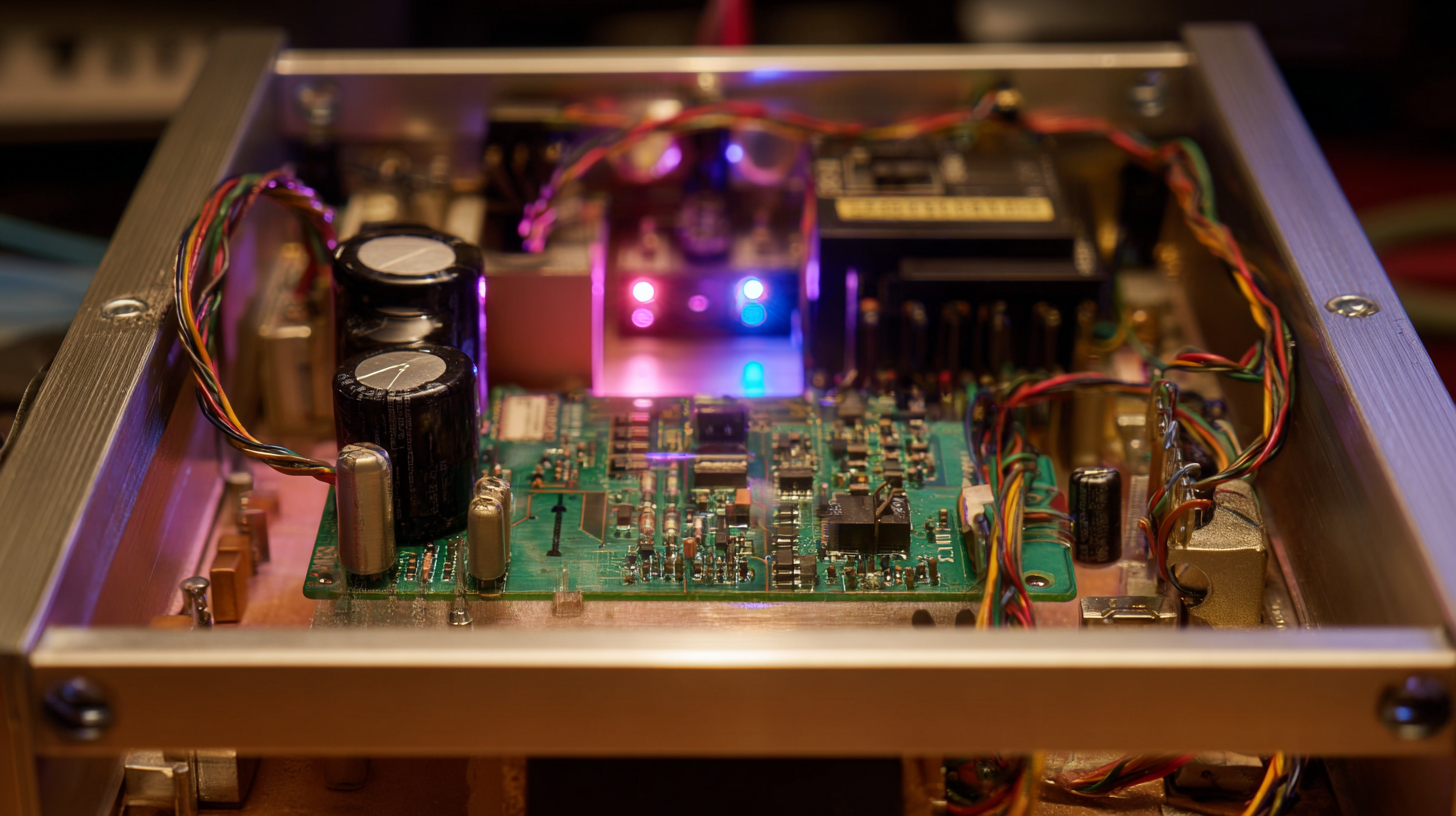 One of the coolest trends right now is the Diy Reflow Oven — it’s like a game-changer because you can do precise soldering on your own, no need for those bulky, costly industrial machines. Industry stats bet that the global SMT market will hit over $30 billion by 2025 — pretty wild, huh? It really shows how more people are after accessible, hands-on manufacturing gear.
Companies like MOREL EQUIPMENTS CO., LIMITED, with over 15 years under their belt in SMT, totally get this vibe. They've started offering gear that pairs well with DIY setups — stuff like pick-and-place machines and automatic soldering robots — so users can ramp up their production and cut costs at the same time. It’s all about empowering more creators and small-scale manufacturers to get the job done without breaking the bank.
Understanding the Basics: What is a DIY Reflow Oven and Why You Need One
Thinking about building your own reflow oven? It's actually a pretty cool project, especially if you're into electronics. Basically, a DIY reflow oven is a special device that helps you solder tiny electronic parts onto printed circuit boards, just like those professional machines in factories. The awesome part? It heats the PCB to just the right temperature to melt the solder paste and make solid, reliable connections. Once you've got it set up, it’s like having a mini factory at home—super handy for hobbyists and engineers alike.
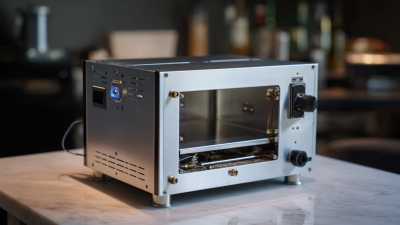
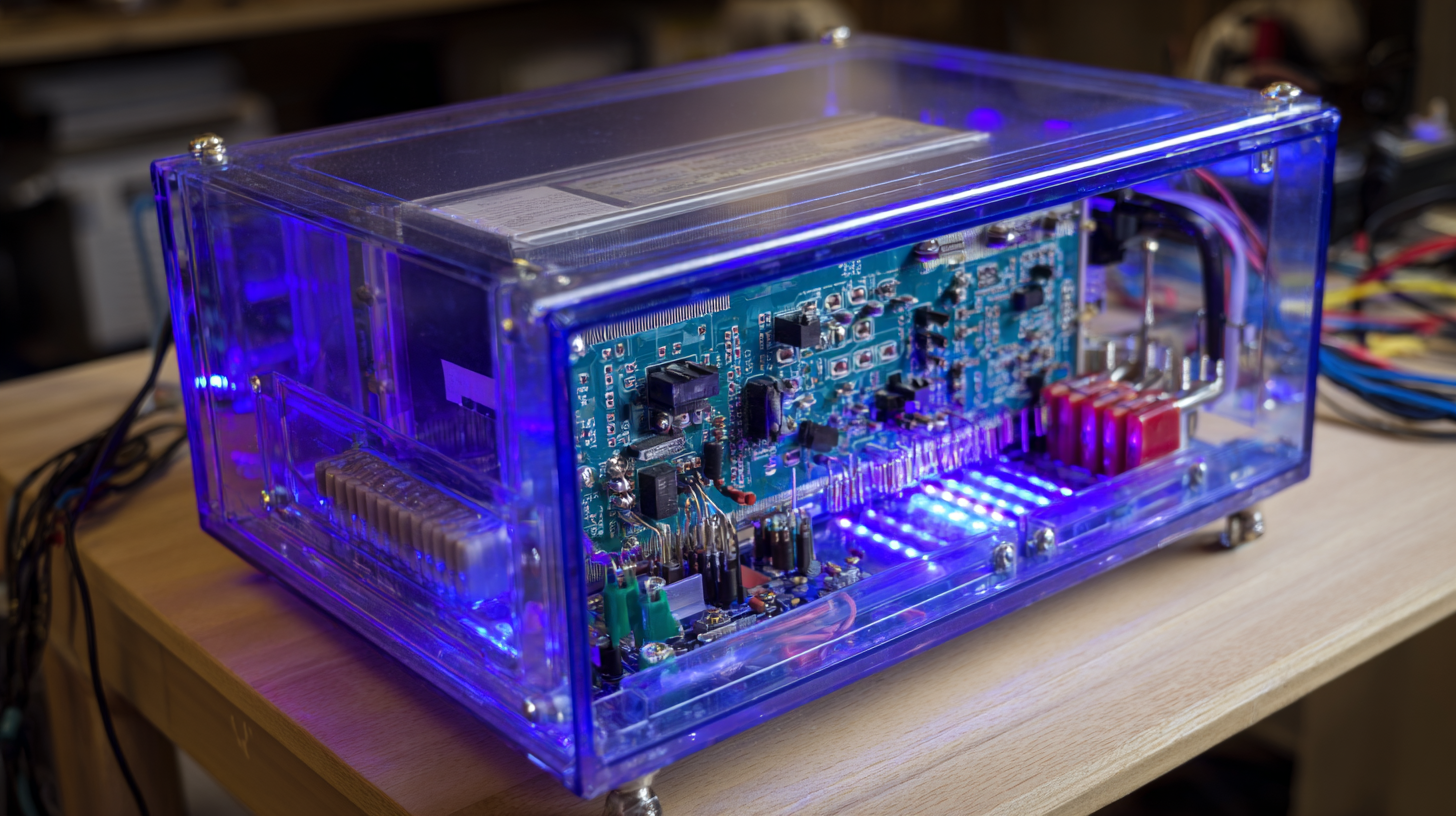 When you're starting out, a smart trick is to grab an old toaster oven and modify it for your needs. You can install temperature controls on it—crucial because, let’s face it, you want the oven to heat just right, not all over the place. Regularly checking and calibrating the temperature is key to making sure everything turns out perfect.
A couple of tips I’d suggest: get a dependable thermocouple so you can keep an eye on the temps, and consider adding a PID temperature controller—those guys help keep the heat steady. Also, don’t be afraid to experiment with different heating profiles to see what works best for your solder paste and the components you're working with. Once you get the hang of it, you'll be amazed at what you can do with a bit of DIY effort. Happy soldering!
Essential Components and Tools for Building Your Own Reflow Oven
Putting together your own DIY reflow oven can really level up your soldering game, letting you get professional-quality results without even leaving home. When you’re starting out with this project, it’s super important to gather the right parts and tools—stuff like a decent temperature controller, heating elements, and a sturdy enclosure that can handle the high heat. You might even repurpose a regular toaster oven, adding some extra monitoring gear to keep things precise during soldering. Honestly, it’s pretty satisfying to turn simple household stuff into a custom tool.
At Morel Equipments Co., Limited, we totally get how tricky surface mount technology (SMT) can be, and we know how crucial reliable equipment is. With over 15 years of experience under our belt, we focus on offering all the solutions you might need for your electronics projects. Our lineup includes high-end pick-and-place machines, automatic soldering robots, and testing systems. By tapping into our expertise, you can take your DIY reflow oven to the next level—using quality parts that help ensure perfect solder joints—and all the while, you'll get the cool feeling of building it yourself and knowing you did it right.
Temperature Profile for DIY Reflow Oven
This chart illustrates the temperature profile for the reflow soldering process in a DIY reflow oven. The preheat phase begins at 150°C, followed by a soak phase at 180°C, reaching a peak of 220°C during reflow, and finally cooling down to 100°C.
Step-by-Step Guide to Assembling Your DIY Reflow Oven
Building your own DIY reflow oven can actually be pretty fun and quite rewarding, especially if you’re into electronics and want to up your soldering game. Honestly, it’s mostly about piecing together some readily available parts and using basic tools—you don’t need to be a pro. I came across a report from TechInsights that mentions how making your own reflow oven not only saves you some cash but also helps you get more precise solder joints, which means better overall quality. The process involves picking out the right heating elements, building an insulated chamber, and programming the temperature profile to nail that perfect soldering process.
What’s also pretty cool is that building your own setup gives you the chance to customize it exactly how you want for your projects. I saw a recent study from PCB Design Services, and it turns out more and more makers are going the DIY route instead of buying commercial solutions. They say it’s more cost-effective and just more satisfying to build your own tools. With clear step-by-step instructions and some visual aids, pretty much anyone can pull it off and end up with a solid reflow oven that can hold its own against expensive professional models. Definitely a project worth trying if you're serious about electronics and soldering—it’s a bit of effort, but totally worth it!
Unlocking the Secrets of Building Your Own Diy Reflow Oven for Perfect Soldering - Step-by-Step Guide to Assembling Your DIY Reflow Oven
| Component | Description | Estimated Cost ($) | Supplier Type |
| Heat Gun | Used for melting solder paste and soldering components | 45 | Online Retailer |
| Thermocouple | Monitors the temperature of the oven | 15 | Electronics Store |
| PID Controller | Regulates the heating elements | 30 | Online Retailer |
| Heating Elements | Provides heat for the reflow process | 25 | Home Improvement Store |
| Insulation Material | Insulates the oven to retain heat | 10 | Home Improvement Store |
| Oven Chamber | The main body where the components are placed | 50 | Custom Build |
Calibrating Your Reflow Oven for Optimal Soldering Results
Calibrating your DIY reflow oven might not sound like the most exciting task, but trust me, it’s super important if you want those solder joints to come out just right. You see, getting the temperature spot-on is key, because too hot or too cold and you’re opening the door to defects like cold solder joints or tombstoning—stuff that can really mess with your project’s reliability. To keep things in check, it’s helpful to use a thermocouple to get accurate readings at different spots inside the oven; it makes a big difference.
And if you’re aiming for that perfect soldering profile, I’d recommend checking out the standards set by J-STD-020D. Basically, it’s the go-to guide that tells you how fast to heat up and cool down, plus the peak temperature you should hit, depending on the solder you’re using. For example, lead-free solder generally needs to reach around 250°C at the top. Keep an eye on those numbers while you’re calibrating—trust me, it helps ensure your solder paste melts properly and your connections stay solid. Using a programmable temperature controller can also give you that consistent, repeatable result—nice for getting reliable soldering every single time.
Common Challenges and Troubleshooting Tips for DIY Reflow Ovens
Building your own DIY reflow oven can be pretty exciting—it's like bringing a little bit of that maker spirit into your own workspace. But, of course, it’s not all smooth sailing; there are some typical hurdles you'll run into. One of the most common issues is getting the temperature profile just right. According to a report from IPC, if your temperature settings are off, it could lead to weak solder joints or even damage your components from overheating. Not great for the final product! To fix that, you’ll want to make sure you’re using a good, accurate thermocouple so your temperature readings are reliable. Plus, it’s a good idea to do some research on the right profiles—especially based on the type of solder paste you're working with.
Another tricky part is making sure the heat is spread evenly across the entire PCB. If there's uneven heating—like hot spots or cold areas—you could end up with bad solder joints or even harm delicate components. A handy trick is to use a convection heating element; it helps circulate the heat more evenly. And honestly, looking at tested profiles from professional standards can be a huge help—kind of like a roadmap for your DIY project. With the experience that Morel Equipment Co., Limited has in surface mount tech, borrowing some of their best practices can really boost your chances of success and make the whole process smoother and more reliable.
Maximizing Efficiency: Best Practices for Using Your Reflow Oven
When you're using a DIY reflow oven for soldering, making the most out of it is really the key to getting those perfect results. Honestly, understanding the best soldering profiles—like preheat, soak, reflow, and cool-down—can make a huge difference in how good your solder joints turn out. It’s super important to keep an eye on the temperature and timing; you wanna make sure things don’t get too hot and burn your components but still get that nice, even solder flow. Also, don’t forget to calibrate your oven regularly—trust me, that step helps keep everything consistent so your soldering stays reliable every time.
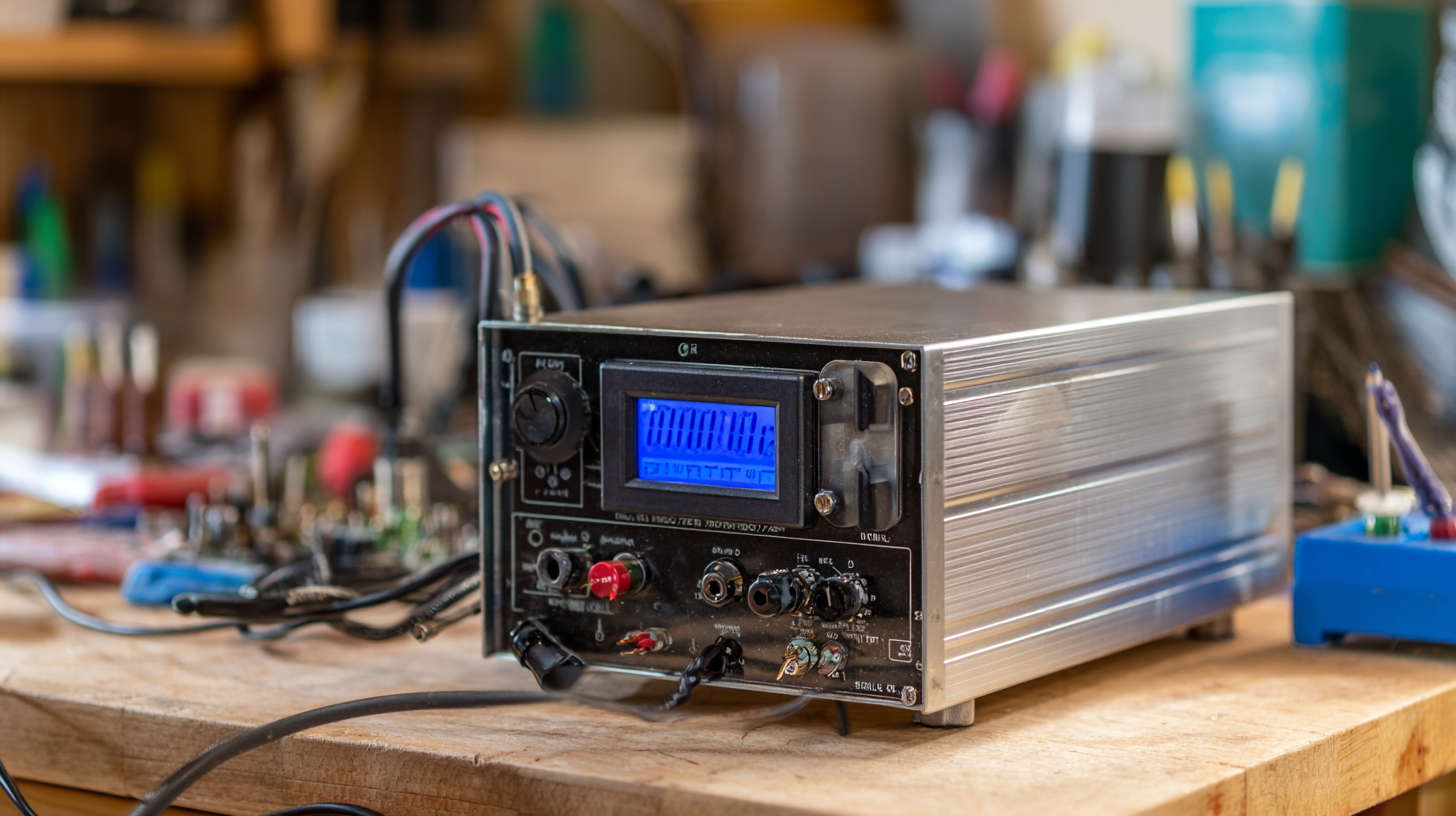
At Morel Equipments Co., Limited, we get how crucial precise soldering is, especially in the surface mount technology (SMT) scene. With over 15 years of experience, we’ve got your back with a full range of solutions—think advanced pick-and-place machines and automatic soldering robots that work perfectly alongside your DIY reflow oven. Plus, by adding our top-notch solder paste equipment and testing tools into your setup, you can make your production run smoother and cut down on downtime. Following these best practices along with our innovative gear will not only bump up the quality of your soldered boards but also boost your overall efficiency.
FAQS
: A DIY reflow oven is a custom-built device that allows electronics enthusiasts to solder electronic components with precision, using easily accessible materials and tools.
Building your own reflow oven can save money, provide customization options for specific project needs, and offer satisfaction through the process of creating your own tools.
Key components include heating elements, an insulated chamber, and a programmable temperature controller to manage the soldering process.
Calibration is essential for achieving optimal soldering results, as precise temperature control is crucial to avoid defects like cold solder joints.
It is recommended to use a thermocouple for precise temperature measurements at various points in the oven.
The ideal temperature profile generally requires reaching a peak temperature of approximately 250°C, following the standard curve outlined by J-STD-020D.
You can ensure consistent results by closely monitoring temperature parameters during the calibration process and using a programmable temperature controller.
Common defects include cold solder joints and tombstoning, which can compromise the reliability of electronic assemblies.
Makers are increasingly opting for custom solutions like DIY reflow ovens over commercial options, valuing cost-effectiveness and satisfaction in building their own tools.
Yes, with detailed instructions and visual aids, anyone, even beginners, can assemble a reliable reflow oven to improve their soldering skills.
Conclusion
Building your own DIY Reflow Oven can really change the game when it comes to your soldering projects. It offers precise temperature control, so you can get those perfect joints every time. In this article, we'll take you through the basics of DIY Reflow Ovens—why they're actually pretty essential, whether you're just starting out or a seasoned pro. We'll go over the main components and tools you'll need to put it all together, and then walk you through a step-by-step guide to actually building your oven.
Plus, we can’t forget how important it is to calibrate your DIY Reflow Oven properly—trust me, that’s key to getting great soldering results. We’ll also cover some common challenges you might run into and share troubleshooting tips to make your life easier. And of course, we’ll give you some best practices to help you get the most efficiency out of your setup. Once you’ve built your own oven, with Morel Equipment's know-how in surface mount tech, you'll find your setup can really boost your productivity—something to be proud of for sure!