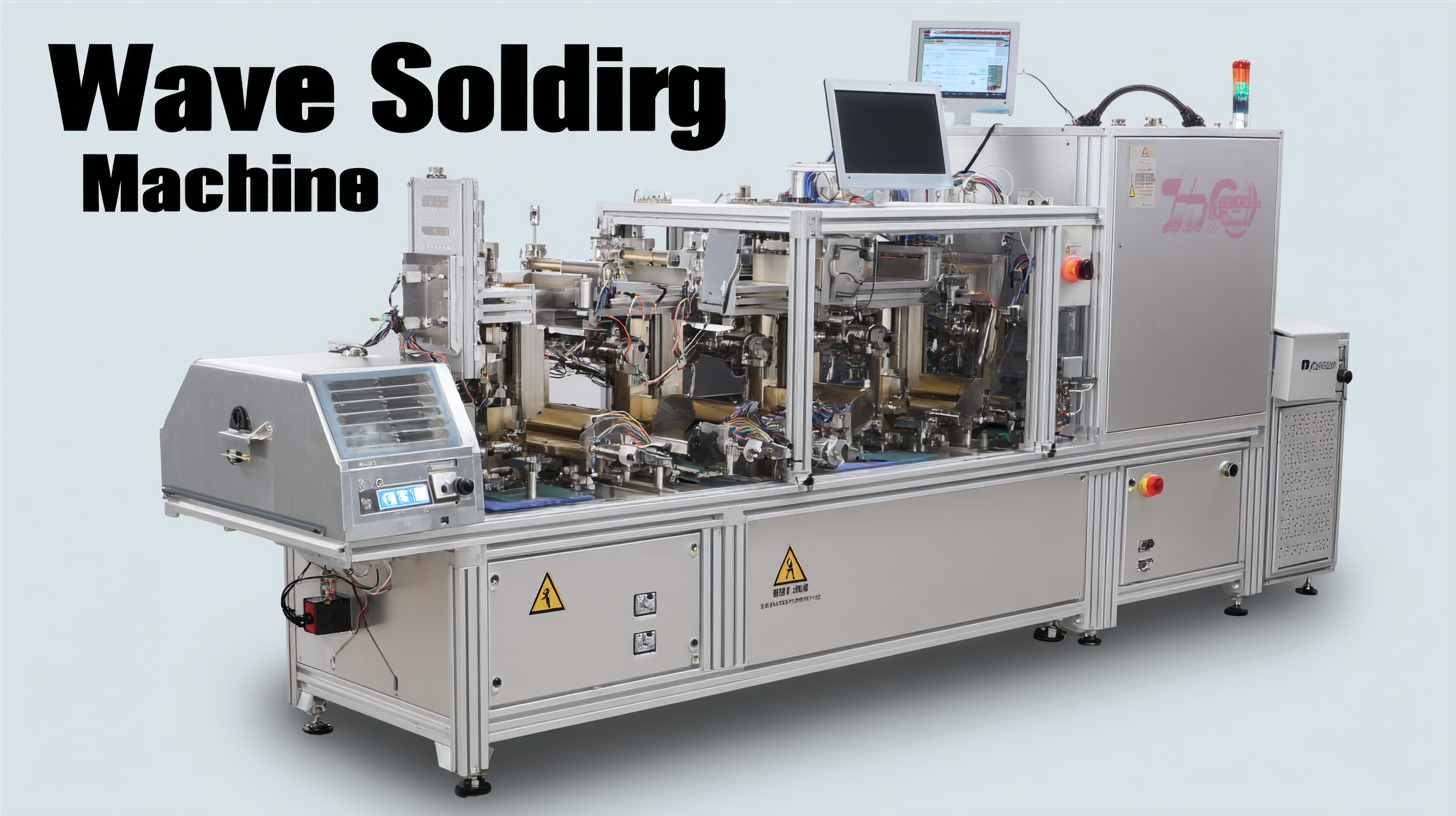
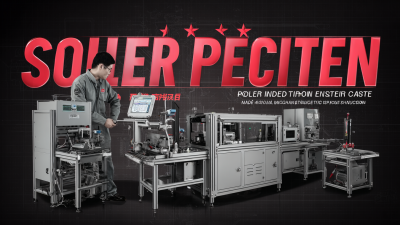
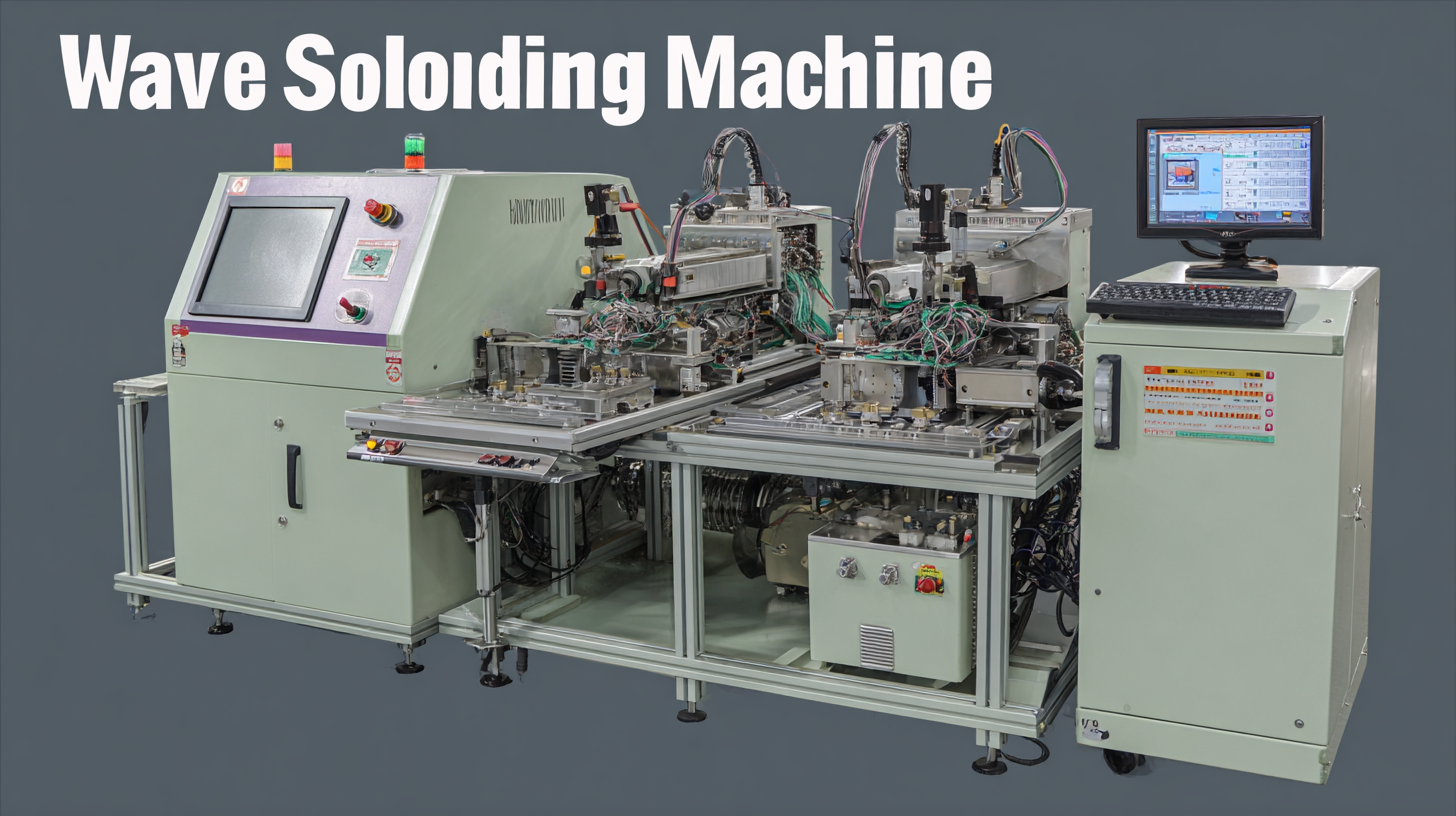
Hey there! So, if you’re in the electronics manufacturing game these days, you probably know how important it is to pick the right gear. The market for Wave Soldering Machines is really heating up, with expectations to grow by more than 5% from 2021 to 2026. Why? Well, people are on the lookout for high-quality electronic assemblies and super-efficient production methods. That’s where Morel Equipments Co., Limited comes into play. With over 15 years under their belt in surface mount technology (SMT), they totally get what it means to aim for excellence. They’ve come a long way from just providing accessories to being your go-to solution for all things essential, like wave soldering machines. These machines are crucial for making sure those electrical connections are rock-solid! By using the latest technology and some really innovative features, Morel’s wave soldering machines don’t just boost efficiency—they help meet global standards, too. They’re all about quality, and their mission? To help businesses like yours thrive in the international market. Isn’t that cool?
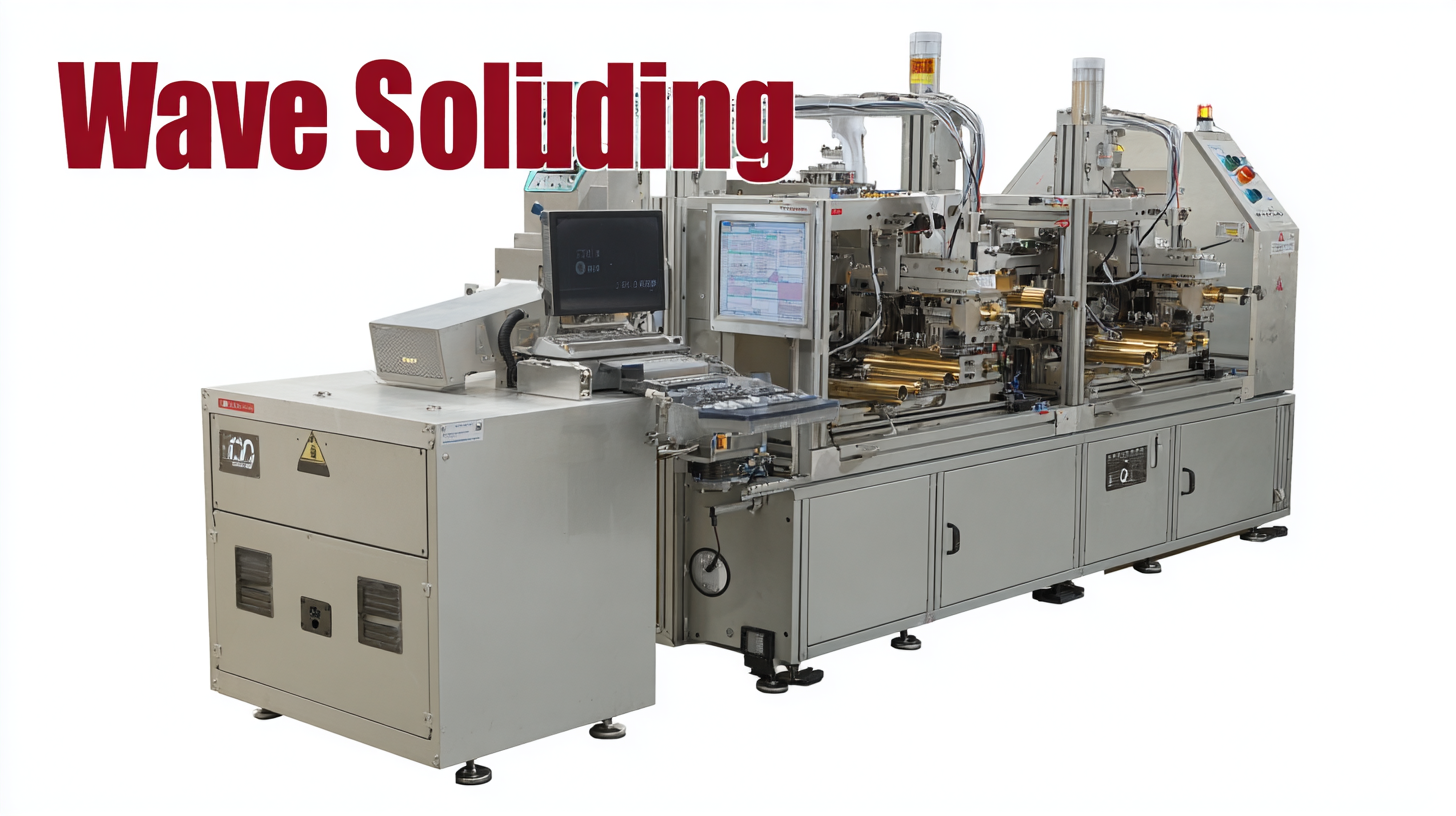
The Importance of Selecting the Right Wave Soldering Machine for Industry Evolution in 2025
You know, as industries keep changing, picking the right wave soldering machine is super important for businesses that want to stay ahead of the game and boost their efficiency. A recent report from ResearchAndMarketsprojects that the global Wave Soldering Equipment market is set to grow quite a bit, with an anticipatedCAGR of around 5.8% from 2023 to 2028. This really highlights how crucial it is for manufacturers to invest in those fancy new machines that can keep up with modern production needs. By 2025, it looks like the spotlight will be on automation and precision features, so choosing the right tech is going to matter more than ever.
When it comes to checking out wave soldering machines, businesses should really focus on ones that are flexible and can adapt to those ever-changing industry standards. Here are a few tips I’ve found helpful:
- Look into whether the machine can handle different board designs and component types;
- Go for machines with real-time monitoring systems to keep quality in check;
- Don't overlook energy-efficient models—they can help lower those operating costs while being kinder to the planet.
Keeping up with the latest tech won't just make production smoother; it’ll also support
sustainability efforts. Interestingly, research shows that companies that are using cutting-edge wave soldering machines see about a 20% bump in production efficiency and a 30% drop in defect rates. Plus, opting for models that come with integrated software can make it a whole lot easier to tweak processes and gather data for ongoing improvement. In the end, that could really pay off for company growth.
Key Features to Look for in a Wave Soldering Machine to Meet Future Demands
When selecting a wave soldering machine for your business, it's crucial to focus on key features that will not only meet current production demands but also adapt to future needs. One of the most important features to consider is the machine’s temperature control capabilities. A precise temperature control system ensures consistent soldering quality, reducing the risk of defects and allowing for a wider range of materials to be processed. Look for machines equipped with advanced thermal profiling options that allow you to tailor the soldering process for different PCB designs.
Another essential feature is the integration of automation and smart technology. Modern wave soldering machines often come with programmable settings and data analytics capabilities that facilitate real-time monitoring and adjustments. This not only enhances efficiency and productivity but also equips your business with valuable insights into the soldering process. Moreover, consider the machine's flexibility in accommodating various board sizes and configurations, which is vital as product lines evolve and diversify. Investing in a wave soldering machine that emphasizes these key features will ensure that your operations are future-ready and capable of meeting the challenges of an ever-changing market.
How Advanced Wave Soldering Technology Enhances Production Efficiency and Quality
You know, in today’s fast-changing manufacturing world, advanced wave soldering technology really shines when it comes to boosting production efficiency and quality. By using a carefully controlled flow of molten solder, this method distributes everything evenly and ensures all the components stick just right. Because of this precision, it helps avoid common headaches like cold solder joints and bridges, which means there are fewer defects and less money spent on rework. With businesses increasingly focusing on quality assurance, jumping on board with advanced wave soldering machines is becoming pretty essential if you want to stay competitive.
Plus, these machines are designed to be user-friendly and easily fit into the production lines that are already in place. With their automated features and real-time monitoring, operators can get consistent results without constantly keeping an eye on everything. The quick thermal response and smart cooling systems really help speed things up, too, which ramps up productivity. Given the market's hunger for quicker turnarounds without skimping on quality, advanced wave soldering technology isn’t just some gadget; it's really driving innovation and operational excellence in modern manufacturing.
Cost-Effectiveness: Long-Term Savings with the Best Wave Soldering Machines
You know, investing in top-notch wave soldering machines can really make a difference when it comes to the long-term cost-effectiveness of your business. I recently came across this industry report from IPC that highlighted something pretty impressive: companies that upgrade to advanced wave soldering equipment can cut their soldering defects by as much as 60%! Lower defect rates mean less rework and way less wasted material, which ultimately saves you both time and resources. It’s like this domino effect—by choosing high-quality machines, you not only boost efficiency but can also speed up production by 30% or even more; how great is that?
Tip: If you’re on the hunt for a wave soldering machine, definitely keep an eye out for features like programmable settings and automation. These cool advancements can really help you streamline your production workflow and cut down on manual work, which is just a bonus for reducing those operational costs.
Oh, and here’s the thing—making a long-term investment in quality machines usually pays off because they tend to come with lower maintenance costs. A study from SMTA pointed out that maintenance and repairs can eat up a whopping 10-15% of manufacturing budgets. So, if you go for reliable, sturdy equipment, you can lessen those ongoing expenses and set yourself up for better profit margins down the line.
Tip: Don’t forget to schedule regular preventive maintenance checks for your machines! Catching potential problems early not only helps prolong the life of your gear but also ensures that your production quality stays consistent.
Sustainability Considerations: Eco-Friendly Solutions in Wave Soldering for 2025
You know, the electronics manufacturing industry is really shifting gears to focus on sustainability these days. And if you’re a business looking to keep up with this trend, picking the right wave soldering machine has become super important. By 2025, we’re expecting a big spike in demand for sustainable solutions in electronics, especially as more folks realize the need to cut down on waste from stuff like those short-lived batteries. So, when it comes to wave soldering, using eco-friendly materials and practices can really help lessen our environmental impact. It’s also a great way for companies to stay on top of those growing regulations and meet consumer expectations around sustainability.
Lately, we’ve seen some cool advancements, like those textile-printed rectennas that can harvest RF energy. They seem like a game-changer as we dive deeper into the world of IoT and wearable tech. These innovations could offer some sustainable energy options, signaling a major shift in how we think about energy sourcing—and they definitely align with the latest in wave soldering tech. Industry forecasts even suggest that businesses prioritizing sustainability in their manufacturing could see up to a 30% drop in operational costs, all while also shrinking their carbon footprint. Integrating eco-friendly wave soldering solutions today isn't just a nice-to-have; it’s quickly becoming a must for manufacturers who want to be ahead of the curve in sustainable growth.
Identifying the Best Wave Soldering Machine: Expert Tips and Recommendations
Alright, so when you're on the hunt for the best wave soldering machine for your business, there's definitely some stuff you’ll want to keep in mind. It's not just about picking any machine; a recent IPC report showed that companies investing in advanced soldering tech can cut their defect rates by a whopping 30%! That's kind of a big deal, right? It really highlights how crucial it is to find the right fit for you. Features like having precise temperature control and adjustable wave profiles can really boost the reliability of those solder joints, which in turn makes your customers a whole lot happier.
Here's a tip: before you dive into buying, take a good look at your production volume and the types of components you're dealing with. If you’re in high-volume production, machines like the ones from Heller Industries might be your best bet. They're usually loaded with features that help speed up cycle times and manage heat better. And don't forget to think about maintenance and upgrade options—having an easy process for that can really make your machine last longer and keep up with the fast-paced changes in the market.
Another thing to really keep in mind is how well the machine can handle lead-free soldering. A study from the National Electronics Manufacturing Initiative (NEMI) pointed out that more than 70% of manufacturers are switching to lead-free solders, and that’s largely driven by regulations and what customers want. So, going for a wave soldering machine that’s optimized for lead-free options is like future-proofing your operations. Make sure to look for machines that can handle both leaded and lead-free soldering well, so you're keeping things versatile in your production.
Unlocking Culinary Versatility: How the Dual Lane Wave Oven XMS-350 Transforms Your Cooking Experience
The Dual Lane Wave Oven XMS-350 is revolutionizing the way we approach cooking by enhancing culinary versatility while being remarkably energy-efficient. This innovative appliance allows cooks to maximize their kitchen capabilities without sacrificing valuable resources. Its design ensures that temperature compensation is seamless, delivering consistent results while consuming only 90% of the power that traditional wave cooking equipment demands. By utilizing this oven, you not only elevate your cooking experience but also contribute to significant energy savings, making it an environmentally responsible choice for any kitchen.
Beyond its efficiency, the XMS-350 is a space-saving marvel. Traditional wave soldering machines require extensive setup lengths of around 35 meters, occupying a hefty 186.9 square meters of kitchen real estate. In stark contrast, the dual lane design of the XMS-350 minimizes this footprint to approximately 65.45 square meters, resulting in an impressive savings of up to 121.45 square meters. This compact footprint allows for more creativity and flexibility in kitchen layouts, making it easier than ever to enjoy the culinary arts in smaller spaces. Embrace the future of cooking with the Dual Lane Wave Oven XMS-350, where innovation meets practicality.
FAQS
: The right wave soldering machine is crucial for maintaining competitive advantages and ensuring production efficiency as industries evolve, with expectations of significant growth in the wave soldering equipment market.
Businesses should prioritize machines that offer flexibility, real-time monitoring systems for quality control, and energy-efficient models to reduce operational costs and environmental impact.
Advanced wave soldering technology ensures optimal adhesion and even distribution of solder, reducing common defects like cold solder joints and bridges, leading to improved quality and fewer rework costs.
Automated features and real-time monitoring help achieve consistent results with minimal manual oversight, reducing cycle times and enhancing overall productivity.
Companies investing in advanced soldering technologies report a 30% reduction in defect rates, emphasizing the significance of selecting a machine that provides precise temperature control and adjustable wave profiles.
Companies should evaluate their production volume and component types to choose machines that support high-volume operations and offer improved thermal management for better efficiency.
With over 70% of manufacturers transitioning to lead-free solders due to regulatory pressures, selecting a wave soldering machine optimized for lead-free materials can future-proof operations and comply with industry standards.
Machines designed for easy maintenance and upgrades can enhance longevity and adaptability, ensuring that businesses can keep pace with the rapidly evolving market demands.
Advanced machines simplify process adjustments and enhance data collection for continuous improvement, leading to improved production efficiency and ultimately benefiting overall company growth.
Real-time monitoring systems enhance quality control by allowing operators to promptly identify and address issues, leading to improved consistency and reduced defects in the production process.