You know, the manufacturing world has really changed a lot in recent years, thanks to Surface Mount Technology (SMT) machines. These little machines have become super important for making high-quality electronic components! I came across a report from ResearchAndMarkets that says the SMT market’s expected to grow by about 5.6% each year from 2021 to 2026, mostly because everyone wants smaller electronic devices—it's crazy how much demand there is across so many industries. Speaking of which, Morel Equipments Co., Limited has been in the game for over 15 years now and they really know their stuff. They’ve set themselves up as a go-to place for all things SMT, offering everything from pick and place machines to automatic soldering robots and even testing equipment. So, they’re really on top of what manufacturers need to stay ahead with the latest SMT tech. In this blog, we’ll dive into the different types of Smt Machines and what makes them special, plus we’ll explore the awesome benefits they bring to manufacturing on a global scale.
The Evolution of SMT Machines: Transforming Global Manufacturing Dynamics
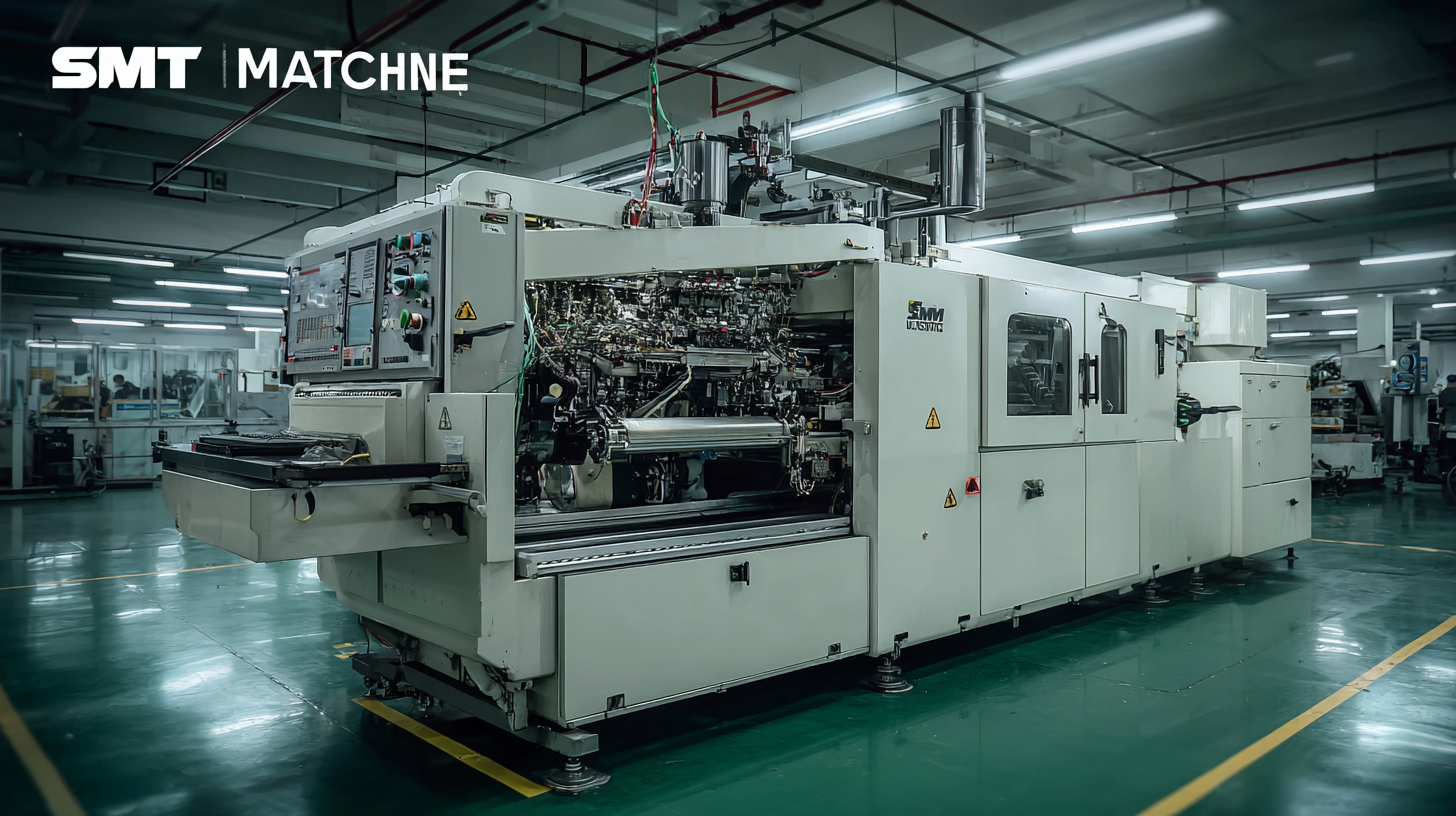
You know, the way Surface Mount Technology (SMT) machines have evolved is pretty incredible and has really shaken up global manufacturing. These days, industries are all about higher efficiency and precision, so it’s no surprise that more companies are jumping on the advanced SMT machine bandwagon. A recent report by Smithers Pira even put the global SMT market at around $2.71 billion in 2022, and it looks like it’s on track to grow at about 6.1% annually until 2027. Crazy, right? This growth is largely thanks to the fact that electronics are becoming a part of so many consumer products, not to mention the automotive world and more complex fields like medical devices.
When you think about the tech upgrades in SMT machines—like better solder paste printing, improved chip placement accuracy, and automated inspections—it’s clear why production costs and time have dropped so much. Analysts over at Markets and Markets are saying that these advancements could boost production efficiencies by up to 40%! That’s huge because it helps manufacturers keep up with rising consumer demands and adapt quickly to whatever the market throws at them. It’s exciting to see how SMT machines are continuing to evolve, playing a key role in reshaping what global manufacturing can do and paving the way for a whole new level of innovation and competitiveness.
Key Features of SMT Machines: Performance, Precision, and Flexibility
When you dive into the world of global manufacturing, it's hard to ignore just how crucial Surface Mount Technology (SMT) machines have become for electronic assembly. I mean, these machines pack a punch with features like stellar performance, super precision, and great flexibility, which is why they’re all the buzz right now. High performance is a must; manufacturers are really pushing to crank out more products without skimping on quality. Nowadays, these modern SMT machines come loaded with cutting-edge automation that speeds things up and cuts down production time, making them a must-have in our fast-moving market dynamics.
Then there’s the precision factor—it's huge. As electronic components get tinier and tinier, the need for placing and soldering things just right is more critical than ever. The machines we see today use some pretty sophisticated vision systems and smart algorithms to ensure components are placed accurately on those printed circuit boards. This kind of precision doesn’t just guarantee that products work reliably; it also helps reduce waste, which is such a big deal for anyone looking to keep their manufacturing practices eco-friendly.
And let’s not forget about flexibility! SMT machines give manufacturers the power to roll with the punches when it comes to different production needs. They can easily handle all sorts of component sizes and types without needing a huge overhaul in their setup, which is pretty sweet for switching between product lines. In a world where customer tastes are always shifting and the demand for custom solutions keeps growing, this adaptability is super important. Looking ahead, as SMT technology keeps moving forward, these standout features are really going to solidify its role as a fundamental part of modern manufacturing.
From China to the World: The Rise of the Best SMT Machines in Global Manufacturing
| Feature | Description | Value |
| Performance | Speed of production per hour | 30,000 components |
| Precision | Placement accuracy of components | ± 0.01 mm |
| Flexibility | Ability to handle various component types | From 0201 to large ICs |
| User Interface | Ease of operation and programming | Graphical user interface (GUI) |
| Maintenance | Frequency and ease of maintenance tasks | Every 1,000 hours |
| Energy Efficiency | Power consumption during operation | 1.5 kWh |
Exploring Different Types of SMT Machines and Their Unique Applications
You know, Surface Mount Technology (SMT) machines have really changed the game in manufacturing. They provide some super efficient ways to put together electronic components. Among all the different kinds of SMT machines out there, pick-and-place machines are definitely the most well-known. These machines do an amazing job of placing components precisely on printed circuit boards (PCBs) at lightning speed, which really ramps up production rates for everything from consumer electronics to automotive parts and industrial devices. Plus, they can handle a whole range of component sizes and types, so it's no wonder they're a key player on many production lines.
Then there are solder Paste Printers, which are pretty important, too. These guys prep the PCBs for component placement by applying solder paste just right, ensuring that those electrical connections are solid. You've got different types of printers, like stencil and jet printers, each catering to their own specific needs. Manufacturers really benefit from the improvements in print accuracy and speed, especially when they're aiming for top-notch, reliable products. And let's not forget about reflow ovens, which are crucial during the soldering phase. They use controlled heating to melt the solder and hold everything in place securely. So yeah, getting a good grasp of how these SMT machines work and what they're best at is super important for making the most of their potential in this fast-paced manufacturing world.
Benefits of Advanced SMT Machines for High-Volume Production
You know, the world of global manufacturing is really shaking things up these days, especially with the rise of those cool advanced Surface Mount Technology (SMT) machines. These bad boys are all about efficiency and precision—basically, they're game changers for high-volume production lines. Think about it: they can quickly assemble those intricate electronic components, which helps manufacturers crank out products way faster, all while keeping quality in check. Features like automated placement, real-time inspection, and even a bit of adaptive learning make these machines more than just tools—they seriously lower production costs and streamline operations.
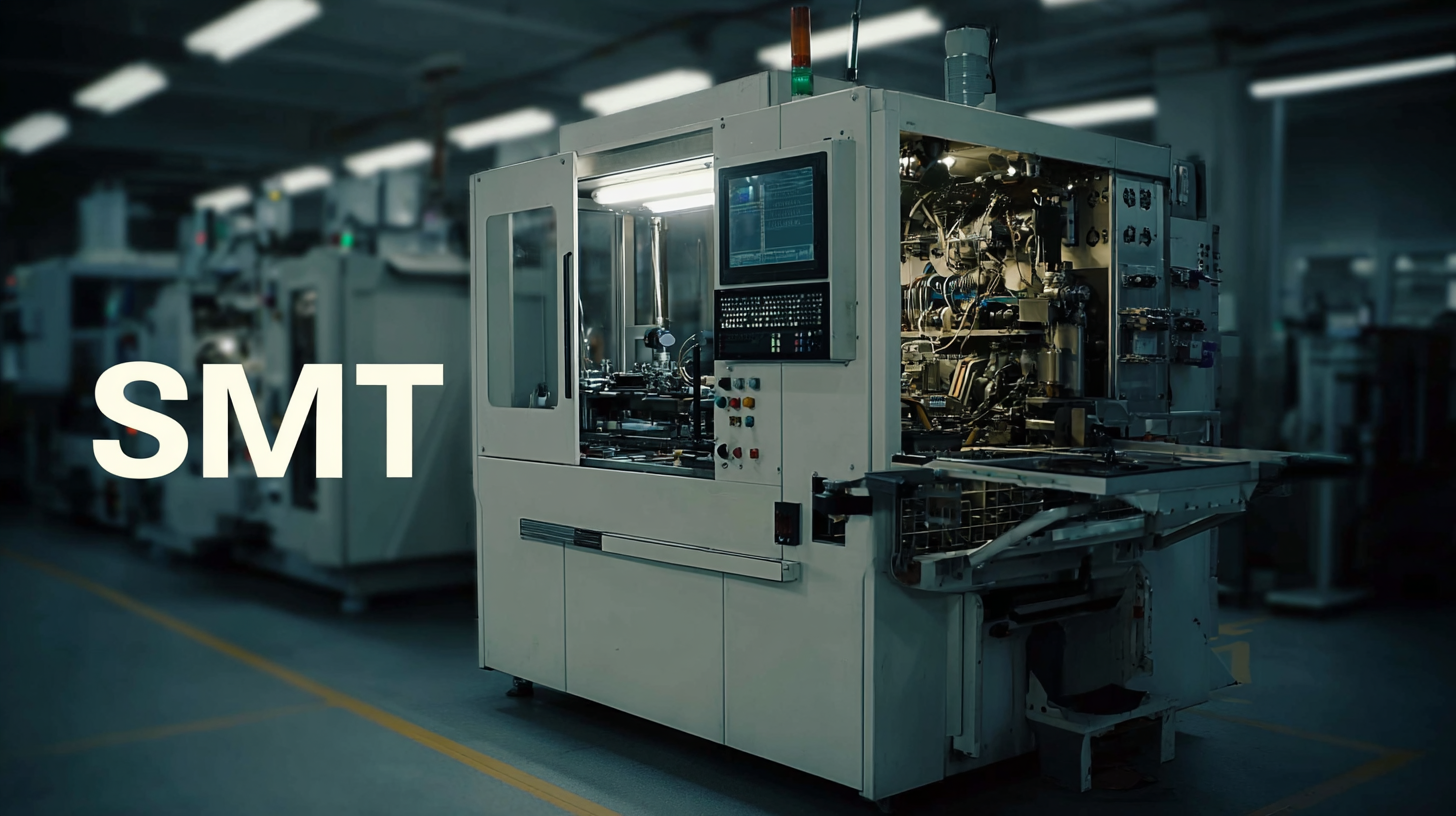
But it's not just about speed and saving a buck. These advanced SMT machines also bring a ton of flexibility into the mix. Manufacturers can switch gears quickly to meet whatever the market demands, which is super important in today’s world where customer preferences change on a dime. If a company needs to pivot, these machines help them do it without losing valuable time. Plus, with the integration of advanced data analytics, SMT machines offer some pretty cool operational insights. This means manufacturers can make smarter decisions that promote continuous improvement. As businesses around the globe start to embrace these tech advancements, we’re seeing a shift in competition. It’s like a sneak peek into a future where efficiency and innovation go hand in hand.
The Impact of SMT Technology on Industry Standards and Quality Control
You know, Surface Mount Technology (SMT) has really changed the game in global manufacturing. It’s amazing how it’s pushed forward industry standards and upped the quality control game. More and more companies are bringing SMT machines into their production lines, and it’s paying off big time with better efficiency and accuracy. These machines can lay down components on circuit boards in a flash, which means production times are shorter and there’s way less room for human mistakes. Honestly, this isn't just about cranking up productivity—it’s also about setting a whole new bar for consistency and reliability in manufacturing processes.
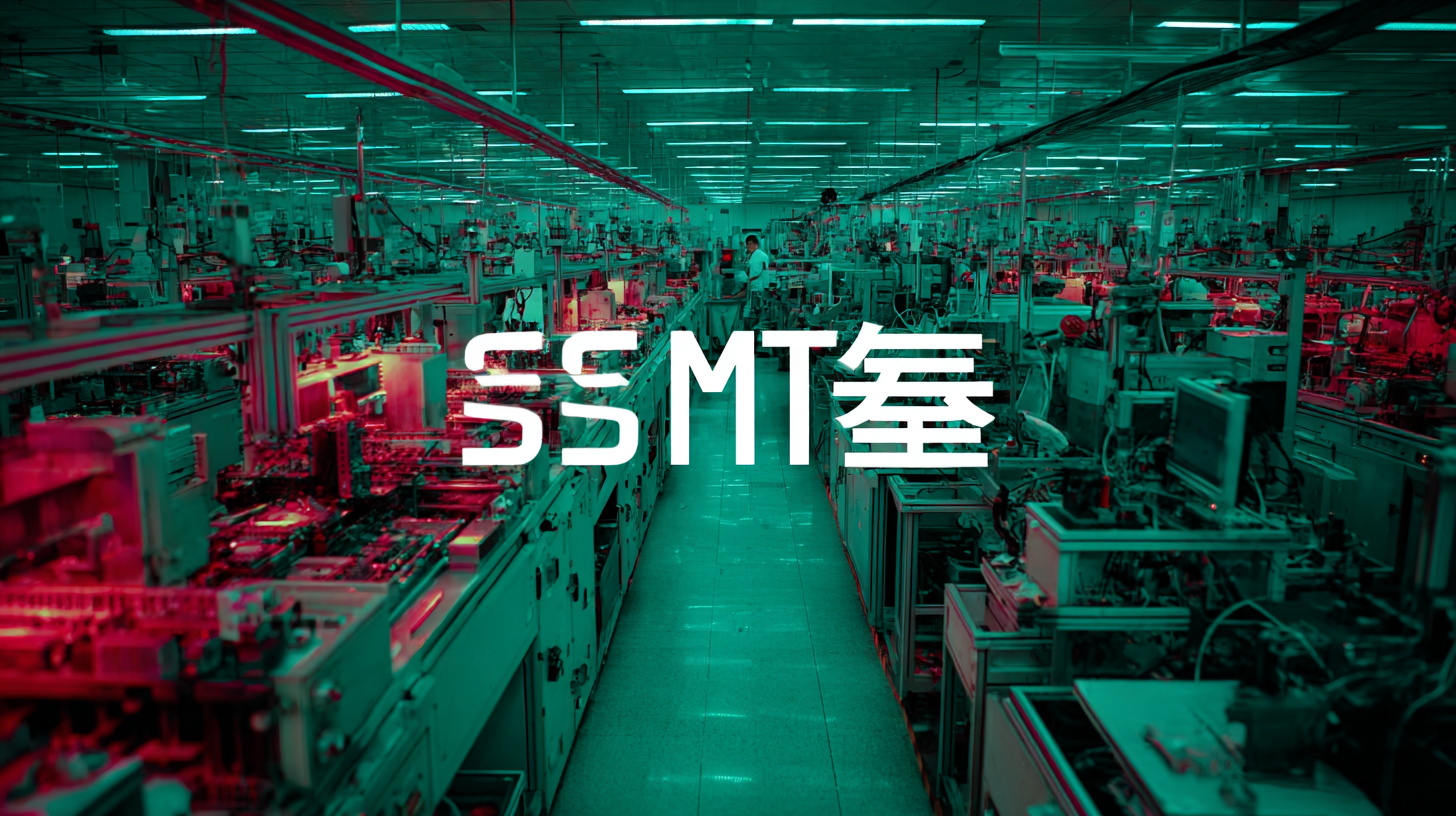
And here’s the thing: as SMT tech keeps getting better, manufacturers are stepping up their quality control measures. With the ability to keep tabs on production data in real-time, companies can spot defects quickly and take action before things get out of hand. This smart, proactive approach to quality assurance not only helps ensure products stick to international standards but also builds more trust with consumers. Looking ahead, as SMT continues to grow and evolve, I bet it’s going to spark even more innovations in quality control, solidifying its crucial role in manufacturing all over the world.
Future Trends in SMT Machines: Innovations Shaping the Manufacturing Landscape
You know, the world of global manufacturing is really changing fast these days, especially with all these new Surface Mount Technology (SMT) machines coming into play. As industries try to keep up with growing demands for efficiency and spot-on precision, these fancy SMT machines have become pretty essential. They’re not just your average machines either; they use artificial intelligence and machine learning to keep an eye on things in real-time and predict when maintenance is needed. This means way less downtime and a serious boost in productivity!
So, if you’re thinking about bringing new SMT tech into your workflow, it might be a good idea to evaluate what your current production needs are. Check out where automation could really make a difference in your efficiency. This way, you can make sure the money you put into new machines actually helps you hit your operational goals.
Oh, and here's something important: sustainable manufacturing is definitely the name of the game when it comes to future SMT trends. Tons of manufacturers are now focusing on energy-efficient designs and eco-friendly materials, which not only cut down on production costs but also tackle their carbon footprints. Honestly, staying ahead in the game will mean keeping an eye on ongoing developments in sustainable SMT solutions.
Just a tip: Keep yourself updated on the latest sustainability certifications and standards in the SMT field so your operations align with global trends. Plus, embracing eco-friendly practices isn’t just good for the planet; it can really give your brand a nice boost in reputation, too, while helping us all work towards a greener future.
FAQS
: The key features of SMT machines include performance, precision, and flexibility, which are crucial for electronic assembly in global manufacturing.
SMT machines enhance performance through advanced automation that increases speed and reduces production time, helping manufacturers meet the demands of fast-paced markets.
Precision is important because the miniaturization of electronic components requires exact placement and soldering, ensuring product reliability and minimizing waste.
Vision systems in SMT machines utilize sophisticated algorithms to ensure accurate component placement on printed circuit boards, which is vital for maintaining quality.
SMT machines offer flexibility by handling various component sizes and types without extensive reconfiguration, allowing manufacturers to switch between product lines seamlessly.
Advanced SMT machines provide benefits such as unparalleled efficiency, precision, rapid assembly of complex components, and cost reduction, making them essential for high-volume production lines.
By integrating advanced data analytics, SMT machines contribute to improved operational insights that enable informed decision-making and drive continuous improvement.
Adaptability is critical because it allows manufacturers to quickly respond to changing market needs and consumer preferences without extensive downtime.
Advanced SMT machines streamline operations with features like automated placement and real-time inspection, resulting in significant cost reductions in the production process.
As SMT technology evolves, its key features will further cement its position as an essential tool in modern manufacturing, emphasizing efficiency and innovation.