
- Home
- Products
- News
- About Us
- Support center
- Contact Us
inquiry
Leave Your Message
Hey there! In today’s super fast-moving manufacturing world, picking the right Solder Printer Machine is really important if you want your production line to run smoothly and accurately. I mean, more and more companies are jumping on the bandwagon to optimize their surface mount technology (SMT) processes, which is why the demand for top-notch solder printer machines is on the rise. Here at Morel Equipments Co., Limited, we’ve been in the SMT game for over 15 years, so we totally get how tricky it can be to find the right gear that fits your unique needs. We’ve evolved from just being an accessories supplier to a full-on solution partner, offering a bunch of products like Pick And Place Machines, automatic soldering robots, and solder paste equipment. So, this blog is here to be your go-to guide for all the important stuff to think about when choosing the bestSolder Printer Machine. Our aim? To make sure your manufacturing processes run like a well-oiled machine and meet all those industry standards. Let’s dive into the key factors that’ll really help you make the right choice and boost your production capabilities!
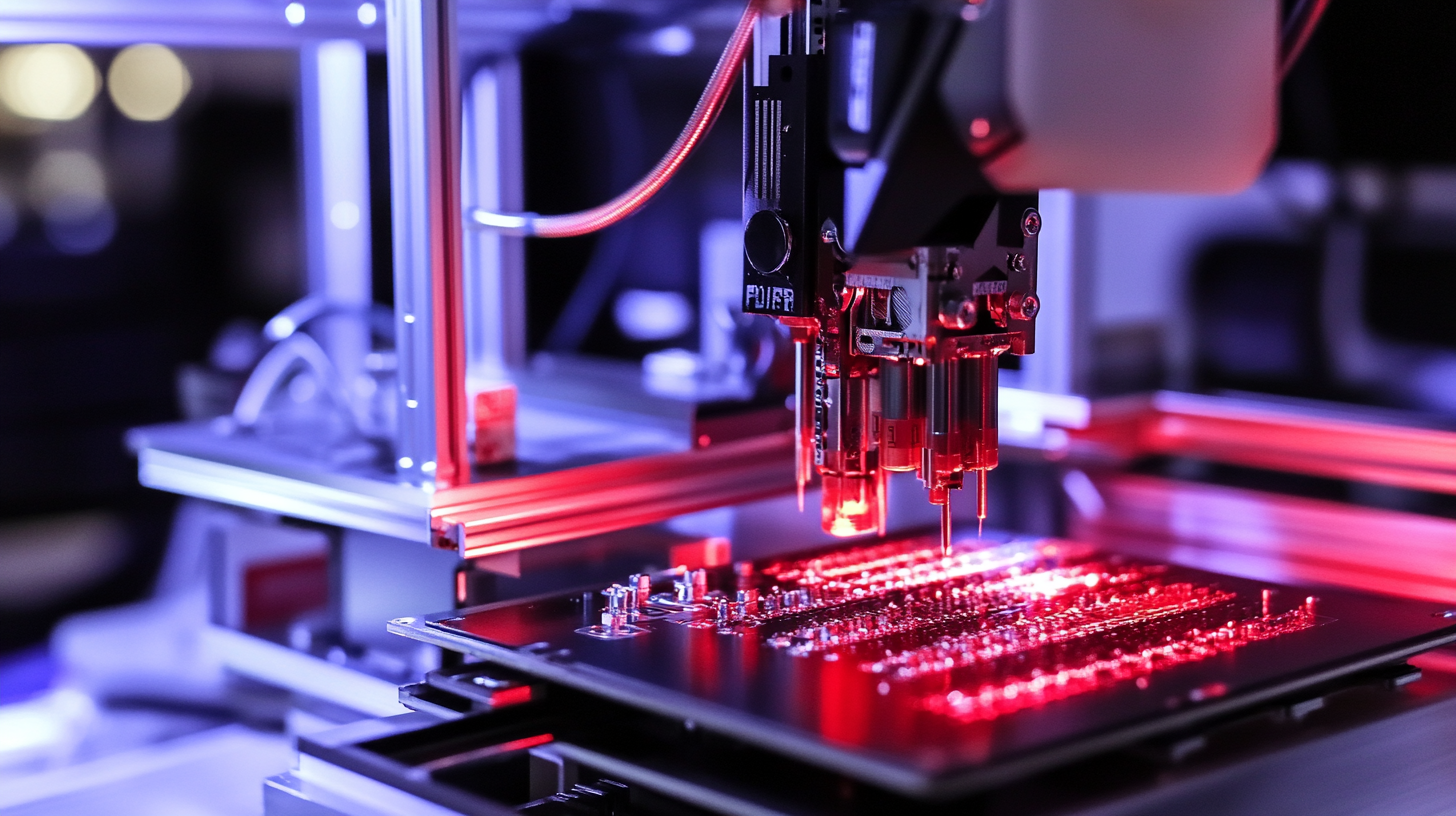
Choosing the right Solder Printer Machine is crucial for optimizing your SMT processes. Consider the compatibility with your existing equipment, the ease of use, and the availability of support and parts.
So, if you're diving into the world of solder printer machines for your manufacturing setup, you've got to get a grip on the different types out there. You've basically got three main players in the game: stencil printers, screen printers, and jet printers. Each one comes with its own perks that suit different production needs.
Now, stencil printers are a favorite among many, and it's easy to see why—they use metal stencils to apply solder paste with some serious precision. If you're cranking out a lot of units, this is a solid choice because it helps keep everything consistent and cuts down on waste.
On the flip side, you have screen printers. These guys use a mesh screen to transfer solder paste onto circuit boards, and they're super versatile. They can handle those bigger components, even if they have all sorts of complex shapes.
Then there are jet printers, which are the new kids on the block. They use a non-contact method to deposit solder paste and are great for low to medium volume productions. Plus, you can switch between different product designs pretty quickly, making them a go-to for places that thrive on rapid prototyping.
Overall, by weighing the strengths of each type, manufacturers can really make smart choices that fit their operational needs and goals.
: The main types of solder printer machines include stencil printers, screen printers, and jet printers, each offering unique advantages for different production needs.
Stencil printers are preferred for their precision, using metal stencils to apply solder paste uniformly, making them ideal for high-volume production runs.
Screen printers use a mesh screen to transfer solder paste, which allows them to handle larger components with complex shapes, offering more versatility.
Jet printers utilize a non-contact method to deposit solder paste and are best suited for low to medium volume production, particularly in environments where rapid prototyping is essential.
Manufacturers should evaluate both the initial purchase price and long-term benefits of higher performance models, as advanced machines can lead to reduced material waste and increased production efficiency.
Choosing quality equipment helps manufacturers maintain a competitive edge, as it ensures reliability, better customer support, and alignment with operational requirements.
A tech company improved their assembly line's efficiency by investing in a modern solder printer, reducing defect rates by 30% and increasing production speed by 20%.
The manufacturer achieved tighter tolerances and minimized manual labor costs by automating their soldering process, allowing them to compete more effectively in a demanding market.

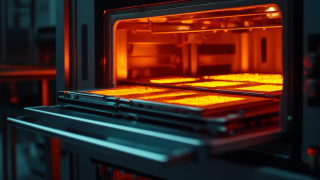





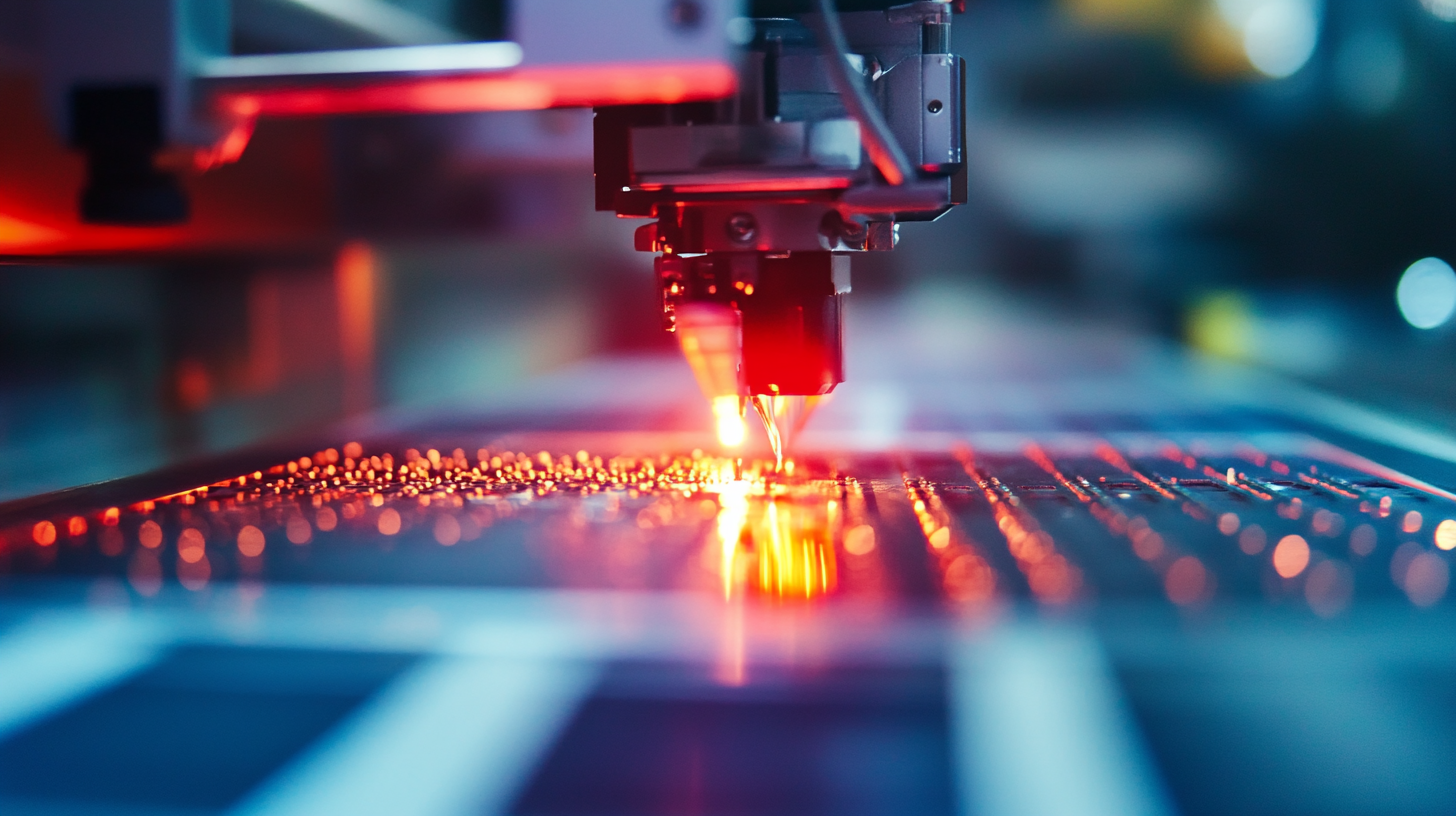 You know, when it comes to investing in a solder printer machine, keeping up with maintenance and support is really key to making sure it lasts and works well. If you stick to a regular maintenance routine, you'll seriously cut down on the chances of any mechanical hiccups and really boost the accuracy of your printing. It’s super important to have a set schedule for things like cleaning, calibration, and checking out the critical parts, especially the printing head and the stencil. If you kind of tackle wear and tear proactively, manufacturers can dodge those pesky costly downtimes and keep their production quality on point.
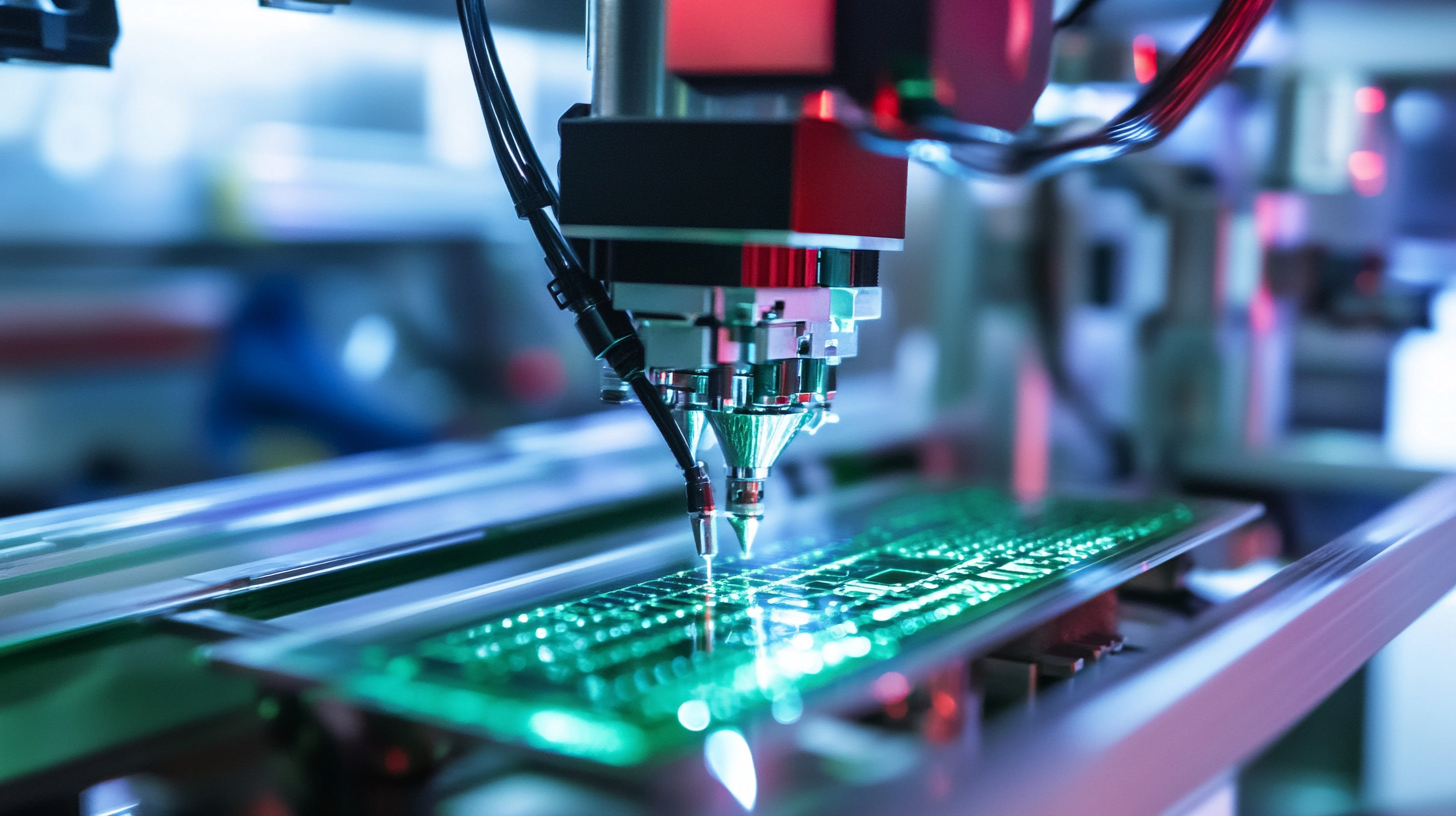 You know, in today's fast-changing world of manufacturing, solder printing machines have really proven their worth through various success stories. Take, for instance, this tech company that specializes in consumer electronics. They were struggling with keeping things consistent and speedy on their assembly line. But once they decided to invest in a shiny new solder printer loaded with all the fancy tech, everything changed. I mean, they slashed their defect rates by a whopping 30% and boosted their production speed by 20%! It was like hitting a refresh button – their workflow got way smoother, the product quality shot up, and customers were way happier, which meant fewer returns. Win-win, right?