inquiry
Leave Your Message
0%

Hey, in the fast-changing world of surface mount technology (SMT), picking the right Bga Rework Station is actually a pretty big deal for businesses that want to stay efficient and reliable. I recently came across some market data showing that the global rework station industry is really on the upswing — thanks to the growing need for high-quality electronic repair and assembly tools. With over 15 years under their belt, MOREL EQUIPMENTS CO., LIMITED has evolved beyond just selling accessories. Now, they provide full-on solutions, including stuff like pick-and-place machines, automatic soldering robots, and testing equipment. As companies figure out what they need to boost their operations, getting a good grasp of what BGA Rework Stations can do is super important. It’s all about ramping up productivity and cutting down costs, which really shapes how electronics assembly will look in the future.
How to Choose the Right Bga Rework Station for Your Business Needs

Understanding Your Business Requirements for BGA Rework Stations

When you're in the market for a BGA rework station for your business, it’s super important to really understand what you actually need. Think about the types of boards you usually work with and how complicated the components are. For example, if your work often involves multilayer PCBs or components with lots of pins, you’re gonna want a rework station that can handle those tricky soldering jobs precisely. Also, see if you need features like vacuum suction, adjustable temperature controls, or better thermal management to deal with different kinds of assemblies smoothly.

On top of that, it's worth thinking about how much work you expect to do. If you're dealing with high-volume production, investing in a more advanced system with automation and quicker processing might be worth it. But, if your work is more on the small-scale side or if you're juggling a variety of component types, a versatile and budget-friendly option could do just fine. And don’t forget to consider your team’s skill level—something that's easy to use and comes with solid training support can really make a difference, helping everything to fit seamlessly into your current workflow.

Comparison of BGA Rework Station Features Based on Business Requirements

This bar chart illustrates the importance of various features when choosing the right BGA rework station based on different business needs. The ratings are based on a scale of 1 to 10, with 10 indicating the highest importance.

Key Features to Look for in a BGA Rework Station

When you're choosing a BGA rework station for your business, there are a few key features that can really make a difference in how smoothly everything runs. First off, pay close attention to the temperature control system. A good rework station should have precise temperature management — you know, to make sure the solder melts just right and sticks where it’s supposed to, without risking damage to nearby components. Look for units with thermocouples or infrared sensors; they give you real-time readings and make adjustments on the fly, which is a huge plus.

Another thing to consider is whether the station can handle different board sizes and types. Flexibility is a big deal here — you want something that can work with various BGA packages and is easy to tweak. This kind of versatility will save you a lot of time and hassle, letting you take on a wider range of projects without needing a bunch of different machines. Also, don’t overlook how user-friendly it is. An intuitive interface and simple calibration process can really cut down on the learning curve, so your team can get up to speed faster and work more efficiently. Basically, finding a station that checks these boxes can make your workflow way smoother and more productive overall.

How to Choose the Right Bga Rework Station for Your Business Needs

Comparing Different Types of BGA Rework Stations

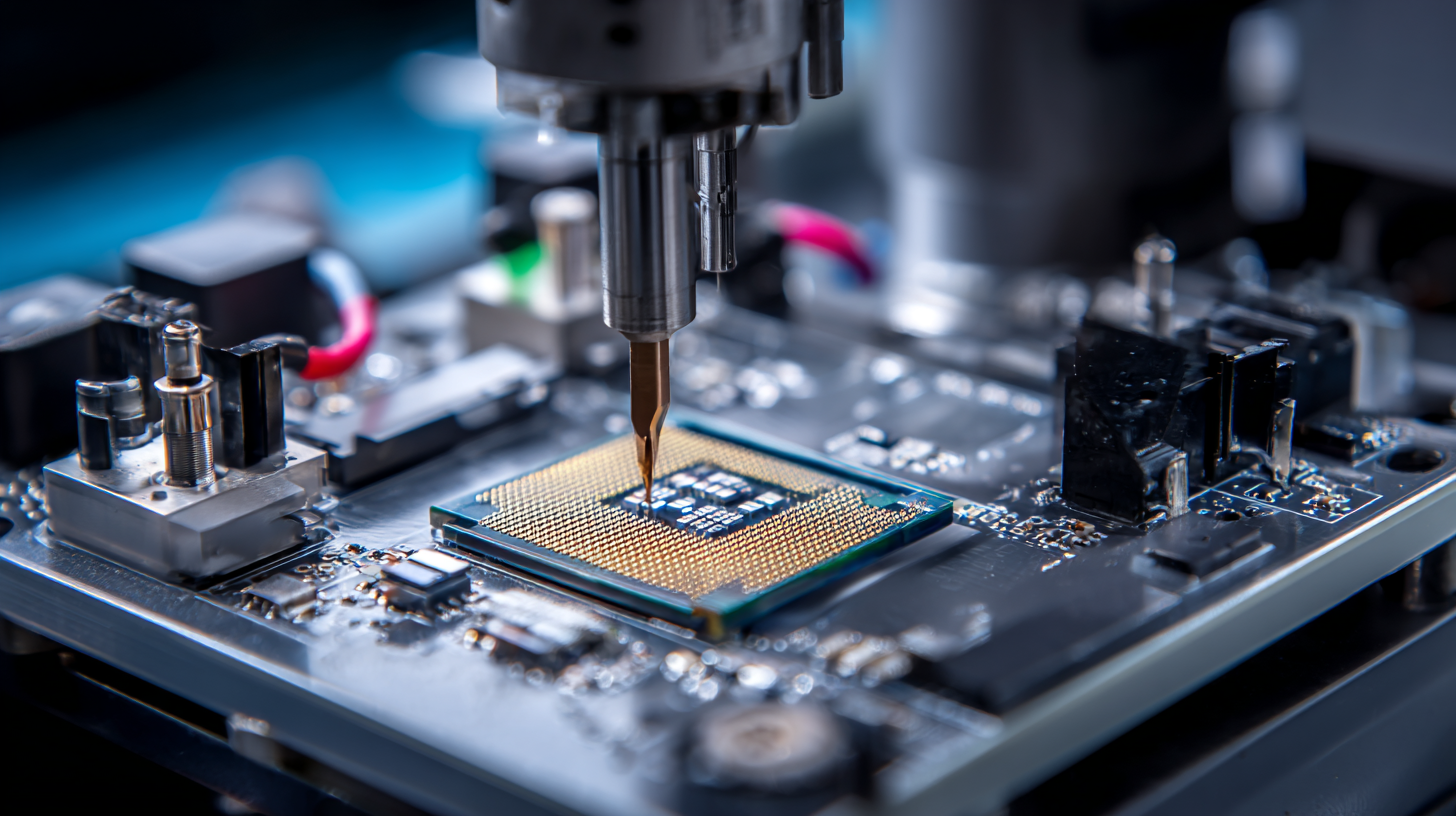
When you're comparing different BGA rework stations, it’s important to keep a few things in mind—especially since they can really affect how well your shop runs. Lately, industry reports are buzzing about how automated rework stations are becoming more popular, mainly because they’re super efficient and accurate. These high-tech systems often come with features like vision alignment and programmable temperature controls, which can bump up your yield rates by as much as 30%. That makes them a great fit if you’re dealing with high-volume production and need things to move quickly.

But that doesn’t mean manual BGA rework stations are going extinct. They’re still quite popular, especially for small-scale jobs or quick prototypes. They tend to be more budget-friendly and give technicians the flexibility to tweak things on the fly. That said, while they might have a lower upfront cost, over time, the manual approach can end up costing more—mainly because of the extra labor needed. So, in the end, choosing between automation and manual rework stations really comes down to your specific workflow, your budget, and how much rework you expect to do on a regular basis.

Budgeting for Your BGA Rework Station Purchase

When you're choosing a BGA rework station, budgeting really becomes a big deal — it can totally make or break how smoothly your business runs. First off, it’s a good idea to set a clear budget that covers not just what you’ll spend right away, but also anything you might need down the line, like upgrades or spare parts. Sure, a pricier station with all the fancy features might seem expensive upfront, but it could save you a ton of time and hassle later on by making rework faster and cutting down on defects.

On top of that, you want to think about how your current workflow looks and what kind of production volume you’re dealing with. If you’re doing lots of high-volume work or complex repairs, investing in a higher-end model might actually be worth it. But if you’re running a smaller operation or only do rework here and there, then a mid-range station probably does the job just fine. The key is to really match your budget to what you actually need so you’re not overspending but still getting a tool that gets the job done right. When you approach it thoughtfully, you’ll end up making a smarter choice that lines up with your business goals—and hopefully saves you some headaches along the way.

How to Choose the Right BGA Rework Station for Your Business Needs - Budgeting for Your BGA Rework Station Purchase

Feature Entry-Level Mid-Range High-End
Price Range $500 - $1,000 $1,000 - $3,000 $3,000 - $10,000
Temperature Control Manual Digital Display Programmable
Nozzle Options 1-2 Nozzles 3-5 Nozzles 5+ Nozzles
Repair Capability Basic Components SMD and BGA Advanced BGA and QFN
Warranty 1 Year 2 Years 3 Years
User Interface Basic Interactive Touchscreen

Tips for Maintaining Your BGA Rework Station for Longevity

How to Choose the Right Bga Rework Station for Your Business Needs If you want your BGA rework station to last a good long time, regular maintenance is definitely the way to go. It’s a good idea to do quick daily checks—look out for any signs of wear and tear. Stuff like damaged nozzles, blockages in the hot air system, or leaks in the solder paste dispenser. Keeping an eye on these parts not only helps your equipment last longer but also makes sure it works smoothly when you need it most.


And don’t forget about keeping your workspace clean. Dust and debris can really mess with how your BGA rework station performs. Make sure you’re using the right cleaning tools—think anti-static wipes and soft brushes—to wipe down surfaces and the key parts. It’s also smart to set up a regular schedule for deeper cleaning and maintenance. Just be sure to follow the manufacturer’s instructions so you don’t accidentally void your warranty. If you stay on top of these basic maintenance tasks, your station will stay reliable and efficient, which means better results—and happier customers, too!

Maximize Your Repair Efficiency: A Comprehensive Guide to the Fully-Auto BGA Rework Station ZMW-750

Maximizing repair efficiency is crucial in today’s fast-paced electronics repair environment, and the Fully-Auto BGA Rework Station ZMW-750 stands out as an essential tool for professionals. This innovative station boasts a user-friendly touch screen interface that simplifies operation and reduces the learning curve for new users. With adjustable settings for heating time, heating temperature, reflow temperature rate, and vacuum time, technicians can tailor the rework process to their specific needs with ease.

Equipped with advanced technology, the ZMW-750 features a high-quality PLC imported from Japan alongside a leading temperature control module from a reputable Chinese brand. This combination allows for precise monitoring and control throughout the rework process. The station displays three distinct temperature curves and utilizes four independent temperature sensors to ensure accurate measurements at different chip locations. This meticulous attention to detail not only enhances the rework rate but also helps maintain the integrity of sensitive components, leading to more successful repairs and satisfied clients.

FAQS

: What should I consider when budgeting for a BG

rework station?

Is it worth investing in a higher-end BGA rework station?

Yes, if your business engages in high-volume production or complex repairs, a higher-end model may save time and resources by increasing rework efficiency and reducing defects.

How can I avoid overspending on a BGA rework station?

Align your budget with the actual requirements of your work environment to ensure you choose a tool that meets your needs without overextending financially.

What are the daily maintenance tasks for a BGA rework station?

Conduct daily inspections for signs of wear and tear, such as damaged nozzles, blockages in the hot air system, or leaks in the solder paste dispenser.

Why is maintaining a clean working environment important for a BGA rework station?

Dust and debris can adversely affect the equipment's functionality, leading to inconsistent performance during rework operations.

What cleaning supplies should I use for my BGA rework station?

Use anti-static wipes and brushes to keep surfaces and crucial parts free from contamination.

How often should I perform deep cleaning on my BGA rework station?

Implement a routine schedule for deep cleaning and servicing, following the manufacturer’s guidelines to avoid voiding any warranties.

What benefits come from prioritizing maintenance for a BGA rework station?

Regular maintenance extends the life of the equipment, ensures consistent performance, and supports the growth of your business by enhancing the quality of service.

Conclusion

Picking the right BGA Rework Station for your business isn’t just a minor detail – it’s pretty essential if you want to get your surface mount technology (SMT) processes running smoothly. The first thing you should do is really get a handle on what your specific needs are — like, how much work you’re handling, what kinds of components you’re dealing with, and how skilled your team is. When you're shopping around, look closely at features like temperature control, how easy it is to use, and whether it’s compatible with different BGA types. It’s also a good idea to compare a few options so you can find the one that fits your operations best.

And hey, don’t forget to think about your budget—not just the initial cost, but also the ongoing maintenance expenses. Investing in regular upkeep can actually make your machine last longer and perform better over time. With over 15 years under our belt, Morel Equipments Co., Limited knows a thing or two about SMT solutions. We’re here to help you find a BGA Rework Station that’s just right for your business’s unique needs.
Evelyn

Evelyn

Evelyn is a dedicated professional marketing specialist at Shenzhen Mole Electric Equipment Co., Ltd., where she leverages her expertise to effectively promote the company's innovative products. With a deep understanding of the industry, Evelyn focuses on delivering high-quality content that not......
Previous Mastering Smt Oven Reflow: A Comprehensive Guide for Global Buyers