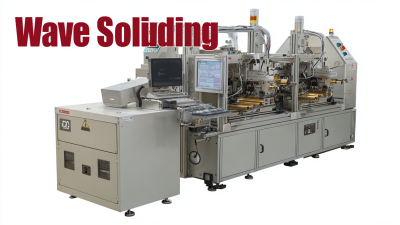
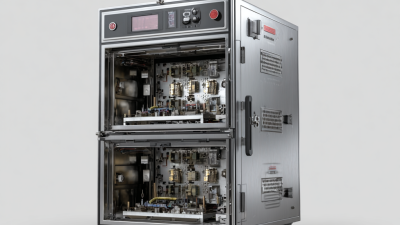
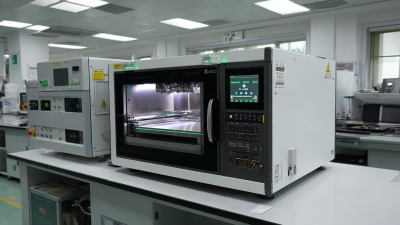
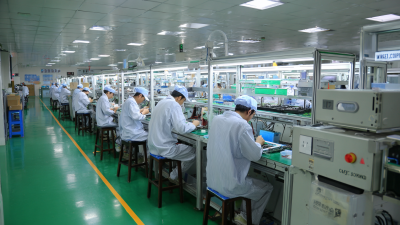
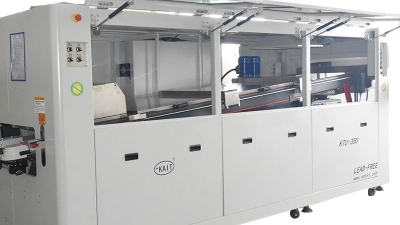
In today’s fast-paced worldof electronics manufacturing, finding the right Wave Soldering Equipment issuper important. It really makes a difference when it comes to getting those high-quality solder joints and boosting production efficiency. According to a report from IPC, the wave soldering market is expected to grow a lot in the coming years. Why? Well, it’s all thanks to advancements in surface mount technology (SMT) and a rising need for reliable soldering solutions. With more than 15 years under our belt in the SMT game, Morel Equipments Co., Limited has shifted gears from just being a supplier of accessories to becoming a full-on solution provider. We now offer a cool range of innovative gear—think Pick And Place Machines and automatic soldering robots.
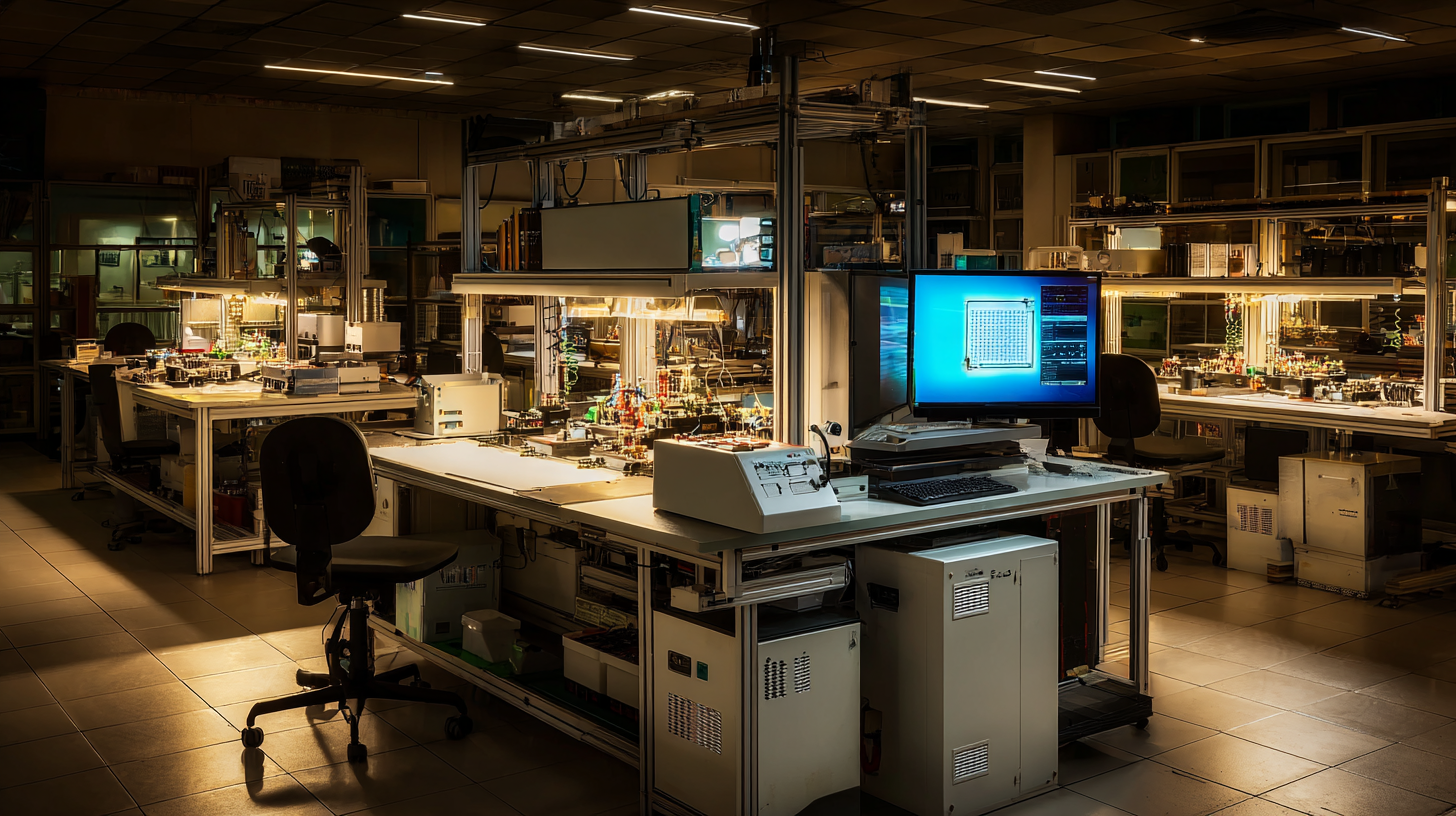
So, in this blog, I’m going to share 10 essential tips for picking the best wave soldering equipment in 2023. This way, manufacturers can really fine-tune their production processes and keep up with the demands of the market!
Key Factors to Consider When Choosing Wave Soldering Equipment for 2023
So, when you're looking to pick out wave soldering equipment this year, there are a few key things you really want to keep in mind to get the best performance and efficiency. First up, think about how much you’re producing and how complex those PCB assemblies are. For those high-output operations, you might want to invest in some advanced machines, like ones with that dual-wave technology. It can really help improve solder penetration and cut down on defects, which is something we all want, right? Just make sure the specs of whatever you choose align with your production needs, so it’s up to the task of handling your project's size and complexity.
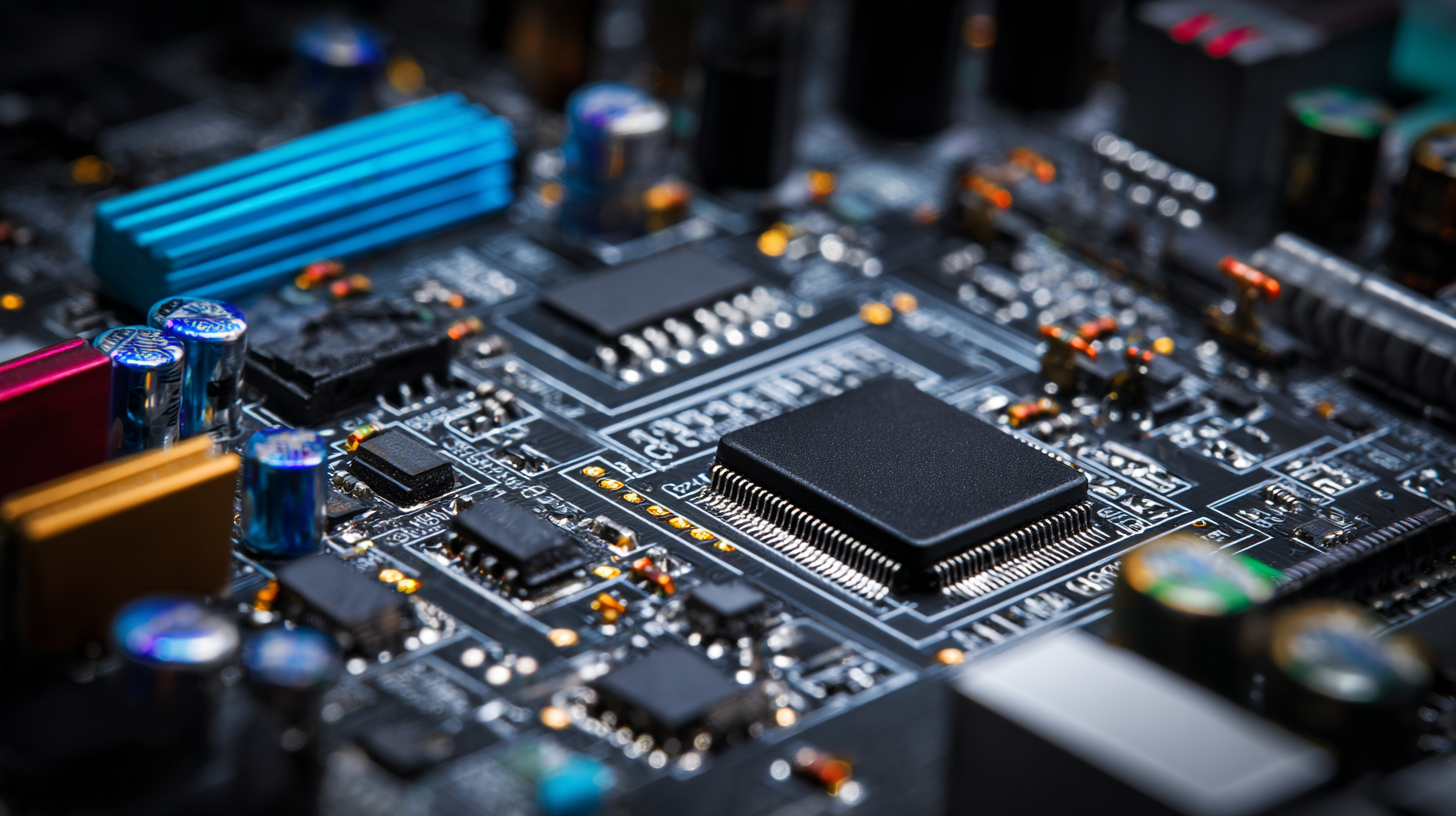
Another piece of the puzzle is the type of solder you’re using. With everyone moving towards lead-free options these days, it’s smart to look for machines that can handle that stuff without sacrificing quality. And you know, don’t forget about those energy efficiency ratings and how much maintenance the equipment may need. Many modern wave soldering systems now come equipped with automated cleaning and maintenance features, which can really help you save on downtime. Plus, think about the manufacturer’s support and service availability; having that backup can keep your operations running smoothly and help you tackle any issues that pop up during operation.
Understanding the Role of PCB Complexity in Equipment Selection
Choosing the right wave soldering equipment in 2023? Well, it’s super important to really grasp the ins and outs of printed circuit boards, or PCBs. You know, with the demand for multilayer PCBs on the rise, you’ll need some advanced soldering solutions to make sure those connections are solid. The design complexity of a PCB doesn’t just affect performance; it can really impact how reliable the soldering process will be too. Since multilayer boards come with all sorts of circuitry and components packed into them, picking equipment that can handle their specific needs is just crucial.
And let’s not forget about how different PCB thicknesses and layouts play into this whole thing. The more layers you pile on, the higher the chances of thermal stress during soldering. So, it’s super important to look into the heating profiles and overall thermal management of the equipment you’re considering. If you can get a hold of some up-to-date systems that offer precise control over temperature and timing, that can really help you nail those solder joints, cut down on defects, and even boost the lifespan of your assemblies. So, as you dive into picking out your wave soldering gear, definitely think about how the complexity of your PCB designs will steer your choices toward a better manufacturing outcome.
Evaluating Production Volume Needs: Matching Equipment to Your Output Requirements
When you're on the hunt for wave soldering equipment, one of the first things you really need to think about is how much production volume your operation needs. Getting a good grip on your output requirements is super important—this way, you can make sure the equipment you pick can handle what you need right now and what you might expect down the line. For those of you running small to medium-scale operations, a bench-top wave soldering machine could do the trick. It's flexible, and you won't have to break the bank! But if you're part of a larger manufacturing setup, you should be eyeing those high-capacity systems that give you quicker cycle times and better soldering efficiency.
Now, when you're evaluating what your production line really needs, think about the types of PCBs you'll be soldering and how complex the assemblies are. That kind of info will definitely help steer your choices. And hey, if your output tends to go up and down with the seasons, it might be worth it to invest in some adjustable or modular gear. That could give you the flexibility you need to tackle those changing demands. Just keep in mind that the perfect wave soldering equipment should not only fit your current production volumes but also have room to grow with you, keeping your efficiency and productivity on point for the long haul.
Assessing the Importance of Temperature Control in Wave Soldering Processes
When it comes to wave soldering, keeping the temperature just right is super important for making sure electronic assemblies are reliable and hold up well over time. You see, how we manage the temperature affects how solder melts and solidifies, which in turn can really impact the strength and longevity of the joints. So, if we nail that temperature profile, we not only make the soldering process way more efficient but also cut down on those pesky defects like solder bridging or incomplete wetting. And trust me, we definitely don’t want those messing with the performance of advanced electronics like PCs and smartphones.
But hey, temperature isn’t the only thing we need to keep an eye on in wave soldering. Wave height is just as crucial! You want to make sure those components are getting a good dip without facing issues like copper erosion in the plated through holes. If that happens, it could spike the resistance and mess with the reliability of printed circuit boards (PCBs). As we see products getting more intricate, paying attention to these key factors—temperature control and wave height—is absolutely essential for whipping up sturdy and reliable electronic devices.
Temperature Control Impact on Wave Soldering Quality
Comparing Costs and ROI: Finding the Balance Between Quality and Affordability
So, when it comes to picking out wave soldering equipment in 2023, it's super important to get a grip on the costs and return on investment, or ROI for short. A lot of manufacturers are juggling the tricky task of finding that sweet spot between quality and affordability. Sure, splurging on high-quality gear can lead to better reliability, fewer maintenance headaches, and overall improved product quality. But let's be real—throwing down that kind of cash up front can feel pretty overwhelming, especially for smaller manufacturers or those working with tight budgets.
To hit that sweet balance, companies really need to dive into a solid cost-benefit analysis. This isn’t just about crunching the numbers for the initial purchase; it’s also about thinking ahead to the long-term savings from durability and efficiency. Take this into account: a cheaper machine might look like a deal at first, but it could cost you more down the line with all the extra repairs and replacements. On the flip side, it might feel like you're shelling out a lot for top-notch wave soldering equipment, but that investment can really pay off in terms of boosted productivity and fewer defects, which ultimately means more profit in your pocket over time. By carefully considering both those upfront costs and the long-term benefits, manufacturers can make way smarter decisions that fit their budget and business goals.
10 Essential Tips for Selecting the Best Wave Soldering Equipment in 2023 - Comparing Costs and ROI
| Equipment Type | Cost Range ($) | ROI (Yearly %) | Quality Rating (1-5) | Maintenance Cost ($/Year) |
| Entry-Level Wave Soldering Machine | 10,000 - 20,000 | 15% | 3 | 1,200 |
| Mid-Range Wave Soldering Machine | 20,000 - 40,000 | 20% | 4 | 800 |
| High-End Wave Soldering Equipment | 40,000 - 100,000 | 25% | 5 | 500 |
| Automated Wave Soldering System | 50,000 - 150,000 | 30% | 5 | 900 |
Navigating Industry Trends: Innovations in Wave Soldering Technology for 2023
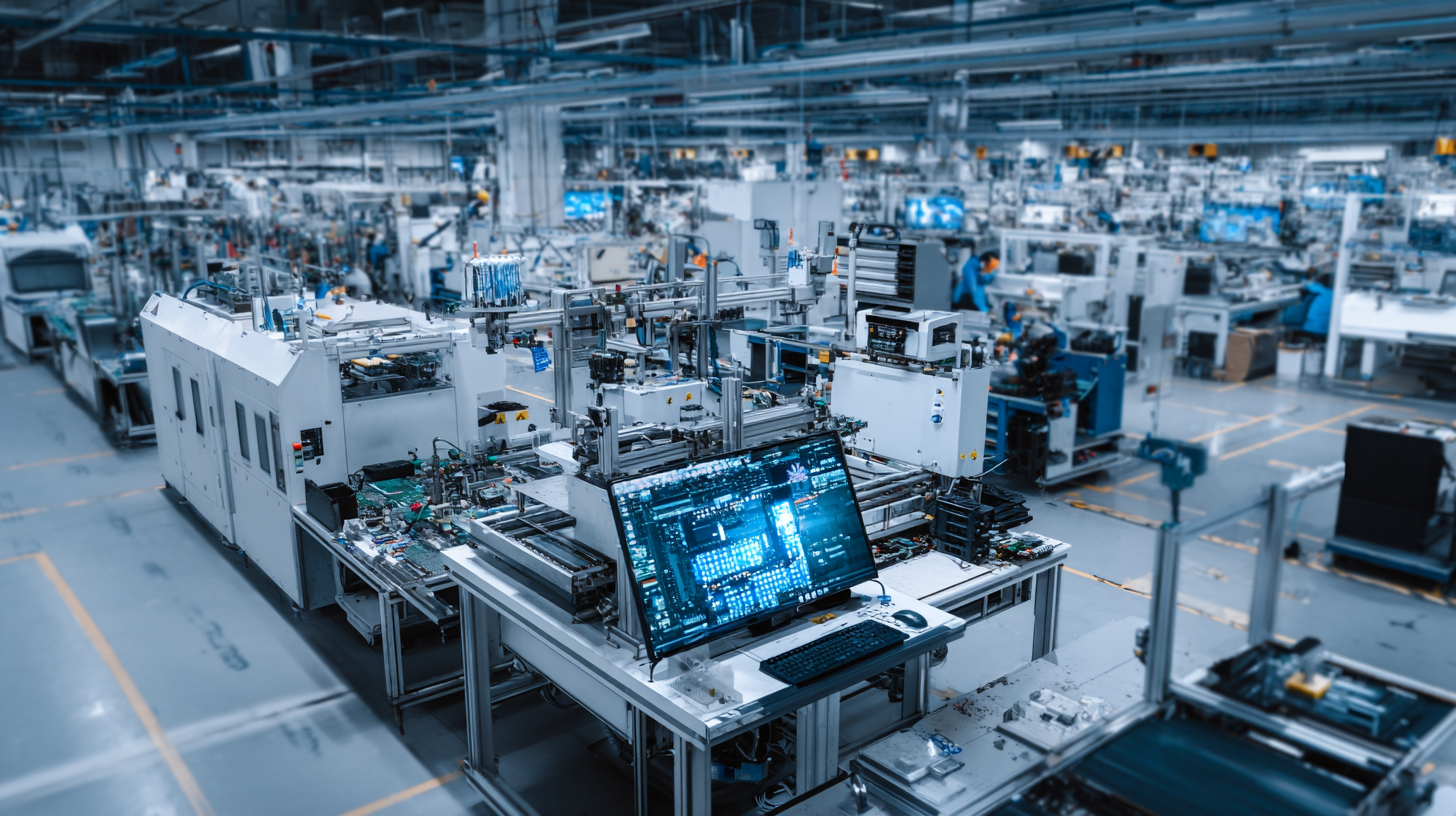 Hey there! So, as we dive into the world of wave soldering technology in 2023, it’s pretty clear that some exciting innovations are really shaking things up in the industry. The market for wave soldering equipment is definitely on the rise, and that’s largely due to the growing demand for top-notch production in electronics manufacturing. You know, with safety regulations and quality assurance being such a big deal these days, it's super important to integrate advanced ultrasonic detection systems into the wave soldering process. That can really amp up reliability and boost overall quality control.
Now, if you're on the hunt for the best wave soldering equipment, here are a few tips that might help you out. First off, make sure the machines you’re looking at can handle the latest materials and components. As the flux and solder materials keep evolving, your gear needs to keep up to effectively manage those changes. Secondly, look for machines that come with smart tech features—things like predictive maintenance. Trust me, that can seriously cut down on downtime and ramp up your production efficiency. Finally, think about scalability; the global soldering market is growing steadily, so you want to pick equipment that can handle future production needs without needing a ton of tweaks later on.
Enhancing Kitchen Efficiency: Insights from the Latest Industry Reports on the Dual Lane Wave Oven XMS-350's Performance and Benefits
In today’s fast-paced manufacturing environment, enhancing kitchen efficiency is paramount. Insights from the latest industry reports reveal that the Dual Lane Wave Oven XMS-350 not only meets but exceeds expectations in optimizing performance. This innovative oven boasts a remarkable energy-saving feature, consuming only 90% of the power used by comparable machines—representing a significant 10% reduction in energy consumption. This efficiency is vital for businesses looking to cut operational costs while adhering to environmental standards.
Moreover, the XMS-350 is designed with space efficiency in mind. Traditional wave soldering machines require an extensive footprint of around 186.9 square meters for a standard THT line. In contrast, the Dual Lane Wave Oven significantly reduces this requirement to approximately 65.45 square meters, resulting in an impressive space saving of up to 121.45 square meters. This compact design allows manufacturers to streamline their production lines, thereby facilitating smoother workflows and increasing overall productivity. As the industry continues to evolve, the XMS-350 stands out as a prime example of how technology can drive efficiency and sustainability in kitchen operations.
FAQS
: Temperature control is critical in wave soldering as it influences the melting and solidification of solder, which directly affects joint strength and longevity, enhancing soldering efficiency and minimizing defects.
Improper wave height management can lead to inadequate component submersion, causing issues like copper erosion from plated through holes, which increases resistance and decreases reliability in printed circuit boards (PCBs).
Manufacturers can balance quality and affordability by conducting a thorough cost-benefit analysis, weighing upfront costs against long-term savings associated with durability, efficiency, and reduced maintenance.
Investing in high-quality equipment can result in lower maintenance costs, improved product quality, enhanced productivity, and lower defect rates, leading to significant savings and increased profits over time.
Key innovations include the integration of advanced ultrasonic detection systems, focus on safety regulations, and the incorporation of smart technology features such as predictive maintenance to enhance reliability and production efficiency.
As flux and solder materials evolve, equipment must adapt to handle these changes efficiently, ensuring compatibility with current production demands and maintaining quality assurance in electronic manufacturing.
Smart technology features, such as predictive maintenance, can significantly reduce downtime, increase production efficiency, and contribute to more reliable performance in wave soldering processes.
Manufacturers should evaluate whether the equipment can meet future production demands without extensive modifications, allowing for growth as the global soldering market continues to expand.