inquiry
Leave Your Message
0%

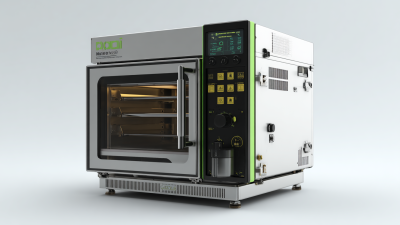
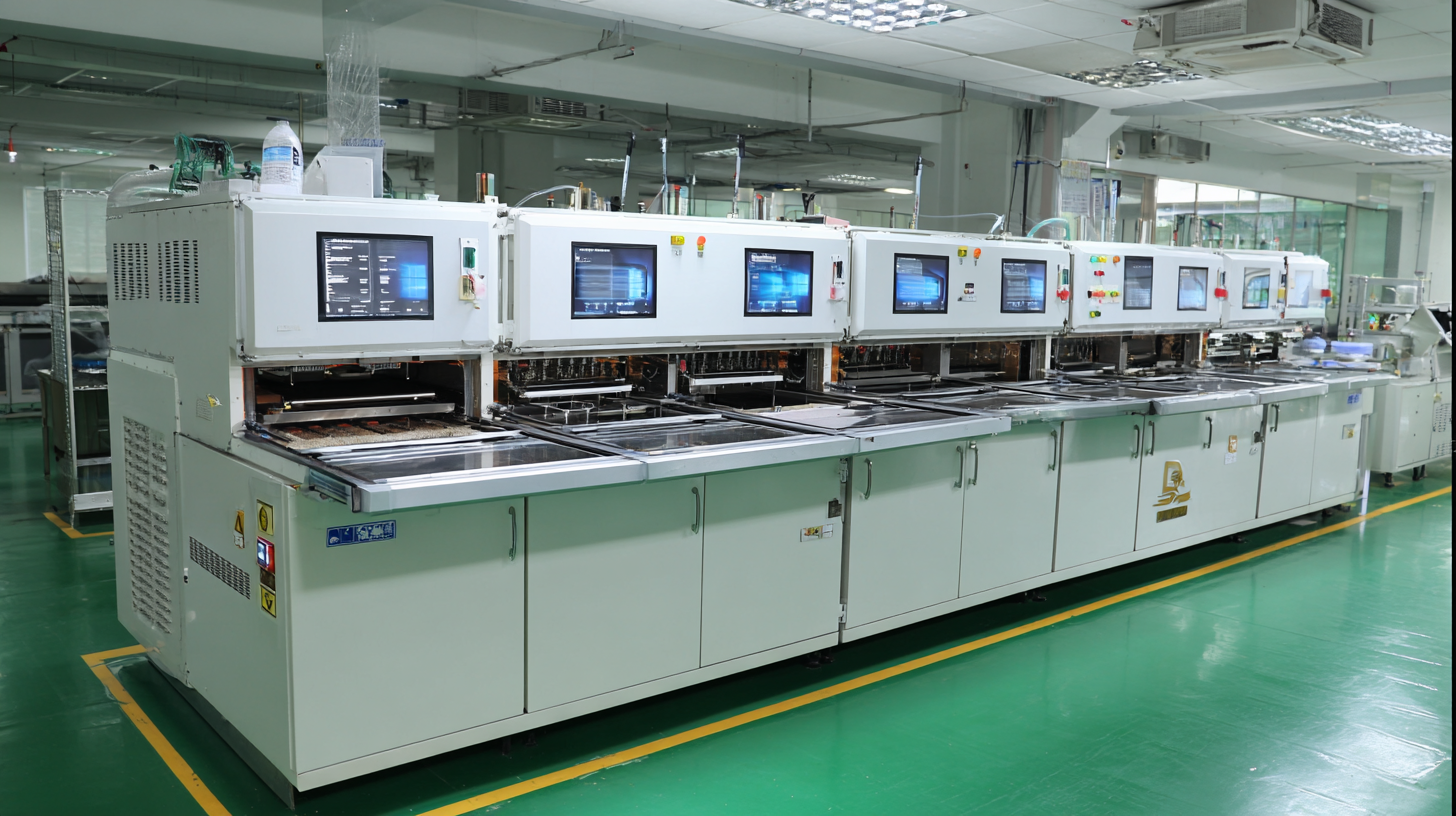
You know, the electronics manufacturing industry is really changing all the time. Lately, there's been this major uptick in the demand for advanced equipment like Vacuum Reflow Ovens. It's mainly because circuit board designs are getting more intricate, and everyone’s after those super reliable electronic products. A recent market analysis report even predicts that the global market for reflow ovens could hit a whopping $1.5 billion by 2025, with a solid growth rate of 7.5% each year. What’s cool is that the innovations in this area are all about improving thermal uniformity, being more energy-efficient, and stepping up automation to meet the needs of surface mount technology (SMT) applications.
Exploring the Future of Best Vacuum Reflow Ovens: Innovations and Trends

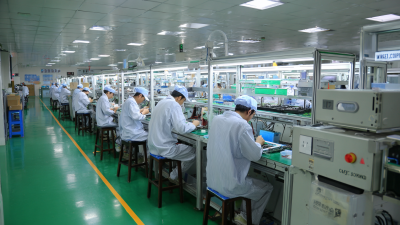
Take MOREL EQUIPMENTS CO., LIMITED, for instance. With over 15 years in the SMT game, they’ve really stepped up their game. They’ve transformed from just being a supplier of accessories into a one-stop shopfor advanced equipment like Pick And Place Machines and automatic soldering robots. It's impressive how they’ve embraced the growing role of theVacuum Reflow Oven in today’s manufacturing processes!

Key Features to Look for in Modern Vacuum Reflow Ovens

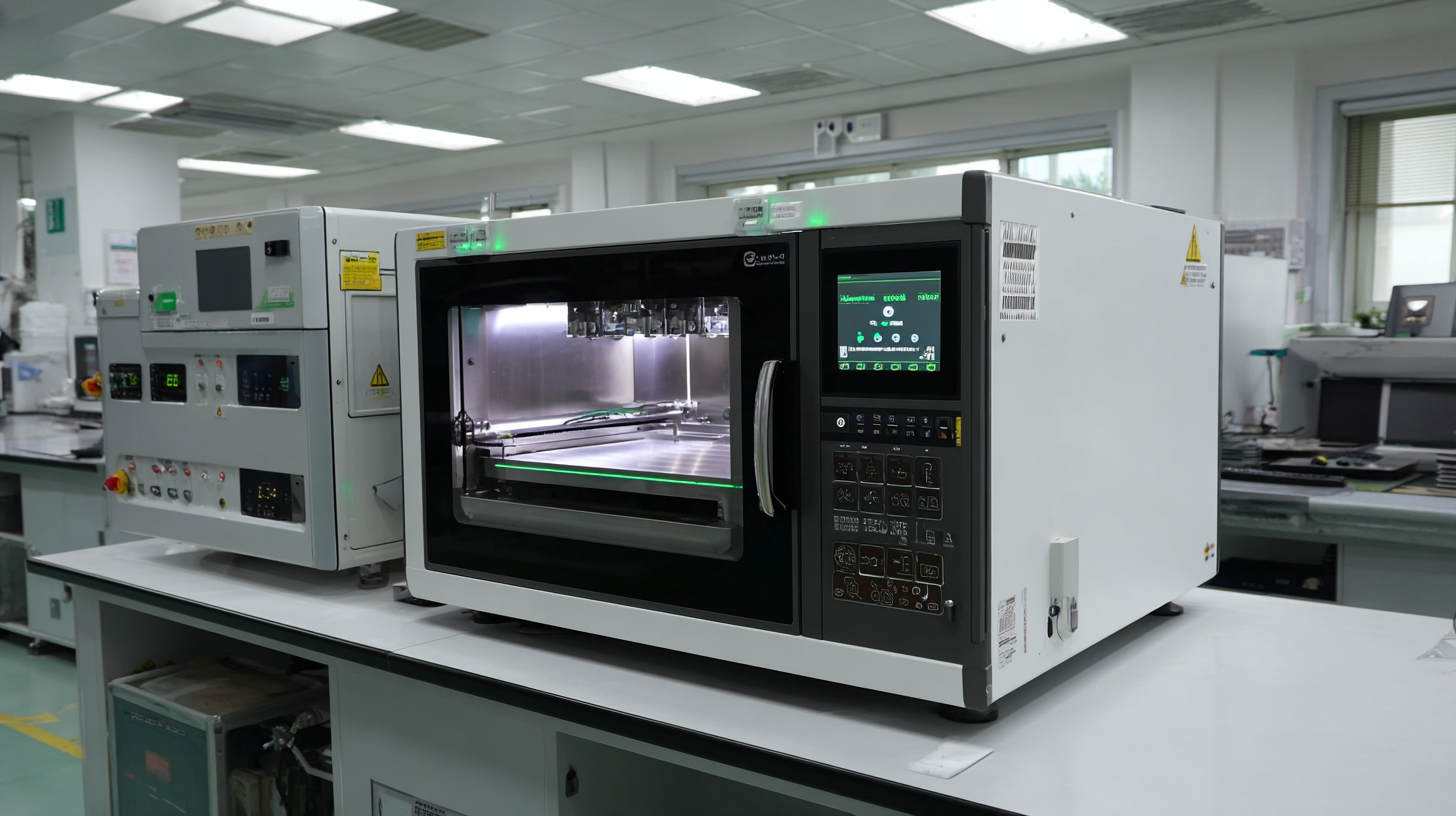
Hey there! So, if you’re diving into the world of modern vacuum reflow ovens, you’ll find that a few standout features can really boost performance and reliability. One biggie is having precise temperature control. This is super important because it helps ensure uniform heating, which is key for forming those perfect solder joints. Nowadays, you’ll see that these ovens come loaded with fancy temperature profiling capabilities. They not only keep every component in that sweet spot heat-wise but also help with the cooling process, which in turn cuts down on thermal stress and just generally improves the product quality.

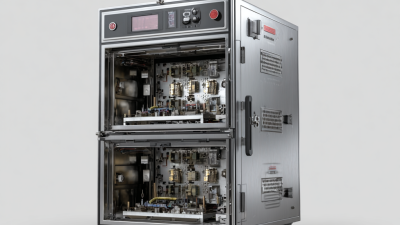
And you know what else is pretty cool? The real-time monitoring systems that are being integrated into these ovens. They give operators some seriously valuable insights into how the oven is doing, so adjustments can be made on the fly if needed. Features like data logging, predictive maintenance alerts, and even remote monitoring mean that if things go a bit off track, you can jump on it right away. This really helps in reducing downtime and cranking up efficiency on production lines. Plus, you can’t ignore the whole energy efficiency trend. Manufacturers are really pushing to lessen their environmental footprint while keeping those operational costs down. That’s why you’ll see cutting-edge vacuum reflow ovens featuring advanced insulation materials and smart energy management systems. Pretty neat, huh?

Emerging Technologies Shaping the Future of Reflow Soldering

You know, the future of reflow soldering is really getting shaped by some exciting new technologies that boost performance, efficiency, and sustainability. Just look at the advancements we've seen in convection reflow soldering ovens! Experts predict that the market's going to keep growing—like, it’s expected to hit around $4.50 billion by 2032. Pretty impressive, right? A lot of this growth is thanks to innovations designed to meet the demands of today’s electronics manufacturing, especially with the introduction of flexible hybrid electronics that make circuit design more adaptable than ever.

As the industry shifts gears, companies are putting a lot of effort into developing advanced inspection technologies to make sure the solder joints are top-notch. Think about it: with the latest 3D automated optical inspection systems, manufacturers can catch defects earlier on, which means less material waste and a boost in overall productivity. Plus, by optimizing the solder volumes, we can really supercharge those interfacial reactions during the reflow process. This step is super crucial for getting reliable solder joints, especially in those tight and densely packed electronic assemblies.

Here are a few tips to keep in mind:
1. Make sure to consider the specific needs of your components when choosing the solder volume—that’s key for optimal interfacial reactions.
2. Investing in modern inspection technologies is a smart move; it can really help with defect detection and improve your overall yield in production.
3. And don’t forget to stay up to date with industry trends and emerging technologies; it’ll keep your manufacturing processes competitive and efficient.

Exploring the Future of Best Vacuum Reflow Ovens: Innovations and Trends - Emerging Technologies Shaping the Future of Reflow Soldering

Innovation Description Impact on Reflow Soldering Expected Adoption Year
Automated Profile Control Utilizes AI to monitor and adjust temperature profiles in real-time. Improves solder joint quality and reduces defects. 2024
Modular Oven Design Configurable systems that allow for easy upgrades and customization. Enhances flexibility in production lines. 2025
Eco-friendly Heating Technologies Innovative heating methods that reduce energy consumption. Lowers operational costs and environmental impact. 2026
Integrated Traceability Systems Tracks every soldering process for quality assurance. Improves compliance with industry standards. 2027
Remote Monitoring and Diagnostics Enables real-time monitoring and troubleshooting via the cloud. Reduces downtime and enhances maintenance efficiency. 2025

Sustainability Trends in Vacuum Reflow Oven Manufacturing

Exploring the Future of Best Vacuum Reflow Ovens: Innovations and Trends Sustainability has become a critical focus in the manufacturing of vacuum reflow ovens, as industries increasingly prioritize eco-friendly practices. According to a recent report by the International Energy Agency, manufacturing energy consumption represents nearly 25% of global energy use. This has prompted manufacturers to innovate by incorporating energy-efficient technologies that reduce carbon footprints. For instance, the latest vacuum reflow ovens are designed to use significantly less energy during the heating and cooling phases, optimizing performance without sacrificing quality.

In addition to energy efficiency, the use of sustainable materials in the production of vacuum reflow ovens is gaining traction. Many manufacturers are now opting for recyclable materials and eco-friendly lubricants, aligning with the circular economy principles. A study published in the Journal of Cleaner Production found that products made from sustainable resources not only reduce environmental impact but also enhance corporate image, attracting eco-conscious clients.

Tip: When considering the purchase of a vacuum reflow oven, look for models with energy-star ratings or certifications that indicate compliance with sustainability standards.

Investing in these advanced ovens can lead to long-term cost savings through reduced energy consumption and lower maintenance costs. As industries continue to embrace sustainability, understanding these trends is crucial for staying competitive in the market.

Tip: Regularly auditing energy use and exploring retrofitting options for existing equipment can also help in achieving sustainability goals.

Comparative Analysis of Leading Vacuum Reflow Oven Brands

Hey there! So, in the ever-changing world of electronics manufacturing, vacuum reflow ovens are pretty important for making sure components are soldered just right. If we take a closer look at some of the biggest brands out there, like DEK, Huafeng, and KIC, we can see they all bring something different to the table with their tech and features. These guys have really stepped up their game with smart technologies that make controlling the process easier and more efficient. Each brand has its own special offerings too—think automated profiling systems or designs that are super energy-efficient, which can help cut down on production costs and even help the planet a bit.

Now, if we focus on DEK, they really shine with their cool thermal management systems. These systems make sure the temperature stays consistent for the best soldering outcomes. Then there’s Huafeng, which is getting a lot of love for its easy-to-use interfaces and solid-build quality—perfect for manufacturers who want something they can rely on. And let’s not forget KIC, known for its data-driven approach. They give users valuable insights to help make processes smoother. As this industry keeps growing, it looks like these brands aren’t just battling it out over features anymore; they're also finding ways to make manufacturing smarter and more sustainable.

The Role of Automation in Enhancing Reflow Oven Efficiency

You know, the world of reflow oven technology is really changing these days, mainly thanks to all the cool advancements in automation. Manufacturers are really keen on boosting efficiency and improving product quality, and that’s where automated systems in vacuum reflow ovens come into play. I came across this recent market research report that says the global automated soldering equipment market is expected to grow by about 7.5% every year between 2022 and 2030. That’s a pretty clear sign that the SMT sector is really craving more automation.

At Morel Equipments Co., Limited, we've got a solid background in the SMT industry. It’s given us the chance to adapt and come up with some cutting-edge solutions that leverage automation. Nowadays, our modern reflow ovens come packed with nifty features like real-time monitoring and adaptive process control. This means they can optimize the soldering process, cut down cycle times, and really minimize defects. These advancements aren't just about making things run smoother; they also fit right into the trend of smart manufacturing, where making decisions based on data is key.

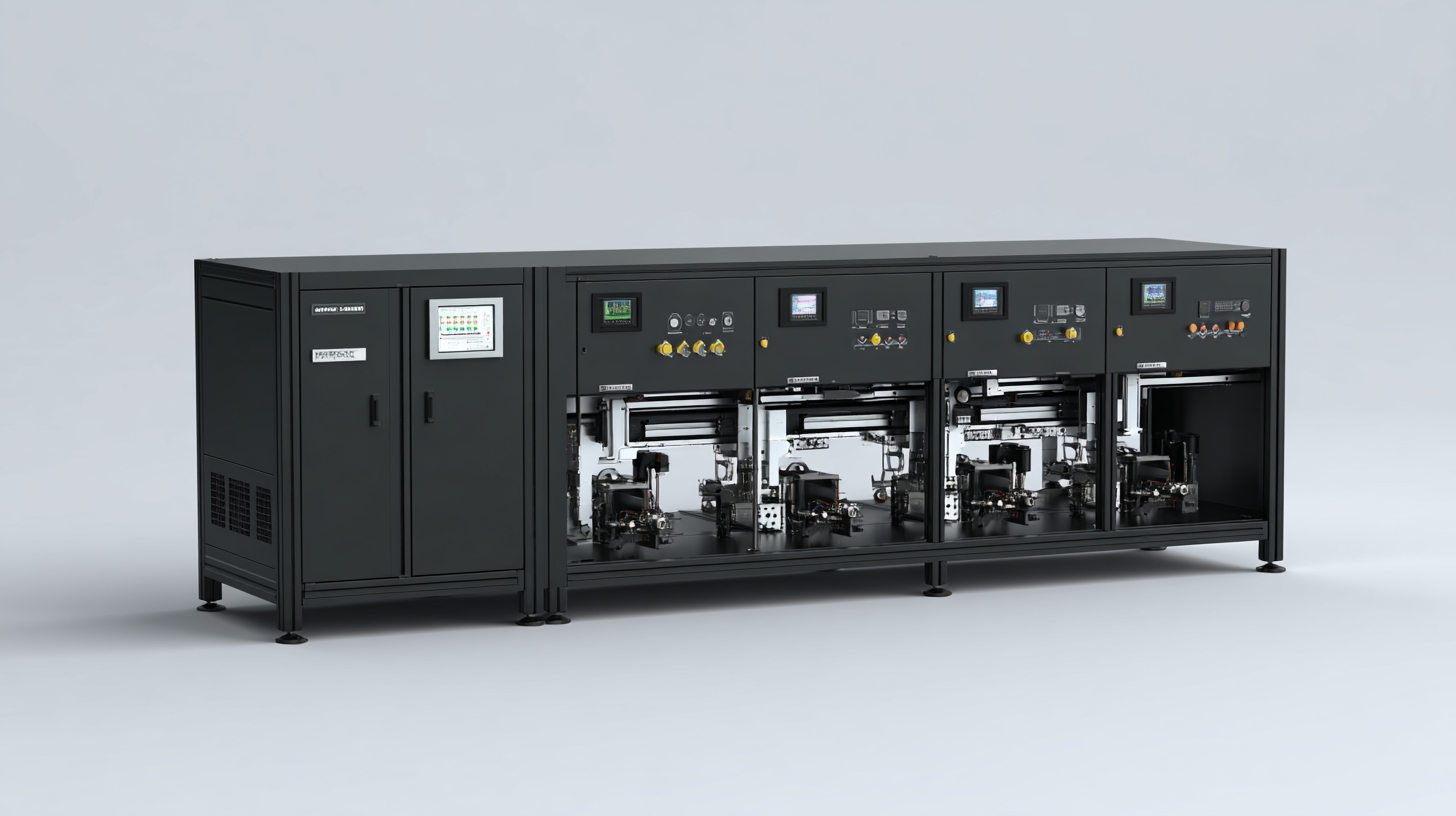
And get this: automated reflow ovens are becoming way more user-friendly, too! They've got better interfaces and improved connectivity. Thanks to Industry 4.0 principles, they integrate better with other manufacturing systems, which makes for a smoother workflow across production lines. As more companies jump on the automated bandwagon, it’s clear that advanced tech is going to be super important in boosting the performance of reflow ovens—and that’s what’s going to propel the industry forward.

Exploring the Future of Best Vacuum Reflow Ovens: Innovations and Trends

Best Practices for Maintaining Your Vacuum Reflow Oven

Taking care of your vacuum reflow oven is super important if you want it to work well and last a long time. You know, a little regular maintenance goes a long way—it makes the equipment more reliable and cuts down on those frustrating production downtimes. I read somewhere from IPC that companies that prioritize preventative maintenance can boost their productivity by 15-20%. That really shows how crucial it is to keep up with things in the manufacturing world.

Here’s a quick tip: make sure to schedule those regular calibration checks for your oven. Keeping the temperature and pressure settings just right can help you avoid defects in solder joints and really improve your overall yield. Plus, a good calibration can catch any potential problems before they become real headaches down the line, saving you both time and money.

And don’t forget about keeping the oven clean! If you let residues build up, it can mess with heat transfer and screw up the quality of your soldering. Did you know that industry studies suggest a clean oven can boost energy efficiency by around 10%? That means lower operating costs for you! Sticking to a regular cleaning routine ensures that every part—from the conveyor system to the heating elements—stays nice and clean.

Oh, and here’s another tip: always use the cleaning solvents that your oven’s manufacturer recommends, and don’t skip on the safety protocols. Putting in the effort to clean properly not only helps your equipment last longer but also ramps up the quality of the products you send out. In the end, that’ll definitely keep your customers happy and give your brand a good reputation.

FAQS

: What are the key features to look for in modern vacuum reflow ovens?

: Key features include precise temperature control, advanced temperature profiling capabilities, real-time monitoring systems, data logging, predictive maintenance alerts, and energy efficiency technologies.

How do real-time monitoring systems benefit vacuum reflow ovens?

Real-time monitoring systems provide valuable insights into the oven's performance, allowing operators to make immediate adjustments and addressing any deviations from desired process parameters, thus reducing downtime and increasing efficiency.

Why is energy efficiency important in vacuum reflow ovens?

Energy efficiency is crucial as manufacturers aim to minimize their environmental impact and reduce operating costs. Advanced ovens incorporate smart energy management systems and insulation materials to optimize energy use.

What sustainability trends are being adopted in vacuum reflow oven manufacturing?

Sustainability trends include the incorporation of energy-efficient technologies, the use of recyclable materials, and eco-friendly lubricants, aligning with circular economy principles to reduce environmental impact.

How can businesses benefit from maintaining their vacuum reflow ovens?

Regular maintenance enhances reliability and minimizes production downtime, potentially leading to a 15-20% increase in productivity as reported by IPC.

What is one best practice for maintaining a vacuum reflow oven?

Scheduling regular calibration checks helps maintain accurate temperature and pressure settings, preventing defects in solder joints and improving overall yield.

How does keeping a vacuum reflow oven clean impact its performance?

A clean oven improves energy efficiency by up to 10%, ensuring better heat transfer and affecting the quality of the soldering process positively.

What should manufacturers consider when purchasing a vacuum reflow oven?

Manufacturers should look for models with energy-star ratings or certifications indicating compliance with sustainability standards, which can lead to long-term cost savings.

Why is using appropriate cleaning solvents critical for vacuum reflow ovens?

Using recommended cleaning solvents ensures the oven operates effectively and safely, prolongs equipment lifespan, and enhances the quality of final products.
Liam

Liam

Liam is a dedicated marketing professional at Shenzhen Moeller Electromechanical Equipment Co., Ltd., where he leverages his extensive knowledge of the company’s products to drive engagement and increase brand visibility. With a strong focus on innovation and customer satisfaction, Liam plays a......
Previous Mastering Smt Oven Reflow: A Comprehensive Guide for Global Buyers