The manufacturing industry is really on the edge of a major tech leap! Automated Optical Inspection (AOI) technology is stepping up big time, playing a key role in boosting efficiency and ensuring top-notch product quality. I mean, if you look at a recent market report, the global AOI market is gearing up to grow at a whopping 25.1% annually, potentially hitting a cool USD 1.5 billion by 2025. That’s mainly fueled by the growing complexity of electronic assemblies and the ever-increasing need for spot-on quality control in manufacturing. In this exciting landscape, you’ve got MOREL EQUIPMENTS CO., LIMITED, which has been around for over 15 years in the surface mount technology (SMT) scene. They’re in a prime spot as a one-stop shop for solutions. Whether it’s Pick And Place Machines, automatic soldering robots, or advanced testing equipment, MOREL’s commitment to blending AOI inspection tech into their products is set to not only crank up manufacturing efficiency but also help shine a brighter light on Chinese manufacturing in the global arena.

You know, the way Automated Optical Inspection (AOI) technology has changed in manufacturing is pretty fascinating, especially when you think about how we've moved from old-school 2D systems to these super advanced 3D vision setups. This upgrade really tackles some big issues we face in industrial automation, like boosting the accuracy of defect detection and speeding up inline inspections on automated production lines. I mean, according to some industry reports, switching to 3D vision has dramatically cut down on those pesky false positives in defect detection, with accuracy jumping up to 95% when you compare it to the older methods. How cool is that?
But that’s not all—there’s also this game-changing trend of integrating intelligent sensor technologies into AOI for smart manufacturing. These next-gen sensors give us real-time data and environmental feedback, which is super important for keeping production running smoothly. With the buzz around Industry 4.0, companies that embrace smart sensor tech can actually see operational efficiency soar by as much as 30%. That means they can make quicker adjustments and boost the quality of their products. As manufacturing keeps evolving, we really can’t underestimate how important these innovative inspection technologies are—they’re steering us toward a future that's way more automated and reliable in production.
You know, the whole idea of using Automated Optical Inspection (AOI) systems is really going to change the game for manufacturing efficiency in a bunch of different industries. As these automated inspection technologies keep getting better, manufacturers are finding it easier to spot defects and other oddities in their products, and they can do this much faster and more accurately. This proactive strategy not only cuts down on waste but also helps keep operational costs in check by making sure that only the products that actually meet those tough quality standards make it through the production line.
In the advanced packaging world, it’s pretty clear that wafer inspection and measurement systems are becoming must-haves, showing just how much businesses are leaning on AOI these days. The market is forecasted to jump from around $475.14 million in 2024 to nearly $696 million by 2032, with a solid annual growth rate of 6.4%. This really shows that manufacturers see the value in adopting these high-tech inspection tools. They not only help with quick decision-making but also keep quality control on point, which leads to a significant boost in production efficiency and output. So, by pouring resources into AOI, companies are really tapping into the benefits of automation, and that’s paving the way for a future where manufacturing is not just efficient but also super precise.
You know, Automated Optical Inspection (AOI) technology is really shaking things up in the world of manufacturing quality control. It’s pretty amazing how it offers such incredible speed and precision. There’s this report from MarketsandMarkets that says the global AOI market is on track to hit a whopping $1.5 billion by 2026, growing at an annual rate of about 12.4%. That’s a pretty clear sign that companies are jumping on the bandwagon for advanced tech to ramp up their quality and efficiency.
So, here’s the cool part: AOI systems use high-res cameras and fancy algorithms to spot defects that you honestly wouldn’t see just by looking. This means every product really has to meet super strict quality standards, which is great!
And get this, when manufacturing lines start using AOI, they can cut inspection time by a staggering 90% compared to the old-school manual checks. I came across a study in the Journal of Manufacturing Science and Engineering that showed how implementing AOI can actually reduce overall production costs by about 30% because there’s way less rework and scrap. Not only does this make products more reliable, but it also kicks overall productivity up a notch, helping manufacturers stay on their toes with market needs. As the industry keeps evolving, it’s clear that AOI is becoming a must-have for keeping high-quality standards in check while also boosting operational efficiency.
You know, the way AI and machine learning are being woven into automated optical inspection (AOI) tech is really shaking things up in manufacturing. It’s pretty amazing! With all those fancy algorithms, manufacturers are actually managing to catch defects way better than before. Fun fact: a report from MarketsandMarkets predicts that the AOI market will hit around $1.4 billion by 2025, which is a hefty compound annual growth rate (CAGR) of 25.1%. A big part of that surge is thanks to AI stepping in; it’s making inspections super accurate and cutting down on those pesky false positives during quality checks.
Machine learning models can sift through tons of visual data from production lines, getting better at spotting defects as they go along. There’s this study in the Journal of Manufacturing Science and Engineering that noted using machine learning in AOI can actually chop inspection times by about 30%. How cool is that? This means they can crank up production and work more efficiently. Plus, as AI keeps getting smarter, it’s opening up avenues for predictive analytics, which will help manufacturers foresee potential problems before they crop up. This proactive approach means less downtime and smoother operations. So, it’s not just about making things quicker; it’s also about raising the bar for quality assurance in manufacturing. Pretty exciting stuff!
You know, as manufacturing keeps changing and evolving, Automated Optical Inspection, or AOI for short, is really becoming a game-changer when it comes to boosting efficiency. Looking ahead, we’re seeing artificial intelligence and machine learning starting to sneak into AOI systems more and more. It’s pretty exciting, right? This not only helps spot defects more accurately but also paves the way for predictive maintenance. Imagine catching issues before they cause any downtime in production – that’s a big win for manufacturers! With smart algorithms now capable of sifting through tons of visual data faster than we could ever imagine, AOI is turning into an essential tool for meeting those high quality standards we all strive for.
And let’s not forget about the rise of 3D imaging technologies – that's another major thing shaking up the future of AOI in manufacturing. Unlike the old-school 2D inspections, 3D AOI gives a far better look at components, which means it can catch defects that might slip by in flat images. This shift could seriously enhance quality assurance, especially in more complex assemblies and detailed designs. As manufacturers hop on board with these cutting-edge tools, you can bet the capability of AOI systems to deliver precision and reliability will just skyrocket, making them absolutely vital for the next wave of manufacturing efficiency.
| Trend | Description | Impact on Efficiency | Expected Adoption Rate (%) |
|---|---|---|---|
| AI Integration | Use of artificial intelligence to improve defect detection. | Increases accuracy and reduces false positives. | 75% |
| Real-Time Data Analytics | Implementing analytics for immediate feedback on manufacturing processes. | Enhances decision-making and process optimization. | 60% |
| 3D Inspection Technology | Using 3D imaging to detect flaws that traditional methods may miss. | Improves defect detection rates significantly. | 50% |
| Increased Automation | Higher levels of automation in the manufacturing process. | Reduces labor costs and human error. | 80% |
| Cloud-Based Solutions | Adoption of cloud technology for scalable inspection solutions. | Facilitates remote monitoring and updates. | 65% |
You know, Automated Optical Inspection (AOI) technology has really shaken things up in quality control across all sorts of manufacturing industries. It brings a level of precision and speed that, honestly, manual inspections just can't keep up with. Take the electronics industry, for example. Many companies have jumped on the AOI bandwagon to catch defects in printed circuit boards (PCBs) while they’re being assembled. One well-known tech manufacturer went all in and implemented this super advanced AOI system that uses fancy high-resolution cameras paired with machine learning algorithms. It’s amazing how it can detect even the tiniest flaws! Because of this, they managed to cut defect rates by a whopping 30% and really ramped up production line efficiency.
And it’s not just electronics! Over in the automotive world, a big car manufacturer decided to incorporate optical inspection technology into their assembly process too. They started using AOI systems to double-check weld quality and make sure components were placed right. The results? They not only got better accuracy in assembling parts but also slashed their rework costs. Plus, they saw a 25% drop in inspection time, which really boosted their overall throughput. These stories just go to show how versatile automated optical inspection can be and how it’s making a significant difference in manufacturing efficiency across various sectors.
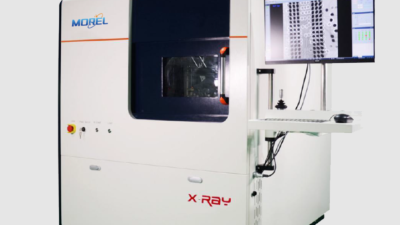
In the realm of electronics manufacturing, ensuring product safety and quality is paramount. The S-7200 X-Ray Inspection System stands out as a revolutionary tool designed to enhance quality control processes. Its advanced real-time X-ray imaging technology allows manufacturers to perform precision non-destructive tests on printed circuit boards (PCBs) and electronic assemblies. This capability is crucial for identifying defects, such as hidden solder joint failures and internal component issues, that could compromise the performance and reliability of electronic products.
What sets the S-7200 apart is its unmatched precision and accuracy. By providing high-resolution imaging, manufacturers can conduct thorough examinations of the internal structures of their products without the risk of damage. This non-destructive testing process not only saves time and resources but also ensures that only the highest quality products reach the market. As industries strive for enhanced product safety amidst increasing complexity in electronic designs, the S-7200 X-Ray Inspection System emerges as an essential ally in maintaining rigorous quality standards while fostering innovation in manufacturing practices.
utomated Optical Inspection (AOI) technology?
AOI technology has evolved from 2D vision systems to advanced 3D vision systems, significantly improving defect detection accuracy and inspection speed.
The incorporation of 3D vision systems has led to a reduction in false positives and accuracy improvements of up to 95% compared to traditional 2D methods.
AI improves defect detection rates and reduces false positives by leveraging advanced algorithms that analyze visual data more accurately.
Integrating machine learning can reduce inspection times by up to 30%, increase throughput, and improve overall manufacturing efficiency.
Smart sensor technology provides real-time data processing and feedback, leading to a potential increase of up to 30% in operational efficiency.
Future trends include greater integration of AI and machine learning, enhanced predictive maintenance capabilities, and expanded use of 3D imaging technologies.
3D AOI offers a more comprehensive view of components and better defect detection in complex designs, compared to traditional flat 2D inspections.
The AOI market is projected to reach $1.4 billion by 2025, with a compound annual growth rate (CAGR) of 25.1%, largely driven by AI adoption.
AOI is essential for ensuring higher quality standards, operational efficiency, and reliability in the increasingly complex manufacturing environment.