inquiry
Leave Your Message
0%

Hey there! In the super-fast world of electronics manufacturing, the equipment you choose can really change the game when it comes to efficiency and the quality of your output. One of the must-have tools for PCB assembly is the Pick And Place Machine Pcb. It's become pretty crucial for nailing precision and speed when placing components. Here at Morel Equipments Co., Limited, we've been in the surface mount technology (SMT) industry for over 15 years now, and boy, have we evolved! We started out just supplying accessories, but now we’re a one-stop shop for comprehensive solutions. Our product lineup is pretty diverse—think pick and place machines, automatic soldering robots, and high-tech testing gear. We’re all about meeting the varied needs of our clients. In this ultimate guide, we're going to dive into some industry application cases and lay out a step-by-step approach to picking the right pick and place machine for your PCB assembly needs. Trust me, this will really help you boost your manufacturing process and stay ahead in this ever-changing market.
Ultimate Guide to Choosing the Best Pick and Place Machine for PCB Assembly

Understanding Pick and Place Machines: Key Functions and Features

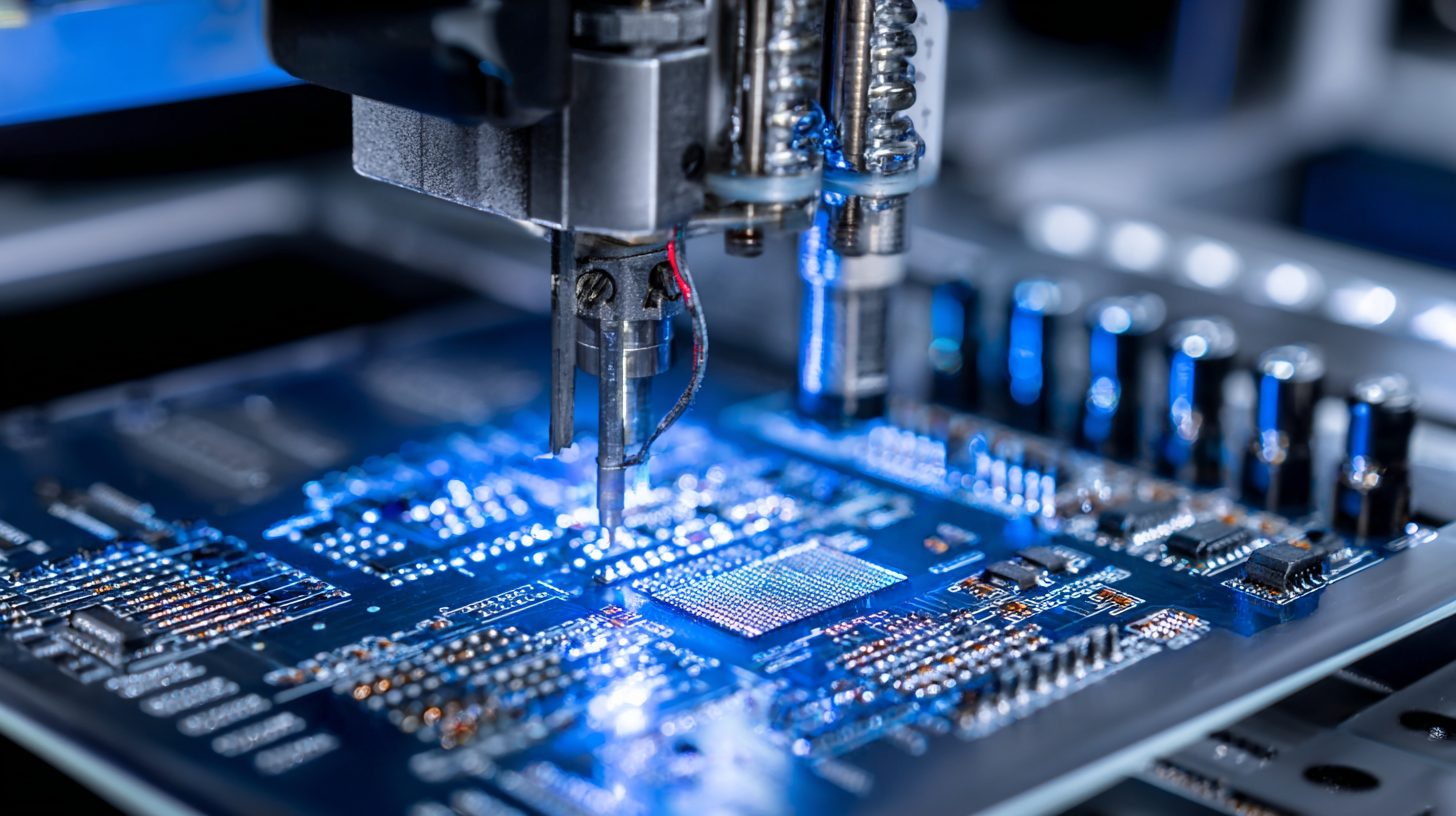
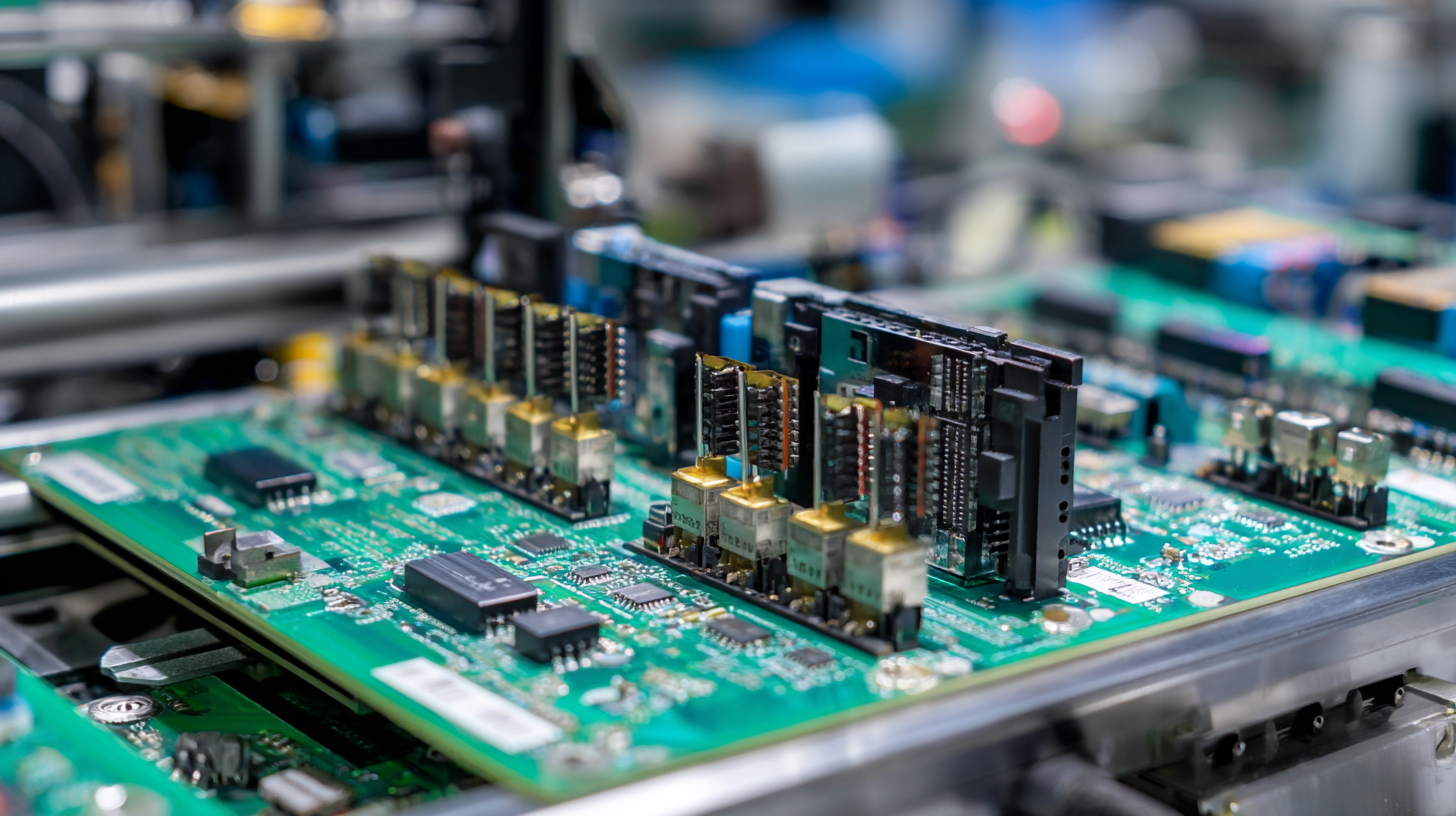
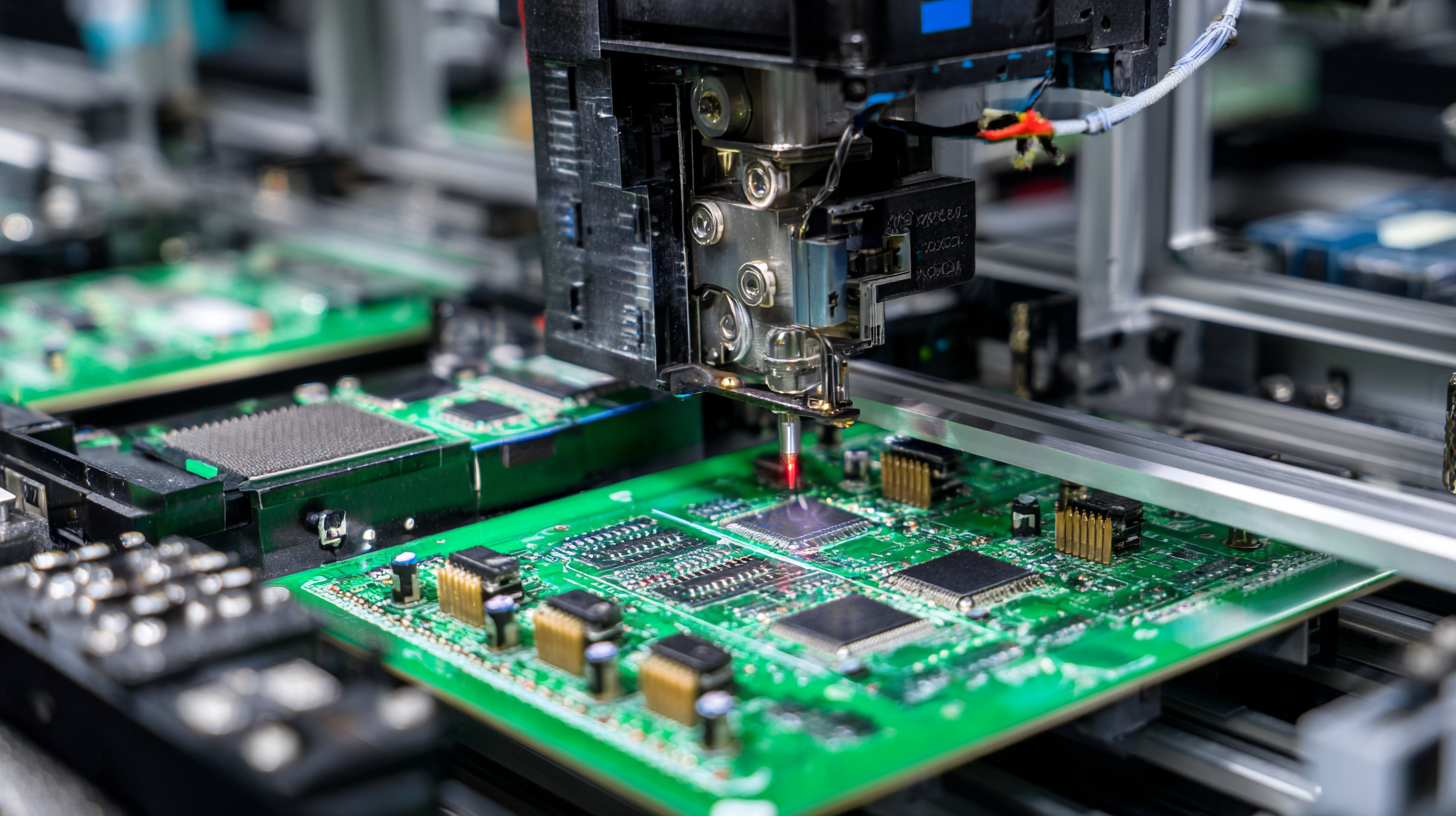
Hey there! Let's talk about pick and place machines and why they're super important in the world of PCB assembly. These machines are really key for making sure everything is done with precision and efficiency. If you're thinking about selecting one, it’s crucial to get the lowdown on how they work. Basically, pick and place machines help accurately place electronic components onto a printed circuit board using speedy robotic arms and fancy vision systems. This clever setup helps cut down on assembly mistakes and boosts your overall output—pretty essential in today’s manufacturing scene!
Ultimate Guide to Choosing the Best Pick and Place Machine for PCB Assembly

When you're on the hunt for a pick and place machine, think about the types of components you'll be dealing with. Some machines do a great job with tiny components or intricate boards, while others are champs when it comes to larger parts or high volumes. And don't forget to consider the machine’s flexibility! The ability to quickly switch between different tasks can really ramp up your production efficiency.

Here’s a quick tip for you: always go for machines that have the latest tech features, like advanced software for real-time monitoring and diagnostics. Plus, it’s a good idea to pick one that’s easy to maintain, which means less downtime for you. By keeping these points in mind, you’ll definitely make sure your investment in a pick and place machine is spot on for your production needs!

Evaluating Quality Standards in PCB Assembly Equipment

Choosing a pick and place machine for your PCB assembly? Well, you really can’t overlook the quality standards. I mean, the kind of quality equipment you go for can really affect how well your printed circuit boards (PCBs) perform and hold up over time. To get a good sense of a machine's reliability, you usually look for those tough quality certifications and manufacturing standards. These are super important because they help make sure that the machines are up to speed with what the electronics industry is demanding these days. We’re talking about everything from how accurately the components are placed to how smoothly the whole assembly process works. And let’s be honest, those factors play a huge role in production timelines and costs.

Now, let’s get into some exciting stuff! With the latest advances in machine learning and the Internet of Things (IoT), the way we assess quality in PCB assembly is really changing. These technologies let us keep an eye on production in real time and analyze what’s happening, which gives us some pretty valuable insights to boost the overall quality of our output. By using machine learning algorithms, manufacturers can even predict when things might go wrong and keep their quality levels high throughout the production cycle. As customers keep raising the bar, it's becoming more and more crucial for manufacturers to embrace these tech advancements to stay ahead of the game and keep up with the evolving quality certifications.

Comparison of PCB Assembly Machine Quality Standards

This chart illustrates the quality standards evaluations for different types of pick and place machines used in PCB assembly. The various standards evaluated include Placement Accuracy, Maximum Speed, and Component Range.

Top Brands in the Market: A Comprehensive Review

So, when you’re on the hunt for a pick and place machine for PCB assembly, it’s super important to check out some of the top brands that really stand out with their tech and dependability. You've probably heard of companies like Fuji, Panasonic, and Juki – they’re definitely leading the pack. Each one brings something a little different to the table, which can be a game changer depending on what you need. For example, Fuji is really popular for its high-speed machines that are all about precision and efficiency. They’re perfect if you're dealing with large-scale production and need to keep things moving. Then there’s Panasonic, which really shines with its innovative automation and user-friendly setups. If you want something easy to operate and that fits nicely into your current workflow, Panasonic could be the way to go.

Now, I can’t forget about Juki. They’ve built a solid reputation for versatility – their machines can tackle all sorts of components, whether you're working with tiny resistors or bigger connectors, without losing any speed. This kind of flexibility is a real bonus for companies juggling different product lines. All these brands have their own strengths, whether it’s speed, accuracy, or the ability to adapt to different needs. So, as engineers look into their options, getting a grasp on what each brand offers can really help them make the best decision for their assembly projects.

Factors Influencing the Cost of Pick and Place Machines

So, when it comes to picking out a pick and place machine for PCB assembly, there are quite a few things to keep in mind that can really affect the price tag. First off, speed and accuracy really take center stage here. You know, if you've got a high-speed machine that can whip those components into place quickly, it often doesn’t come cheap. But hey, that investment can totally pay off in the long run, especially if you’re working with larger production runs. Plus, let’s not forget how crucial accuracy is; a slight misalignment during placement might just lead to a whole bunch of faulty boards, and that means extra costs down the line for repairs or rework. Yikes!

Then there’s the range of components the machine can handle. If you're looking for a versatile pick and place machine that can manage all sorts of sizes and types—especially those tricky SMT parts—you might have to shell out a bit more cash. Also, features like automated vision systems and fancy programming options can really vary the price. Oh, and let’s not ignore the manufacturer's reputation. A company known for solid customer support usually means fewer headaches later on, which can actually save you money in the long term. So, when you're trying to make a decision, it’s super important to weigh all these factors carefully to strike the right balance between cost and performance.

Ultimate Guide to Choosing the Best Pick and Place Machine for PCB Assembly

How to Choose the Right Machine for Your Production Needs

Picking the right pick and place machine for your PCB assembly? That’s super important if you want to boost your production efficiency and churn out high-quality products. I mean, let’s face it—the electronics world is changing fast, and with that change comes a demand for speed and precision in assembly processes. Just look at the forecasts! The global machine vision market is set to jump from around $11.61 billion in 2024 to a whopping $22.59 billion by 2032, marking a compound annual growth rate of about 8.7%. This definitely shows how vital automation tech, like pick and place machines, has become for keeping production running smoothly.

But when you're on the hunt for a pick and place machine, there are a bunch of things you need to think about—like how much you're producing and what types of components you’re working with. If you’re a business that’s aiming to grow, tapping into some market trend data might just highlight the machines that could give you the best bang for your buck. Take the CNC machine market, for instance; it’s expected to soar from $101.22 billion in 2025 to roughly $195.59 billion by 2032, with a CAGR of 9.9%. That’s a clear indicator that manufacturers need to invest in top-notch machinery that can keep pace with rising demands and offer some flexibility. By matching your machine’s capabilities with your production goals, you’ll really set yourself up to make smart decisions that could lead to long-term success.

Future Trends in PCB Assembly Technology and Their Impact on Quality

Hey there! You know, as the PCB assembly industry keeps moving forward, we’re seeing some really cool technologies shaking things up—like the way we think about quality and efficiency. One big thing that’s catching on is the use of artificial intelligence (AI) and the Internet of Things (IoT), which are both helping to boost automation and precision in how things are made. It’s not just about cranking out products faster; these innovations let us monitor things in real-time and dive into data analytics. That means quality assurance in PCB assembly is hitting new heights!

And let’s not forget about sustainability—it's becoming a super important topic these days. We’re seeing new technologies leading the charge for greener practices all along the supply chain. Think advanced materials that contribute to a circular economy, or robotics designed to cut down on waste while cranking up efficiency. It’s pretty clear that going green doesn’t just look good on paper; it also helps improve product quality because it pushes manufacturers to be responsible and innovative. So, as companies keep tapping into these exciting technologies, it looks like the future of PCB assembly is shaping up to be pretty amazing, with big gains in both quality and sustainability.

FAQS

: What are some of the top brands in the market for pick and place machines?

: The leading brands include Fuji, Panasonic, and Juki, each known for unique features that cater to various assembly needs.

What is Fuji known for in the context of pick and place machines?

Fuji is recognized for its high-speed models that excel in precision and efficiency, making them ideal for large-scale production.

How does Panasonic differentiate itself in the market?

Panasonic focuses on innovative automation and user-friendly interfaces, appealing to businesses that seek ease of operation and integration into existing workflows.

What advantages does Juki offer with its pick and place machines?

Juki is known for its versatility, as its machines can handle a wide range of components from small resistors to large connectors without compromising speed.

Why is it important to choose the right pick and place machine for PCB assembly?

Selecting the right machine is critical for optimizing production efficiency and ensuring high-quality output in response to evolving industry demands for precision and speed.

What factors should be considered when selecting a pick and place machine?

Key considerations include production volume, types of components used, and the scalability of the machine to meet future demands.

What are the growth predictions for the global machine vision market?

The global machine vision market is expected to grow from $11.61 billion in 2024 to $22.59 billion by 2032, indicating a strong demand for advanced automation technologies.

How might market trends affect investment in pick and place machines?

Data on market trends can inform businesses about which machines offer the best return on investment, guiding them to make strategic investments.

What is the projected expansion for the CNC machine market?

The CNC machine market is projected to expand from $101.22 billion in 2025 to $195.59 billion by 2032, highlighting the need for manufacturers to invest in advanced machinery.

How can manufacturers ensure their machine capabilities align with production goals?

By closely aligning machine capabilities with their production goals and leveraging market trends, manufacturers can make informed, strategic decisions for long-term success.
Evelyn

Evelyn

Evelyn is a dedicated professional marketing specialist at Shenzhen Mole Electric Equipment Co., Ltd., where she leverages her expertise to effectively promote the company's innovative products. With a deep understanding of the industry, Evelyn focuses on delivering high-quality content that not......
Previous Mastering Smt Oven Reflow: A Comprehensive Guide for Global Buyers