- Home
- Products
- News
- About Us
- Support center
- Contact Us
inquiry
Leave Your Message
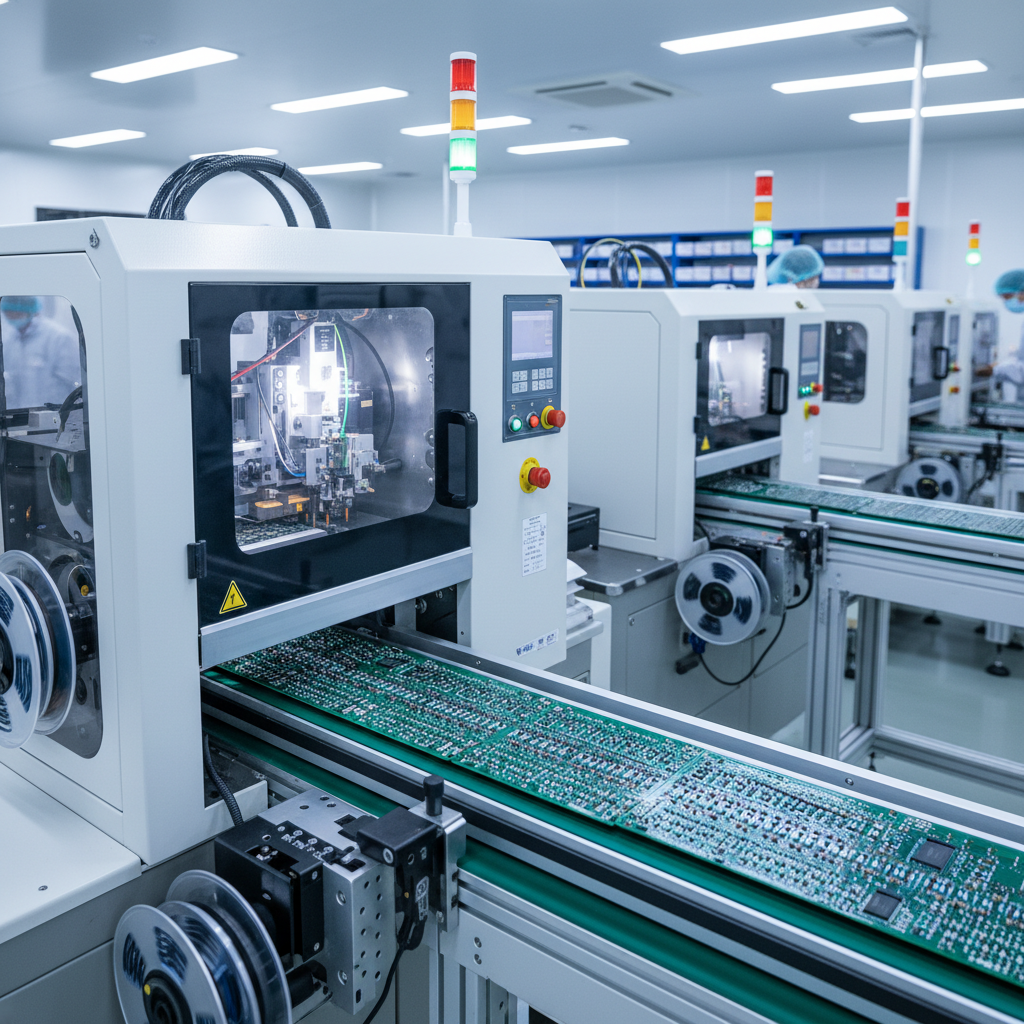
When it comes to modern electronics manufacturing, Smt Machines are kinda the backbone of how we assemble all those tiny components onto printed circuit boards, or PCBs. Honestly,Surface Mount Technology (SMT) has really revolutionized the game—making the whole process way more efficient and precise. Thanks to SMT, devices are getting smaller, more integrated, and overall just more awesome. In this article, I want to give you a solid understanding of what SMT machines are all about—why they’re so important, how they work, and the benefits they bring to manufacturers.
As everyone’s craving faster, more reliable gadgets, companies like Samsung, Panasonic, and Juki are constantly pushing their SMT machines to new levels. These machines do way more than just place components; they're packed with smart features like auto-placement, real-time inspection, and programmable settings that can scale for different production needs. Once you get a grip on how SMT machines work, you can really use this tech to boost your productivity, cut down costs, and improve overall product quality—keeping your business competitive in this lightning-fast electronics world.
In this guide, we’ll walk through the ins and outs of SMT machines, cover the basics of Surface Mount Technology, and share some best practices for setting these systems up in a manufacturing setting. Whether you’re a seasoned pro or just diving into electronics manufacturing, I think you’ll find some useful insights here to help you make the most of SMT technology for your production line.
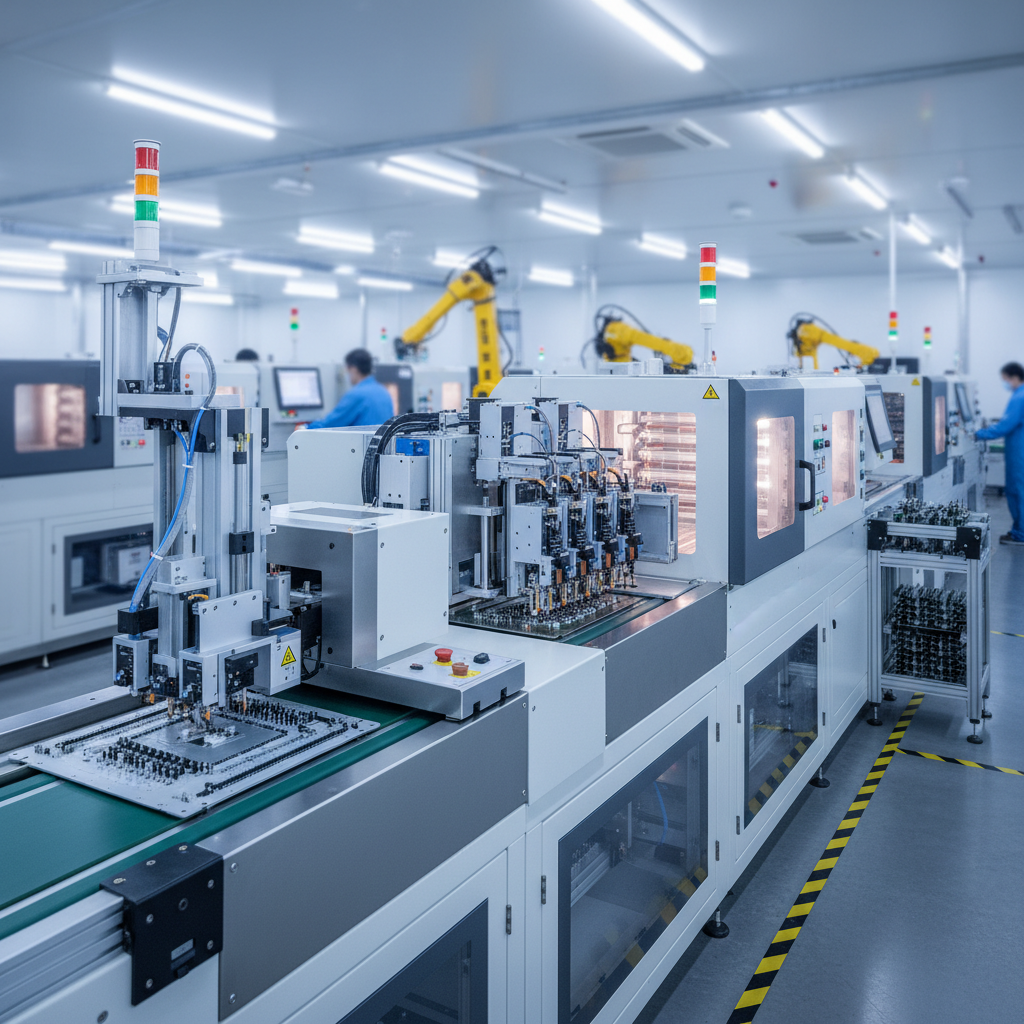
Surface Mount Technology (SMT) represents a pivotal advancement in electronics manufacturing, allowing components to be mounted directly onto the surface of printed circuit boards (PCBs). This method contrasts sharply with traditional through-hole technology, which requires leads to pass through the board. Learning and understanding the fundamentals of SMT machines is essential for students and professionals entering the electronics field, as these machines ensure precision and efficiency in the production process.
When exploring SMT, it's crucial to consider certain tips to enhance the effectiveness of your manufacturing process. Firstly, maintaining equipment regularly can prevent delays and ensure consistent output quality. Secondly, investing in training for operators can maximize the potential of advanced SMT machinery, which often incorporates sophisticated features that require specialized knowledge to operate effectively. Lastly, staying updated on industry trends and innovations will help in making informed decisions about equipment upgrades and adapting to evolving market demands.
The growth of the SMT inspection equipment market, projected to reach $120.9 million by 2032, underscores the increasing importance of these machines in the electronics sector. By understanding SMT basics and embracing continual learning, future engineers positioned in regions like Europe can greatly contribute to the advancements and success of electronics manufacturing.
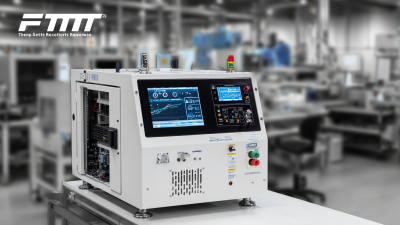
Efficient and precise PCB laser marking has transformed the electronics manufacturing landscape, and the S-Series machine stands out as a remarkable tool in this evolution. With its dual-track capability, the S-Series features a direct mounting machine with a spacious 686mm track width, allowing for optimal workflow and efficiency. The independent engraving mode enables both tracks to operate simultaneously with different machines, significantly reducing production time and increasing output. This flexibility ensures that manufacturers can meet the rigorous demands of today's fast-paced electronics market.
According to industry reports, the PCB laser marking market is projected to grow at a compound annual growth rate (CAGR) of over 6% between 2021 and 2028, driven by the increasing adoption of automation and precision in manufacturing processes. The S-Series machine’s independent transmission board, which boasts instantaneous transmission time, is crucial for maintaining the high-speed production flow required in the industry. With capabilities to handle double track PCB sizes of 450x250mm and monorail PCB sizes of 450x450mm, manufacturers can easily adapt to various project requirements without compromising on quality.
By harnessing the power of advanced laser marking technology, the S-Series machine not only boosts productivity but also enhances the precision of markings, vital for traceability in the electronics sector. As the demand for high-quality, reliable PCBs continues to rise, investing in efficient marking solutions like the S-Series will be essential for companies aiming to maintain a competitive edge in an increasingly tech-driven market.
: Surface Mount Technology (SMT) is a method of electronic assembly that allows for the efficient placement of components on printed circuit boards (PCBs). It is important for modern electronics production because it enables higher precision and speed, essential for producing smaller and lighter devices without compromising functionality.
SMT machines provide several advantages, including space savings on PCBs for more compact designs, significant reductions in labor costs and production times, and the ability to improve throughput by up to 70%, enhancing operational efficiency.
The global SMT market is projected to reach approximately $50 billion by 2025, reflecting an increasing adoption of SMT across various sectors such as consumer electronics, automotive, and telecommunications.
Current trends shaping the future of SMT include the integration of advanced technologies such as automation, AI, flexible production, and smart robotics, all aimed at improving efficiency and precision in electronic manufacturing.
Industry events such as productronica China 2026 and NEPCON China 2025 are highlighting advancements in the SMT industry, bringing together key players and experts to explore innovative solutions.
Advancements in automation and data-driven manufacturing redefine traditional SMT practices, enhancing output quality and enabling manufacturers to adapt more efficiently to shifting market demands.
SMT technology is gaining traction in several sectors, notably consumer electronics, automotive, and telecommunications, where there is a strong demand for high-performance and compact devices.
SMT technology plays a crucial role in operational efficiency by significantly reducing production times and labor costs, allowing companies to streamline their manufacturing processes and increase productivity.
Industry leaders are responding to the demand for high-quality development in SMT by focusing on innovative solutions and integrating advanced technologies to enhance manufacturing capabilities and ensure higher product quality.
The expected outcomes of the convergence of technology and SMT manufacturing include smarter and more efficient electronic production lines, unlocking new possibilities for manufacturers to meet emerging market demands effectively.
SMT machines play a crucial role in modern electronics manufacturing by enabling the efficient assembly of surface mount components. Understanding the basics of these machines involves recognizing their key components and functionalities, which include precise placement of electronic parts, automated soldering processes, and testing capabilities. Companies like Morel Equipments Co., Limited, with over 15 years of industry experience, have advanced from simple accessory providers to comprehensive solution suppliers, offering a range of products such as pick and place machines and automatic soldering robots.
The advantages of using SMT machines are numerous, including increased production speed, enhanced reliability, and compact design for electronics. Common applications span various industries, from consumer electronics to automotive. Furthermore, as technology evolves, future trends may see innovative features and solutions for current challenges in implementation and operation, ultimately streamlining SMT processes even further. The ongoing development of SMT machines is vital for staying competitive in a rapidly changing market.
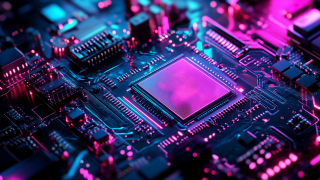
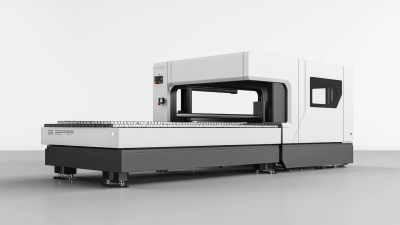
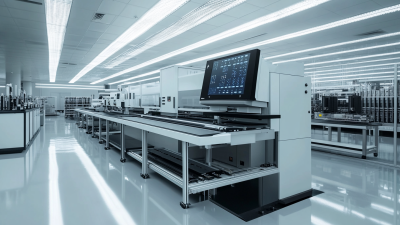
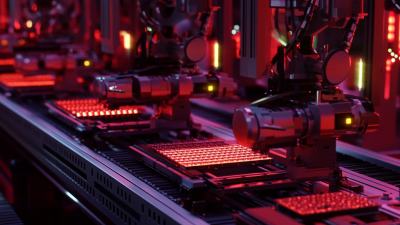


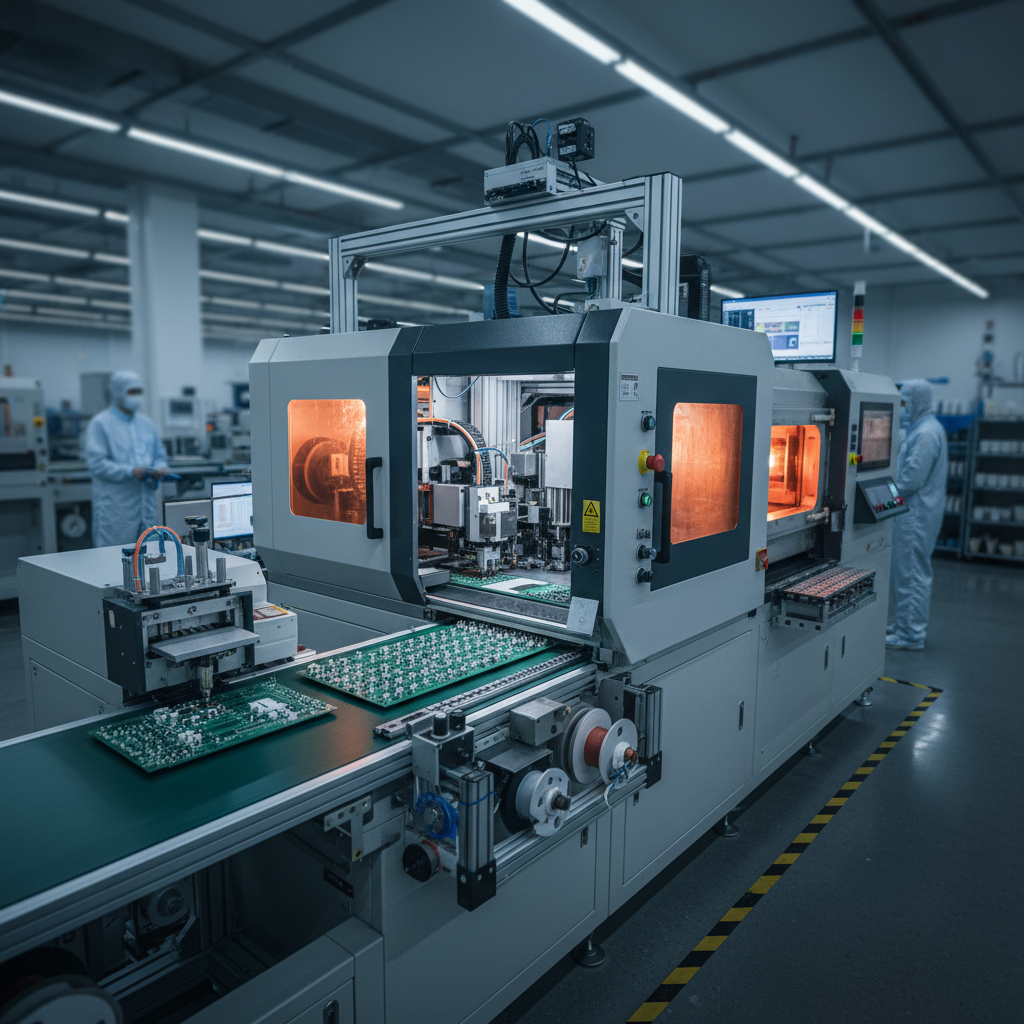 Surface Mount Technology (SMT) has transformed the landscape of electronics manufacturing by allowing for the miniaturization and increased efficiency of electronic components. Key components of SMT include surface mount devices (SMDs), printed circuit boards (PCBs), and various assembling techniques. SMDs are designed to be mounted directly onto the surface of PCBs, which reduces the overall size of electronic assemblies and facilitates more complex designs. The functionality of SMT lies in its ability to automate and streamline the assembly process, leading to faster production times and greater precision in installation.