In today's super-fast world of electronics manufacturing, picking the right SMT Pick And Place Machine is a pretty big deal if your goal is to boost productivity and stay ahead of the competition. I came across a recent report from Market Research Future that predicts the global market for automated assembly tools — including these machines — will hit over $3 billion by 2025, growing at an annual rate of about 6.2%. That’s pretty significant, and it just shows how important it is to choose equipment that not only does the job now but can also handle future growth.
Getting insights from experts really helps when making these big decisions. Dr. Martin Schneider, a well-respected guy in automated manufacturing tech, says, “Investing in a high-quality SMT pick and place machine isn’t just about how much it costs upfront — it’s about the long-term value, like precision and cutting down production times.” His words really highlight the need to understand what goes into selecting the right machine, one that’s suitable for your specific needs.
As you sift through all the options out there, it’s key to keep in mind things like versatility, speed, accuracy, and how well the machine can be integrated into your existing setup. Making a smart, informed choice here can really make a difference — boosting efficiency and improving product quality in this fast-changing industry.”
Understanding SMT Pick and Place Machines: An Overview
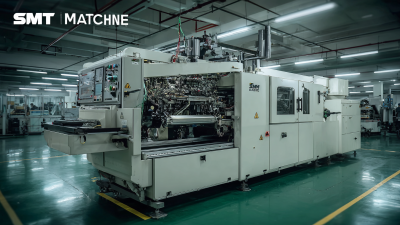
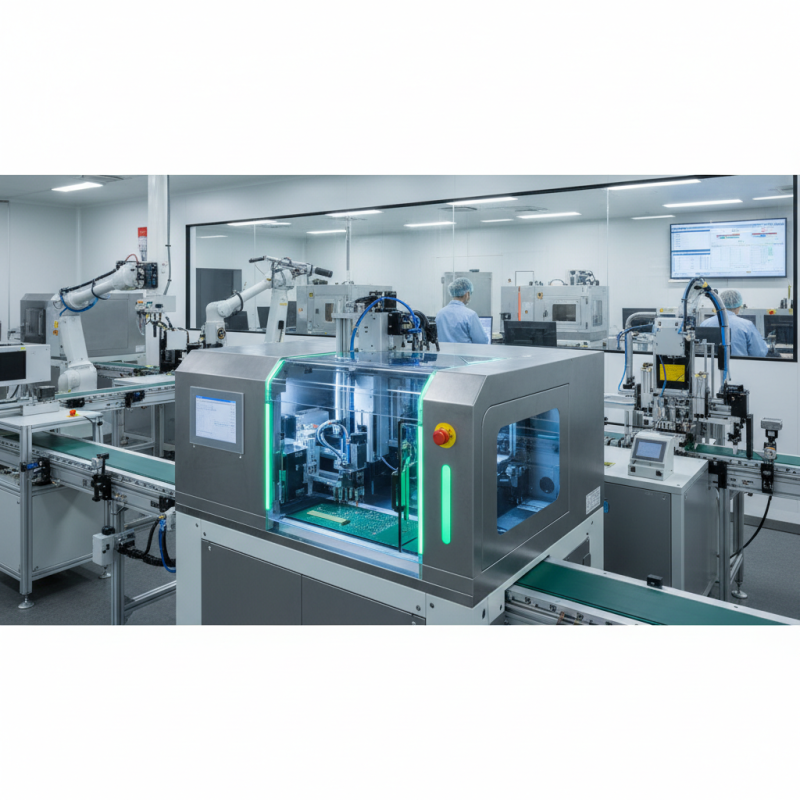
Surface Mount Technology (SMT) pick and place machines are essential tools in modern electronics manufacturing, designed to automate the placement of surface mount components onto printed circuit boards (PCBs). Understanding their functionality is crucial for businesses looking to enhance efficiency and minimize errors in production processes. These machines operate through a combination of sophisticated vision systems and robotics, enabling high-speed and precise placement of components which boosts overall productivity.
When selecting the right SMT pick and place machine, consider your specific business needs. Tips for making an informed choice include evaluating the machine's speed and accuracy, as these directly impact production rates. It's also important to think about the types of components you will use; some machines are better suited for larger, heavier components, while others excel with smaller, more intricate parts.
Another key factor to consider is the machine's flexibility and scalability. As your business grows or evolves, your manufacturing needs may change. Look for a pick and place machine that can accommodate a range of component types and sizes, as well as the ability to adapt to new technologies. Investing in a machine that offers easy upgrades or modification options can lead to long-term savings and improved adaptability in a fast-paced industry.
Key Factors in Selecting an SMT Pick and Place Machine
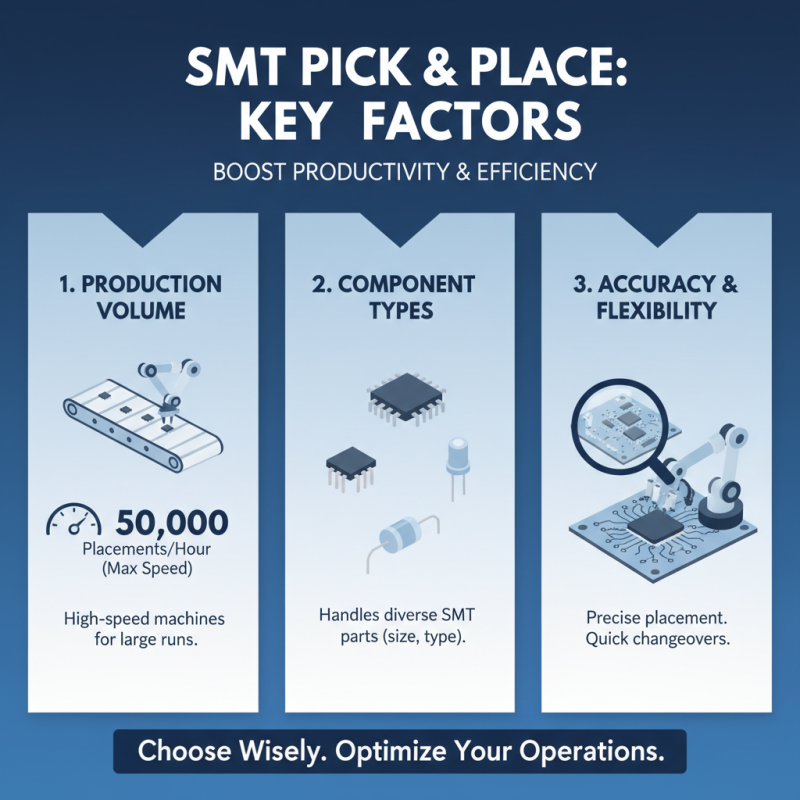
When selecting an SMT pick and place machine for your business, several key factors must be considered to ensure that it meets your operational needs and enhances productivity. Firstly, evaluation of production volume is crucial. Machines are rated based on their speed, typically measured in placements per hour. Reports indicate that high-speed machines can achieve up to 50,000 placements per hour, which can significantly reduce cycle times for high-volume production runs. Understanding your production demands will help you choose a machine with the appropriate speed and capabilities.
Another important factor is the size and type of components your business will handle. With the electronics industry continually leaning towards smaller, more intricate components, investing in a machine that can accommodate a variety of surface mount technology (SMT) component sizes is essential. A recent industry survey showed that over 60% of manufacturers prioritize flexibility when choosing their Smt Equipment. This versatility can streamline operations and reduce downtime associated with machine changeovers.
**Tips**: It’s advisable to consider machines with advanced vision systems, as they provide enhanced accuracy in component placement, minimizing errors and rework. Additionally, look for machines that offer software integration with existing systems for seamless workflow management, which can further optimize the manufacturing process. Remember to factor in the machine's maintenance requirements—reliable support and easy servicing can lead to reduced operational interruptions and longer machine life.
Assessing Your Business Needs for SMT Technology
Assessing your business needs for SMT (Surface Mount Technology) involves a careful analysis of your production requirements, budget constraints, and future growth plans. Start by evaluating the scale and complexity of your projects, including the volume of components you intend to handle and the types of electronics you plan to manufacture. Understanding whether you will predominantly work with small batch sizes or high-volume production can significantly influence the type of pick and place machine you choose. Additionally, consider the precision and speed of the machine, as these factors will directly impact your production efficiency and product quality.
Another critical aspect to assess is your factory layout and workflow. The integration of the SMT pick and place machine within your existing production line must be seamless to maximize efficiency. Identify the available space and determine how the machine will interact with other equipment. Consider whether automation will play a role in your operations, as automated systems can further streamline the manufacturing process. Lastly, think ahead about your long-term goals—selecting a machine that can adapt to evolving technology and production demands will ensure that your investment remains beneficial as your business grows.
SMT Pick and Place Machine Comparisons
This chart compares the throughput rates and placement accuracy of different SMT pick and place machines based on various business needs. Higher throughput and accuracy are essential for optimizing production efficiency.
Types of SMT Pick and Place Machines Available
When it comes to selecting an SMT (Surface Mount Technology) pick and place machine, understanding the various types available is crucial for aligning with your business needs. Generally, there are four main categories of SMT pick and place machines: manual, semi-automatic, fully automatic, and high-speed machines. Manual machines are typically suited for smaller operations or prototyping due to their lower cost and ease of setup. They allow operators to place components manually, which, while labor-intensive, provides flexibility for varied tasks.
In contrast, semi-automatic and fully automatic machines are tailored for higher production volumes. Semi-automatic machines require some operator involvement but enhance efficiency and reduce error rates compared to manual alternatives. Fully automatic machines, on the other hand, utilize advanced robotics and software systems to achieve high throughput, making them ideal for mass production environments. According to a report by Industry Research, the global SMT assembly systems market is projected to grow at a CAGR of 4.3% from 2021 to 2026, highlighting the increasing demand for these technologies.
High-speed pick and place machines represent the pinnacle of SMT efficiency, designed to handle a large array of components at rapid speeds without compromising placement accuracy. These machines often implement sophisticated vision systems and AI algorithms for real-time quality checks. As businesses strive for greater efficiency and lower production costs, this category's relevance continues to rise, reaffirmed by data suggesting that manufacturers using high-speed solutions can reduce overall assembly time by up to 30%. Understanding these distinctions is vital for any business looking to invest in SMT technology, ensuring that the chosen machine aligns seamlessly with production requirements and growth objectives.
Evaluating Key Features and Specifications
When selecting the best SMT pick and place machine for your business, evaluating key features and specifications is critical to ensuring operational efficiency and product quality. First, consider the placement speed, which is usually measured in components per hour (CPH). According to industry reports, higher-end machines can reach speeds between 20,000 to 60,000 CPH, significantly reducing cycle times and improving overall productivity. Additionally, the machine's accuracy, measured in terms of the positioning precision in millimeters, is vital for high-density PCB assemblies. Look for machines that boast placement accuracy within ±0.02 mm to meet stringent manufacturing standards.
Another crucial factor is the machine's flexibility to handle various component types and sizes. Ensuring that a pick and place machine can accommodate a wide range of parts, from microchips to larger components, enhances your production capability. A multi-function machine that can switch between different formats without extensive reconfiguration often results in considerable time savings. User-friendly software that simplifies programming and monitoring is also essential to minimize downtime and training costs.
Tips: Prioritize machines with advanced vision systems, as they enhance part verification and error checking during assembly. Additionally, consider investing in machines with modular designs for easier upgrades or maintenance, allowing your business to adapt as technological advancements occur. Having a robust after-sales support system in place can also mitigate long-term operational risks associated with equipment failure.
Budget Considerations for Purchasing SMT Equipment
When considering the purchase of a Surface Mount Technology (SMT) pick and place machine, budget is a crucial factor that can significantly influence your business decisions. It is essential to define your budget early on, as this will help narrow down your options and allow you to focus on machines that meet both your technical requirements and financial constraints. An SMT machine can represent a substantial investment, not just in the initial purchase price but also in ongoing operational costs such as maintenance, training, and consumables.
In establishing your budget, it is advisable to account for both upfront and long-term expenses. Investing in a machine that may appear more expensive initially might lead to savings in the long run, thanks to increased efficiency, reduced downtime, and lower maintenance costs. Additionally, consider the potential return on investment (ROI) that different machines might offer based on their features, speed, and accuracy.
It is also wise to anticipate future growth; selecting a system that can scale with your production needs may lead to better financial outcomes as your business expands. By carefully evaluating these factors, you can make a more informed decision that aligns with your company's financial capabilities and production goals.
Future-Proofing Your Investment: Scalability and Support Options
When selecting the right SMT pick and place machine, future-proofing your investment is crucial. One essential consideration is scalability. According to a report by Research and Markets, the global SMT equipment market is expected to grow at a CAGR of 6.4% from 2021 to 2026. As businesses expand, their production demands evolve, requiring machines that can adapt to larger volumes or more complex assembly tasks. Opting for a machine that offers modular upgrades allows companies to enhance capabilities without the need for a complete replacement, significantly extending the lifespan of the equipment.
Support options are equally vital in future-proofing your investment. Gartner's research emphasizes that businesses that invest in solid technical support experience a 30% increase in overall equipment efficiency. It is essential to choose machines from suppliers who provide comprehensive training, ongoing technical support, and readily available spare parts. This ensures minimal downtime when adjustments are necessary, allowing businesses to maintain optimal production rates.
Therefore, when selecting an SMT pick and place machine, consider both scalability and support as fundamental aspects that will protect your investment in the long run.
Innovative Solutions for Electronics: The HMH-830 PCBA Coating Machine and Its Impact on Manufacturing Efficiency
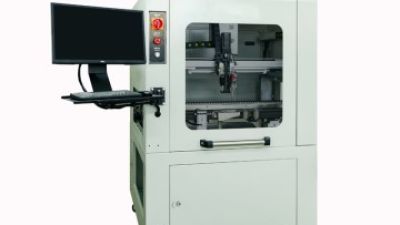
In the ever-evolving landscape of electronics manufacturing, the HMH-830 PCBA Coating Machine stands out as a game-changer. With its innovative design, this machine enhances manufacturing efficiency by employing a three-axis motion system that allows for precise and selective spraying of various circuit boards. This level of accuracy ensures that critical areas, such as connectors, remain uncoated, preventing potential damage and enhancing the overall reliability of the circuits.
The selective spraying process significantly reduces material waste and improves the effectiveness of the coating application. By targeting specific areas on the board, manufacturers can achieve better protection against environmental factors while minimizing the risk of faults in electronic devices. The advanced motion technology integrated into the HMH-830 allows for adjustments based on different board configurations, making it a versatile solution for various manufacturing environments. This adaptability not only streamlines production processes but also contributes to substantial cost savings and increased quality assurance in electronic manufacturing.
FAQS
: The primary factor is evaluating production volume, which helps determine the appropriate speed and capabilities of the machine based on placements per hour.
The machine must accommodate various sizes of surface mount technology (SMT) components, as the electronics industry trends toward smaller and more intricate components.
Flexibility allows for streamlined operations and minimizes downtime during machine changeovers, which is crucial for adapting to different production demands.
Advanced vision systems enhance accuracy in component placement, helping to minimize errors and the need for rework, which can improve overall production efficiency.
Businesses should analyze the scale, complexity, and volume of components they plan to handle, as well as the types of electronics they will manufacture, to determine their machine needs.
It is essential to evaluate the available space and how the machine will interact with existing equipment to ensure a seamless integration for maximum efficiency.
Automation can streamline the manufacturing process, so considering the role of automation in operations is vital when selecting a machine.
Selecting a machine that can adapt to changing technology and production demands ensures that the investment remains beneficial as the business grows.
Reliable support and easy servicing are crucial for reducing operational interruptions and extending the machine's life, making maintenance requirements an important factor in selection.
Conclusion
Choosing the right SMT pick and place machine is crucial for optimizing your business's manufacturing processes. Understanding the different types of SMT pick and place machines available and their key features can help you assess which model aligns with your specific needs. Evaluating your business requirements involves considering factors such as production volume, accuracy, and flexibility in handling various components.
Key considerations include budget constraints and future scalability to ensure that your investment can grow with your business. By analyzing these elements, you can make an informed decision that enhances your operational efficiency while also being adaptable to future technological advancements. Ultimately, selecting the best SMT pick and place machine is about striking a balance between performance, cost, and the capacity for future expansion.