You know, in today’s fast-moving world of electronics manufacturing, the need for precision and quality control is more critical than ever. The PCB X-Ray Machine is really key when it comes to keeping electronic assemblies up to snuff, especially as designs get more complex. A recent industry report even suggests that by 2027, the global PCB market could hit a whopping $85 billion! That growth is mainly fueled by booming sectors like consumer electronics and automotive. Speaking of industry players, MOREL EQUIPMENTS CO., LIMITED has really made a name for itself in the surface mount technology (SMT) game. After over 15 years in the field, they’ve done a fantastic job of evolving from just selling accessories to offering full-on solutions. By bringing in cutting-edge tech like PCB X-Ray Machines, MOREL is not only keeping pace with what their clients need, but they’re also doubling down on their commitment to quality that truly resonates around the globe.
Understanding PCB X-Ray Technology: Principles and Benefits
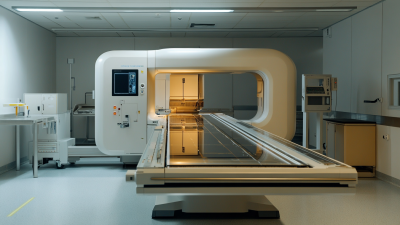
You know, PCB X-ray technology is really important when it comes to checking out those complex designs we see in printed circuit boards (PCBs) that power all sorts of electronic gadgets. These machines use high-energy X-rays, which basically dive right through the layers of the PCB. It's pretty cool because it lets us take a good look at the components and what's going on inside without actually messing anything up. This tech is a lifesaver for spotting sneaky defects—things like solder voids and bridging—that could lead to some major problems down the line.
But that’s not all; the perks of using PCB X-ray machines go way beyond just inspecting. They’re fantastic for quality control since they provide clear images that help engineers fine-tune manufacturing processes and boost product reliability. Plus, with real-time analysis, troubleshooting becomes a lot faster, which is a huge win for keeping production running smoothly. As manufacturers are always aiming for better precision and efficiency, using X-ray technology for PCB inspections is becoming more and more essential. It really helps ensure that electronic components stay up to standard in this fast-paced tech world we live in.
Key Features of Top PCB X-Ray Machines for Enhanced Performance
When you're looking into what makes the best PCB X-ray machines stand out, one of the first things to consider is how well they boost performance. High-resolution imaging, for instance, is super important. I recently came across a report from TechNavio, and it said that the PCB inspection market is on track to grow by more than 8% each year. That's mainly because there's a rising demand for precision in electronic assembly processes, which we all know is critical. The top-notch X-ray machines can deliver resolutions as fine as 1 micron, allowing manufacturers to spot even the tiniest defects in solder joints and connections. This level of detail is crucial for making sure that products are reliable and up to standard.
But that’s not all—automation is another key feature to keep an eye on. A lot of leading models come packed with smart software that helps with real-time analysis and reporting of any defects that pop up. I found a study by Market Research Future that points out the integration of AI and machine learning in X-ray inspection systems could boost defect detection rates by up to 30%. How cool is that? This not only speeds up the whole inspection process but also cuts down the total cost of ownership by reducing rework and scrap rates. In the end, this all helps create a more efficient manufacturing environment, which is what we all want!
Applications of PCB X-Ray Machines in Quality Control and Defect Detection
You know, using PCB X-ray machines in quality control is super important if we want our electronic devices to work reliably. These high-tech imaging systems allow manufacturers to peek inside printed circuit boards (PCBs) without causing any damage. By checking the condition of solder joints, vias, and those sneaky hidden components, these machines are great at spotting potential defects that might lead to product failures down the line. This non-destructive testing is especially crucial in areas like aerospace, automotive, and medical devices, where the risks are higher and quality standards are no joke.
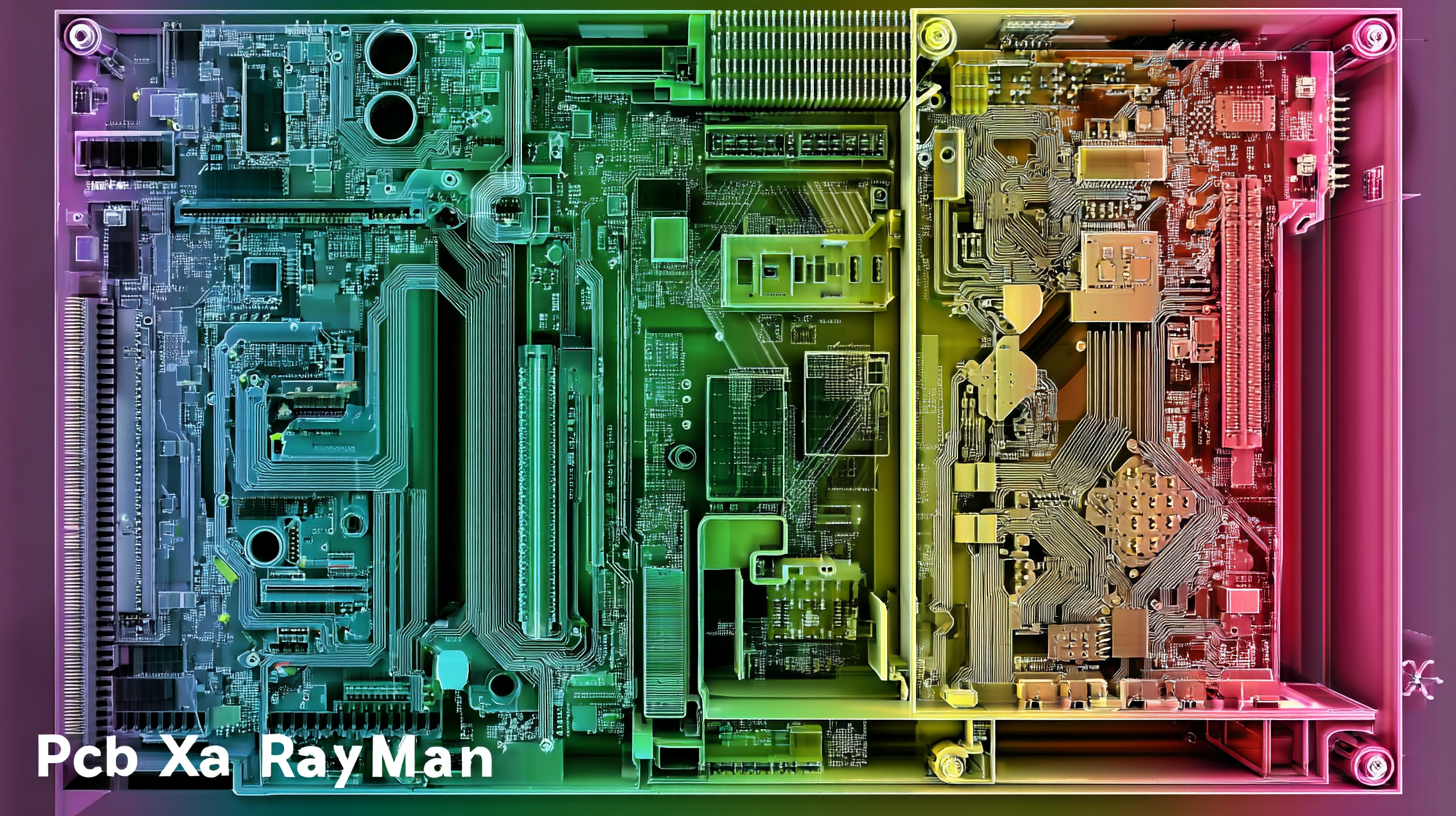
And it doesn’t stop there! Using PCB X-ray machines to detect defects really helps improve manufacturing processes over time. They give us some pretty detailed info about common issues, like voids, misalignment, and cases of not enough solder. This means engineers can catch and fix problems early in the production cycle. By staying proactive, we not only boost product quality but also cut down on those expensive reworks and recalls. With the electronics industry always changing and pushing forward, bringing in the latest PCB X-ray technology is becoming more and more essential to keep that competitive edge and deliver top-notch quality.
Evaluating Cost-Effectiveness: Investing in the Right PCB X-Ray Solution
Hey there! So, if you’re thinking about investing in PCB X-ray machines, it’s super important to really nail down the cost-effectiveness part. You want to make sure you’re picking a solution that fits your specific needs and doesn’t break the bank. According to a report by ResearchAndMarkets, the global market for PCB X-ray inspection is expected to hit a whopping $543 million by 2026, with a compound annual growth rate of around 6.8%. I mean, that’s definitely a sign that people are starting to recognize just how crucial high-quality X-ray inspection is for keeping PCB production on point. Making a smart investment here can really boost your ability to detect defects while also slashing costs related to manufacturing errors.
Now, when you’re trying to optimize your choice, think about doing a solid analysis of both your current and future inspection needs. It’s key to know what kinds of defects pop up most often in your production process, since zeroing in on the right solutions can save you a bundle. Plus, investing in machines that have advanced imaging tech and automation could really benefit you in the long run by ramping up productivity and cutting down on those manual inspection costs.
And don’t forget to look at the total cost of ownership (TCO) over the lifespan of the machine! You’ll want to keep in mind maintenance costs, potential downtimes, and even the possibility of tech upgrades when making your decision. Choosing a machine that’s built to last and comes with solid support can lead to some serious money-saving benefits. As the IPC recently pointed out, an efficient inspection process can slash defect rates by as much as 50%! Pretty impressive, right?
Comparison of Global Brands: Why Chinese Manufacturing Leads the Market
You know, with the rapid progression of our electronic world, high-quality PCB X-ray machines are really starting to take center stage, especially for manufacturers who are looking to boost their production efficiency and ensure their products are reliable. One big reason for this shift is how dominant China has become in the global manufacturing scene. Can you believe that in 2022, over half—yup, more than 50%—of all PCB manufacturing output came from China? That just shows how crucial they are in keeping up with the skyrocketing demand for electronic components.
Manufacturers in China, like Shanghai JiaoXing and Shenzhen Jishan, are pretty well-known for their cutting-edge PCB X-ray tech. They offer imaging capabilities and automation features that are just top-notch. According to a report from IPC—the organization that connects folks in the electronics industry—the use of X-ray inspection in PCB manufacturing has grown steadily, about 20% each year for the past five years. This growth is mainly fueled by the need for quality assurance in modern electronic devices. These machines are essential for spotting hidden defects and making sure components are up to par, which really helps China maintain its leading position in the market by providing quality products at competitive prices.
On top of that, Chinese companies are still pouring a ton of money into research and development. Because of that, they’ve been rolling out innovations that really enhance how PCB X-ray machines function and perform. The latest models can handle multi-dimensional imaging and real-time defect analysis, which is setting some serious new standards in the industry. Looking ahead, experts are predicting that the global market for PCB X-ray machines will grow at a rate of 8.5% per year through 2027. So, it seems like we’re going to continue leaning heavily on Chinese manufacturing to meet the ever-growing global demand for these crucial tech tools.
Future Trends: Innovations in PCB X-Ray Technology and Their Impact
You know, the way PCB X-ray technology is evolving so quickly is seriously about to shake up the electronics manufacturing world. I came across a report from Market Research Future saying that by 2026, the global PCB inspection market could hit a whopping $3.6 billion—thanks in great part to X-ray inspection. We’ve seen some cool new stuff lately, like high-resolution imaging and smarter software that lets us catch defects in real time, making inspections way more accurate. As more and more companies jump on the automation bandwagon, the demand for smart PCB X-ray machines is really ramping up—it's all about boosting productivity and keeping quality in check during manufacturing.
If you're thinking about getting a PCB X-ray machine, it’s super important to consider what your production line really needs. Here’s a pro tip: go for systems that have user-friendly interfaces and customizable settings. Trust me, it makes it so much easier for operators to adjust the gear for all sorts of inspection situations. And don’t forget to check out models using AI algorithms—they not only speed up spotting defects but also help avoid those annoying human errors.
Oh, and let’s not ignore how everything’s getting smaller. As the industry moves towards miniaturizing components, we really need advanced X-ray systems that can scrutinize the tiniest details. Companies should think about investing in top-notch tech that meets today’s demands while being flexible enough to keep up with future breakthroughs. This way, they can be sure they're set for the evolving PCB manufacturing landscape.
Revolutionize Your Production Line Efficiency with the Automatic PCB Magazine Loader LD-M-BN
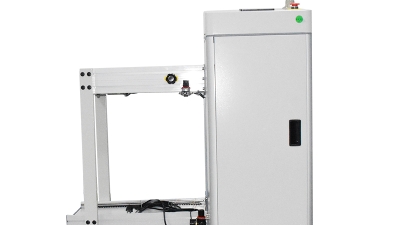
In the fast-paced world of electronics manufacturing, enhancing production line efficiency is essential for staying competitive. The Automatic Pcb Magazine Loader LD-M-BN epitomizes this evolution with its innovative design and user-centric features. It boasts a firm structure that ensures durability, complemented by a user-friendly 'soft touch' LED membrane control panel or touch screen for seamless operation. According to a 2022 industry report by ResearchAndMarkets, manufacturers that integrate automated solutions into their production lines have seen efficiency gains of up to 30%, significantly reducing downtime and increasing output.
The LD-M-BN further excels with its dual clamps that secure the magazine rack, preventing operational disruptions caused by movement or misalignment. Its capability for empty PCB detection not only minimizes wastage but also streamlines workflow by ensuring that only active magazines are in use. Additionally, the loader’s automatic fault diagnosing feature allows quick identification and resolution of issues, thus keeping the production line running smoothly. A recent study published by IPC indicated that implementing automated systems like the LD-M-BN can lead to a decrease in errors by up to 40%, which is critical in minimizing production costs.
Moreover, the wear-resistant cable in the LD-M-BN guarantees a long service life, producing reliability in high-demand environments. As the electronics sector continues to grow—with an expected market size reaching $1.5 trillion by 2025—the necessity for automated solutions that can enhance production line efficiency, such as the Automatic PCB Magazine Loader, has never been more apparent.
FAQS
: The primary purpose of PCB X-ray technology is to provide non-destructive evaluation of printed circuit boards (PCBs) by using high-energy X-rays to inspect for hidden defects and internal structures.
PCB X-ray technology benefits quality control by providing detailed imagery that helps engineers improve manufacturing processes and enhance product reliability, as well as allowing for quicker troubleshooting to reduce downtime.
Key features include high-resolution imaging (with resolutions as fine as 1 micron), automation capabilities, real-time analysis, and advanced software integration to streamline the inspection process.
The PCB inspection market is projected to grow by over 8% annually, driven by the increasing need for precision in electronic assembly processes.
Innovations include high-resolution imaging, advanced software integration for real-time defect detection, and greater automation, which will enhance productivity and quality assurance in manufacturing.
User-friendly interfaces allow operators to quickly adapt the equipment to various inspection scenarios, which enhances efficiency and reduces training time.
The integration of AI and machine learning is projected to enhance defect detection rates by up to 30%, streamlining inspection processes and reducing total costs associated with rework and scrap.
Companies should invest in sophisticated X-ray systems capable of inspecting finer details to meet the demands of component miniaturization and ensure reliability in operations.
Real-time analysis allows for immediate identification of defects, facilitating faster decision-making and reducing production delays.
The global PCB inspection market is expected to reach $3.6 billion by 2026, with X-ray inspection playing a crucial role in the industry's evolution.