inquiry
Leave Your Message
0%

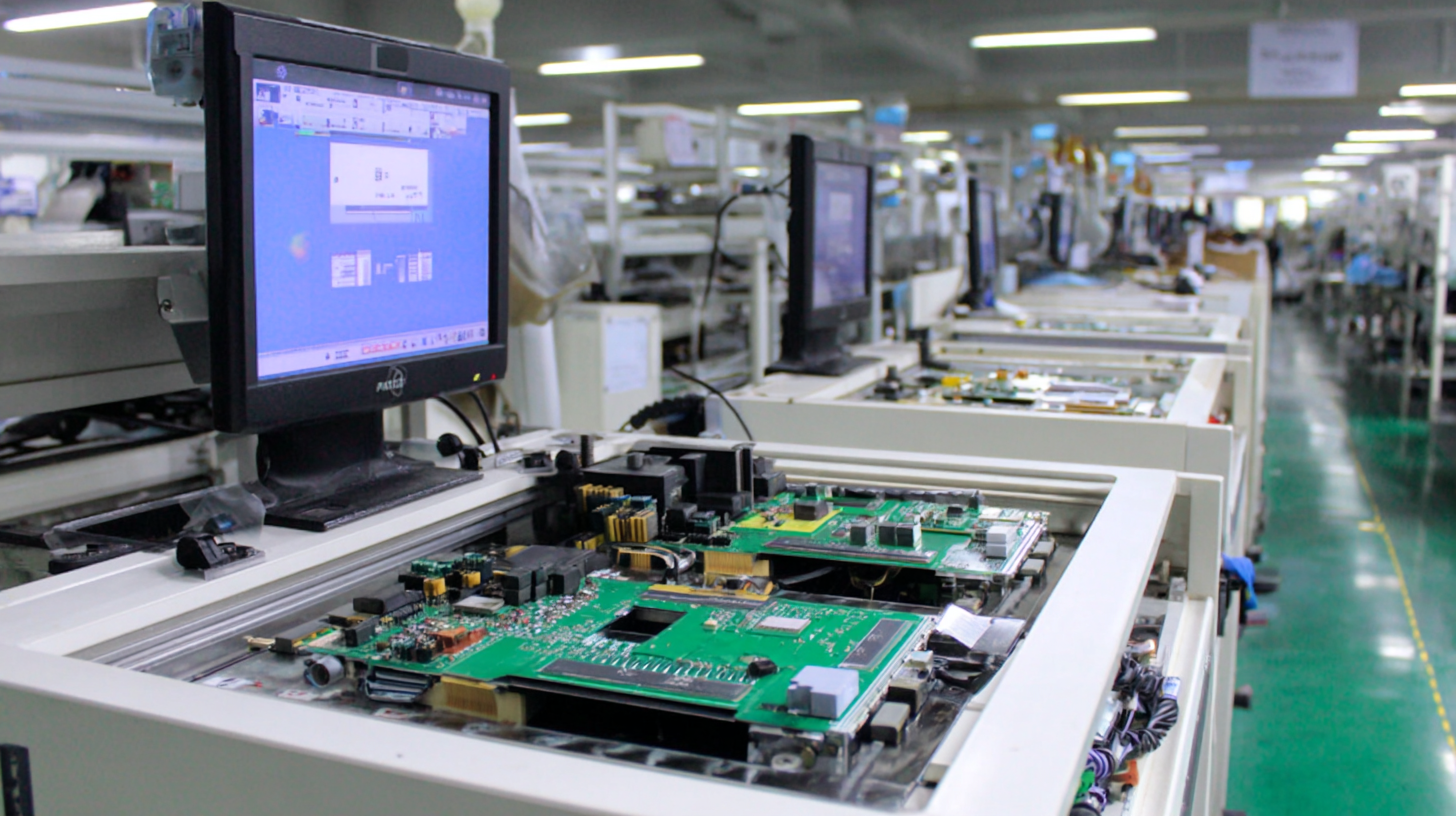
In today’s fast-moving world of manufacturing, getting things done efficiently is more important than ever. One of the key players making this happen is Wave Soldering Equipment. Industry folks keep saying that the global market for this tech is about to see big growth — mainly because more companies are looking for automated solutions to speed up electronic assembly.
Unlocking Efficiency: The Advantages of Wave Soldering Equipment for Global Manufacturers

At MOREL EQUIPMENTS CO., LIMITED., we’ve been around for over 15 years in the surface mount technology (SMT) scene. We started out just providing accessories, but now, we’ve really stepped up as a full-on solution provider. Our lineup includes cutting-edge pick-and-place machines and automatic soldering robots, which put us right at the forefront of this industry boom.

Wave soldering remains a crucial part of getting solid, high-quality solder joints on PCBs, while also helping cut labor costs and boost production speed. As companies all over the globe scramble to optimize their operations, understanding what makes wave soldering equipment so beneficial has never been more important — it’s a game changer, really.

The Evolution of Wave Soldering: A Brief History

Wave soldering actually has a pretty interesting history that goes all the way back to the early days of electronics manufacturing. Originally, it was developed to improve how reliably and efficiently through-hole components got soldered—kind of a game-changer back then. But, as tech has raced ahead, wave soldering has evolved into a crucial part of manufacturing worldwide. These days, it’s become more automated and precise, really fitting the complex needs of modern circuit boards.

If you're a manufacturer looking to streamline your production line, investing in some of the latest wave soldering equipment can really make a difference. A few tips? Make sure you’re controlling the temperature carefully—nothing kills quality like improper heat. Regular maintenance of your soldering machines is also super important to keep everything running smoothly. And don’t overlook the quality of your solder materials; going for high-quality stuff can make your final product way more reliable.

At Morel Equipments Co., Limited, we’re proud to be a one-stop shop with loads of experience in surface mount tech. We’re here to help companies ease into this wave soldering shift—offering cutting-edge automatic soldering robots and other key gear to get you up to speed. Our goal is to help you boost efficiency and output without sacrificing quality—it's all about making the process smoother and better for everyone involved.

Unlocking Efficiency: The Advantages of Wave Soldering Equipment

Top Benefits of Wave Soldering for Manufacturing Efficiency

Wave soldering is a pretty essential step in the world of electronics manufacturing, especially for big companies aiming to boost their efficiency. One of the biggest perks? It delivers consistent, high-quality solder joints across a bunch of different components. Unlike doing everything by hand—which can get messy and lead to mistakes—wave soldering uses a controlled wave of melted solder, making sure each joint is uniform and reliable. That means better overall product quality and fewer rework jobs or scraps, saving time and money.

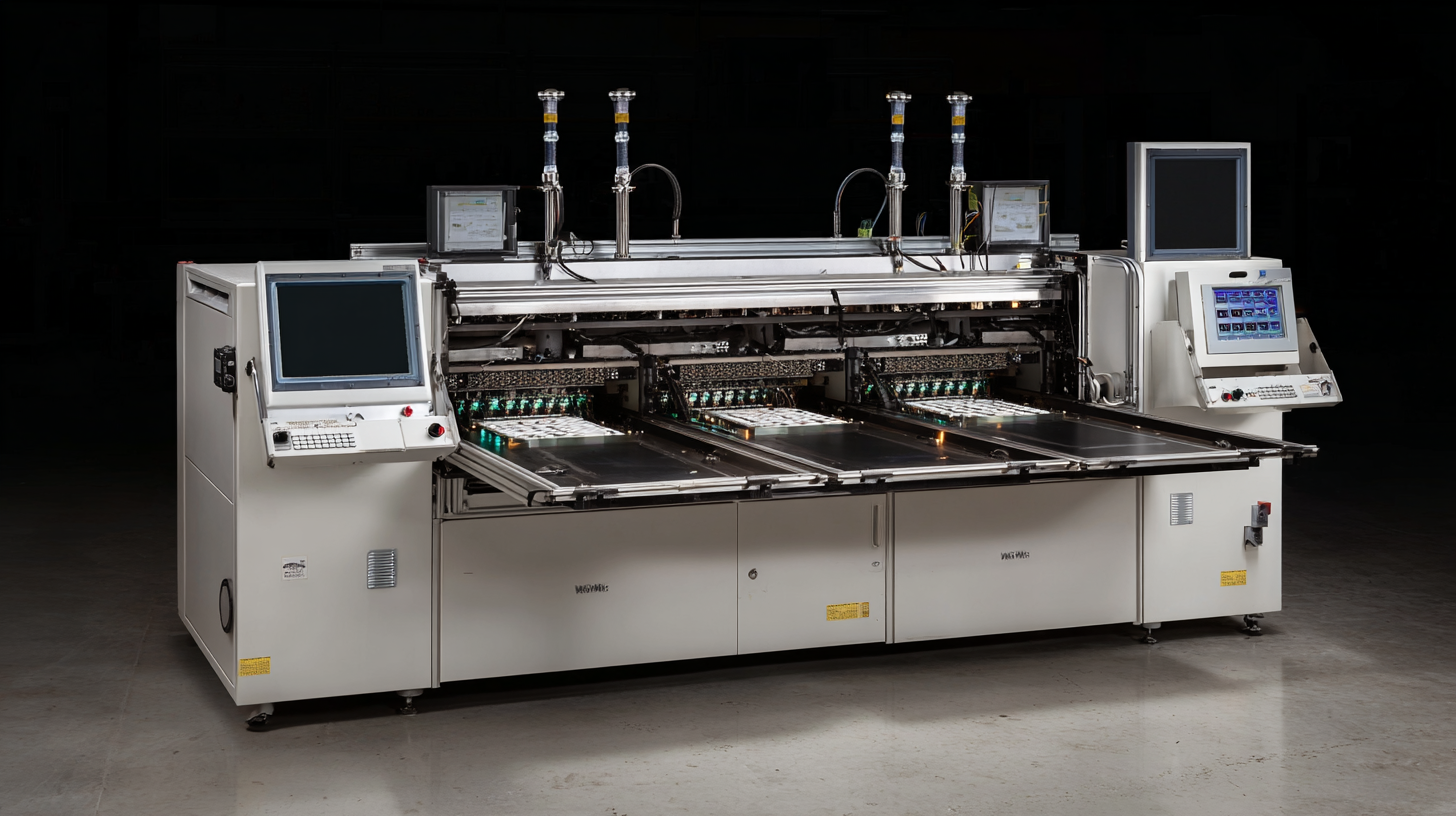
And honestly, one of the coolest things about wave soldering is how fast and efficientit is. It can solder multiple parts at the same time, which speeds up production like crazy compared to manually soldering each piece. This quick turnaround helps manufacturers keep up with growing market demands without sacrificing quality. Plus, integrating Wave Soldering Machines into existing setups is pretty straightforward, so companies can hit the ground running and see immediate improvements. Basically, switching to wave soldering can really helpstreamline operations, increase output, and give a competitive edge in today’s fast-changing industry.

Key Features of Modern Wave Soldering Equipment

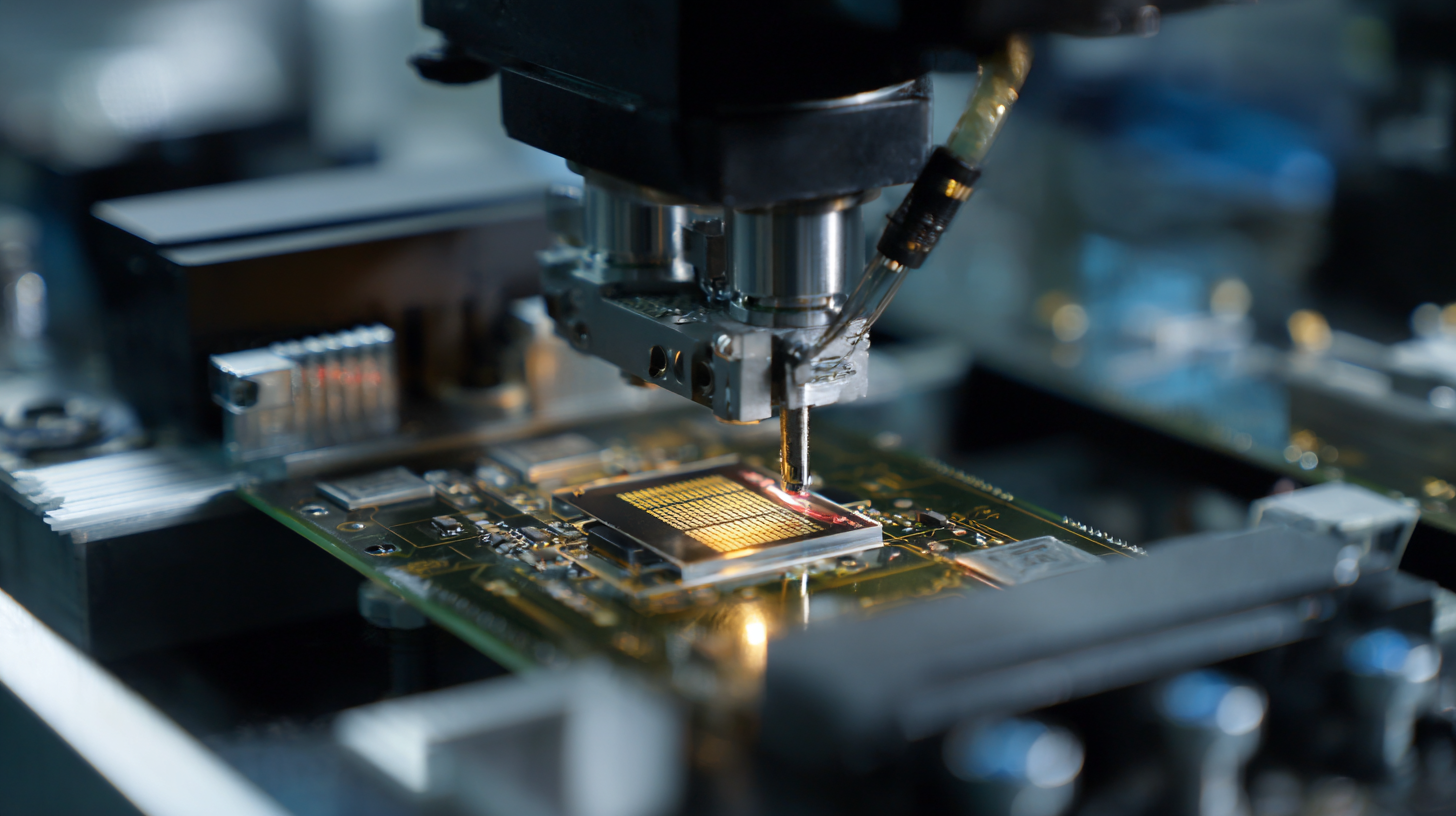
Modern wave soldering equipment comes with some pretty cool features that really boost manufacturing efficiency for companies around the world. One of the biggest perks is the precise temperature control — it keeps the soldering temps steady throughout the process. That’s a game-changer because it helps avoid damaging those tiny, delicate parts while also making sure the solder joints are solid and reliable. Plus, being able to tweak temperature profiles means manufacturers can fine-tune settings based on the specific solder materials or circuit board designs they’re working with. It’s all about getting better performance and cutting down on waste.


Another thing I gotta mention is how modern wave soldering systems are becoming more automated. Thanks to robotics and programmable logic controllers (PLCs), the whole process gets faster and much more accurate. Automating this stuff not only speeds things up but also reduces the chances of human error, which is a big deal. And a lot of these systems now come with real-time monitoring and diagnostic tools, so manufacturers can keep an eye on performance and catch any issues early before they turn into problems. Overall, it’s all about working smarter — improving efficiency and making sure the quality stays top-notch from start to finish.

Cost-Effectiveness: How Wave Soldering Reduces Production Expenses

Wave soldering has really become a game-changer for manufacturers around the world who are trying to cut costs and streamline their production. Basically, it allows them to solder multiple components all at once, which means they can save a ton on labor and get products out the door faster. I've read that companies using wave soldering can slash their costs by up to 30% compared to the old-school methods — that's pretty impressive! This kind of efficiency is super important these days, as everyone’s fighting to stay ahead in this rapidly changing market.

And with the surge in demand for both cars and electronics, adopting advanced wave soldering techniques can make a real difference. Take that recent example of a dual-sided neural probe — they managed to bring down the manufacturing cost to about $3.50 per unit. That just goes to show how smart manufacturing strategies can really pay off in lowering unit costs. Plus, adding wave soldering into the production line doesn’t just speed things up; it also boosts the quality of the final product. Fewer defects, less rework — it’s a win all around. All these points make it clear: wave soldering is pretty much essential if companies want to be more productive and save money in the long run.

Unlocking Efficiency: The Advantages of Wave Soldering Equipment for Global Manufacturers

Enhancing Quality Control with Advanced Wave Soldering Techniques

In the fast-moving world of manufacturing these days, keeping a really high standard of quality control is more important than ever for companies around the globe. You know, advanced wave soldering techniques have come a long way — they’re not just about rushing through the process anymore. They actually help boost efficiency too, while really ramping up the quality of electronic assemblies. When manufacturers use precise flux application and carefully controlled solder wave profiles, they can get consistently good solder joints. That means fewer defects and, overall, happier customers with more reliable products.

On top of that, many setups now include real-time monitoring systems. This is a game-changer — it gives immediate feedback during soldering, so you can tweak things right then and there. Instead of waiting to find out there’s a problem later, manufacturers can fix issues on the fly. The result? A more uniform batch, which leads to better performance and, ultimately, more satisfied clients. Honestly, investing in top-of-the-line wave soldering tech can really boost a company's quality game and help them stay on top of their operations for the long haul.

Future Trends in Wave Soldering Technology for Global Markets

Wave soldering technology is constantly evolving, bringing some pretty cool advantages to manufacturers around the world who are looking to boost efficiency and production effectiveness. There's been a noticeable shift towards both lead and lead-free solder materials, driven by a growing push for sustainability and compliance with environmental rules. Recent reports are indicating that the market for lead-free solder is set to grow quite a bit, mainly because it's being adopted more and more in electronics manufacturing. This change means manufacturers need to invest in advanced wave soldering equipment that can handle different kinds of solder, like bars, wire, paste, and flux.

As things move forward, it’s really important for companies to stay ahead by embracing new innovations in wave soldering. Techniques like robotic soldering and screen printing are becoming more popular because they help streamline operations and improve precision. What's pretty exciting is that, by adopting these new techs, manufacturers can potentially cut their production costs by up to 30%. Not too shabby when you’re competing in such a crowded global market!

Quick tip: When you’re shopping for wave soldering equipment, make sure it’s compatible with both lead and lead-free materials—this way, you’ll be ready for anything. Also, think about the scalability of the machines to match your future production needs, so your operations stay flexible and efficient without needing a whole new setup down the line.

Unlocking Efficiency: The Advantages of Wave Soldering Equipment for Global Manufacturers

Enhancing Cooking Efficiency: Insights from Industry Reports on the Dual Lane Wave Oven XMS-350's Impact on Food Service Productivity

The culinary landscape is constantly evolving, and the need for efficiency in food service productivity has never been more crucial. According to recent industry reports, the introduction of advanced cooking technologies like the Dual Lane Wave Oven XMS-350 has made significant strides in optimizing cooking processes. This innovative oven not only enhances cooking speed but also improves the consistency of food quality, which is paramount in busy commercial kitchens. With the capacity to cook multiple dishes simultaneously, the XMS-350 leverages wave technology to reduce cook times significantly, ensuring that high-demand food items are served without sacrificing quality.

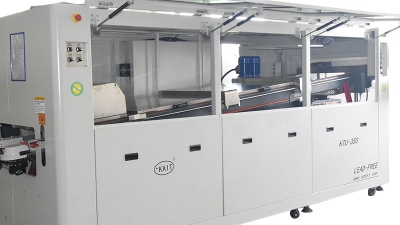
In addition to its cooking prowess, the XMS-350 stands out due to its remarkable energy-saving capabilities. Reports indicate that similar equipment typically consumes substantially more energy, while the XMS-350 operates at just 90% of the power consumption of comparable models. This translates to a 10% reduction in energy costs, providing a sustainable option for restaurants looking to cut operational expenses. Furthermore, the machine’s compact design not only results in lower power usage but also requires significantly less floor space. Compared to traditional wave soldering machines that necessitate roughly 186.9 square meters, the Dual Lane Wave Oven occupies only 65.45 square meters, freeing up over 121 square meters of valuable kitchen space.

As kitchens strive to meet the demands of modern consumers, investing in cutting-edge technology like the Dual Lane Wave Oven XMS-350 can dramatically enhance productivity. By capitalizing on both time and space efficiency, food service operators can focus on delivering exceptional dining experiences while managing costs effectively. Industry reports underscore the importance of such innovations, highlighting their role in transforming kitchen operations for the better.

FAQS

: What is wave soldering, and why is it important in manufacturing?

: Wave soldering is a process used in electronics manufacturing that involves a controlled wave of molten solder to create reliable and high-quality solder joints. It is important because it enhances operational efficiency and product quality while minimizing defects compared to manual soldering methods.

How does wave soldering improve manufacturing speed?

Wave soldering allows for the simultaneous soldering of multiple components, which significantly reduces manufacturing time compared to traditional hand soldering. This rapid production capability helps manufacturers meet market demands more efficiently.

What are the key features of modern wave soldering equipment?

Modern wave soldering equipment has features like precision temperature control, advanced automation capabilities, and real-time monitoring tools. These features enhance production efficiency, minimize the risk of component damage, and improve quality control.

How does precision temperature control benefit wave soldering?

Precision temperature control ensures that soldering temperatures remain consistent, minimizing the risk of damage to delicate components and maximizing solder joint quality. It also allows manufacturers to optimize settings for different solder materials and circuit designs.

In what ways does wave soldering reduce production costs?

Wave soldering reduces labor costs and increases production speed by enabling the simultaneous soldering of multiple components. This technology can lead to cost reductions of up to 30% compared to traditional soldering methods.

How does automation in wave soldering enhance production?

Automation through robotics and programmable logic controllers improves the speed and accuracy of the soldering process, reduces human error, and ensures correct soldering of components, ultimately boosting overall manufacturing efficiency.

What role does wave soldering play in quality control?

Wave soldering contributes to better quality control by minimizing defects and reducing the need for rework. Real-time monitoring and diagnostic tools in modern systems allow manufacturers to track performance and address potential issues proactively.

Why is wave soldering advantageous in an evolving market?

Wave soldering positions manufacturers competitively by streamlining operations, improving throughput, and enhancing product quality, which is crucial to meet the rising demands in sectors such as automotive and electronics.

Can wave soldering be integrated into existing manufacturing workflows?

Yes, wave soldering equipment can be easily integrated into existing manufacturing lines, facilitating a seamless transition and immediate productivity improvements.

What is a recent example of cost savings achieved through wave soldering?

A dual-sided neural probe was fabricated with a cost of approximately $3.50 per unit using wave soldering techniques, illustrating how advanced manufacturing processes can lower production costs.
Liam

Liam

Liam is a dedicated marketing professional at Shenzhen Moeller Electromechanical Equipment Co., Ltd., where he leverages his extensive knowledge of the company’s products to drive engagement and increase brand visibility. With a strong focus on innovation and customer satisfaction, Liam plays a......
Previous Mastering Smt Oven Reflow: A Comprehensive Guide for Global Buyers