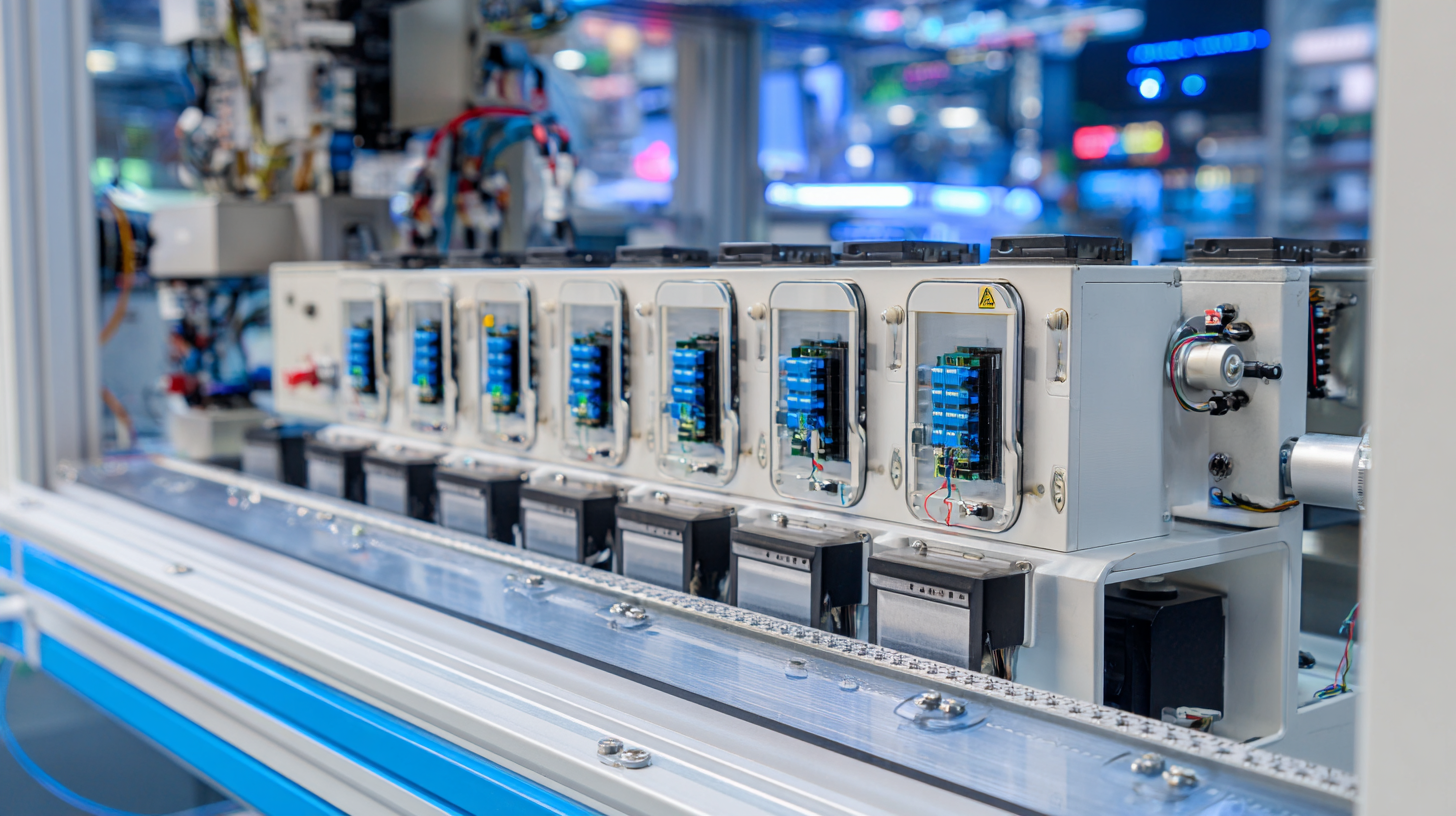
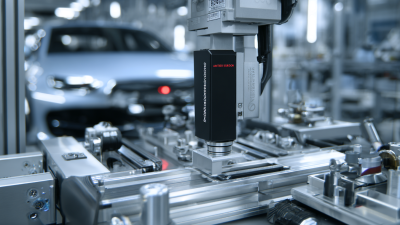
In today’s fast-changing world of industry, Automated Test Equipment (or ATE for short) has become more important than ever. Take Morel Equipments Co., Limited., for example — they’ve been around for over 15 years, really deep into the surface mount technology (SMT) scene. What started out as just selling accessories has grown into a full-on solutions provider, offering everything from pick-and-place machines to automatic soldering robots and even testing systems like ICT and FCT. They’re really pushing the envelope when it comes to innovation. As industries look for ways to work smarter and faster, bringing in ATE really helps boost productivity and cut down on time it takes to get products to market. In this blog, I want to explore some of the coolest ways companies like Morel Equipment are using automation to shape what manufacturing and tech look like across different sectors.
Innovative Applications of Automated Test Equipment in Electronics Manufacturing
The electronics manufacturing world is really going through a big shake-up lately, especially with more and more companies adopting Automated Test Equipment (ATE). It's not just about speeding up things—though that’s definitely a plus—but also about making testing more precise and reliable. And let’s be honest, nothing’s more important than ensuring products are top quality and dependable. The ATE market? It's on track to grow a lot, driven mostly by demand for stuff like integrated circuits, hard drives, and printed circuit boards. These tech upgrades in testing are super important across many sectors—think automotive, telecom, and healthcare—where they make a real difference.
And it’s not just ATE; vibration testing equipment is also seeing some serious growth. Recent market analyses show that the global market for vibration tests varies by load capacity, with categories below 5 kN, ranging from 5 to 50 kN, and above 50 kN. These are used in all kinds of fields—air and space, defense, and even consumer electronics. Meanwhile, the peel strength tester market is also looking up—projected to jump from about $50 million in 2022 to around $90 million by 2030. If you do the math, that’s a compound annual growth rate of roughly 7.2% between 2024 and 2030. All these numbers really highlight how strong the potential is for testing equipment, and honestly, it looks like the entire electronics manufacturing scene is set to keep evolving and growing well into the future.
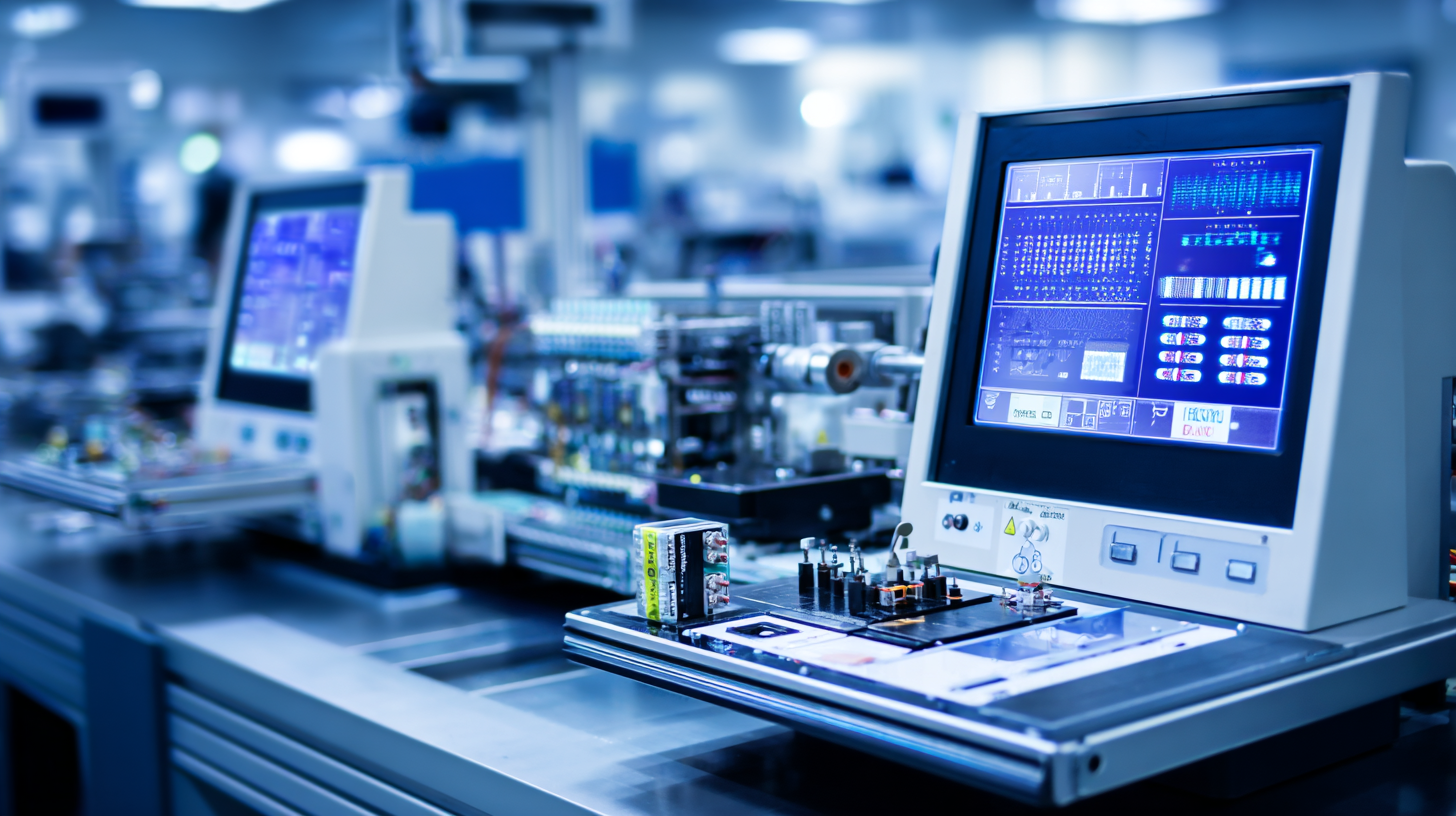
Enhancing Quality Assurance Through Automation in Aerospace Industries
In the aerospace world, using automated test equipment (ATE) is really changing the game when it comes to assuring quality. It’s making things way more efficient and trustworthy. Did you know that the non-destructive testing and inspection market is expected to hit around $664 million by 2025 and could grow to over $1.2 billion by 2033? That’s a huge jump, and automation is a big part of that trajectory. Companies like TUSAS Malaysia are out there pushing the envelope — developing autonomous drones and jet trainers, while also making sure everything keeps up with industry standards through solid automated testing systems.
And it’s not just them. Other tech companies specializing in industrial inspection are also making waves. For instance, new high-energy computed tomography scanners are offering insanely precise quality checks, making sure every single part meets all those tough aerospace specs. Plus, the integration of IoT, big data, and smart manufacturing is really changing how industries do quality assurance. Now, data is collected and analyzed in real time, which is a game-changer. As the industry keeps evolving, embracing automation doesn’t just make testing faster — it boosts overall safety and performance too. That’s a win for manufacturers and consumers alike, I’d say.
Leveraging Automated Test Equipment for Improved Pharmaceutical Compliance
You know, the pharmaceutical industry has really been jumping on board with using automated test equipment (or ATE for short) to better meet those super strict regulatory standards. I saw in a recent industry report that about 80% of pharma companies now say that automating their testing not only cuts down on human error but also helps improve the quality of their products and speeds things up to get products out the door faster. It’s pretty clear that bringing ATE into the mix helps streamline validation processes and makes sure everything ticks the boxes set by big regulatory authorities like the FDA.
At Morel Equipments Co., Limited, we’re proud to bring a solid background in surface mount technology (or SMT) to the table, offering top-notch ATE solutions specifically for the pharma world. We’ve got some pretty advanced automatic testers for In-Circuit Testing (ICT) and Functional Testing (FCT), which are basically essential for checking that everything works perfectly and is safe. A report from Boston Consulting Group mentioned that companies using automated testing in their production lines have seen up to 30% savings in compliance costs. That’s a pretty big deal—not just about meeting regulations but also saving money. And as we grow as a go-to one-stop shop, Morel is really dedicated to providing reliable automation tools to help the pharma industry stay compliant and get more done in less time.
Innovative Applications of Automated Test Equipment in Modern Industries - Leveraging Automated Test Equipment for Improved Pharmaceutical Compliance
| Application Area | Automated Test Equipment Type | Benefits | Impact on Compliance | Implementation Challenges |
| Quality Control | Automated Spectrophotometers | Increased accuracy in measurements | Ensures consistent product quality standards | High initial cost, training personnel |
| Drug Validation | Automated Liquid Chromatography Systems | Streamlined validation process | Facilitates faster compliance reporting | Complex setup and calibration |
| Product Testing | Automated Stability Chambers | Consistency in testing conditions | Meets regulatory stability requirements | Space and power requirements |
| Regulatory Audits | Automated Audit Trail Systems | Improved data integrity and traceability | Enhances credibility during audits | Integration with existing systems |
| Manufacturing Efficiency | Automated Filling and Packaging Machines | Higher throughput and reduced waste | Compliance with packaging regulations | Maintenance and technical support |
The Role of Automated Test Equipment in Automotive Industry Safety Standards
The automotive world is going through quite a big shake-up these days. Safety standards are getting stricter than ever, and that’s really pushing manufacturers to step up their game. 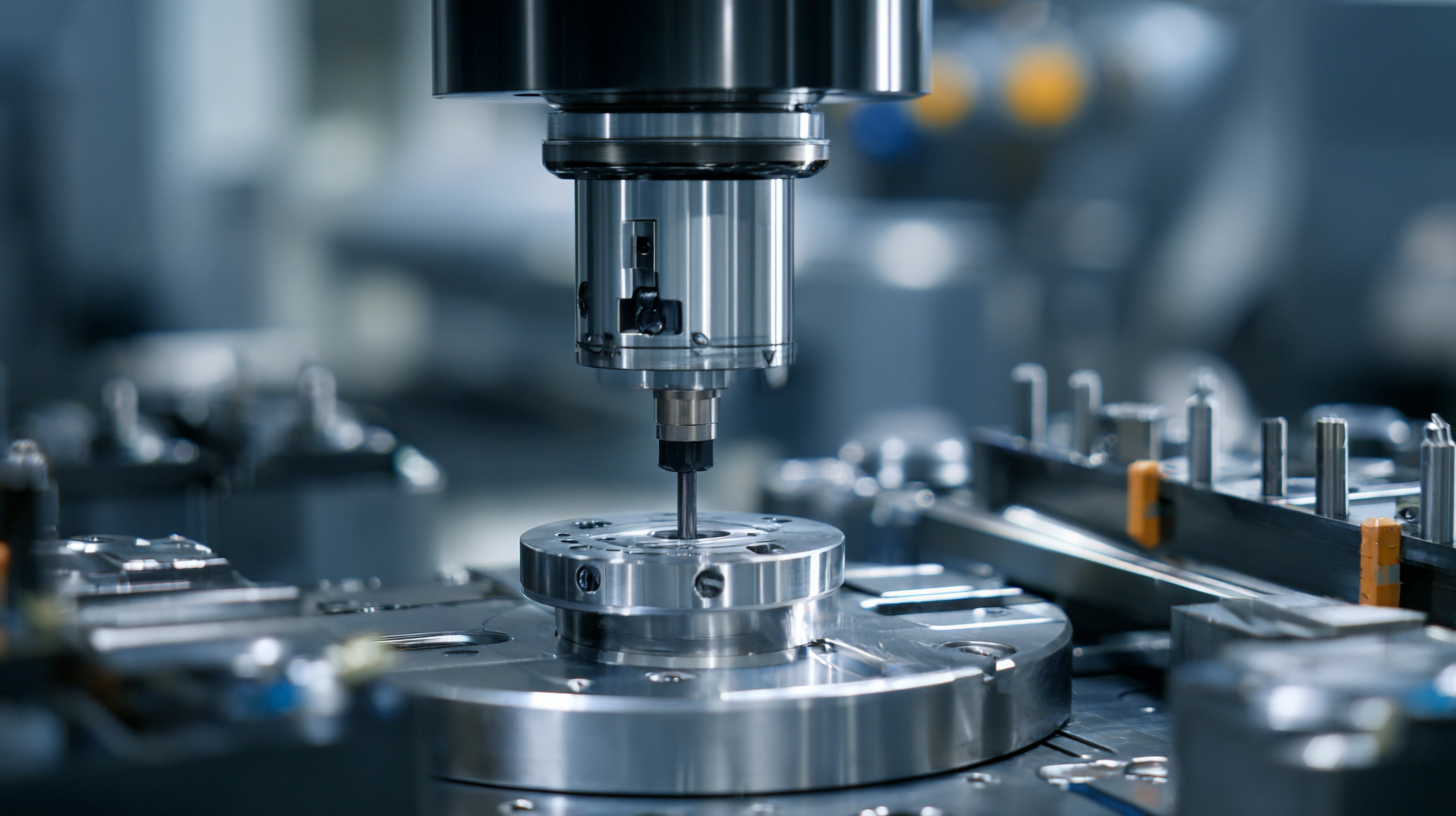 Automated Test Equipment, or ATE for short, is playing a huge role here—it’s basically the backbone for making sure vehicles tick all those tough safety boxes. It allows companies to run thorough checks on everything—from electronic gadgets and braking systems to all those fancy sensors—without letting things fall through the cracks. And because it’s automated, the testing is faster and way more accurate, which means there's less chance for human errors sneaking into the process.
The market for automotive test gear is booming, expected to grow from around $10.4 billion in 2023 to about $13.2 billion by 2030. More and more industry folks are realizing how crucial these advanced testing tools are. Not only does automation speed up the whole process of bringing new cars to life, but it also helps companies stay on top of safety regulations. Plus, catching potential issues early in production means better quality and more reliable vehicles in the end. Incorporating ATE isn’t just a passing trend—it’s a vital move toward safer, smarter cars and a more innovative industry overall.
Cost Reductions and Efficiency Gains from Automated Testing in Telecommunications
Automated Test Equipment, or ATE, has really shaken things up in the telecom world. It's not just about saving some bucks anymore—although, honestly, reducing costs is a big plus—it’s also about doing things faster and smarter. When companies bring in these smart automation tools, testing becomes way more efficient. Things that used to take ages now move much quicker, helping get products out the door sooner and making sure services are rock solid. Plus, since the testing process runs smoother, they don’t need as many people watching over everything, which helps cut down on labor costs.
And here's the cool part—automated testing isn’t just about speed. It also means the tests are more thorough and consistent. That means potential problems get caught early on, before they turn into big, expensive issues later. With all the data ATE can collect in real time, companies get instant insights into how everything’s performing. This lets them tweak and improve their processes on the fly. Overall, this means better quality products, happier customers, and a stronger position in a super competitive market. It’s pretty amazing how much of a difference automation makes, right?
Innovative Applications of Automated Test Equipment in Telecommunications
This chart illustrates the cost reductions and efficiency gains achieved through the use of Automated Test Equipment (ATE) in the telecommunications industry. The data shows how automated testing has led to significant reductions in testing costs and improved productivity over the past five years.
FAQS
TE) in the aerospace industry?
The non-destructive testing and inspection market is projected to reach $664 million by 2025 and grow to $1.239 billion by 2033, highlighting the increasing reliance on automation.
Innovations, such as high-energy computed tomography scanners, provide unprecedented precision for quality control, ensuring that aerospace parts meet stringent specifications.
Automation in the pharmaceutical industry helps enhance compliance with regulatory standards, significantly reducing human error, improving product quality, and speeding up time-to-market.
Companies utilizing automated testing have reported up to a 30% reduction in compliance costs, highlighting both regulatory adherence and economic advantages.
In-Circuit Testing (ICT) and Functional Testing (FCT) are critical in confirming the operational efficacy and safety of pharmaceutical products.
Morel Equipments Co., Limited specializes in providing state-of-the-art ATE solutions tailored for the pharmaceutical sector, ensuring compliance and boosting productivity.
The integration of IoT, big data, and smart manufacturing enables real-time data acquisition and analysis, driving growth and improving quality assurance processes.
Smart manufacturing refers to the use of integrated technologies and real-time data analysis to streamline production processes, enhance quality assurance, and improve overall product safety.
Embracing automation streamlines testing procedures, enhances product safety and performance, benefiting both manufacturers by reducing costs and improving efficiency and consumers through higher quality products.
Conclusion
In today's fast-changing world of industry, Automated Test Equipment (or ATE for short) is really becoming a game-changer across many different fields. Take electronics manufacturing, for example—ATE helps boost both efficiency and accuracy, making sure products hit those tough quality standards we all expect. The aerospace sector isn’t left out either; automation in testing processes takes safety and reliability way up a notch. Then there's the pharma side of things—using ATE helps companies stick to strict rules and regulations, which in turn builds trust with customers and keeps product integrity high. Automotive companies, too, rely on ATE to check that every system and component is up to standard, especially when safety is on the line. And let’s not forget telecommunications—here, automated testing means lower costs, smoother operations, and faster product launches, so you get your hands on new tech quicker.
At Morel Equipments Co., Limited, we bring over 15 years of hands-on experience in the SMT industry. Our innovative lineup of Automated Test Equipment, including ICT and Fct Testers, is all about helping your business work smarter, faster, and with better quality. We're committed to being your go-to partner to boost productivity and keep your products top-notch.