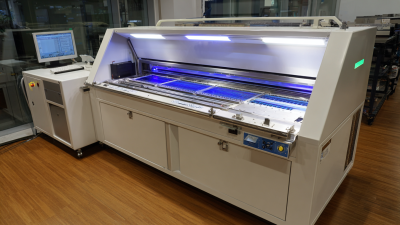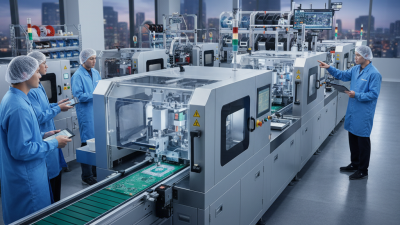
Using a Reflow Machine in PCB assembly has really changed the whole manufacturing game. Companies like Juki and Panasonic have been leading the charge with some pretty impressive advancements. A goodSmt Reflow Machine can make a huge difference, helping to get those solder joints just right and keeping the electronic components solid and reliable.
Most PCB makers are pretty happy with the efficiency these machines bring to the table. That said, it’s not always smooth sailing—things like temperature profiles and how the solder paste is applied can be tricky to get perfect right away. It really pays to keep an eye on things and monitor the process continuously. Plus, operators need to have a solid grasp of the machine settings—this deeper understanding can save you headaches and fix issues before they become big problems.
Bringing a Reflow Machine into your production line can definitely boost output. But, it’s also important to stay reflective and keep refining your process. The industry keeps moving fast, so staying up-to-date, learning as you go, and tweaking your approach are key. Over time, by addressing common pitfalls and being open to improvements, companies can really optimize what they’re doing and get even better results.
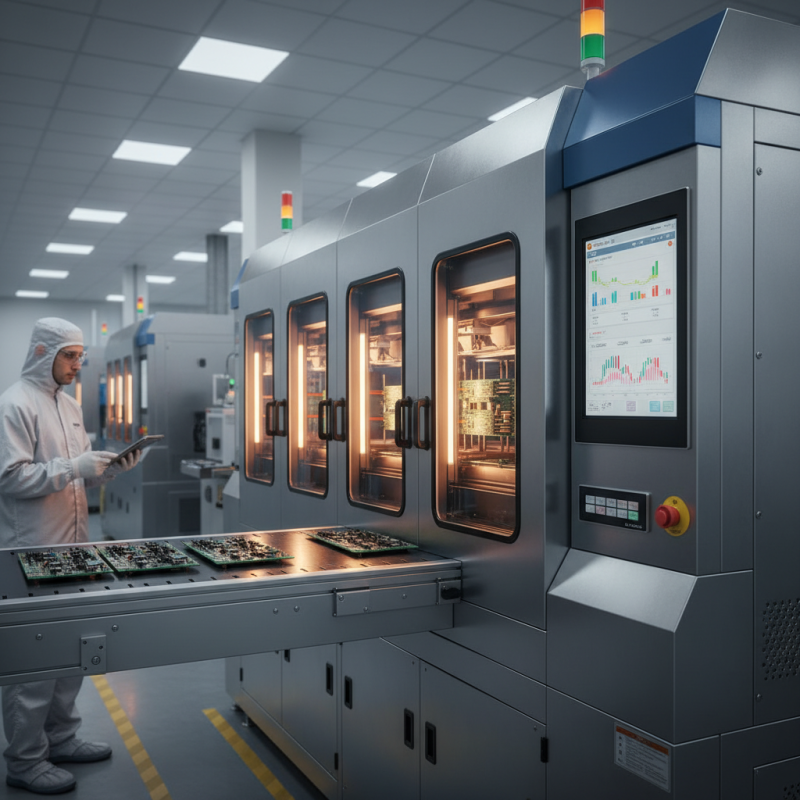
Enhanced thermal control in reflow machines is critical for high-quality PCB assembly. Accurate temperature management leads to better soldering results. When thermal profiles are regulated, the risks of cold joints and bridging decrease significantly. This reliability saves time and reduces costs in the long run.
Moreover, a well-controlled thermal environment helps to prevent component damage. Components like capacitors and delicate ICs can be sensitive to abrupt temperature changes. Maintaining steady heat profiles minimizes the chances of thermal shock. It also provides consistency across multiple boards. This uniformity is crucial for large production runs.
On the flip side, achieving perfect thermal control can be challenging. Variations in PCB thickness and materials can cause inconsistencies. Adjusting the reflow profile to suit different designs requires careful calibration. Operators may face a learning curve, needing to refine skills over time. Balancing speed and precision becomes a necessary reflection point.
Reflow soldering is essential in PCB assembly. Precision heat transfer techniques improve solder joint quality significantly. According to a report by IPC, over 70% of solder defects arise from poor temperature management. A reliable Reflow Machine addresses this issue. It ensures even heat distribution, minimizing cold solder joints.
These machines use advanced algorithms to manage temperature profiles. Studies show that optimized thermal profiles can enhance joint integrity by 30%. This improvement leads to better electrical conductivity and reliability in assembled PCBs. However, achieving perfect profiles can be tricky. Sometimes, even slight variations in temperature can cause issues like solder balling.
While reflow machines offer great benefits, calibration is vital. Regular maintenance prevents uneven heating patterns. Reports indicate that around 15% of machine failures result from improper setup. Inspecting the settings regularly can help mitigate risks. The journey to flawless solder joints requires commitment and constant adjustment.
Reflow machines play a crucial role in modern PCB assembly. They use heat to melt solder paste, connecting components to the board. This process is vital for creating reliable electronics. However, it can be tricky. Improper settings may lead to defects, like cold solder joints. These joints can weaken connections and cause failures.
Minimizing defects like voids is a priority. Voids appear when there are gaps in solder joints. They can reduce reliability, affecting the performance of the board. Advanced reflow machines offer better temperature control. This helps to ensure even heating and consistent solder flow. Yet, some boards might still show issues, revealing the need for constant monitoring.
While reflow machines enhance the assembly process, challenges remain. Operators need to be vigilant about settings and calibration. A small error can lead to significant problems. Reflection on the outcomes of each production run can help teams improve. Consistent review and adjustment can reduce defects and enhance the overall quality of PCBs.
Reflow machines play a crucial role in PCB assembly, particularly in enhancing production efficiency. These machines ensure that soldering processes happen with precision and speed. They optimize heat distribution to melt solder paste, allowing components to bond effectively to the PCB. This process reduces cycle time and minimizes errors caused by manual soldering.
Despite their advantages, reflow machines aren't perfect. Fluctuations in temperature can lead to uneven solder joints, necessitating careful monitoring. It's essential to regularly maintain these machines to avoid production delays. Investing in advanced models may seem ideal, but they require skilled operators who understand their complexities. This creates a skill gap that manufacturers must address.
Incorporating reflow technology can transform PCB assembly workflows. However, the learning curve can slow down initial production. Some operators may struggle with the technology, leading to mistakes. Continuous training is vital to unleash the machine's full potential. Embracing both the advantages and challenges of reflow machines can lead to significant improvements in assembly efficiency.
The financial impact of using reflow machines in PCB assembly can be significant. These machines streamline production. They minimize labor costs by reducing manual soldering. Fewer workers can manage higher volumes. This leads to better overall efficiency.
Investment in a Reflow Soldering Machine may seem high initially. However, the return on investment is clear over time. The precision of these machines reduces material waste. Fewer errors translate to lower expenses. Some companies notice they save thousands annually.
Quality control becomes easier with a reflow machine. Uniform heating leads to consistent solder joints. This reliability can enhance customer satisfaction. Yet, initial setup and training can be challenging. Companies must ensure proper calibration. Without it, profits may drop. Balancing cost efficiency with quality requirements is vital for success.
| Benefit | Description | Financial Impact (est.) |
|---|---|---|
| Cost Efficiency | Reduction in labor and materials due to automation. | Up to 20% savings |
| Improved Quality | Consistent temperature control leads to higher solder joint reliability. | Reduction in defects by 30% |
| Faster Production | Shorter thermal cycles increase throughput. | Increased output by 25% per hour |
| Space-Saving Design | Compact machines reduce the footprint on the production floor. | Saves overhead costs by 10% |
| Energy Efficiency | Advanced technology reduces energy consumption. | Decreased energy costs by 15% |
| Flexibility | Versatile machines adapt to different PCB types and sizes. | Allows for diverse production runs without significant downtime. |
| Reduced Waste | Minimized solder and component waste during the assembly process. | Savings of materials cost by 15% |
| Enhanced Process Control | Automated monitoring of process parameters increases reliability. | Decreased costs associated with rework by 20% |
| Better Scalability | Machines can be scaled according to production demands. | Improves ability to respond to market changes. |
| Lower Labor Costs | Reduction in manual labor required for soldering processes. | Labor cost reductions by 20% |
The flexibility of design with Solder Reflow Machines plays a crucial role in PCB assembly. These machines accommodate a wide range of PCB designs. They can handle different sizes and shapes, ensuring versatility. This adaptability enables manufacturers to experiment with various materials, including unconventional substrates. Such freedom can inspire creativity but may also lead to challenges in process optimization.
Incorporating diverse materials can be a double-edged sword. Not all combinations are successful. A unique material may not bond well with standard components. Engineers must test various configurations to avoid failures. It's essential to continuously refine the techniques used. Variation can result in unexpected outcomes, which may not align with the initial design intent.
Moreover, experimenting with new materials often demands adjustments in temperature profiles. A Solder Reflow Machine may require fine-tuning to achieve ideal results. Each adjustment can change the outcome significantly. While exploring flexibility is exciting, it calls for careful planning and patience. The journey towards innovation involves some missteps along the way. Ultimately, the process of finding theright balance is just as critical as the final product itself.
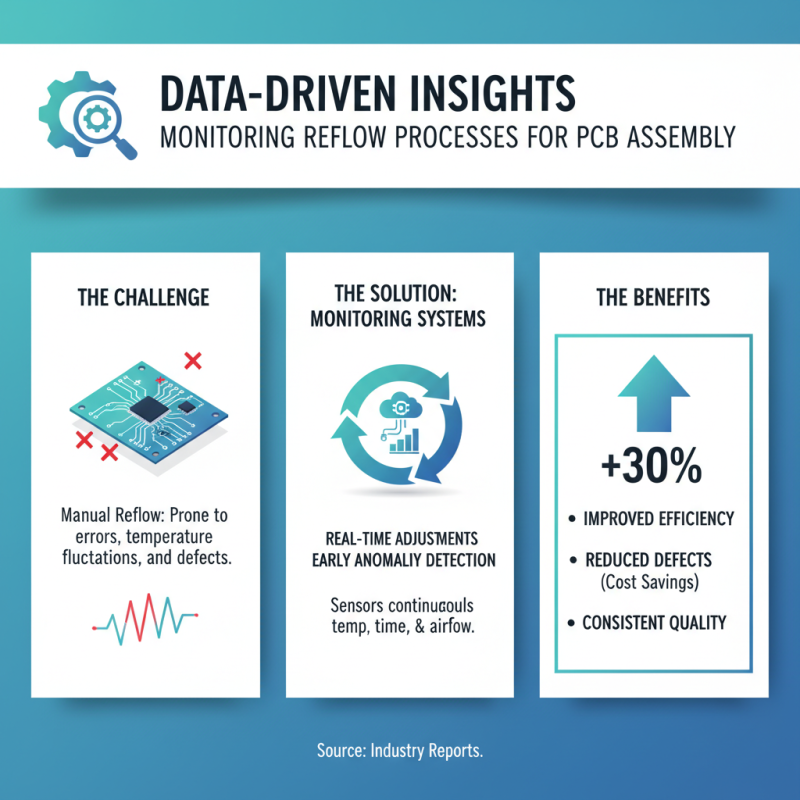
In modern PCB assembly, monitoring systems play a crucial role in ensuring optimal reflow processes. Data from industry reports indicates that integrating monitoring systems can improve efficiency by up to 30%. This significant boost comes from real-time feedback and process adjustments. Constant monitoring enables manufacturers to detect anomalies early. This helps prevent defects that could arise from incorrect temperatures or timing during the reflow cycle.
The implementation of data-driven insights in reflow machines is not without challenges. For instance, excessive data can lead to analysis paralysis. Operators might struggle to identify genuine issues among the noise. Moreover, not all systems provide actionable insights. A recent survey showed that 45% of manufacturers believe their monitoring systems lack effectiveness. This raises questions about the actual benefits of some existing monitoring technologies in the context of an Smt Reflow Oven.
Without proper integration, the potential of monitoring systems remains untapped. It is vital to assess how data is collected and used. This requires continuous evaluation of both technology and processes. Ensuring that employees understand the importance of these insights is equally critical. Training can bridge the gap between data collection and practical application. Ultimately, while monitoring systems offer great promise, they also necessitate ongoing reflection and adjustment to truly enhance reflow processes.
The AIS50X Online SMT/THT/DIP AOI Machine represents a groundbreaking advancement in the realm of automated optical inspection. With the increasing complexity of electronics assembly processes, including Surface Mount Technology (SMT), Through-Hole Technology (THT), and Dual In-Line Package (DIP) components, the need for precise and efficient quality inspection has never been greater. The AIS50X is specifically engineered to meet this demand, ensuring rapid and accurate detection of assembly defects, which is crucial for maintaining the integrity of modern manufacturing processes.
This machine employs cutting-edge high-resolution imaging technology combined with intelligent inspection algorithms to meticulously assess the quality of electronic components during assembly. It effectively identifies a wide range of common defects such as misplaced components, solder bridges, and issues related to solder quality. By delivering consistent and reliable results, the AIS50X not only enhances overall production quality but also significantly boosts productivity. Its ability to comply with stringent industry standards makes it an invaluable asset for manufacturers striving for excellence in quality assurance and operational efficiency.
: Cold solder joints are weak connections caused by improper soldering. They can lead to failures in electronic devices.
Voids can be minimized through better temperature control in reflow machines, ensuring consistent solder flow.
Reflow machines require careful monitoring and calibration. A small error can lead to significant problems in production.
They speed up soldering processes and minimize errors when compared to manual methods. This reduces overall cycle time.
Continuous training is essential for operators to use advanced features effectively and avoid mistakes during production.
They reduce labor costs and material waste, ultimately resulting in significant savings over time despite high initial investment.
Quality control becomes easier due to uniform heating, leading to consistent solder joints and higher customer satisfaction.
Yes, they require skilled operators. A lack of training can result in production delays and potential cost issues.
Consistent review and adjustment of settings can help minimize defects and improve overall PCB quality.
Reflecting on past outcomes helps teams identify mistakes and improve processes for future production runs.
Reflow machines play a crucial role in enhancing the quality and efficiency of PCB assembly processes. One of the primary benefits of these machines is their superior thermal control, which ensures precise heat transfer, ultimately leading to improved solder joint quality. By minimizing defects such as cold solder joints and voids, reflow machines help raise the overall reliability of the final products.
Moreover, the use of reflow machines significantly speeds up production timelines, contributing to increased manufacturing efficiency. The financial implications are also notable, as they lead to cost savings by reducing waste and promoting material optimization. Additionally, their flexibility allows for support of diverse PCB designs and materials, while data-driven insights from monitoring systems further enhance the reflow process, ensuring consistent and high-quality assembly outcomes.