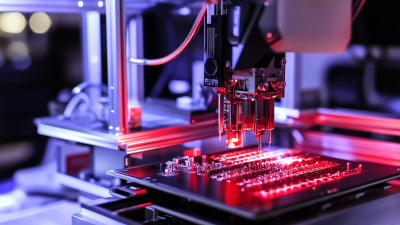
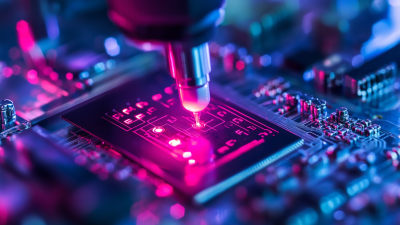
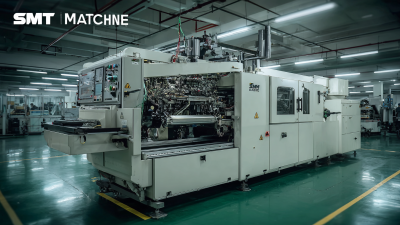
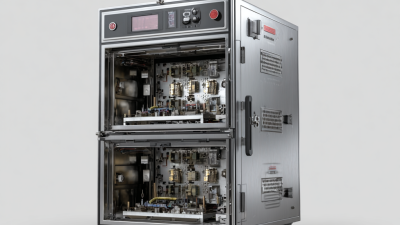
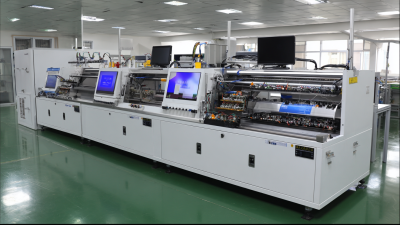
In today’s fast-changing world of electronics manufacturing, it’s becoming pretty clear that investing in a Solder Printing Machine is almost a must for companies really trying to stay competitive and efficient. I mean, a recent report from the Electronics Industry Association predicts that the global soldering equipment market might hit around $4 billion by 2025 – that just shows how important advanced solder printing tech is when it comes to ramping up production. Companies that don’t jump on the modern soldering bandwagon risk falling behind, especially since manufacturing is getting more complicated and the quality bar keeps rising.
Dr. Emily Chen, an expert in automation and soldering tech, puts it nicely: “Bringing in these innovative Solder Printing Machines doesn’t just make things faster; it also helps cut down on mistakes and defects.” Her words really highlight how these machines use super precise printing methods to make sure solder paste is applied right every time — which is, let’s be honest, pretty crucial when making electronics that need to work reliably at all times. As industries keep pushing toward smaller, more compact designs, having solid and smart solder printing solutions isn’t just a bonus — it’s essential. So, for manufacturers who want to stay ahead of the curve and produce top-quality stuff, investing in these tools isn’t just smart, it’s mandatory.”
Benefits of Solder Printing Machines in Manufacturing Processes
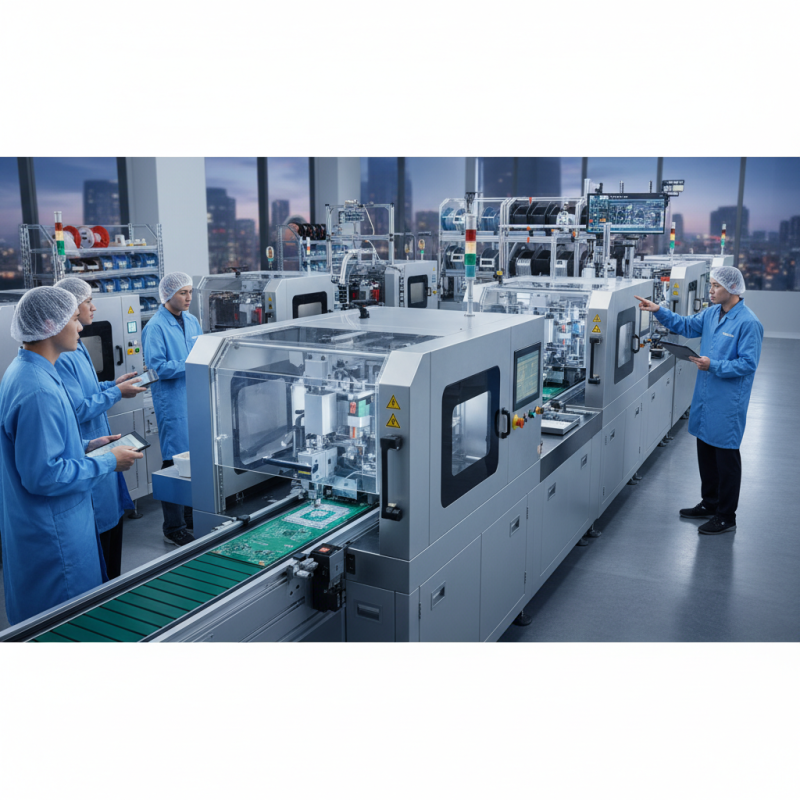
Investing in a solder printing machine can significantly enhance the efficiency and quality of manufacturing processes. These machines excel at accurately applying solder paste to circuit boards, which is a crucial step in electronics assembly. By utilizing advanced technology, solder printing machines ensure that the printed pads are uniform and precise, reducing the risk of defects in the final product. This precision allows manufacturers to achieve higher yields and lower operational costs, making solder printing a wise investment for any production line.
When integrating a solder printing machine into your manufacturing setup, consider the following tips:
- First, ensure proper training for your operators. Understanding the machine's capabilities and optimal settings is essential for achieving consistent results.
- Secondly, regular maintenance of the machine is crucial. Keeping the machine in top condition not only prolongs its life but also maintains the quality of the solder paste application.
- Lastly, monitor the solder paste's freshness and viscosity, as utilizing expired or improperly stored materials can lead to poor adhesion and defects.
In addition to improved quality and efficiency, solder printing machines provide manufacturers with the ability to adapt quickly to different production runs. As demand fluctuates, these machines can easily switch settings to accommodate various board sizes and designs. This flexibility not only streamlines the production process but also enhances the manufacturer’s ability to meet customer demands in a dynamic market.
Key Features to Consider When Choosing a Solder Printing Machine
When considering the investment in a solder printing machine, several key features should guide your decision-making process. First and foremost, precision is paramount. Look for machines that offer adjustable settings to meet specific requirements, ensuring high accuracy in solder deposition. A system that allows for fine-tuning of parameters will not only enhance the quality of your outputs but also minimize material waste.
Another important feature to consider is the speed of the machine. In a competitive manufacturing environment, the efficiency of your processes can significantly affect overall productivity. Opt for machines equipped with high-speed printing capabilities that do not compromise on quality. Additionally, the ease of maintenance is crucial; machines that are designed for simple cleaning and quick part replacements will save time and reduce downtime.
**Tip**: Always evaluate the machine's compatibility with various solder types to ensure versatility as your production needs evolve.
Furthermore, the software support that accompanies the machine can greatly influence its usability. A user-friendly interface allows your team to operate the equipment effectively without extensive training. Make sure the solder printing machine you choose has comprehensive software that can integrate smoothly with your existing systems.
**Tip**: Consider a machine that offers data tracking and management features to aid in continuous improvement and quality control of your manufacturing processes.
Why Invest in a Solder Printing Machine for Your Manufacturing Needs?
| Feature | Description | Importance |
| Print Speed | Indicates how fast the machine can print solder paste without compromising quality. | High |
| Precision | The accuracy of paste placement on PCBs, critical for ensuring effective soldering. | Very High |
| Ease of Use | User-friendly interface and controls that simplify operation for workers. | Medium |
| Maintenance | Frequency and complexity of required maintenance tasks to keep the machine operational. | High |
| Integration Capability | Ability to integrate with existing production lines and systems. | High |
| Cost Efficiency | Long-term savings through reduced wastage and improved yield. | Very High |
Comparing Manual vs. Automated Solder Printing Solutions
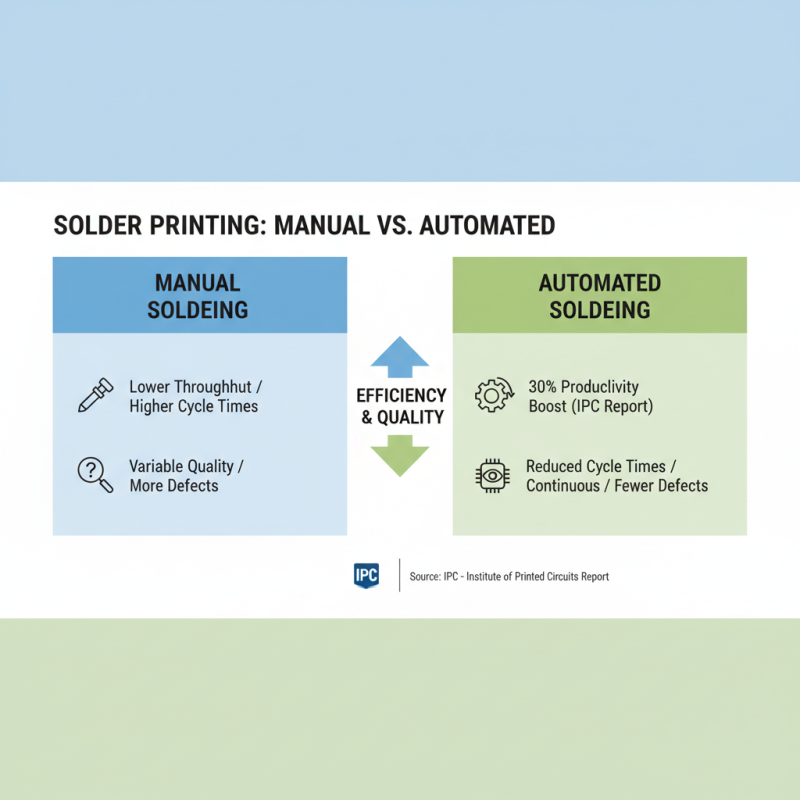
When it comes to solder printing in manufacturing, the choice between manual and automated solutions can significantly impact efficiency and quality. According to a report by IPC (Institute of Printed Circuits), automated solder printing machines can lead to a 30% increase in productivity compared to manual methods. This is primarily due to the reduced cycle times and the ability to operate continuously for longer hours. Moreover, automated systems incorporate advanced technologies like vision inspection and precise alignment, which enhance the accuracy of solder placement, thereby reducing defects and rework.
Manual solder printing, while still prevalent in small-scale or specialized operations, often struggles with consistency and repeatability. A study from SME (Society of Manufacturing Engineers) indicated that about 25% of manual solder operations result in variability in solder application thickness, which can lead to unreliable electronic connections. Automated machines, on the other hand, consistently apply solder paste within tolerances defined by industry standards, such as IPC-A-610. The precision offered by these solutions not only improves product quality but also supports manufacturers in meeting increasingly stringent regulatory requirements.
As industries move towards automation to meet the demands of faster production cycles and higher quality, investing in an automated solder printing machine is becoming increasingly essential. The initial investment may be higher, but the return on investment is evident in reduced labor costs, higher throughput, and overall improved product reliability. This trend indicates a significant shift towards automation in the solder printing process, aligning with the broader movement towards smart manufacturing and Industry 4.0.
Impact of Solder Printing on Production Efficiency and Quality
Solder printing is a critical process in electronics manufacturing, significantly influencing both production efficiency and product quality. By ensuring the precise application of solder paste onto printed circuit boards (PCBs), advanced solder printing machines can minimize human error and variability inherent in manual processes. This automation reduces cycle times, allowing manufacturers to increase throughput and meet demand without compromising quality. The consistent application of solder paste enhances the reliability of electrical connections, which is essential for ensuring long-lasting performance in electronic devices.
Moreover, the impact of solder printing extends to the quality of the end products. High-quality solder printing ensures optimal paste thickness and placement accuracy, which are vital for the successful assembly of components. When these factors are tightly controlled, the risk of defects such as solder bridging and insufficient solder is significantly reduced. As a result, manufacturers can achieve higher first-pass yields, which translates to lower rework costs and improved overall profitability. Emphasizing solder printing in production processes not only improves operational efficiency but also fosters a commitment to delivering superior quality products to market.
Cost Analysis: Initial Investment vs. Long-Term Savings
Investing in a solder printing machine represents a critical decision for manufacturers aiming to enhance their production efficiency and quality. While the initial financial outlay might seem daunting, a comprehensive cost analysis reveals that the long-term savings can be substantial. A study from the IPC, an industry association for electronics manufacturing, indicates that optimizing the solder printing process can reduce material waste by up to 15%, translating to significant reductions in operational expenses over time. This efficiency not only lowers costs but also minimizes the environmental impact associated with excess material disposal.
Furthermore, the ability to achieve higher precision with advanced solder printing machines can lead to fewer defects and rework costs. According to a report from the Research and Markets, the average cost associated with soldering defects can amount to 15-20% of total production costs in electronics manufacturing. By incorporating a high-quality solder printing machine, manufacturers can cut down on these defect rates, thereby increasing overall output and profitability. In this context, the return on investment (ROI) on such machines becomes increasingly favorable, reflecting a payback period that may be as short as two years depending on production volume and efficiency improvements.
Case Studies: Successful Implementation of Solder Printers in Industry
The implementation of solder printing machines has showcased significant improvements across various manufacturing sectors. For instance, a case study by IPC (Association Connecting Electronics Industries) reported that companies integrating Solder Printers experienced a 35% reduction in production time and a 25% decrease in material waste. This is largely attributed to the precision and efficiency offered by modern solder printing technology, which allows for greater control over paste application and minimizes rework costs.
In the automotive industry, manufacturers have leveraged solder printers to enhance the reliability of electronic components. A recent analysis revealed that a leading automotive supplier increased their production throughput by 40% after adopting a solder printing solution, which streamlined their assembly process and improved overall product quality. Furthermore, with rising demands for smaller and more intricate designs, solder printers have proven essential in facilitating advanced miniaturization techniques, thereby meeting the industry's stringent specifications and driving innovation in electronic systems.
Impact of Solder Printing Machines on Manufacturing Efficiency
This chart illustrates the improvements in key performance metrics before and after the implementation of solder printing machines in manufacturing processes. Notably, there is a significant increase in speed, accuracy, cost efficiency, and production volume, while waste reduction shows a marked improvement as well.
Future Trends in Solder Printing Technology for Manufacturers
As manufacturers continue to adapt to the fast-paced demands of modern electronics, solder printing technology is at the forefront of innovation. One significant trend in this area is the integration of automation and artificial intelligence. These advancements allow for real-time adjustments during the printing process, enhancing precision and reducing defects. Automated systems can analyze data and optimize the printing parameters on-the-fly, leading to improved quality control and greater efficiency in production lines.
Another emerging trend is the exploration of eco-friendly materials and processes in solder printing. Manufacturers are increasingly focusing on sustainable practices, which include the use of lead-free solders and environmentally-friendly inks. This shift not only meets regulatory requirements but also appeals to consumers who are becoming more environmentally conscious. By investing in solder printing machines that accommodate these new materials and processes, manufacturers can position themselves as leaders in sustainability while enhancing their product offerings in a competitive marketplace.
Lastly, the rise of 3D solder printing is reshaping the landscape of solder technologies. This innovative approach allows for greater flexibility and complexity in design, enabling faster prototyping and reduced material waste. As 3D printing becomes more mainstream, manufacturers who adopt this technology will be well-equipped to respond to the growing demand for customized solutions, ensuring they remain agile in an ever-evolving market.
Optimizing Production Efficiency with the JUKI JM-100 SMT Insertion Machine: A Comprehensive Overview
The JUKI JM-100 SMT insertion machine stands out in the realm of electronics manufacturing due to its exemplary production efficiency. With industry-leading speed capabilities, this machine drastically reduces component insertion times to as little as 0.6 seconds with a vacuum nozzle and 0.8 seconds with a gripper nozzle. This remarkable efficiency not only accelerates production lines but also enhances overall output, making it a valuable asset for manufacturers aiming to optimize their operations.
Equipped with the innovative "Takumi head," the JM-100 accommodates multiple recognition heights, allowing for a high degree of flexibility in handling various components. This feature is crucial in a fast-paced production environment, where adaptability is essential to reduce downtime and maintain workflow. Additionally, the machine's component feeding mechanism enhances material handling, ensuring that parts are seamlessly integrated into the assembly process.
To further streamline operations, the JM-100 incorporates advanced line control through JaNets software, enabling precise management of the production workflow. This software integration facilitates real-time monitoring and adjustment of processes, leading to improved consistency and quality in output. By leveraging these advanced features, manufacturers can achieve significant enhancements in productivity while maintaining stringent quality standards.
FAQS
: The initial financial outlay for a solder printing machine can be substantial, but it is crucial for manufacturers looking to enhance production efficiency and quality.
Optimizing the solder printing process can reduce material waste by up to 15%, leading to significant reductions in operational expenses over time.
Advanced solder printing machines enable higher precision, which can lead to fewer defects and subsequently lower rework costs, increasing overall output and profitability.
The return on investment (ROI) for these machines can be favorable, with a potential payback period as short as two years, depending on production volume and efficiency improvements.
Key trends include the integration of automation and artificial intelligence, which enhance precision and reduce defects, as well as the exploration of eco-friendly materials and processes.
Manufacturers are increasingly utilizing lead-free solders and environmentally-friendly inks, promoting sustainable practices that appeal to environmentally conscious consumers.
3D solder printing offers greater flexibility and complexity in design, allowing for faster prototyping and reduced material waste, which can help manufacturers meet growing demand for customized solutions.
Automated systems can perform real-time adjustments during the printing process, optimizing parameters and enhancing quality control, ultimately leading to greater production efficiency.
The average cost associated with soldering defects can account for 15-20% of the total production costs in electronics manufacturing, so reducing these defects can significantly lower overall expenses.
By investing in modern solder printing machines, manufacturers can improve production efficiency, enhance quality control, meet regulatory requirements, and position themselves as leaders in sustainability.
Conclusion
Investing in a Solder Printing Machine can significantly enhance manufacturing processes by streamlining production and improving overall quality. These machines offer numerous benefits, such as precision in solder application and reduced material wastage, which are crucial for modern manufacturing demands. When selecting a solder printing machine, it is vital to consider key features like speed, accuracy, and automation capabilities to ensure compatibility with specific production needs.
A comparative analysis of manual versus automated solder printing solutions highlights the advantages of automation in terms of efficiency and consistency. Additionally, while the initial investment in a solder printing machine may seem substantial, the long-term savings through enhanced productivity and lower error rates can justify the cost. Case studies showcase successful integration of solder printers in various industries, underlining their impact on operational efficiency. As technology evolves, future trends in solder printing will likely introduce even more advanced features that further benefit manufacturers.