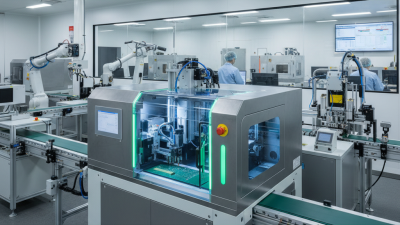
Lately, there's been a solid uptick in the demand for efficient SMT pick-and-place machines here in China. According to a report from ResearchAndMarkets, the electronics manufacturing industry is expected to grow around 7% each year. More and more companies are on the lookout for reliable equipment that can boost productivity and cut down operational costs—that’s pretty much the name of the game nowadays. The industry’s evolving fast, with tech improvements constantly pushing standards higher.
Big players like Yamaha and Juki are really leading the way when it comes to SMT pick-and-place tech. They’re putting out innovations that focus on both speed and precision, which are absolutely essential for modern assembly lines. But here’s the thing—smaller companies often find it tough to keep up with these rapid advancements. In fact, a study mentioned that nearly 45% of manufacturers are still clinging to old equipment. That really shows there’s a real need for more targeted investments in newer, smarter systems.
Of course, even with all the progress, there are still hurdles to jump. Things like a shortage of skilled workers and rising material costs are big challenges. Plus, there’s definitely room for improvement in integrating automation smoothly and making interfaces more user-friendly. As companies chase excellence in SMT pick-and-place solutions, taking a step back to reflect and adapt is crucial if they want to stay ahead in this fast-changing market.
Introduction to SMT Pick and Place Technology in China
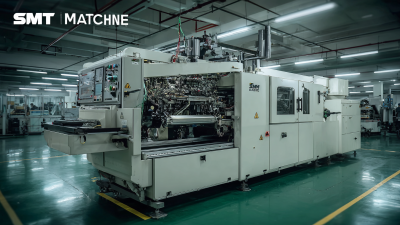
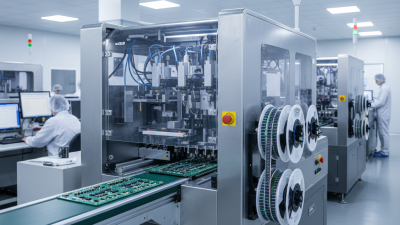
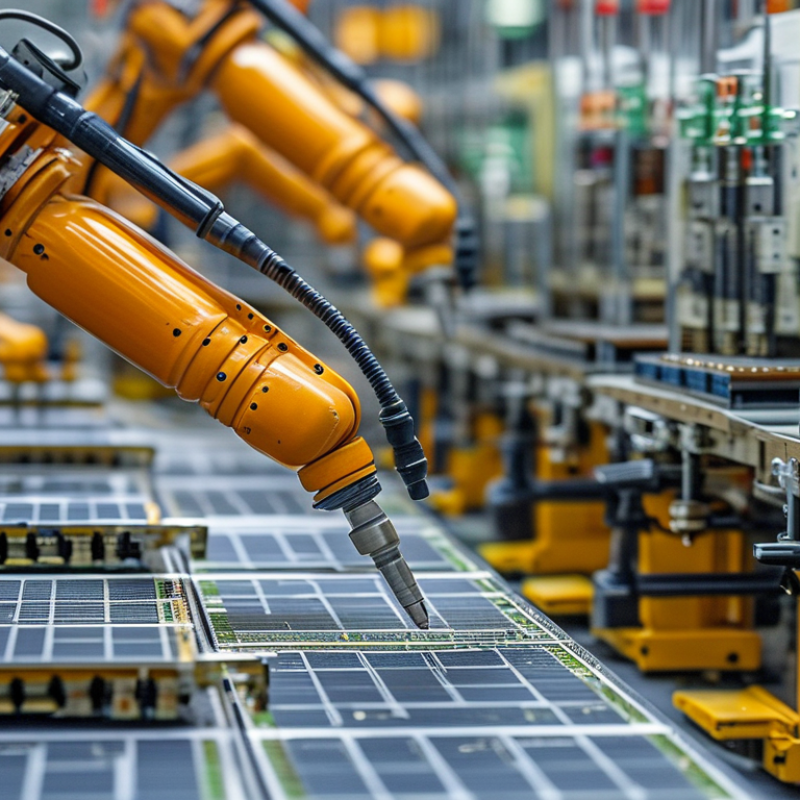
SMT (Surface Mount Technology) pick and place equipment plays a crucial role in the electronics manufacturing industry. In China, this technology has rapidly evolved, addressing the growing demand for high-quality and efficient production processes. Modern SMT Pick And Place Machines are designed with precision and speed at their core. Many companies are investing in advanced automation to improve productivity. They enable the accurate placement of thousands of components on printed circuit boards in a fraction of the time it took just a decade ago.
Despite these advancements, several challenges persist in the SMT landscape. For instance, some manufacturers struggle with component misalignment during placement. This can lead to defects and increased rework, impacting overall efficiency. Additionally, the varying quality of components available in the market poses concerns. Companies must invest time in sourcing reliable suppliers. Training operators is equally essential, as their expertise can significantly affect machine performance.
The demand for innovative solutions continues to drive improvements in SMT technology. As companies seek to optimize their production lines, they must adapt to changing market needs. Embracing flexibility in their processes is necessary. Manufacturers in China are finding ways to enhance their systems, but there’s always room for growth and refinement in this competitive space.
Key Players in the Chinese SMT Pick and Place Market
The SMT pick and place market in China is rapidly evolving. Key players are focusing on enhancing technology for better precision. According to a recent industry report, the market is projected to reach $1.2 billion by 2025, showcasing significant growth. This rise is driven by the increasing demand for automated solutions in electronics manufacturing.
Companies are investing heavily in research and development. They aim to improve efficiencies and reduce operational costs. For instance, the incorporation of AI in SMT pick and place systems has shown promise. It can lead to smarter inventory management and improved supply chain dynamics. However, there are challenges. Many companies struggle to adapt fast enough to changing technologies.
Local manufacturers play an essential role in this dynamic landscape. They influence the market with competitive pricing and innovative features. Yet, many still face quality control issues. A survey found that 40% of manufacturers report inconsistencies in product reliability. As the industry matures, addressing these gaps becomes crucial for maintaining competitiveness.
Innovative Features of Top SMT Pick and Place Solutions
The Smt Pick And Place Machine industry in China is rapidly evolving. Recent reports indicate that the market is projected to grow at a CAGR of 8.2% through 2026. This growth is driven by innovations in automation and efficiency. Notably, advancements in vision systems and programmable controls enhance placement accuracy. Manufacturers are increasingly adopting these features to improve productivity and reduce waste.
Innovative solutions now include smart technology. Real-time data analytics allow for immediate adjustments during production runs. Such capabilities minimize errors, ensuring quality control. Moreover, some machines offer modular designs, making upgrades easier. The flexibility to adapt to different components is a key factor in today’s competitive market.
However, challenges remain. High initial costs can deter smaller companies from investing in advanced SMT Pick and Place machines. Additionally, the rapid pace of technology can lead to concerns about obsolescence. Companies must weigh the benefits of innovation against potential drawbacks. Finding the right solution requires careful consideration of specific operational needs.
Comparative Analysis of SMT Equipment Manufacturers in China
The Smart Manufacturing Technology (SMT) sector in China is rapidly evolving. Many manufacturers are introducing advanced pick and place solutions. These innovations are critical for the electronics industry, especially in high-volume production.
A comparative analysis of Smt Equipment manufacturers reveals diverse offerings. Some companies focus on speed and precision. Others prioritize flexibility and modular design. Many machines support various component sizes and types. This variety allows manufacturers to adapt to changing market demands. However, not every solution meets industry standards. Some equipment may lack reliability under high pressure. Manufacturers must be cautious in selecting the right partners.
Furthermore, many machines come with complex software. This can lead to a steep learning curve for operators. Training is essential, yet it often gets overlooked. Companies should invest in comprehensive training programs. This will enhance efficiency and reduce downtime. Feedback from operators can provide valuable insights into potential improvements. Continuous refinement in these areas can drive productivity and quality.
Discover the Best Smt Pick Place Solutions in China
| Manufacturer | Model | Speed (CPH) | Placement Accuracy (mm) | Price (USD) |
| Manufacturer A | Model X1 | 3000 | 0.02 | 55000 |
| Manufacturer B | Model Y2 | 4000 | 0.03 | 72000 |
| Manufacturer C | Model Z3 | 2500 | 0.015 | 48000 |
| Manufacturer D | Model A4 | 5000 | 0.025 | 65000 |
| Manufacturer E | Model B5 | 4500 | 0.018 | 80000 |
Cost Considerations for SMT Pick and Place Machines
Cost is a critical factor when considering Smt Pick & Place Machines. Many manufacturers overlook the long-term expenses associated with these machines. The initial purchase price is just one aspect. Maintenance costs can accumulate significantly over time. A report from IPC shows that maintenance can account for up to 25% of total operational costs annually.
When evaluating SMT Pick & Place solutions, companies need to analyze several cost elements. Labor costs are rising, and machines that optimize speed and accuracy can reduce these expenses. According to a study by CIMdata, automation can decrease labor needs by 30-50%. However, automated solutions often come with high upfront investments.
Sourcing machines in China might appear cost-effective. Still, hidden expenses can arise from components, shipping, and tariffs. An important consideration is the total cost of ownership (TCO). Industry data reveals that TCO can vary greatly based on machine performance and reliability. Vendors offering low prices might compromise on quality, leading to increased downtime and repairs. It's crucial to calculate all potential costs systematically.
Future Trends in SMT Technology and Automation in China
The future of SMT technology in China is rapidly evolving. Automation in the industry is set to redefine manufacturing standards. According to a recent report by Research and Markets, the SMT market in China is projected to grow by over 7% annually through 2025. This growth directly correlates with increasing demand for Smt Pick And Place Equipment. Companies are focusing on maximizing efficiency and precision.
As automation technologies advance, manufacturers face challenges. Many still rely on outdated machinery, which can hinder productivity. A survey revealed that 40% of manufacturers express dissatisfaction with existing equipment. There is a pressing need for solutions that integrate the latest in robotic technology and artificial intelligence. Such integration can enhance the capabilities of Smt Pick And Place Equipment, enabling better production outputs.
Moreover, as industries embrace smart manufacturing, there is an emphasis on connectivity. Effective data management is essential for optimizing performance. However, many organizations struggle with this transition. Achieving seamless communication between machines remains a key hurdle. Addressing these issues will be crucial for maximizing the potential of SMT automation in China’s competitive market.
Customer Reviews and Case Studies of SMT Solutions in China
When exploring SMT (Surface Mount Technology) solutions in China, customer feedback plays a pivotal role. Many users highlight the efficiency of the machines. They emphasize how streamlined processes have improved production rates. Reviews often mention the ease of integration with existing systems. This adaptability encourages companies to embrace new technologies without major disruptions.
Case studies present even deeper insights. One manufacturer reported a significant drop in errors after switching to a new pick-and-place technology. Employees noticed a reduction in manual handling, minimizing the risk of damage. Yet, some companies faced challenges during the transition. Adjusting to new software proved complex for certain teams, requiring additional training.
Overall, these experiences underscore the importance of thorough research before making decisions. Understanding both successful implementations and challenges can guide future investments. Potential users should approach their choices carefully, weighing advantages against possible drawbacks. This reflective approach fosters informed decisions in the competitive SMT landscape.
FAQS
: The market is rapidly evolving and projected to reach $1.2 billion by 2025. Demand for automation drives this growth.
Companies focus on research and development to enhance efficiency and reduce costs. AI is becoming increasingly integrated into systems.
Many struggle to adapt to fast-changing technologies. Quality control remains a major issue, with 40% reporting reliability inconsistencies.
Companies should assess the reliability and adaptability of solutions. Not all machines meet industry standards, so careful selection is vital.
Training is essential but often overlooked. A steep learning curve exists due to complex software, so investment in training programs is crucial.
Users highlight increased efficiency and streamlined processes. However, some faced challenges adjusting to new software, requiring extra training.
One manufacturer reported fewer errors after switching technologies. The reduction in manual handling minimized damage risks and improved outcomes.
Operator feedback can highlight areas for improvement. Continuous refinement based on this feedback can enhance productivity and quality.
Research is vital. Weighing advantages against drawbacks can lead to more informed decisions and successful implementations.
Yes, adjustments to new systems can be complex. Companies should prepare for potential challenges to ensure smooth transitions.
Conclusion
The article titled "Discover the Best Smt Pick Place Solutions in China" provides a comprehensive overview of SMT Pick and Place technology, highlighting its significance in modern electronics manufacturing. It introduces the key players in China's SMT Pick and Place market, showcasing their innovative features and capabilities that cater to diverse production needs. The comparative analysis sheds light on different manufacturers, providing insights into their strengths and weaknesses.
Cost considerations are also discussed, emphasizing the importance of balancing quality and affordability when choosing SMT Pick Place machines. Furthermore, the article explores future trends in SMT technology and automation, indicating a shift towards more efficient and intelligent manufacturing processes. Customer reviews and case studies illustrate real-world applications of SMT solutions, underscoring their effectiveness in enhancing productivity and quality in the electronics sector across China.