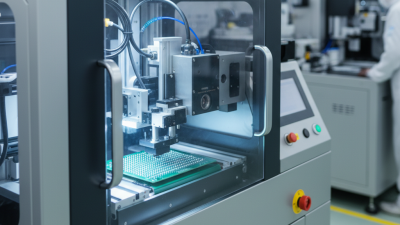
In today’s fast-changing world of electronics, making sure your solder paste is top-notch is more important than ever. A dependable Solder Paste Inspection Machine really is a game-changer when it comes to catching defects early and keeping your manufacturing process smooth. According to some research from Allied Market Research, the global market for these inspection machines is expected to hit around $500 million by 2027, growing at a steady rate of 6.2% since 2021. That kind of growth just shows how much manufacturers are craving high-quality soldering in their production lines.
Of course, choosing the right equipment isn’t always straightforward. There’s a ton of options out there — some machines boast fancy imaging tech, while others are all about speed and efficiency. But, if you pick the wrong one or skip proper inspections, it could lead to costly mistakes down the line. In fact, studies show that nearly 30% of PCB issues come from poor soldering practices, which really highlights just how crucial good inspection tools are.
Companies like ASM Pacific Technology and Koh Young are leading the charge with innovative solutions. Still, it’s not just about buying the best machine — you also need to trust in its reliability and train your team properly. When shopping around, it’s helpful to think about what your specific needs are and how well a new inspection system will fit in with what you already have. The right Solder Paste Inspection setup can seriously boost your quality and cut down on waste in the long run.
The Importance of Solder Paste Inspection in Electronics Manufacturing
Solder paste inspection is crucial in electronics manufacturing. It ensures that the right amount of paste is applied to circuit boards. Too much solder paste can lead to bridging, while too little can cause weak connections. This delicate balance directly impacts product reliability.
Implementing a 3d Solder Paste Inspection Machine can enhance quality control. These machines provide detailed insights into paste distribution and volume. However, not all machines are perfect. Some might struggle with complex board designs. Regular calibrations and maintenance are necessary to ensure optimal performance.
Investing in solder paste inspection technology brings significant benefits. Yet, it is essential to understand that it does not eliminate all potential issues. Human oversight remains vital. Training staff on the inspection process can bridge gaps that machines may not fully address. Balancing technology and human expertise is the key to achieving quality in electronics manufacturing.
Key Features of Effective Solder Paste Inspection Machines
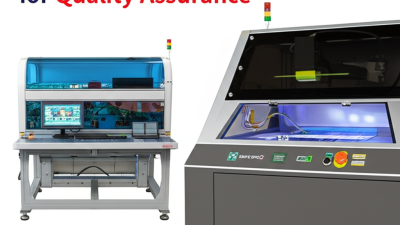
Solder Paste Inspection Machines are crucial for ensuring high-quality electronic assemblies. An effective inspection machine accurately checks the application of solder paste on circuit boards. It prevents defects, ensuring reliability in electronic products. Key features include high-resolution imaging and advanced algorithms for better defect detection.
Accuracy is vital. Machines should have a sensitivity to differentiate between acceptable and unacceptable paste levels. Speed is also important; faster inspections can improve overall production efficiency. Additionally, user-friendly interfaces allow for quick operator training. Some machines feature AI capabilities, enhancing their performance over time.
While many machines boast advanced features, not all deliver consistent results. Regular maintenance is essential to maintain accuracy. Reflections in imaging and ambient lighting can distort results, leading to misjudgments. It's important to ensure machines are calibrated correctly and regularly. Focusing on these details can significantly enhance the reliability of the inspection process.
Market Analysis: Leading Manufacturers of Solder Paste Inspection Machines
In today's competitive electronics market, the demand for reliable solder paste inspection machines is rising. Manufacturers of these machines play a crucial role in ensuring high-quality production standards. Recent reports indicate a significant growth in the sector, driven by advancements in technology and increasing automation. The global solder paste inspection machine market is expected to reach $XX million by 2025, with a compound annual growth rate (CAGR) of XX%.
Leading manufacturers are increasingly focusing on innovative features. For example, machines now incorporate advanced image recognition technologies to improve inspection precision. The integration of artificial intelligence in solder paste inspection is becoming a key trend. However, some manufacturers still struggle to keep pace with these rapid advancements. This gap may lead to inconsistencies in inspection results and product quality.
Tip: Always evaluate a machine’s specifications, not just its brand reputation. Look for features that align with your production needs. Assess the user-friendliness, as it can impact your team's efficiency.
The Solder Paste Inspection Machine Koh Young, renowned for its effectiveness, is often recommended for those seeking quality. Nonetheless, it is vital to weigh the total cost of ownership, including maintenance. Reflecting on the importance of ongoing training for operators can significantly enhance the effectiveness of any inspection machine. Investing in personnel ensures maximum benefit from these advanced technologies.
Technical Specifications: Evaluating Solder Paste Inspection Equipment
When selecting solder paste inspection (SPI) machines, understanding technical specifications is crucial. Key aspects include resolution, speed, and accuracy. A high-resolution camera can detect even the smallest defects in solder paste application. Speed is also essential; faster machines reduce production bottlenecks, enabling quick quality checks.
Another important specification is the machine's ability to handle different surfaces and paste types. Diverse PCB designs require adaptable inspection solutions. Machines that offer programmable settings improve efficiency in various production scenarios. However, adaptability may come with added complexity, potentially increasing the learning curve for operators.
Inspecting solder paste isn't just about technology. It requires a deep understanding of your specific production needs. The best inspection machine fits seamlessly into your workflow. Assessing your requirements thoroughly helps avoid mismatches that could lead to inefficiencies. Regular reevaluation of machine performance is vital as technologies evolve. Embracing this reflective approach ensures your inspection process remains effective and relevant.
Best Solder Paste Inspection Machine for Global Buyers
| Model | Resolution | Inspection Speed | Detection Accuracy | Connectivity | Operating System |
| Model A | 10 µm | 30 cm/s | 99.5% | USB, Ethernet | Windows 10 |
| Model B | 12 µm | 25 cm/s | 98.8% | USB, Wi-Fi | Linux |
| Model C | 8 µm | 35 cm/s | 99.0% | Ethernet, RS-232 | Windows 10 |
| Model D | 15 µm | 20 cm/s | 97.5% | USB, Ethernet | Windows 10 |
| Model E | 11 µm | 28 cm/s | 99.2% | Wi-Fi, Ethernet | Linux |
Impact of AI and Automation on Solder Paste Inspection Processes
AI and automation are revolutionizing the field of Solder Paste Inspection. Traditional methods often rely on manual inspection, which can lead to human error. With AI-driven machines, accuracy and efficiency are significantly enhanced. These systems analyze solder paste applications in real-time, providing valuable insights that humans might miss.
Automation also introduces speed into the Solder Paste Inspection Process. Machines can process multiple boards quickly, reducing downtime. This is particularly beneficial for manufacturers aiming to scale their production. However, there are challenges. Over-reliance on automation may lead to a lack of skilled operators. Balancing technology with human expertise remains crucial.
Moreover, constant updates in AI algorithms can create a knowledge gap. Operators must stay informed about these advancements. Understanding how to interpret AI data is vital. Without this knowledge, the full benefits of Solder Paste Inspection technology could be lost. It is essential for teams to embrace ongoing learning in this evolving landscape.
Cost-Benefit Analysis: Investing in Solder Paste Inspection Machines
When considering a solder paste inspection machine, a cost-benefit analysis is essential. Investing in quality machines can reduce errors and save costs over time. Mistakes during soldering can lead to significant rework. This equipment helps ensure accurate paste application. Therefore, choosing the right machine impacts your bottom line.
Tip: Evaluate long-term savings versus initial costs. A cheaper machine may cost more in repairs and maintenance.
Machines vary in features, making it crucial to assess what you truly need. Some machines offer basic inspection, while others provide advanced analytics. It’s important to avoid overspending on features you may never use.
Tip: Assess your production needs regularly. This helps in determining when an upgrade is necessary.
Investing wisely in a solder paste inspection machine can enhance quality. However, always consider potential shortcomings. Machines require regular calibration, and issues may arise over time. Balancing investment with the machine’s performance is key.
Future Trends in Solder Paste Inspection Technology and Market Demand
The demand for advanced inspection methods in electronics manufacturing is rising. Solder paste inspection (SPI) technology has become essential for ensuring product quality. Pipeline efficiency and defect detection are driving manufacturers to invest in better inspection systems. As circuit board designs grow more complex, the role of SPI in quality assurance is indispensable.
Future trends indicate that automation will shape the solder paste inspection landscape. Enhanced software algorithms will analyze past defects, improving accuracy and speed. Yet, as technology advances, some companies may struggle to adapt. Integration with existing systems can be challenging. Despite these hurdles, there’s a shift towards seamless integration of SPI into production lines.
Sustainability is becoming a focal point as well. Manufacturers are seeking eco-friendly solutions in their processes. SPI technology can help reduce waste and improve material usage. However, some firms may prioritize short-term gains over long-term benefits. It’s crucial for industry leaders to reflect on their strategies and embrace change responsibly.
Global Solder Paste Inspection Machine Trends
Enhancing Manufacturing Efficiency: Insights from Industry Reports on the Automatic SMT Stencil Cleaning Machine BMP-1000X
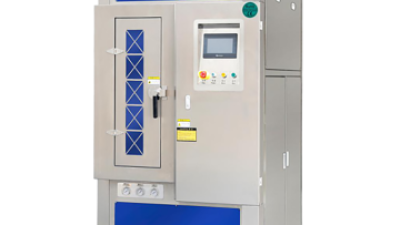
The Automatic SMT Stencil Cleaning Machine BMP-1000X is designed to enhance manufacturing efficiency through its advanced features. One of its standout attributes is the incorporation of a liquid level sensor overflow alarm in the cleaning tank, original tank, and spray tank. This not only ensures optimal operation but also proactively prevents potential spills, aligning with safety and operational efficiency in manufacturing environments.
Safety mechanisms are paramount, and the BMP-1000X excels in this area with its photoelectric sensor protection. This feature halts the cleaning process if the front door is not securely closed, thereby preventing the accidental spraying of cleaning solutions. Additionally, the machine's comprehensive PLC monitoring and alarm systems provide double protection for critical components, including the air source, deionized water inlet, and heating system. This design ensures uninterrupted operation and protects the equipment from damage due to unforeseen malfunctions.
Moreover, the BMP-1000X showcases an innovative cleaning mechanism that optimally utilizes imported guide rails and a stepping drive system. This setup allows for effective cleaning through controlled movements of the cleaning object, ensuring thorough and consistent results. The fixed spray arm and air knife further enhance the cleaning effectiveness, making the BMP-1000X an invaluable asset for manufacturers seeking to streamline their SMT processes and achieve higher operational standards.
FAQS
: These machines help reduce errors and save costs by ensuring accurate paste application.
AI enhances accuracy and efficiency, providing insights that manual inspections may miss.
Evaluate machine features against your production needs to avoid overspending.
Over-reliance may create a shortage of skilled operators, so balance is essential.
Continuous training helps operators interpret AI data and fully benefit from technology.
Regular calibration is needed, and issues may occur over time that affect performance.
Compare long-term savings with initial costs, as cheaper options may incur high maintenance.
Some manufacturers may struggle to keep pace with advancements, leading to inconsistent quality.
Regular assessments help determine if and when an upgrade to machinery is necessary.
A machine’s ease of use can significantly impact team efficiency and inspection accuracy.
Conclusion
In the realm of electronics manufacturing, the significance of Solder Paste Inspection Machines cannot be overstated. These machines play a crucial role in ensuring the quality and reliability of electronic components by accurately assessing solder paste application. Key features such as high precision, speed, and adaptability are essential for effective inspection. A comprehensive market analysis reveals a variety of leading manufacturers, each contributing unique technical specifications that enhance the efficiency of solder paste inspection processes.
With the advent of AI and automation, the functionality of Solder Paste Inspection Machines has evolved, enabling smarter and more efficient inspection workflows. A thorough cost-benefit analysis demonstrates that investing in these machines can lead to substantial savings and improved product quality. Future trends suggest a growing demand for advanced technologies in solder paste inspection, driven by the need for heightened accuracy and productivity in the electronics sector.