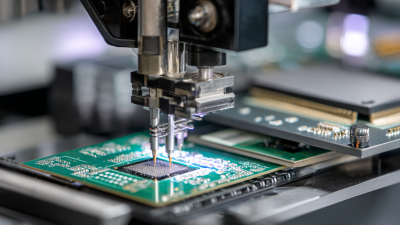
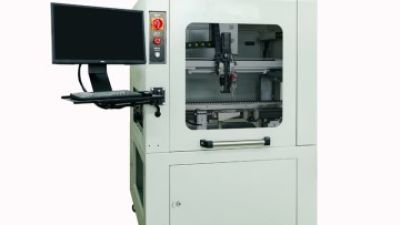
When it comes to manufacturing electronics, nobody can really deny just how crucial quality control is. Take the Solder Paste Inspection Machine, for example. Dr. Emily Chen, a well-respected expert in automation tech at Advanced Electronics Solutions, often says, 'Investing in a Solder Paste Inspection Machine really cuts down on defects and makes the whole production process run smoother.'Quality assurance isn’t just about ticking boxes or meeting standards. It really impacts how people see your brand and how much trust customers have in you. This machine automates the whole process of checking solder paste application—making sure everything’s precise and spot-on. Without it, manufacturers run the risk of costly rework or unhappy clients—things you definitely want to avoid.Now, I get it — some companies hesitate at first because, let’s face it, new tech can be pricey. But ignoring the need for advanced inspection tools can actually cost you way more in the long run. Taking a step back and thinking about these choices can lead to spotting chances for real improvements in how you run things. It might seem a bit daunting at first to get a Solder Paste Inspection Machine up and running, but honestly? In the end, those long-term benefits totally outweigh the initial hassle. It’s all about setting your business up for growth and better quality down the line.
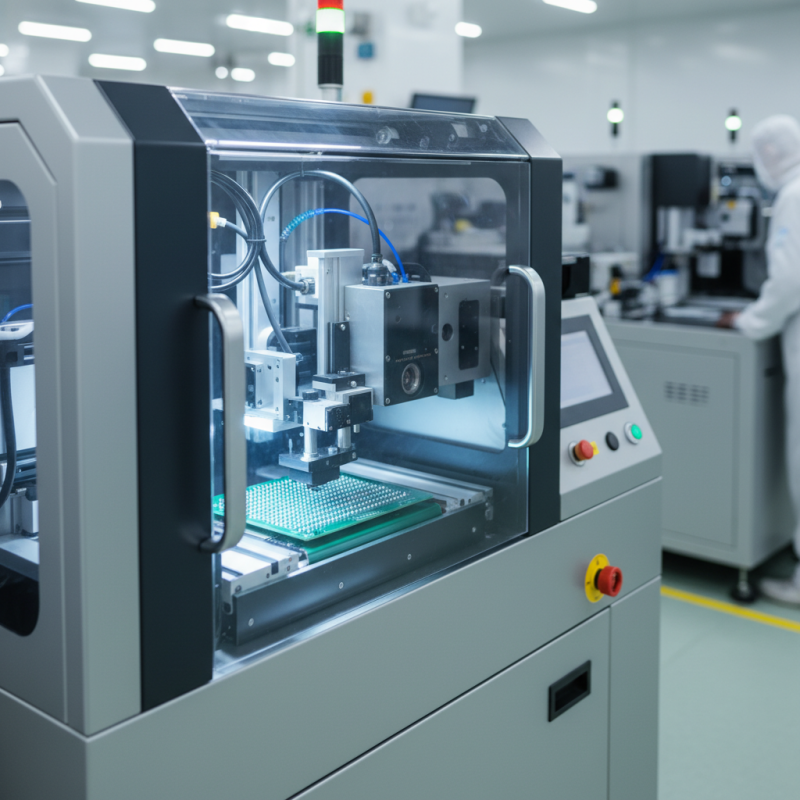
Importance of Quality Control in Electronics Manufacturing
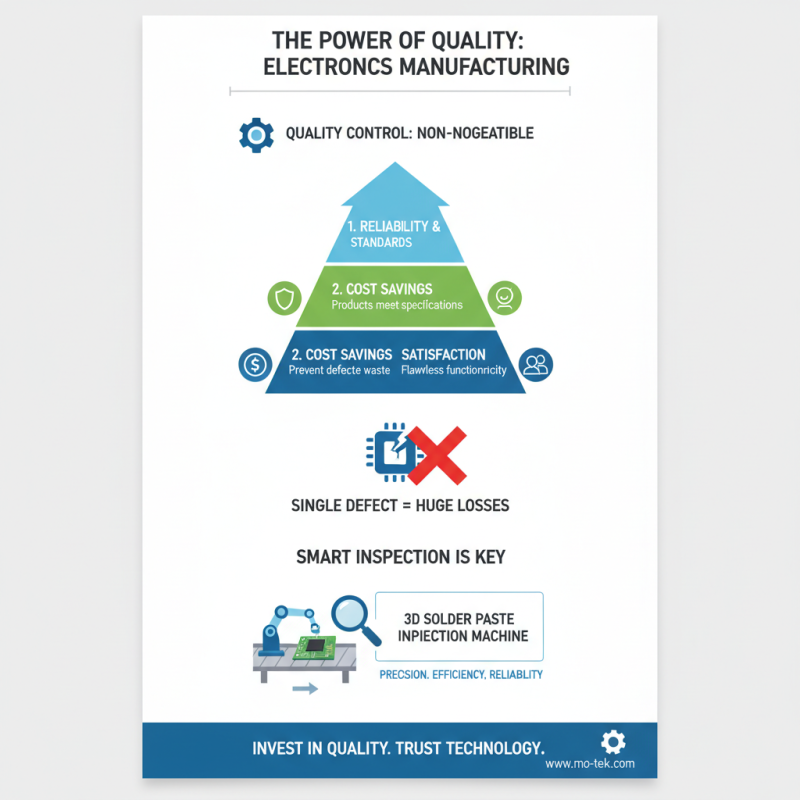
Quality control is crucial in electronics manufacturing. It ensures that products meet required standards and function properly. A single defect can lead to significant losses. Therefore, manufacturers must invest in reliable inspection tools. This is where technology like the 3d Solder Paste Inspection Machine comes into play.
Implementing a 3d Solder Paste Inspection Machine greatly enhances quality control processes. These machines analyze solder paste application with precision. They identify flaws that the human eye might miss. For instance, they can detect misalignment or insufficient paste volume. Such technology reduces risks associated with faulty assemblies.
However, reliance on machines isn’t without challenges. An over-dependence can foster complacency. Human oversight remains important in quality control. Machines must be calibrated and maintained regularly to ensure accuracy. Balancing technology use and skilled inspection is essential for optimal results. This reflection is vital for continuous improvement in manufacturing practices.
Overview of Solder Paste Inspection Machines
Solder paste inspection machines play a critical role in modern electronics manufacturing. These devices ensure that the application of solder paste meets strict quality standards. By doing so, they prevent defects in PCB assemblies. Inspecting solder paste can reveal issues such as insufficient paste volume or misalignment. Identifying these problems early saves time and resources, ultimately leading to higher product reliability.
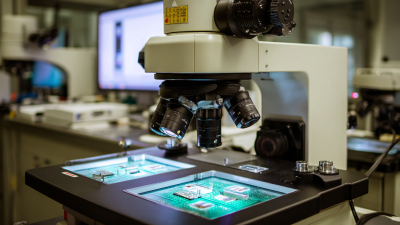
The technology behind solder paste inspection machines is advanced yet straightforward. They use high-resolution cameras to capture images of the solder paste deposits. Algorithms analyze these images to assess quality. A machine like the Solder Paste Inspection Machine Koh Young can pinpoint defects with remarkable accuracy. Operators can address issues immediately, enhancing overall production efficiency.
However, reliance on technology isn't foolproof. Operators must regularly calibrate machines and train staff to interpret results correctly.
Mistakes can still occur in manual processes or machine settings. This highlights the importance of ongoing training and updates in quality control measures. While machines like the Solder Paste Inspection Machine Koh Young streamline processes, human oversight remains crucial. Understanding these nuances can improve the overall quality of the manufacturing process.
Key Features of Solder Paste Inspection Machines
Solder paste inspection machines are essential for maintaining high quality in electronics manufacturing. They offer several key features that contribute to effective quality control. One notable aspect is their ability to detect defects in the solder paste application. This includes checking for insufficient or excessive solder paste. Such precision helps prevent costly errors in the assembly process, ensuring better product quality.
Another significant feature is the machine’s automatic inspection capabilities. These systems utilize advanced imaging technology to identify discrepancies quickly. They can analyze multiple dimensions, such as height and volume, which are critical for proper solder joint formation. This efficiency reduces the need for manual inspections, which can be time-consuming and prone to human error.
Despite their advantages, these machines require a skilled operator to set them up correctly. Misconfiguration can lead to inaccurate readings. Additionally, regular maintenance is essential to ensure optimal performance. If not managed properly, these machines may produce misleading results. Investing in training for operators helps mitigate these risks, paving the way for enhanced quality control in the manufacturing process.
Investment in Solder Paste Inspection Machines - Quality Control Metrics
Benefits of Investing in Solder Paste Inspection Technology
Investing in Solder Paste Inspection technology significantly enhances quality control in electronics manufacturing. Recent reports indicate that the failure rate of PCBs can exceed 10%, primarily due to issues related to solder paste application. Effective solder paste inspection can identify defects early, reducing rework costs by up to 30% and enhancing overall yield.
A study by IPC shows that manufacturers utilizing automated inspection processes can achieve a defect detection rate of over 90%. This reliability ensures that only high-quality boards proceed in the production line. Moreover, with the increasing complexity of electronic devices, manual inspection proves inefficient and error-prone.
Implementing advanced solder paste inspection systems can minimize human error and provide more consistent results, driving up production efficiency.
However, embracing this technology requires careful consideration. Not all inspection systems are created equal, and some may fail to detect specific defects. Companies need to stay informed and choose systems tailored to their specific needs. Training staff to effectively operate these machines is also essential for maximizing the benefits. This investment can be a turning point in enhancing product quality and decreasing potential recalls in the market.
Impact of Solder Paste Quality on PCB Performance
Solder paste quality directly affects the performance of printed circuit boards (PCBs). According to IPC's report, 30% of PCB failures are linked to solder defects. This is significant. Each failure can lead to increased costs and delays in production.
Inconsistent solder paste application can create voids in joints. These voids compromise electrical connections. Data shows that voids larger than 25% of a pad can lead to a 50% reduction in reliability. This is a concerning statistic for manufacturers prioritizing quality.
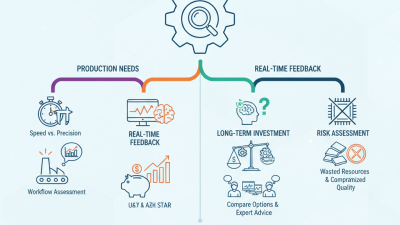
Implementing a solder paste inspection (SPI) machine can address these issues. Such machines can identify defects early. They provide real-time feedback, increasing production efficiency. Not investing in SPI technology could mean overlooking crucial quality control steps. A proactive approach to inspection can result in long-term savings and improved product reliability.
Why Invest in a Solder Paste Inspection Machine for Quality Control? - Impact of Solder Paste Quality on PCB Performance
| Quality Metric | Description | Impact on PCB Performance | Typical Range |
| Paste Volume | Amount of solder paste applied on each pad | Ensures proper solder joint formation | 0.15 - 0.25 mm³ |
| Print Thickness | Thickness of solder paste layer | Affects wetting and joint strength | 150 - 250 μm |
| Stencil Cleanliness | Accumulation of residue or contaminants | Prevents proper paste transfer and defects | ≥ 95% clean |
| Solder Sphere Size | Size of solder balls in paste | Influences solderability and printability | 20 - 40 μm |
| Moisture Content | Level of moisture in solder paste | Can lead to solder defects like spattering | ≤ 0.5% |
Cost Savings Associated with Solder Paste Inspection
Investing in a solder paste inspection machine can lead to significant cost savings. By ensuring accurate solder application, manufacturers reduce defects. Fewer defects mean fewer reworks and repairs, directly saving production costs. Additionally, an efficient Spi Solder Paste Inspection process minimizes material wastage. This not only preserves resources but also decreases the costs associated with excess inventory.
Quality control through solder paste inspection might appear costly upfront. However, the long-term benefits are often underestimated. With consistent inspection, the likelihood of product returns decreases. This results in improved customer satisfaction and brand reputation over time. Furthermore, having fewer production issues allows for quicker turnaround on projects. Companies can thus meet deadlines more reliably, enhancing overall efficiency.
Some might worry about the initial investment in inspection technology. The return on investment isn’t always immediate and requires careful planning. There can be challenges in integrating new systems into existing workflows. Proper training is essential to avoid operational hiccups. Despite these initial hurdles, the end rewards often outweigh the early difficulties. Emphasizing quality through SPI solder paste inspection leads to healthier profit margins and sustainable production practices.
Future Trends in Solder Paste Inspection Technology
The evolution of solder paste inspection (SPI) technology is essential for maintaining quality control in electronics manufacturing. Recent studies indicate that over 70% of defects in PCB assembly can be traced back to solder paste application issues. This highlights the critical role of SPI machines in identifying potential problems early in the production process.
Future trends are shifting towards automation and artificial intelligence. These advancements aim to boost accuracy and reduce cycle times. For instance, reports suggest that implementing AI in SPI can enhance defect detection rates by up to 50%. This innovation allows manufacturers to address quality concerns more proactively, resulting in higher end-product reliability.
Additionally, real-time data analytics is gaining prominence. By leveraging data from SPI processes, manufacturers can make informed decisions quickly. This trend contrasts with traditional quality checks, which often occur post-production. Companies can now adapt their processes dynamically, which can significantly enhance overall efficiency. However, the challenge remains in integrating these technologies seamlessly into existing workflows, ensuring adaptability without compromising quality.
Comprehensive Guide to the HMH-830 PCBA Coating Machine and System for Efficient Electronics Protection
The HMH-830 PCBA Coating Machine represents a significant advancement in the electronics manufacturing industry by providing an efficient solution for protecting circuit boards. With its state-of-the-art system, it successfully incorporates a three-axis motion mechanism—X, Y, and Z axes—that enhances the precision of the selective spraying process. This is crucial for managing the intricate layouts of modern circuit boards, ensuring that each board receives the exact coating it requires while skillfully avoiding sensitive areas like connectors.
What sets the HMH-830 apart is its ability to accurately control the spray application across diverse circuit board designs. The precision of the three-axis motion eliminates the risk of over-spraying, thus protecting critical components from unwanted coating. This meticulous approach not only enhances the durability and reliability of electronic devices but also streamlines the production process, leading to increased efficiency and reduced material waste. As the demand for robust electronic protection continues to rise, the HMH-830 emerges as an essential tool for manufacturers striving for excellence in their production lines.
FAQS
: They ensure solder paste application meets quality standards to prevent defects in PCB assemblies.
They use high-resolution cameras and algorithms to capture and assess images of solder paste deposits.
No, they may miss some issues. Human oversight and regular calibration are still important.
Misconfiguration can lead to inaccurate readings and potential production mistakes.
Regular training helps operators interpret results correctly and manage machines effectively.
Automatic inspection capabilities and advanced imaging technology help quickly identify discrepancies in solder paste.
Yes, although machines reduce the need for them, manual checks can catch errors that machines might miss.
Poor maintenance can lead to misleading results, affecting the overall quality of the manufacturing process.
Operators need to manage and interpret machine results effectively to enhance production efficiency.
They can identify insufficient or excessive solder paste, which affects product quality.
Conclusion
The article "Why Invest in a Solder Paste Inspection Machine for Quality Control?" emphasizes the critical role of quality control in electronics manufacturing, particularly in ensuring the optimal performance of printed circuit boards (PCBs). Solder Paste Inspection Machines are essential tools that help detect defects in solder paste application, which can significantly impact the reliability and functionality of electronic devices.
The overview highlights the advanced features of these machines, including high precision and real-time monitoring capabilities. Investing in solder paste inspection technology not only enhances product quality but also leads to substantial cost savings by minimizing errors and reducing rework. As the industry progresses, the integration of innovative technologies in solder paste inspection will continue to reshape quality assurance practices, making these machines indispensable for manufacturers aiming for excellence in their production processes.