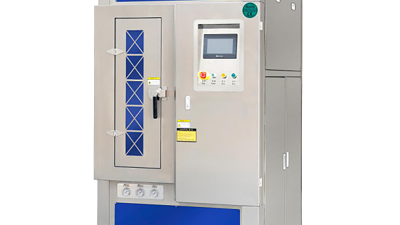
Hey there! Let’s chat a bit about surface mount technology, or SMT for short. You know, in this fast-paced world of tech, manufacturers really need to step up their game to stay ahead of the competition. Recent industry reports have shown that when solder paste isn't applied properly, it can mess up more than 30% of printed circuit boards—yikes! That kind of error can really blow up production costs and lead times. This just goes to show how vital Solder Paste Inspection Machines are when it comes to quality control.
Now, Morel Equipments Co., Limited has been in the SMT game for over 15 years, and we’ve come a long way from just being a supplier of parts. We're now a full-on solution provider. We've got everything from super advanced Pick And Place Machines to automatic soldering robots and specialized solder paste tools. Our goal? To help manufacturers boost precision, cut down on waste, and ultimately amp up their efficiency. In this blog, we’ll dive into some of the best strategies for making the most out of Solder Paste Inspection Machines, helping businesses hit their operational targets with much more reliability.
Understanding the Role of Solder Paste Inspection Machines in PCB Production
You know, solder paste inspection machines are super important when it comes to making printed circuit boards (PCBs). They make sure that the solder paste is applied just right. In the busy world of electronics manufacturing, getting that solder paste application spot on is crucial because it directly affects how well the final product works and holds up over time. These machines use some pretty advanced imaging tech to spot any issues, like not enough or too much paste being applied, which can cause major headaches during soldering. By catching these problems early in the production process, manufacturers can dodge a lot of potential failures and keep their assemblies top-notch.
But there's more to it than just quality control! These solder paste inspection machines also help boost efficiency by cutting down on rework and scrap rates. When operators can see problems as they happen, they can jump on fixing them right away, which really smooths out the production flow. This proactive way of working not only saves time but also helps keep costs down, making it a smart investment for PCB makers. Plus, the data that comes from these inspections can give valuable insights into trends and recurring issues. This means companies can continuously improve their processes and stay ahead in the game.
Key Benefits of Implementing Solder Paste Inspection in Manufacturing
You know, in today’s crazy fast-paced manufacturing world, making sure we’ve got solder paste inspection systems in place is super important if we want to boost our efficiency and product quality. Some recent reports from the industry are saying that the global market for inspection equipment in electronics is really gearing up for some serious growth. Why? Well, it’s mostly because electronic assemblies have gotten a lot more complex. When we implement solder paste inspection, we’re not just cutting down on defects; we’re also making the whole production process smoother. It gives us the chance to get real-time feedback for quick adjustments, and believe it or not, this can slash rework costs by as much as 30%! Pretty impressive, right?
But the perks of using these solder paste inspection machines go way beyond just keeping an eye on quality. They actually help manufacturers crank up their processes and increase throughput. Some analyses have shown that companies using these systems have seen their overall equipment efficiency (OEE) jump by up to 20%! How does that happen? Well, it’s mainly because a lot of those inspection tasks that used to need manual oversight are now automated. This frees up staff to zero in on the trickier parts of production. By hopping on the tech train and adopting these advanced machines, manufacturers can nail down better reliability and performance, giving them a nice edge in this rapidly changing electronics market.
Top Strategies for Maximizing Efficiency with Solder Paste Inspection Machines
| Strategy | Description | Key Benefits | Implementation Challenges |
| Regular Calibration | Ensure the solder paste inspection machine is calibrated frequently to maintain precision. | Increased accuracy in inspections, reduced waste. | Time required for setup and adjustment. |
| Training Staff | Provide comprehensive training to personnel operating solder paste inspection systems. | Enhanced operator efficiency, reduced error rates. | Initial investment in training programs. |
| Data Analysis | Utilize collected data to analyze trends in solder paste application and defect rates. | Informed decision-making, improved manufacturing processes. | Need for skilled analysts and software tools. |
| Integration with Manufacturing Systems | Integrate inspection machines with overall manufacturing ERP systems for real-time data sharing. | Streamlined operations, quick response to defects. | Potential compatibility issues with existing systems. |
| Regular Maintenance | Conduct routine maintenance on solder paste inspection machines to prevent downtime. | Consistent operational reliability, reduced long-term costs. | Need for scheduled downtime in production. |
Enhancing Quality Control: How Inspection Machines Reduce Defects
You know, solder paste inspection (SPI) machines are super important when it comes to quality control in electronics manufacturing. These machines really help cut down on defects by making sure solder paste is applied just right. In fact, the IPC estimates that about 30% of defects in PCB assembly come from improper solder paste application! So when manufacturers use SPI technology, they can catch problems like not enough or too much solder paste earlier on in the production process. This means fewer defects and way more reliable products overall.
A recent report from TechClarity shows that companies using these SPI machines can save up to 50% on rework costs tied to solder defects. Pretty impressive, right? This just goes to show how vital it is to invest in advanced inspection tech—it's not just about spotting issues but also about getting useful data for ongoing improvements. Plus, as electronic assemblies get more complex, having SPI integrated into the production line helps keep up with strict industry standards, which in turn builds consumer trust and satisfaction with the final products.
Top Strategies for Maximizing Efficiency with Solder Paste Inspection Machines
This chart illustrates the key metrics related to solder paste inspection machines, showcasing their effectiveness in reducing defect rates, enhancing quality control, achieving efficiency gains, and improving user satisfaction.
Cost Savings and Efficiency Gains from Solder Paste Inspection Technology
You know, the whole introduction of solder paste inspection (SPI) technology has really changed the game in the electronics manufacturing world. With all these fancy algorithms and high-res imaging, SPI machines make sure that solder paste gets applied just right, every single time. This helps cut down on defects that can lead to pricey rework. I mean, that kind of precision not only boosts product quality but also translates into real cost savings because manufacturers can reduce scrap and ramp up their yield rates. So, basically, investing in solder paste inspection tech can give companies a quick return on investment by slashing those operational costs.
And let’s not forget about the efficiency boost it brings to production workflows! Spotting soldering issues early means teams can jump in before things start to go sideways, which helps avoid those annoying production stalls or delays on the assembly line. It’s really all about being proactive, right? By tackling challenges head-on, manufacturers can keep that production flow steady. The result? Not only do they ramp up their throughput, but they also make their customers happier by delivering high-quality products right on time. So, by taking advantage of solder paste inspection technology, companies set themselves up to succeed in a competitive market, ensuring they're around for the long haul and making a profit while at it.
Integrating Solder Paste Inspection with Your Existing Production Line
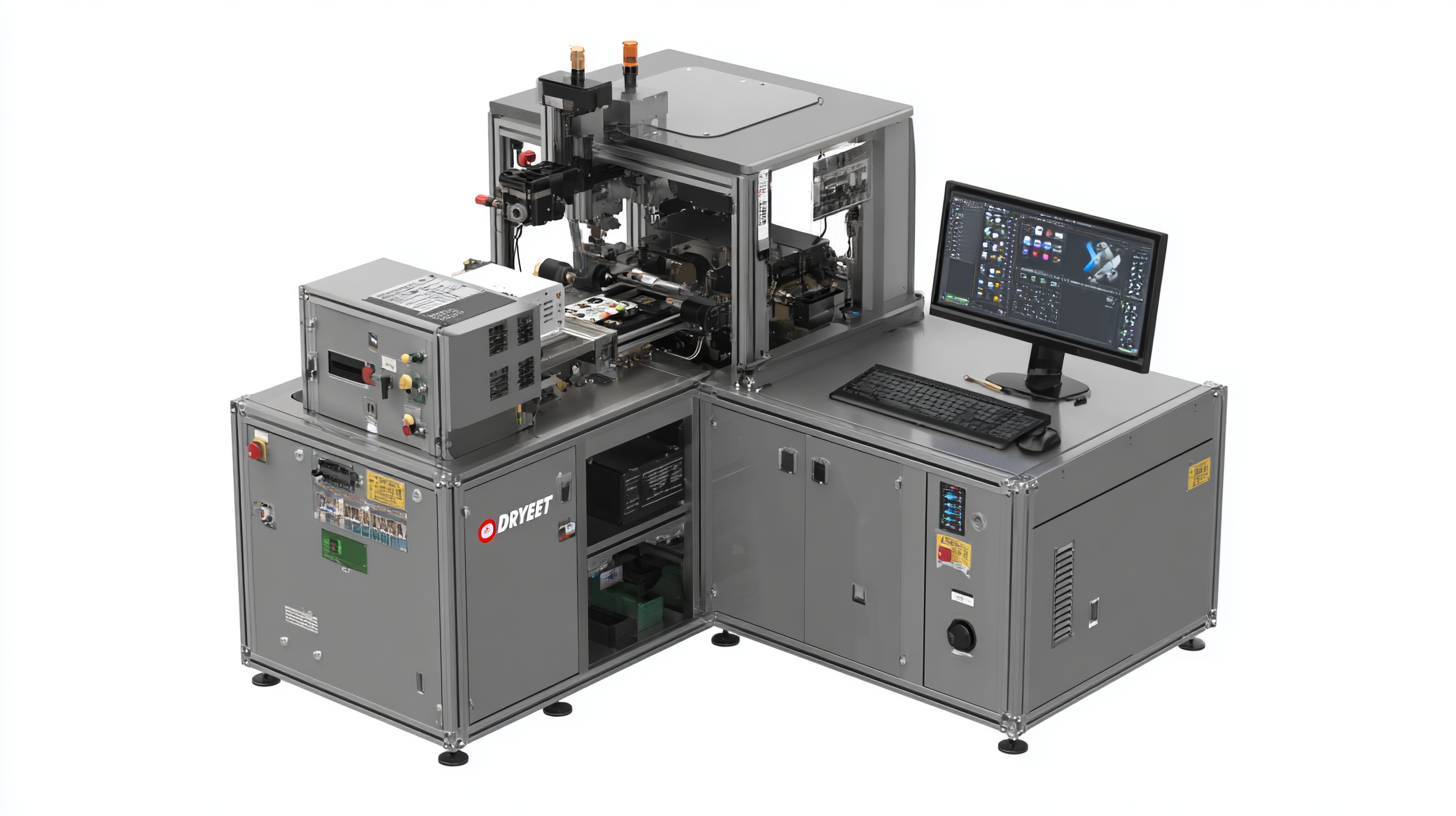
If you're looking to really amp up the efficiency of your surface mount technology (SMT) production line, then you’ve got to think about bringing in solder paste inspection (SPI) machines. Trust me, it’s a game changer! Morel Equipments Co., Limited has been around for over 15 years, and we totally get how important it is to integrate these machines smoothly into what you already have. When you do, you'll notice a big boost in quality and workflow.
By adding SPI into your setup, you’ll catch any issues with solder paste application right from the get-go. This means fewer defects and way less rework, which is always a win! And let’s face it, who likes downtime? With SPI, not only will you keep things running smoothly, but you’ll also ramp up your production speed.
At Morel, we’ve got a whole lineup of equipment, including some top-notch solder paste inspection machines that can easily link up with your pick and place systems. This combo keeps everything flowing nicely, giving you real-time updates on how your solder paste is doing. We’ve designed our solutions to be flexible and scalable, so you can easily adapt to whatever changes come your way while still keeping things running like a well-oiled machine. By focusing on integration and tapping into our know-how, your business can reach new heights in quality and productivity!
Future Trends in Solder Paste Inspection: Innovations and Improvements
You know, the future of solder paste inspection is looking pretty bright! I mean, with all the cool innovations and advancements popping up in the industry, it’s hard not to feel optimistic. As electronics get more complex, manufacturers are really on the hunt for smarter ways to keep their production processes top-notch. Nowadays, these high-tech solder paste inspection machines are getting fancy—think artificial intelligence and machine learning jammed into them to boost accuracy and cut down on mistakes. It’s pretty wild how these new technologies could amp up the efficiency on assembly lines, helping manufacturers stay ahead of the game.
Looking at the inspection equipment market, the growth prospects seem really strong, mainly because everyone’s pushing for super precise quality control in the electronics sector. With automation becoming more of a norm, loads of companies are jumping in and investing in advanced inspection systems that provide real-time insights and feedback—pretty awesome, right? Not only does this trend streamline the production process, but it also leads to some serious cost savings. As the market keeps changing, the businesses that embrace these innovations are likely to find themselves leading the pack, ready to tackle any challenges that come their way and grab new opportunities as they arise.
Enhancing PCB Manufacturing Efficiency with the Automatic SMT Stencil Cleaning Machine BMP-1000X
The Automatic SMT Stencil Cleaning Machine BMP-1000X stands out as a cutting-edge solution for enhancing PCB manufacturing efficiency. One of its key features is the integrated liquid level sensor overflow alarm in the cleaning tank, original tank, and spray tank, ensuring that operations run smoothly without the risk of spills. Additionally, the innovative photoelectric sensor protection on the front door guarantees safety during cleaning processes. If the front door is opened unexpectedly, the cleaning operation is halted, preventing any potential liquid or water leakage.
The BMP-1000X also excels in monitoring capabilities. With PLC monitoring systems in place for the air source, DI water inlet, and heating system, manufacturers can experience double layers of protection against failures that could potentially harm the equipment. The use of high-quality imported parts and reputable brands such as Ingersoll Rand pumps and Panasonic PLC ensures not only durability but also reliable performance in high-demand environments. Furthermore, the machine's unique cleaning mechanism utilizes an upward and downward throwing motion on an imported guide rail, improving cleaning efficiency and optimizing the overall production workflow in PCB manufacturing.
FAQS
: Solder paste inspection (SPI) is a technology used to ensure that solder paste is applied correctly during the electronics manufacturing process. It is important because it reduces defects, streamlines production, and provides immediate feedback for adjustments, leading to improved product quality and efficiency.
Implementing SPI technology significantly reduces defect rates by detecting issues such as insufficient or excessive solder paste early in the production process. This proactive approach can lead to a reduction of up to 50% in rework costs associated with solder defects.
Manufacturers using SPI technology can experience up to a 20% increase in overall equipment efficiency (OEE) due to the automation of inspection tasks. This allows personnel to focus on more complex production aspects, enhancing throughput and production workflows.
SPI contributes to cost savings by minimizing scrap and boosting yield rates. By ensuring accurate application of solder paste, manufacturers can reduce the likelihood of defects that lead to costly rework, providing a quick return on investment through lower operational costs.
Yes, integrating SPI into the production line ensures compliance with stringent industry standards. This helps manufacturers maintain high-quality output and fosters consumer trust and satisfaction in their products.
By leveraging SPI technology to deliver high-quality products on time, manufacturers can improve overall customer satisfaction. The early detection of soldering issues allows for timely interventions that prevent production delays, leading to better service delivery to customers.
SPI technology allows for early detection of soldering issues, enabling proactive interventions that help maintain a steady production flow. This capability prevents production halts or delays, ultimately enhancing efficiency in manufacturing workflows.
The competitive advantages include improved product quality, reduced rework costs, enhanced efficiency, and compliance with industry standards. These factors position manufacturers to thrive in a rapidly evolving electronics market and ensure long-term sustainability and profitability.