In today's fast-moving world of manufacturing, staying efficient isn’t just a bonus — it’s pretty much essential. Have you heard of the Radial Insertion Machine? It’s honestly a game-changer when it comes to optimizing production lines. Dr. John Smith from Precision Technologies even points out, "The Radial Insertion Machine totally transforms how we handle complex assembly tasks." Basically, this machine makes it quicker and more precise to insert components, which really helps smooth out the whole workflow.
Nowadays, staying competitive means embracing new tech solutions like this. Using a Radial Insertion Machine can really cut down on costs and cut back errors — it’s a win, right? Of course, it’s not all smooth sailing. Getting comfortable with new equipment takes some time and training. Sometimes folks get tripped up by the programming side of things, which can slow things down temporarily.
But honestly, those initial hurdles are worth it. When you get the hang of it, this machine can make your processes a lot more efficient and boost productivity in a big way. As the industry keeps evolving, being open to these kinds of innovations and constantly learning will be key to staying ahead of the game.
Overview of Radial Insertion Machines in Manufacturing
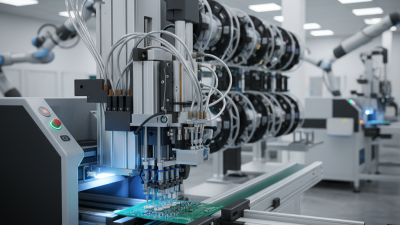
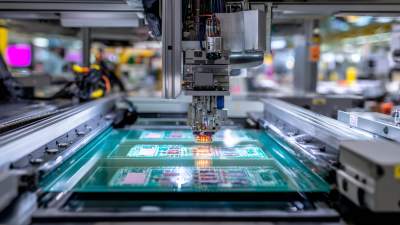
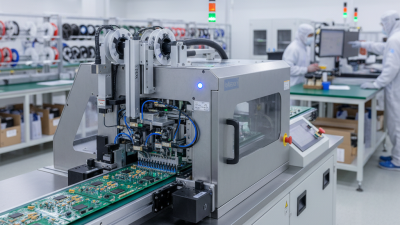
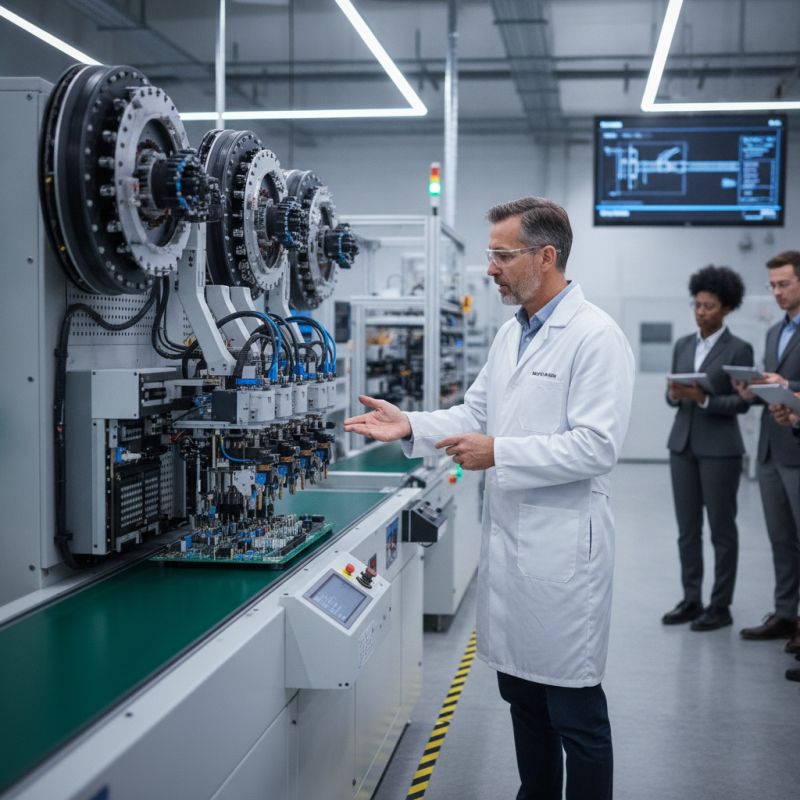
In today's manufacturing landscape, Radial Insertion Machines play a vital role in optimizing assembly processes. These machines are designed to insert components radially into a given assembly with precision. Their efficiency reduces production time significantly. Manufacturers are increasingly adopting this technology to meet rising demands while ensuring high quality.
The operation of a Radial Insertion Machine involves intricate mechanics. Components are positioned carefully, allowing for accurate insertion. This method enhances consistency in production, which is essential in industries like electronics. However, some machines may struggle with certain materials, highlighting the need for ongoing technological improvement. Regular maintenance is crucial to avoid machine downtime.
Moreover, while Radial Insertion Machines offer remarkable benefits, they can also pose challenges. For example, initial setup can be complex, requiring experienced operators. It's essential for companies to weigh the costs against potential output improvements. This reflection is important for sustainable operations, as not every solution fits all manufacturing scenarios. Adaptability and thoughtful implementation are key to leveraging the advantages of Radial Insertion effectively.
Key Features of Top Radial Insertion Machines
In the world of manufacturing, radial insertion machines play a pivotal role. These machines enhance efficiency and accuracy in production lines. When investing in such equipment, it is vital to consider key features that define their effectiveness.
One significant feature is automation. Many modern radial insertion machines offer automated processes. This reduces human error and speeds up production. Simplified programming interfaces also allow operators to set up the machines swiftly. The ability to handle different components is another attractive aspect. Flexibility in design ensures that a machine can accommodate various sizes and shapes.
Tips for choosing the right machine include assessing production needs carefully. Look for machines that offer easy maintenance. This aspect saves time and avoids costly downtime. It's also essential to evaluate the level of support provided by manufacturers. Reliable customer service can be a lifesaver in emergencies. A machine's durability should not be overlooked either. Investing in a robust machine can yield long-term benefits.
Always remember that while advanced features are beneficial, they also come with complexity. Operators may need additional training to maximize efficiency. Striking a balance between features and ease of use is crucial. Regularly review the machine's performance to identify areas for improvement. This proactive approach helps in refining operations and ensuring sustained productivity.
Benefits of Using Radial Insertion Machines for Efficiency
Radial insertion machines are transforming the manufacturing landscape. Their design allows for swift and accurate component insertion, making them vital for efficiency. These machines excel in high-volume production environments, reducing cycle times and labor costs. With automation, manufacturers can achieve consistency, decreasing the chance of human error.
Incorporating an Auto Insertion Machine can enhance production setup. The synchronization of components ensures faster processing. However, businesses must consider the initial investment and maintenance. Not every facility is ready for such technology. Evaluating the production line is crucial before implementation.
The adaptability of radial insertion machines also presents challenges. They may require ongoing training for operators to maximize efficiency. Companies must be open to feedback and adjustments. This willingness to adapt can significantly improve outcomes. Ultimately, these machines offer substantial benefits but highlight the need for careful planning and execution.
Comparison of Leading Brands and Models in the Market
In today's competitive manufacturing landscape, choosing the right radial insertion machine is crucial. Efficiency and accuracy directly impact productivity metrics. Recent industry reports indicate that machines with advanced automation capabilities can boost production rates by 30%. This efficiency is essential in high-demand sectors, where minimizing downtime is key.
When comparing models, look for machines that offer easy integration with existing systems. Some models allow for seamless transition between radial and axial insertion processes. This flexibility can save time and reduce the need for multiple machines. A careful analysis of user experience reviews highlights that maintenance ease is as important as initial cost. Regular upkeep can extend machine lifespan and improve operational reliability.
Tips for selection: Focus on models with robust customer support. A dependable service network is vital for addressing unexpected issues. Checking warranty terms can also reveal the manufacturer’s confidence in their product. Lastly, evaluate energy consumption rates; energy-efficient machines can lead to significant cost savings over time. Optimal choices should balance performance with long-term operational expenses, reflecting both present needs and future growth in manufacturing capabilities.
Comparison of Radial Insertion Machines Performance
Innovations and Technological Advancements in Radial Insertion
The landscape of manufacturing is rapidly changing with technological advancements in radial insertion. Recent reports indicate that the global market for Automatic Insertion Machines is expected to grow by 12% annually. This rise in demand reflects a need for enhanced efficiency and precision in production lines. Key innovations are shaping this field, such as smarter robotics and real-time monitoring systems. These systems enhance accuracy while minimizing waste during the insertion process.
Innovative features like predictive maintenance are proving to be valuable. Data suggests that companies implementing these technologies experience a 20% reduction in downtime. The integration of AI allows automated systems to learn from previous operations, thereby improving overall performance. However, these advancements also bring challenges. Organizations must adapt to new training procedures for staff. Some may resist adjusting to advanced technology, impacting productivity. Balancing innovation with workforce adaptation is crucial.
Investing in Automatic Insertion Machines is promising, but it requires thoughtful reflection. It should be clear that just having advanced machinery is not enough. Manufacturers need to ensure that their teams are equipped with proper knowledge and skills. This multifaceted approach will be vital for truly realizing efficiency and quality in manufacturing processes.
Top Radial Insertion Machine for Efficient Manufacturing Solutions - Innovations and Technological Advancements in Radial Insertion
| Feature | Value | Advantage |
| Insertion Speed | 300 Radials/min | Increased productivity |
| Accuracy | ±0.02 mm | Reduces waste and quality control issues |
| Automation Level | Fully automated | Lower labor costs and consistent performance |
| Energy Efficiency | 20% less energy consumption | Cost savings on energy bills |
| Maintenance | Low maintenance requirement | Reduced downtime |
Applications of Radial Insertion Machines Across Industries
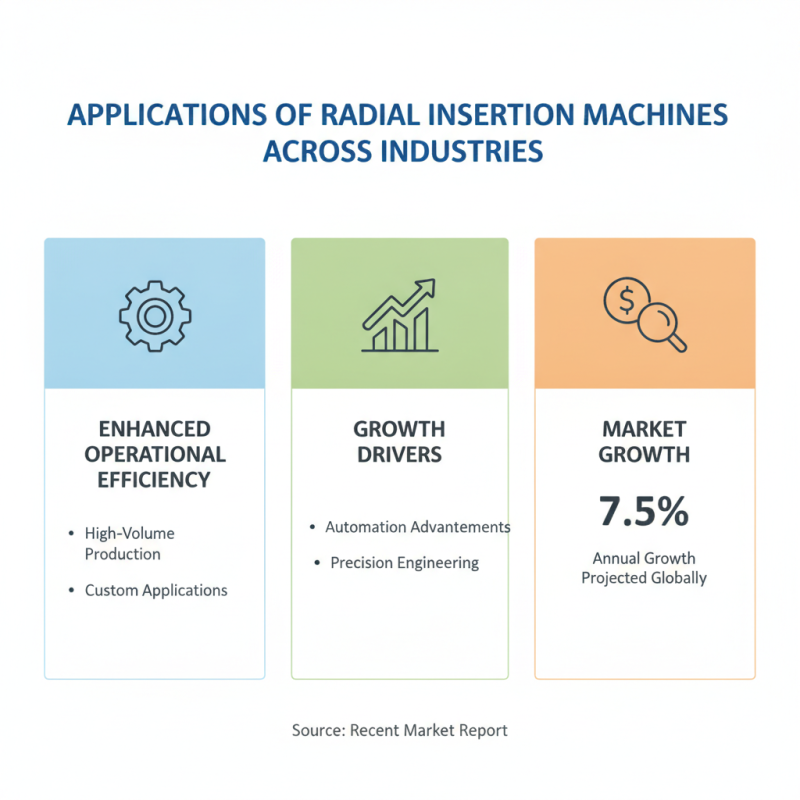
Radial insertion machines are transforming various industries by enhancing operational efficiency. Many manufacturers are adopting this technology for both high-volume production and custom applications. According to a recent market report, the global demand for these machines is projected to grow by 7.5% annually, driven by advancements in automation and precision engineering.
Applications span across sectors like automotive, electronics, and consumer goods. In the automotive industry, radial insertion machines streamline the assembly of components, reducing errors and labor costs. For electronics, they ensure accurate placement of delicate components, which is crucial for device reliability. The overall efficiency gains can lead to a 20% reduction in production time.
**Tips:** Regular maintenance is essential for optimal performance. Ensure that the machine is calibrated correctly to avoid costly production errors. Training operators on best practices can significantly improve workflow. Adapting technology for diverse applications requires thoughtful consideration and sometimes reevaluation. Not every machine suits every task; understanding specific needs can make a big difference.
Maintenance and Best Practices for Long-lasting Performance
In the realm of manufacturing, maintaining equipment is vital. Regular maintenance of radial insertion machines significantly boosts their lifespan. According to a recent report from the Manufacturing Technology Association, proper upkeep can extend a machine's operational life by 25%. This is critical for maximizing productivity and minimizing downtime.
Implementing a routine maintenance schedule is key. Involving periodic checks and part replacements ensures that machines function optimally. Observations suggest that many manufacturers neglect this aspect, leading to avoidable failures. For instance, real-time data helps identify wear patterns. Ignoring these signs can lead to major breakdowns, which can be costly.
Furthermore, staff training on best practices enhances efficiency. Data from the Industry Standards Institute highlights that well-trained operators can increase machine output by 30%. Operators should be equipped to recognize issues early on. Investing in training pays off by reducing maintenance costs. Continuous improvement and learning should not be overlooked. These considerations can make a difference in operational success.
FAQS
: These machines enhance efficiency in various industries, including automotive and electronics.
The market is projected to grow by 12% annually.
They improve accuracy and minimize waste during the insertion process.
Staff may resist adapting to advanced technology, which can affect productivity.
It can reduce downtime by up to 20%.
Proper knowledge and skills are necessary to maximize efficiency and quality.
Regular calibration is essential to prevent costly errors.
No, each machine needs to match specific application requirements for best results.
Training can enhance overall efficiency and reduce mistakes during operation.
Just having advanced machinery is not enough; team readiness is critical too.
Conclusion
Radial Insertion Machines play a crucial role in modern manufacturing, offering efficient solutions for various assembly processes. These machines are designed to enhance productivity through their key features, such as precision insertion capabilities, automated operation, and adaptability to different component sizes. By utilizing radial insertion technology, manufacturers can achieve consistent quality and faster production rates, ultimately improving overall operational efficiency.
The market for Radial Insertion Machines is continually evolving, with innovations and technological advancements driving their capabilities further. These machines find applications across diverse industries, making them integral to various production lines. To ensure the longevity and optimal performance of Radial Insertion Machines, regular maintenance and adherence to best practices are essential. This combination of efficiency, versatility, and reliability makes them a vital investment for manufacturers aiming to stay competitive in today’s fast-paced industrial environment.