Picking the right Solder Paste Inspection Machine is pretty important if you're serious about quality. These machines really help speed up production by catching any issues with solder paste application early on. But honestly, choosing the perfect one can feel a bit overwhelming because there are so many models out there, each with different features, which can make decision-making tricky.
Start by thinking about what your production line actually needs. Are you prioritizing speed, or is precision more your thing? It’s also a good idea to look for machines that give you real-time feedback—being able to see what's happening on the fly can really help you make smarter decisions during manufacturing. Plus, take a moment to review your current workflow; pinpoint where improvements are needed.
Don’t forget to consider the bigger picture, especially the long-term investment. Sometimes, paying a bit more upfront for a higher-quality machine can save you money down the line. It’s definitely worth comparing different options and maybe even chatting with some experts before making a call. Take your time—rushing could lead to choosing the wrong equipment, which might end up wasting resources and even hurting your product’s quality. Better to think it over and choose wisely than to rush into something that doesn’t quite fit.

Understanding the Importance of Solder Paste Inspection Machines
Solder Paste Inspection Machines play a critical role in maintaining quality in electronics manufacturing. According to industry reports, up to 80% of defects in PCB assembly can be traced back to solder paste application issues. This emphasizes the need for effective inspection methods. A proper inspection machine can identify inconsistencies, ensuring a higher yield and reducing rework.
In choosing the right inspection system, consider accuracy and speed. For instance, a 3d Solder Paste Inspection Machine provides detailed surface analysis. This technology allows manufacturers to detect issues that 2D systems might miss. Furthermore, the inspection process should integrate seamlessly into the production line. Delays can lead to bottlenecks and increased costs. Many companies struggle to find a balance between thorough inspections and workflow efficiency.
Moreover, don't overlook the importance of calibration and maintenance. Machines need regular checks to perform optimally. Even slight misalignments can lead to flawed inspections. Keeping an eye on the latest trends and technology advancements is essential. The industry is evolving, and machines must keep pace to ensure product reliability.
Key Features to Look for in Solder Paste Inspection Equipment
When selecting a solder paste inspection machine, understanding key features is crucial. Precision is paramount. Machines should offer high-resolution imaging for accurate defect detection. According to a report by IPC, around 30% of solder defects can be undetected, leading to costly rework and failures. High-resolution capabilities can catch these issues early.
Speed is another critical factor. Modern machines can inspect solder paste deposits in real-time, enhancing productivity. The right system should process up to 30 boards per hour without sacrificing accuracy. This pace is essential for keeping production lines running smoothly. However, some systems may struggle with speed during complex inspections, highlighting a need for ongoing evaluation.
Consider user interface and ease of operation. A complex machine can slow down the learning curve, impacting overall efficiency. Reports indicate that 25% of operators find their systems difficult to navigate, which can lead to improper inspections. A user-friendly design fosters better training and quicker adaptation. It's essential to balance automation with usability to ensure both speed and quality in solder paste inspection.
Types of Solder Paste Inspection Technologies Available
When selecting a solder paste inspection machine, understanding the different types of inspection technologies is crucial. Common methods include Automated Optical Inspection (AOI), X-ray inspection, and 3d Solder Paste Inspection. Each technology has its advantages and limitations. AOI is known for high-speed inspections and visual accuracy. However, it can miss defect types that require deeper analysis.
X-ray inspection provides insights into hidden defects. It's effective for checking solder joint integrity. Yet, this method often involves higher costs and complexity in operation. The 3D Solder Paste Inspection Machine Koh Young utilizes innovative 3D measurement techniques. This technology ensures a detailed evaluation of paste volume and height, which enhances quality control.
Industry data shows that around 30% of production defects stem from poor solder paste application. Ignoring these inspections can lead to severe product failures. Furthermore, some manufacturers might overlook the need for periodic updates in their inspection methods. This oversight could hinder the overall quality assurance process. Understanding the strengths and weaknesses of each technology is essential for optimal production outcomes.
Factors Influencing the Performance of Inspection Machines
When selecting a solder paste inspection machine, several factors impact performance. One crucial aspect is the resolution of the imaging system. A machine with high resolution captures finer details of the solder paste. This ensures accurate assessments of paste volume and placement. Inspectors often notice that lower resolution may miss defects, leading to potential assembly issues.
Another important factor is the speed of the inspection process. A faster machine can improve production efficiency, but this should not compromise accuracy. Sometimes, machines that rush may overlook critical defects. Balancing speed and thoroughness is vital for quality results.
User interface and ease of operation are also significant. A complicated machine can lead to operator errors. Training time increases with complexity. Machines that simplify the user experience can enhance workflow. However, simplicity should not sacrifice essential features. Striking the right balance can be challenging. Overall, understanding these factors can lead to better machine choices.
Factors Influencing the Performance of Solder Paste Inspection Machines
Cost Considerations When Selecting a Solder Paste Inspection Machine
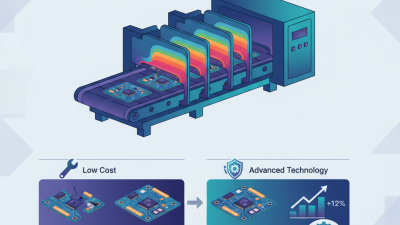
Choosing the right Solder Paste Inspection machine can be challenging. Cost is often a primary concern, yet it's essential to balance it with quality. Investing too little may save money upfront, but it can lead to higher costs later. A machine that fails may result in defects, impacting production. Think carefully about your budget.
When evaluating costs, also consider the long-term savings. A more efficient solder paste inspection machine could reduce waste. It might save you time in the assembly process. Maintenance costs are another crucial factor. Some machines may have low initial prices but expensive upkeep.
In your search, take into account the specific features you need. Focus on automation levels, software capabilities, and user-friendliness. Remember, the right machine should enhance your workflow rather than complicate it.
Tip: Conduct a detailed cost-benefit analysis before committing. This helps in understanding what you truly need. Another tip: consult with experts in the field for reliable input. They can provide insights on the hidden costs in solder paste inspection processes.
Essential Tips for Choosing a Solder Paste Inspection Machine - Cost Considerations When Selecting a Solder Paste Inspection Machine
| Feature | Importance Level | Cost Impact | Typical Range ($) |
| Inspection Accuracy | High | High | 10,000 - 50,000 |
| Speed of Inspection | Medium | Medium | 5,000 - 30,000 |
| User-Friendly Interface | Medium | Low | 2,000 - 10,000 |
| Maintenance Requirements | High | Medium | 3,000 - 15,000 |
| Compatibility with Different Solder Pastes | High | Medium | 4,000 - 20,000 |
| Technical Support | Medium | Low | 1,000 - 5,000 |
Integration of Inspection Machines with Production Lines
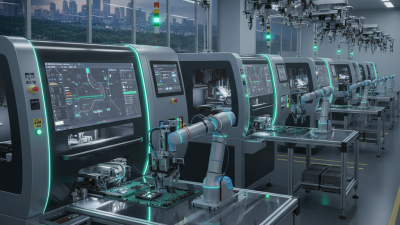
When selecting a solder paste inspection machine, integration with existing production lines is crucial. It’s not just about accuracy; it’s about seamless workflow. Machines should fit into current setups without major modifications. This can save time and reduce costs. Employees should be able to operate the machine easily. Complicated interfaces often lead to frustration and less effective use.
A good Spi Solder Paste Inspection system provides real-time feedback. This allows for immediate adjustments. However, some machines may require additional training for staff. This can slow down production initially. It's essential to weigh the benefits against possible downtime. Connectivity options shouldn’t be overlooked. Machines need to communicate with other systems efficiently. A delay in data sharing can create bottlenecks.
Consider the physical space as well. Some inspection machines are larger than anticipated. They may disrupt the flow of materials on the production line. Review layout plans thoroughly before installation. This ensures a smoother integration process. Balancing efficiency and practicality is key to optimizing productivity.
Maintenance and Support for Solder Paste Inspection Equipment
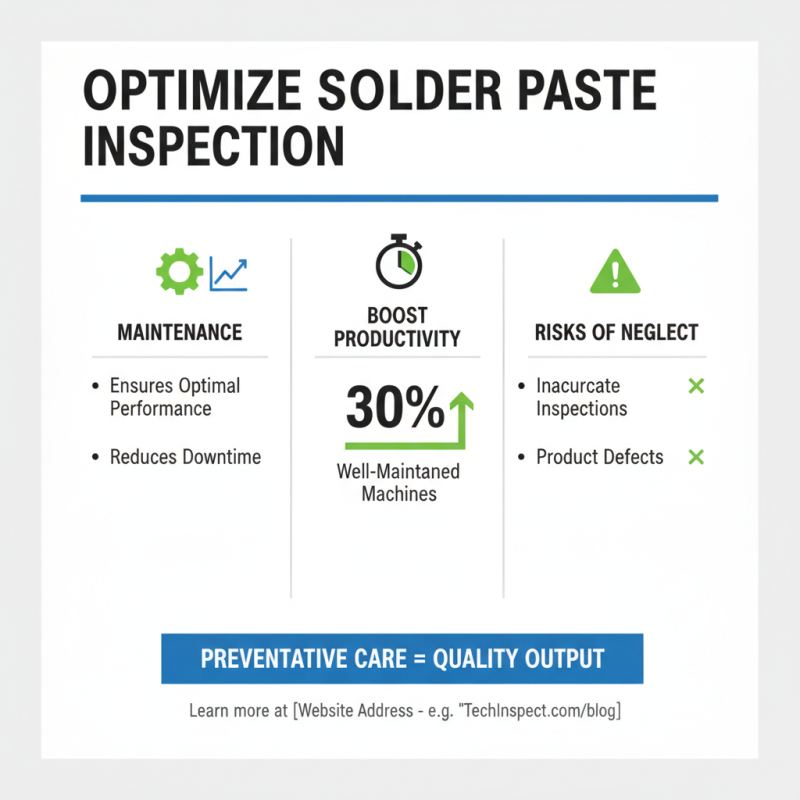
Maintenance and support for solder paste inspection equipment are crucial. Regular upkeep ensures optimal performance and reduces downtime. According to recent studies, well-maintained machines can increase productivity by up to 30%. Yet, many facilities underestimate the importance of preventive maintenance. A neglected machine may lead to inaccurate inspections and product defects.
Training staff to perform routine checks is essential. Staff should be familiar with cleaning procedures and calibration practices. Many companies report that operators lack proper training. This gap can lead to mishandling equipment, causing costly repairs. The cost of maintenance is often lower than the price of production errors. Investing in employee education pays off.
Moreover, manufacturers should consider warranty and support options. Having access to reliable technical support can save time. A quick resolution to issues minimizes production delays. Survey data shows that companies with strong support networks report higher satisfaction levels. Focus on creating a robust maintenance schedule. It's not just maintenance; it’s about ensuring quality standards are met. Reflecting on past performance can help shape better policies.
FAQS
: Regular exercise improves physical and mental health. It boosts mood and also helps with weight management.
Set clear goals. Mix up your routine. Find a workout buddy to keep you accountable.
A light snack with carbs and protein works well before. After, focus on replenishing with balanced meals.
Aim for at least 150 minutes of moderate activity. Adjust based on your fitness level and lifestyle.
Yes, post-workout soreness can happen. It indicates your muscles are adapting. However, listen to your body.
Don’t stress about it. Reflect on your routine and find ways to fit in physical activity later.
Light workouts can energize you. However, if you're very fatigued, rest might be the better choice.
Choose activities you like. Listen to music or podcasts to keep things fun and engaging.
Changes can take time. Reflect on your effort and consistency. Adjust your expectations if needed.
Yes, overexercising can lead to burnout and injury. Balance is key; rest days are important for recovery.
Conclusion
Choosing the right Solder Paste Inspection Machine is crucial for ensuring high-quality manufacturing in electronics. Understanding the importance of these machines involves recognizing their role in identifying defects in solder paste application, which can significantly affect the reliability of the final product. Key features to consider include accuracy, speed, and the types of technologies employed, such as 2D or 3D inspection capabilities.
Additionally, several factors can influence the performance of solder paste inspection machines, including their integration with existing production lines and the cost-effectiveness of the investment. Lastly, ongoing maintenance and support are vital to keep these machines running optimally, ensuring they contribute to efficient production workflows. By carefully assessing these aspects, manufacturers can select the most suitable solder paste inspection machine to enhance their quality control processes.