When you’re putting together printed circuit boards, or PCBs, one of the most important factors for getting good, reliable solder joints is picking the right Bga Reflow Station. As more folks look for faster, dependable ways to assemble PCBs, it’s really helpful to understand what features and functions these reflow stations offer. Basically, a good BGA Reflow Station makes sure the solder paste melts just right and sticks properly — which is super important for how well your devices work and how long they last.
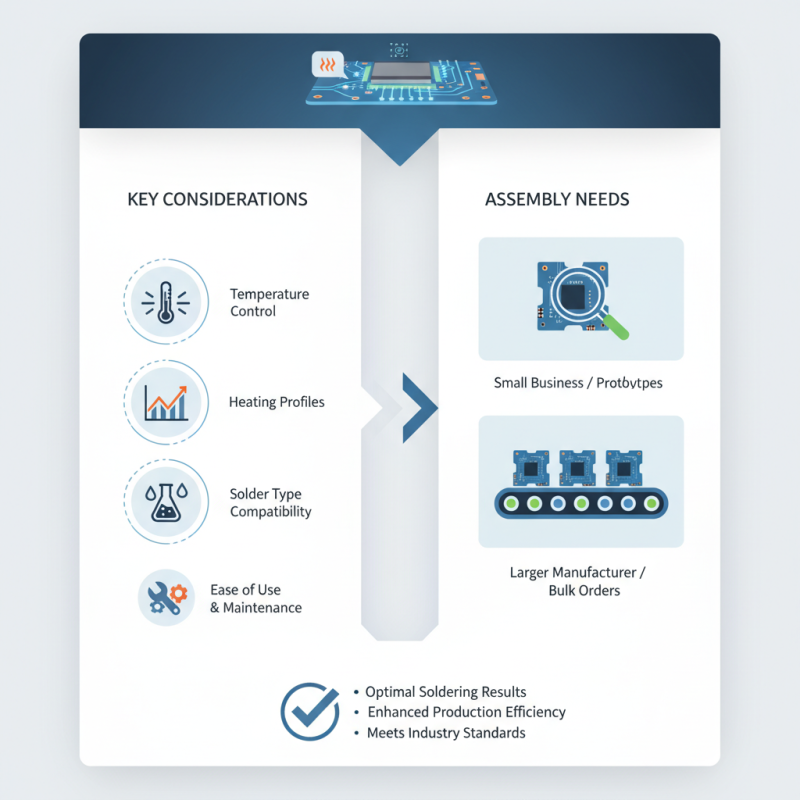
Choosing the right station isn’t one-size-fits-all, though. You gotta think about what you actually need — whether you’re just a small setup doing prototypes or a bigger outfit handling large orders. Things like how well the station controls temperature, the heating profiles, and whether it’s compatible with different types of solder can make a big difference in the quality of your final product. Also, don’t forget to keep in mind how easy it is to use and maintain your station — investing a little more time here can save you headaches and cash down the line.
In this guide, we’ll break down the main things you should look at when choosing a BGA Reflow Station that fits your PCB assembly needs. Our goal is to help you get the best soldering results and boost your overall efficiency. When you make a smart choice, not only does your assembly process get smoother, but the quality of your PCBs can really stand out and meet industry standards.
Understanding BGA Reflow Stations: An Overview
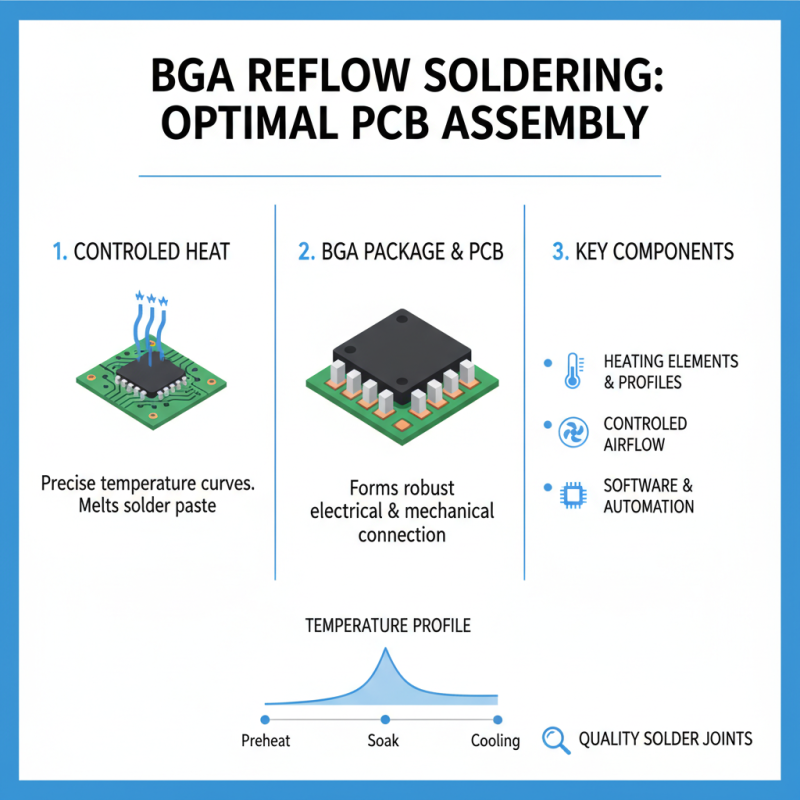
BGA (Ball Grid Array) reflow stations are essential for achieving optimal soldering quality in PCB assembly processes. These stations utilize controlled heat to melt solder and form a robust connection between the BGA package and the printed circuit board. Understanding the various components of a BGA reflow station, such as the heating elements, temperature profiles, and airflow systems, is crucial for ensuring precise soldering.
When selecting a BGA reflow station, consider the size and complexity of your PCB projects. A station with adjustable temperature settings and profiles can accommodate various soldering needs. Additionally, stations equipped with advanced features like profiling software allow for precise control and monitoring during the reflow process.
**Tips:** Always evaluate the reflow station's thermal uniformity to prevent cold solder joints. It's also beneficial to choose a model with easy maintenance and user-friendly interfaces. Lastly, ensure the station is compatible with the types of solder paste you intend to use, as different pastes may require specific temperature profiles for optimal results.
Key Features to Look for in a BGA Reflow Station
When selecting a BGA reflow station for your PCB assembly needs, there are several key features to consider that can greatly influence your production quality and efficiency. First and foremost, temperature control is critical. Look for a station that offers precise temperature profiles and adjustable settings to cater to different solder materials, ensuring ideal reflow conditions for various components. Additionally, a robust cooling system can help achieve optimal solder joint strength after the reflow process.
Another crucial feature to evaluate is the size and flexibility of the reflow area. Choose a station that accommodates the types and dimensions of PCBs you typically work with. A larger reflow area may allow for simultaneous processing of multiple boards, increasing throughput. Furthermore, consider a machine with programmable profiles, which enables saving and recalling specific settings for different projects, enhancing operational efficiency.
Tips: Always prioritize stations that come with a user-friendly interface. This simplifies the setup and monitoring processes, especially for complex projects. Also, consider units that provide real-time feedback and diagnostics, as these can significantly reduce setup time and minimize errors in production.
Key Features to Look for in a BGA Reflow Station
Assessing Your PCB Assembly Volume and Type
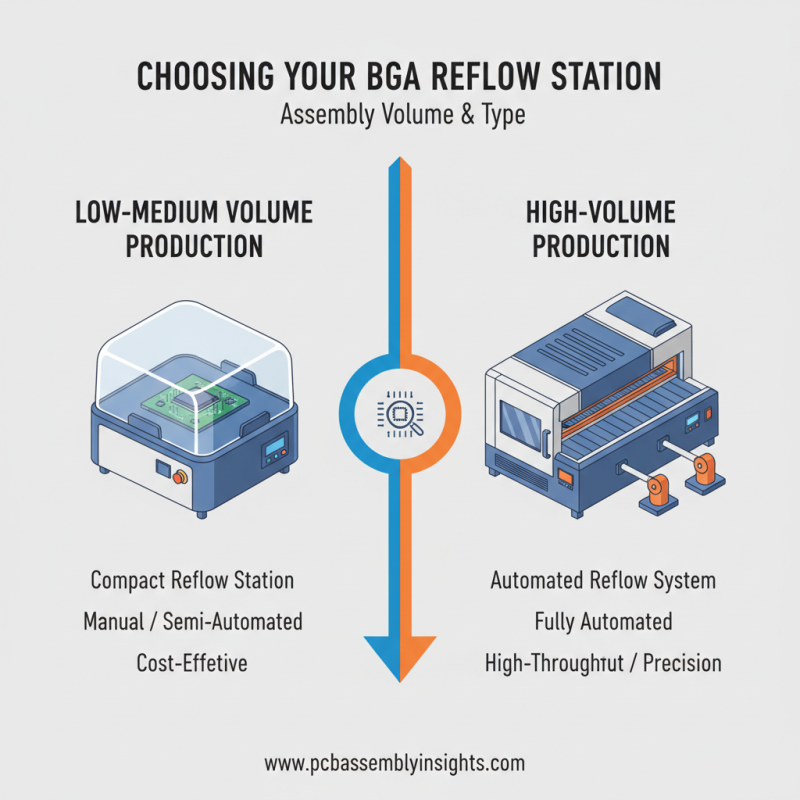
When it comes to selecting the best BGA reflow station for your PCB assembly needs, understanding your assembly volume and type is crucial. This initial assessment can guide you in determining whether a high-capacity machine or a more modest setup best suits your production line. For businesses specializing in low to medium volume PCB production, a compact reflow station may suffice, allowing for efficient workflow without the overhead of larger machinery. In contrast, companies with high-volume demands might benefit from more automated, advanced systems designed to handle greater workloads with precision.
Tips: Consider the types of PCBs you frequently assemble. If you often work with intricate designs or various components, investing in a reflow station that offers flexibility and robust temperature control features will be essential. Additionally, it’s wise to evaluate how your production scale may evolve; flexibility in your equipment can save costs in the long run, especially as demand fluctuates.
At Morel Equipments Co., Limited, with over 15 years of expertise in the SMT industry, we understand the importance of choosing the right equipment for your needs. Our range of products—from Pick And Place Machines to solder paste equipment—ensures that you have a comprehensive solution for your PCB assembly processes. By focusing on your specific assembly volume and type, you can optimize your operations and enhance overall productivity.
Comparing Different BGA Reflow Technologies
When selecting a BGA reflow station for PCB assembly, understanding the differences among various reflow technologies is crucial. Tools like convection, infrared, and vapor phase Reflow Machines each come with their own benefits and drawbacks. According to a market analysis by IPC, around 45% of PCB manufacturers prefer convection reflow systems due to their efficiency and ability to provide precise temperature control. This technology circulates hot air to evenly distribute heat across the PCB, ensuring that BGAs and other components reach the necessary soldering temperatures uniformly.
Vapor phase reflow is gaining traction, particularly for complex assemblies. A report from SMTA indicates that vapor phase technology can enhance thermal transfer and reduce thermal shock, making it ideal for sensitive components. The unique method leverages the boiling point of a specific fluid to create a controlled heat environment, resulting in a lower risk of component damage. Although generally more expensive than convection systems, the long-term benefits often justify the investment, especially in high-reliability applications. As you evaluate your options, consider both the upfront costs and the potential performance advantages of each reflow technology for your specific PCB assembly needs.
How to Choose the Best BGA Reflow Station for Your PCB Assembly Needs - Comparing Different BGA Reflow Technologies
| Technology Type | Heating Method | Temperature Range (°C) | Max PCB Size (mm) | Average Cost ($) | Key Advantages |
| Convection Reflow | Air Circulation | 180 - 260 | 300 x 400 | 3,000 - 15,000 | Versatile, suitable for various components |
| Infrared Reflow | Infrared Radiation | 150 - 250 | 200 x 300 | 2,000 - 10,000 | Fast heating rate, ideal for small runs |
| Vapor Phase Reflow | Vaporized Liquid | 225 - 260 | 250 x 350 | 5,000 - 20,000 | Uniform heating, great for temperature-sensitive components |
| Laser Reflow | Laser Heating | Variable | 150 x 250 | 10,000 - 30,000 | Highly precise, suitable for selective soldering |
Budgeting for Your BGA Reflow Station Investment
When considering the investment in a BGA reflow station, budgeting is a critical aspect that can significantly affect your PCB assembly outcomes. It's essential to establish a clear budget that encompasses not just the initial purchase price of the equipment but also ongoing operational costs such as maintenance, consumables, and electricity. Determining whether to opt for a low-cost entry-level model or a high-end system can depend on your production volume and complexity of the PCB designs you'll be working with.
Tips: Before making any purchase, evaluate your production needs carefully. If your PCB assemblies are relatively simple, a mid-range reflow station might suffice, allowing you to save funds for future upgrades or additional tools. For more complex boards, investing in a higher-end model may prevent costly mistakes and rework in the long term.
Another important budgeting tip is to account for training expenses. Properly training your team to effectively operate the reflow station can enhance efficiency and quality. Consider workshops or certifications that may come with the equipment purchase or seek online resources that provide knowledge and skills for operating the machinery effectively. By integrating these factors into your budgeting process, you can make a more informed decision that aligns with your assembly needs.
Evaluating Brand Reputation and Customer Support
When selecting the best BGA reflow station for your PCB assembly needs, evaluating brand reputation and customer support is paramount. A reputable brand often signifies reliability, performance, and quality assurance. According to a report by Market Research Future, the global PCB assembly market is expected to reach USD 69.24 billion by 2025, primarily driven by advancements in technology. As a result, choosing a manufacturer known for their expertise in surface mount technology (SMT) can significantly impact your assembly efficiency and product quality.
Customer support plays a crucial role in ensuring that your BGA reflow station operates smoothly. Research indicates that 67% of customers cite bad experiences with customer support as a reason for switching brands. Reliable assistance in terms of installation, maintenance, and troubleshooting will enhance your operational capabilities. With over 15 years in the SMT industry, Morel Equipments Co., Limited exemplifies a commitment to customer satisfaction, offering comprehensive support along with its range of high-quality products, including pick and place machines, automatic soldering robots, and ICT&FCT automatic testers. Therefore, when choosing a BGA reflow station, prioritize brands like Morel that not only provide superior products but also stand by their customers with robust support services.
Maintenance Tips for Optimal BGA Reflow Station Performance
Maintaining optimal performance of your BGA reflow station is crucial for achieving high-quality PCB assembly. One of the key maintenance tips is to regularly clean the equipment. Dust and flux residue can accumulate over time, leading to inefficiencies and potential defects. Use appropriate cleaning agents and tools to ensure that all surfaces, especially the heating elements, are free from contaminants. Additionally, regularly inspect and calibrate the station's temperature settings to ensure accurate heating profiles, which are vital for proper solder joint formation.
Another important aspect of maintenance is protecting your workspace. Using a durable, heat-resistant soldering mat can help safeguard against accidental solder spillage and high temperatures that could damage your workbench. A magnetic soldering mat not only provides insulation and protection for electronic components but also keeps tools organized. By investing in high-quality workspace accessories, you can enhance the longevity and effectiveness of your BGA reflow station, ultimately leading to better results in your PCB assembly projects.
Leveraging Advanced Fully-Auto BGA Rework Stations: Insights from the Latest Market Trends and Performance Metrics in PCB Repair
The demand for advanced fully-automatic BGA rework stations has surged as the electronics industry continues to evolve. Recent market trends indicate that these stations not only enhance efficiency but also improve the quality of PCB repairs significantly. According to a 2022 report by the Global Industry Analysts, the global BGA rework market is projected to reach $1.5 billion by 2027, driven primarily by the increasing complexity of electronic devices and the need for reliable repair solutions.
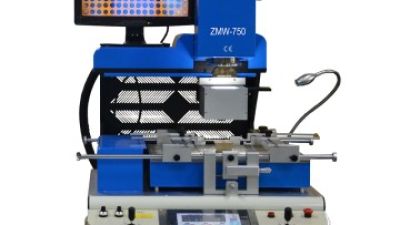
Leveraging state-of-the-art technology, modern BGA rework stations come equipped with sophisticated features that cater to the demands of the industry. A notable advancement is the integration of touch screens with human interfaces, allowing operators to easily set heating times, temperatures, and reflow temperature rates directly on the display. This user-friendly design enables quick learning for new operators while ensuring precision in the rework process. The touch screen also supports advanced alarming systems and vacuum time settings, which collectively enhance the overall rework efficiency.
Moreover, the incorporation of PLCs imported from Japan and temperature control modules from renowned Chinese brands exemplifies the fusion of quality and innovation in these machines. The ability to display three temperature curves via four independent temperature sensors allows for meticulous measurement of chip temperatures at various points, ensuring optimal rework outcomes. This technological prowess not only boosts the rework rate but also solidifies the reliability of repairs, making advanced fully-auto BGA rework stations indispensable in today's fast-paced electronics manufacturing landscape.
FAQS
reflow station for PCB assembly?
If you frequently work with intricate designs or various components, you should invest in a reflow station that offers flexibility and robust temperature control features.
Regular maintenance is crucial for achieving high-quality PCB assembly because it helps ensure that the equipment operates efficiently and reduces the risk of defects.
Regularly cleaning the equipment is essential. Accumulated dust and flux residue can lead to inefficiencies and potential defects.
Using a durable, heat-resistant soldering mat can protect against solder spillage and high temperatures, safeguarding your workbench and enhancing workspace organization.
Use appropriate cleaning agents and tools that ensure all surfaces, especially the heating elements, are free from contaminants.
Regular inspections and calibrations of the temperature settings are needed to ensure accurate heating profiles, which are vital for proper solder joint formation.
Yes, by focusing on your specific assembly volume and type, choosing the right equipment can optimize operations and enhance overall productivity.
Keeping tools organized with items like a magnetic soldering mat can enhance the longevity and effectiveness of the station, leading to better results in PCB assembly projects.
Investing in flexible equipment options can help manage potential fluctuations in demand, ultimately saving costs in the long run.
Conclusion
Choosing the right BGA Reflow Station is crucial for efficient PCB assembly. Understanding the various types and features of BGA Reflow Stations helps in identifying the best fit for your specific needs. Key considerations include assessing your PCB assembly volume and type, comparing different BGA reflow technologies, and budgeting for your investment. It's also essential to evaluate brand reputation and customer support, alongside implementing maintenance tips to ensure optimal performance over time.
At Morel Equipments Co., Limited, with over 15 years of experience in the SMT industry, we provide comprehensive solutions including BGA Reflow Stations. Our expertise in pick and place machines, automatic soldering robots, and solder paste equipment ensures that our customers can find the best tools to enhance their PCB assembly processes.