inquiry
Leave Your Message
0%

Picking the right Pick And Place Machine Pcb is super important for electronics manufacturers. Honestly, the right machine can make a big difference in how smoothly things run and the quality of the final product. There are different models out there, each suited for various production scales and specific needs—so it’s worth taking the time to find the right fit.

Getting a good handle on the specs is key. Things like speed, accuracy, and feeder capacity can vary a lot from one machine to another. By digging into these details, you can figure out which one really matches your workflow. Think about your production volume and what kinds of components you’re working with. Some machines can handle a wide variety of parts, while others might be more limited.

Also, don’t forget to consider your budget versus the features you actually need. Sure, a pricier Pick And Place Machine PCB might come packed with bells and whistles that boost productivity, but not every shop needs all that. Sometimes, a solid, more affordable option might be enough—which is why it’s smart to reflect on your specific requirements. Spending some time doing research now will save you headaches later—trust me, it pays off.
How to Choose the Right Pick And Place Machine PCB?

Understanding Pick And Place Machines for PCB Assembly

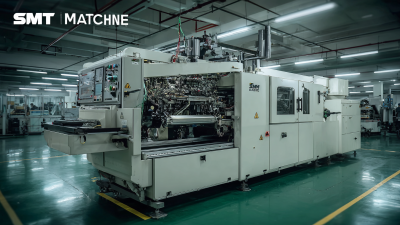
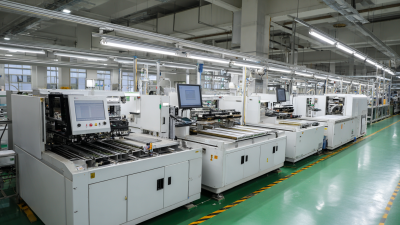
When selecting a pick and place machine for PCB assembly, understanding its function is crucial. These machines automate the placement of components onto printed circuit boards. They enhance speed and efficiency in production. However, not all machines are created equal.

Many factors come into play. The size and type of components can significantly affect your choice. Some Pick And Place Pcb Machines are better suited for small components, while others handle larger ones. Accuracy is vital too. A machine that often misplaces parts can lead to costly errors. It's essential to analyze how well it performs under pressure.

Some users find themselves overwhelmed by features and specifications. It can be confusing to determine what you truly need. Just because a machine boasts high speeds does not guarantee quality. Focusing solely on automation might overlook the importance of precision. Therefore, it's wise to consider your production needs and workflow before making a decision. Balancing features with practical requirements can lead to better outcomes.

Key Factors to Consider When Choosing a Pick And Place Machine

When choosing a Pick And Place Machine Pcb, several key factors come into play. The machine's speed is crucial. Faster machines can boost production rates, but they may compromise accuracy. Always check the precision of placement. A small misalignment can lead to large problems down the line. Evaluate the machine's ability to handle various component sizes. Flexibility is essential for diverse production needs.

Another significant aspect is ease of use. A complicated interface can slow down operations. Training time should be minimal. Consider the machine's maintenance requirements too. Frequent breakdowns can disrupt workflow and increase costs. The availability of support and spare parts should not be overlooked. A machine may seem affordable but can cost more in the long run if parts are hard to find.

Lastly, analyze the machine's software capabilities. Good software can enhance efficiency and provide valuable data for process improvement. Integration options with existing systems also matter. Check if upgrades are possible as your needs grow. Investing time in research before purchasing a Pick And Place Machine PCB can save you headaches later. A well-informed choice leads to a better production outcome.

Different Types of Pick And Place Machines Available on the Market

How to Choose the Right Pick And Place Machine PCB?

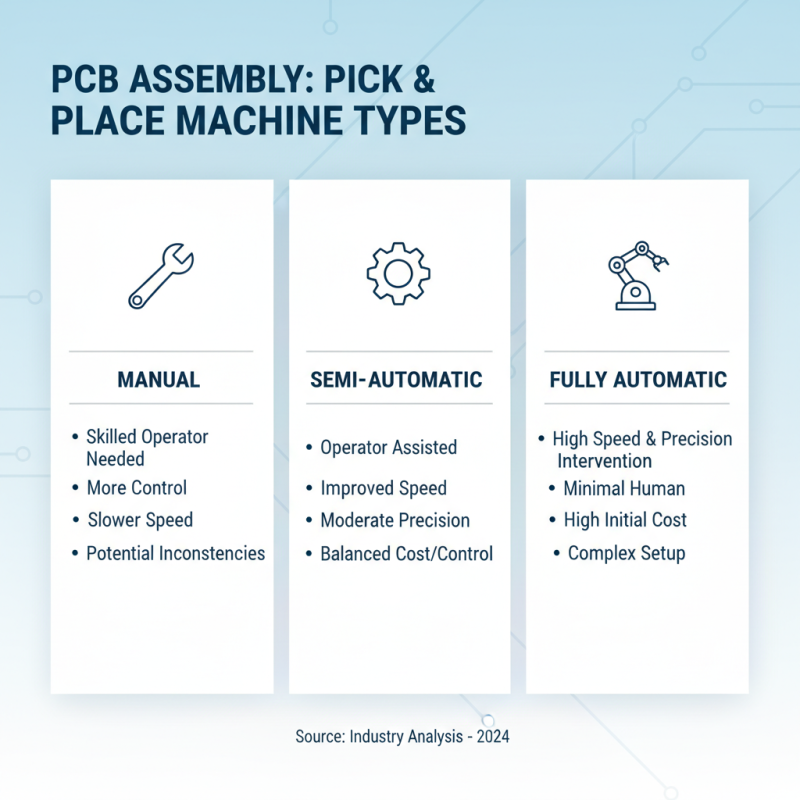
When selecting a pick and place machine for PCB assembly, it's essential to understand the types available. There are manual, semi-automatic, and fully automatic machines. Manual machines offer more control but require skilled operators. These machines are often slower and can lead to inconsistencies. On the other hand, fully automatic machines excel in speed and precision. However, they come with high costs and require significant setup.

Semi-automatic machines fill the gap. These machines provide a balance between control and efficiency. They are easier to use than manual machines and often affordable. Pcb Pick And Place machines vary in size and capabilities. Smaller machines are suitable for low-volume production, while larger setups can handle mass production. The choice depends on your specific needs and production scale.

It's crucial to consider the specifications of each type. Speed, accuracy, and ease of use are vital. Some machines struggle with smaller components, while others may face challenges with specific placements. Evaluating these factors before purchase is necessary. Understanding your production requirements will guide you in selecting the right Pcb Pick And Place machine.

Evaluating the Accuracy and Speed of Pick And Place Machines

How to Choose the Right Pick And Place Machine PCB?

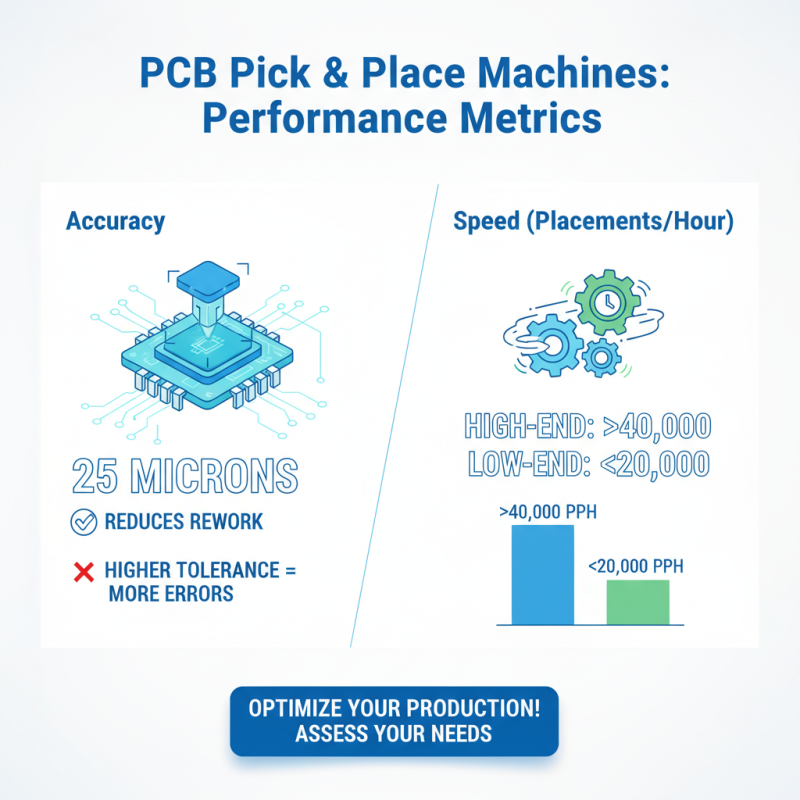
Evaluating the accuracy and speed of pick and place machines is essential for optimizing PCB production. A report from Industry Research highlights that machines with placement accuracy of 25 microns significantly reduce rework. Generally, many high-end machines offer over 40,000 placements per hour. However, some low-range alternatives struggle to hit 20,000 placements, making it crucial to assess your production needs.

Speed alone isn’t enough. The quality of placement is crucial for ensuring circuitry integrity. A study found that 80% of defects in PCBs arise from improper placement. That’s why monitoring the machine's performance over time can uncover issues. Regular calibration is often neglected, yet it can improve accuracy and efficiency. Operators should conduct weekly checks to maintain optimal performance.

Additionally, consider the machine’s adaptability. Some models struggle with smaller components, affecting layout flexibility. A recent analysis pointed out that 70% of manufacturers do not upgrade their machines, limiting their production capabilities. Investing in a versatile pick and place machine might yield long-term benefits, despite the initial cost. Evaluating these factors will help in selecting the right machine for your needs.

Cost Considerations When Selecting a Pick And Place Machine

When selecting a pick and place machine, cost is a crucial factor. It's easy to get attracted to high-end features. However, what suits your production needs must be prioritized. The initial purchase price is only one part of the total cost. You should also consider maintenance, operating expenses, and potential downtimes. A machine that requires frequent servicing may end up being more expensive in the long run.

Think about your production volume. A lesser-used machine could waste resources on upkeep. Moreover, the cost of training operators should not be overlooked. Specialized machines may need extensive training for your team. Evaluate if that aligns with your budget. Some machines may offer cheaper upfront costs, but hidden fees could complicate the overall expense.

Remember to factor in scalability. If your business grows, will your equipment still be effective? Machines that are easily upgradable often save money over time. Reflect on your current and future needs before making a decision. A thoughtful approach can prevent regrets later on.

Comparing Features: Manual vs. Automated Pick And Place Machines

When selecting a pick and place machine for PCB assembly, understanding the differences between manual and automated options is essential. Manual machines often require skilled operators. They rely heavily on human precision. Studies show that human error can account for up to 40% of defects in PCB assembly. On the other hand, automated machines boost speed and efficiency, potentially reducing defects to just 5%.

Automated machines can handle various components swiftly. For instance, they can place thousands of components per hour, which is a stark contrast to manual machines’ limited output. Companies can experience a significant increase in productivity. Yet, automated machines come with higher upfront costs. They also require maintenance and technical expertise, which might not be available in every facility.

Tips: Consider the production volume. If you do small batches, a manual machine could suffice. For large operations, invest in automation. Another tip is to evaluate the learning curve. Adequate training for operators is crucial, regardless of the machine type. Ultimately, understanding your specific needs will lead to better choices in PCB assembly processes.

Importance of Supplier Support and Service in Machine Selection

When selecting a Pick And Place Machine, supplier support plays a crucial role. According to a recent industry report, 45% of manufacturers reported production delays due to inadequate supplier assistance. This highlights how essential it is to choose a supplier who provides ongoing support & service.

Many companies underestimate the training needs for operators. A well-supported machine can reduce learning times significantly. Furthermore, effective technical support can prevent costly downtimes. In fact, studies show that timely assistance can increase machine uptime by up to 30%. A reliable supplier understands this aspect and can offer solutions when problems arise.

Additionally, consider the importance of spare parts availability. Delayed access to components can halt production lines. A study indicated that 67% of companies faced operational issues due to spare part shortages. When you choose a Pick And Place Machine, ask about the supplier's commitment to service. Look for solid guarantees on support and an established network for parts supply. Reflecting on experiences from others can provide insight into potential pitfalls. Keep these factors in mind when making your choice.

FAQS

: What is the main purpose of the product?

: The product is designed to enhance user experience. It simplifies daily tasks effectively.

How often should I use it?

Regular use is recommended for best results. Find a routine that works for you.

Are there any side effects?

Some users may experience minor discomfort initially. This should subside as you adapt.

Can I use it with other products?

Compatibility varies. Always check instructions before combining with other items.

What should I do if I encounter issues?

Contact support for assistance. They are available to help with common problems.

How do I clean and maintain it?

Regular cleaning is essential. Follow maintenance guidelines for longevity and performance.

Is it suitable for all ages?

It is primarily designed for adults. Age restrictions may apply for younger users.

What if I forget to use it one day?

Missing a day is not critical. Just resume your routine the following day.

How should I store it when not in use?

Store in a cool, dry place. Avoid direct sunlight and extreme temperatures.

Why is feedback important?

Feedback helps improve the product. It also enhances user satisfaction and experience.

Conclusion

Choosing the right Pick And Place Machine PCB is essential for efficient PCB assembly. Understanding the various types of machines available on the market and the key factors influencing their selection, such as accuracy, speed, and cost, is crucial. Evaluating whether a manual or automated machine suits your production needs will also play a significant role in your decision-making process.

Additionally, considering the importance of supplier support and service can enhance long-term satisfaction with your Pick And Place Machine PCB. Proper assessment of these features will ensure that you select a machine that meets your operational requirements and budget, ultimately leading to improved productivity and quality in your PCB assembly processes.
Liam

Liam

Liam is a dedicated marketing professional at Shenzhen Moeller Electromechanical Equipment Co., Ltd., where he leverages his extensive knowledge of the company’s products to drive engagement and increase brand visibility. With a strong focus on innovation and customer satisfaction, Liam plays a......
Previous Mastering Smt Oven Reflow: A Comprehensive Guide for Global Buyers