In today’s bustling world of manufacturing, picking the right SMT machine is super important if you want to keep your production both high quality and efficient. With the increasing demand for top-notch electronics around the globe, manufacturers really need to stay ahead of the game by embracing the latest tech to boost their output and comply with international standards. Enter MOREL EQUIPMENTS CO., LIMITED—a company that’s been doing its thing in the surface mount technology (SMT) scene for over 15 years. They've come a long way from just offering accessories to becoming a full-blown solutions provider. Now, they offer cutting-edge Smt Machines, including pick and place machines, automatic soldering robots, and some seriously advanced testing equipment. This guide is here to help you navigate the sometimes tricky process of choosing the best SMT machine that fits your manufacturing needs. We want to make sure you stay competitive and really shine with your product quality in the global market.
Fundamental Factors to Consider When Selecting SMT Machines for PCB Manufacturing
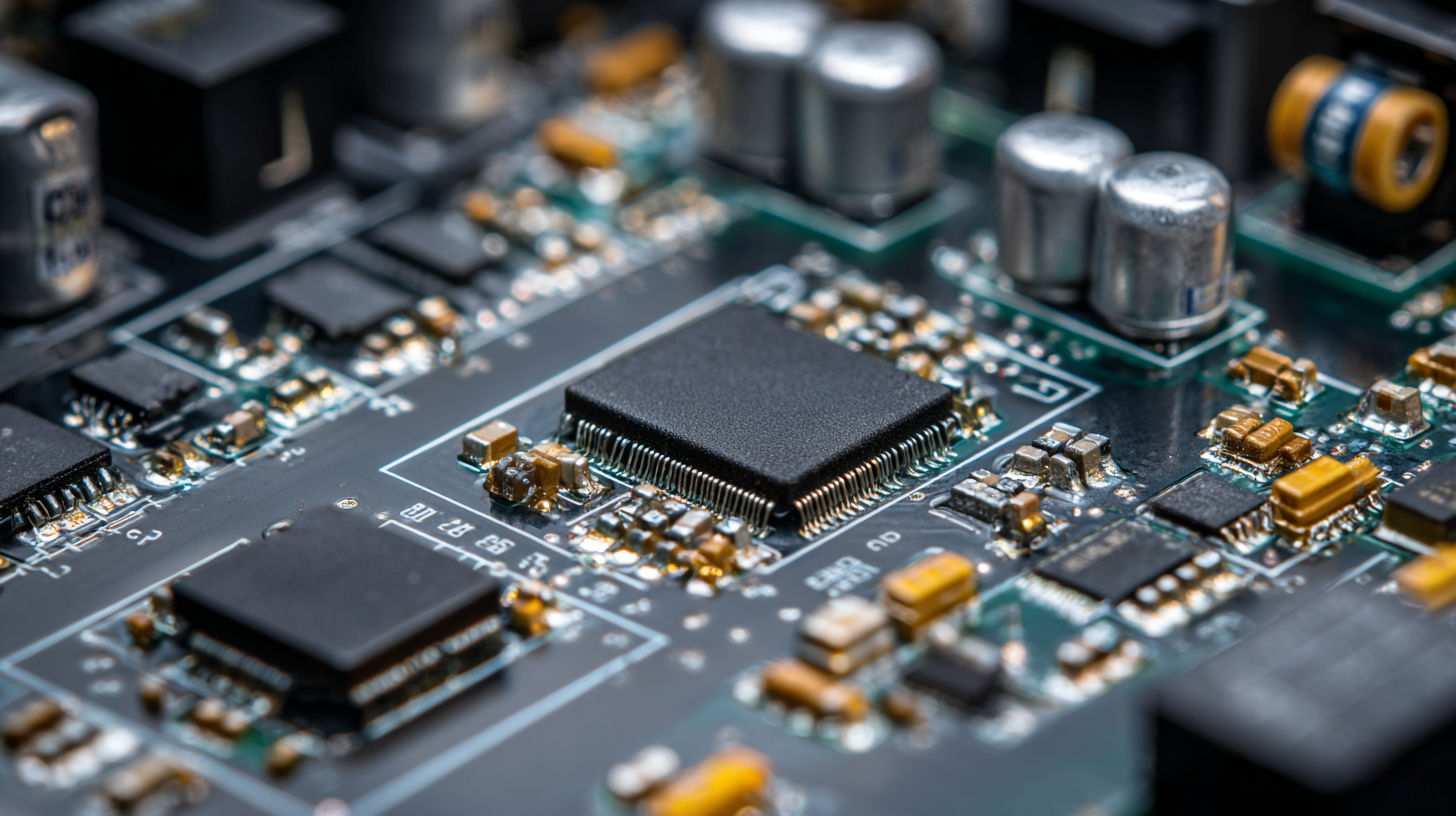
When selecting Surface Mount Technology (SMT) machines for PCB manufacturing, several fundamental factors must be considered to ensure optimal performance and efficiency. One of the most critical aspects is the machine’s placement accuracy, which is essential for minimizing defects. According to a report by IPC, a leading industry association, achieving a placement accuracy of ±25 microns can significantly reduce the rework rate, which averages at 5% of production costs. Therefore, investing in a high-precision SMT machine can lead to substantial savings and better product quality.
Another key factor is the speed of the SMT machine. Recent studies indicate that the average throughput for modern SMT lines can reach up to 15,000 components per hour. It's vital to evaluate your production demands and choose a machine that aligns with your manufacturing capacity requirements.
Tip:Always consider future scalability while selecting Smt Equipment. Investing in a machine that allows for easy upgrades can help meet increasing production demands without a complete overhaul of your manufacturing line.
Additionally, it's important to assess the software and automation capabilities of the machine. An intuitive user interface and advanced programming options can significantly streamline the setup process and reduce lead times.
Tip: Look for machines with comprehensive support and training resources to minimize downtime and maximize staff efficiency.
Understanding the Impact of Placement Accuracy on Production Quality and Efficiency
Choosing the right SMT machine for your manufacturing needs can be a bit of a challenge, but understanding placement accuracy is super important. You see, when placement accuracy is spot on, it really boosts your production quality and efficiency. This means fewer defects and better yield rates, which is always a win in my book. In today’s world, where precision is everything, manufacturers can't afford to ignore how powerful advanced technology can be in boosting accuracy. We’ve seen some impressive innovations in high-precision tools lately, showing that to really nail machining efficiency and surface quality, you’ve got to balance both dynamic and static factors.
Now, let’s talk about Artificial Intelligence (AI) because it’s totally changing the game in operations management. It’s helping to simplify processes and improve accuracy like we’ve never seen before. As more companies start to tap into AI, they're finding ways to optimize their production lines, enhance quality inspection, and cut down on mistakes—leading to overall better efficiency. By jumping on advanced models and methodologies, manufacturers can really ramp up their placement accuracy. This means they can meet the increasing market demands without dropping the ball on quality standards. As the manufacturing world keeps evolving, adopting these cutting-edge technologies will be key for anyone aiming for zero defects and top-notch production results.
The Impact of Placement Accuracy on Production Quality
Evaluating SMT Machine Speed: Balancing Throughput and Product Quality
When it comes to figuring out how fast Surface Mount Technology (SMT) machines can go, manufacturers really need to find that sweet spot between throughput and product quality. You know, it’s all about balancing speed with making sure everything meets the mark. One of the best ways to gauge how efficiently things are running is through Key Performance Indicators (KPIs), which, by the way, are super handy in all kinds of industries—food production, for example. These KPIs look at stuff like operational speed, accuracy, and defect rates. They’re like a report card that helps manufacturers see how their machines stack up against industry standards.
Interestingly, studies have shown that by using advanced data analytics, manufacturers can bump up throughput by a solid 10-20% without skimping on quality. How cool is that?
And let's not forget about the recent innovations in how we assess performance. It’s pretty exciting! With machine learning models, manufacturers can actually predict the best operational conditions by diving into historical performance data. This approach is being used in different sectors and it's leading to some impressive improvements. For instance, one research study came up with energy-efficient machinery that uses modern simulation techniques—talk about hitting two birds with one stone by boosting production efficiency while keeping product integrity intact! So, if manufacturers in the electronics sector jump on similar methods, they can make sure their SMT machines are not just speedy but also top-notch in quality. It’s all about meeting those production goals!
The Ultimate Guide to Choosing the Best Smt Machine for Your Manufacturing Needs - Evaluating SMT Machine Speed: Balancing Throughput and Product Quality
| Machine Model | Max Speed (CPH) | Precision (mm) | Component Size Range (mm) | Quality Rating |
| Model A | 12,000 | 0.05 | 0201 - 5050 | A+ |
| Model B | 10,000 | 0.06 | 01005 - 4030 | A |
| Model C | 9,000 | 0.07 | 0402 - 8050 | B+ |
| Model D | 8,500 | 0.08 | 0201 - 6030 | B |
Cost Analysis: Initial Investment vs. Long-Term Operational Efficiency of SMT Equipment
Choosing the right SMT machine can feel a bit overwhelming, right? But it’s super important to really think about not just the initial cost but also how it'll affect your wallet in the long run. You see, those initial costs can swing wildly based on what the machine can do and all its bells and whistles. Sure, a fancier machine might hit you with a bigger price tag up front, but if it ramps up your productivity and cuts down on operational costs, it might just save you some serious cash down the road.
Tip: Don’t skip the deep dive into costs! Look beyond the sticker price—think about installation, training, and maintenance too. Also, keep in mind how long you expect the machine to last and how efficient it’ll be. This will give you a clearer picture of the total cost of ownership.
Now, let’s talk about how smoothly things run—operational efficiency is a biggie in the decision-making game. Machines that can fire up quicker, waste less material, and save you on labor costs can really add up to big savings in the end. You might be tempted to go for the cheaper machine at first, but watch out—those higher operational expenses could eat into any savings you thought you were getting.
Tip: Look for machines that come packed with features to boost efficiency, like automated calibration or real-time monitoring. These little extras can make a huge difference in how well your production line performs and, ultimately, how much you get back on your investment.
The Role of Automation and Software Features in Modern SMT Machines
You know, when it comes to Surface Mount Technology (SMT) machines, automation and those fancy software features really play a huge role in making manufacturing smoother. These days, modern SMT machines come packed with some pretty sophisticated systems that boost decision-making and problem-solving skills, making everything a lot more efficient. Thanks to advances in artificial intelligence, these machines can actually learn from how production goes, tweak their settings on the fly, and fine-tune workflows without needing someone to babysit them all the time. This kind of automation isn’t just great for cutting down on costs—it also seriously ups the precision and reliability needed to stay ahead in such a fast-moving market.
But wait, there's more! The user-friendly software interfaces have really made it a breeze to program and operate these SMT machines. With cool simulation tools and intuitive design, manufacturers can set things up way faster and get teams working together more smoothly. This whole shift highlights just how crucial automation is in the manufacturing world, helping job shop leaders roll out practical solutions that lead to big results. As tech keeps advancing, the way automation, AI, and software features work together is going to totally reshape SMT manufacturing, pushing innovation and efficiency in ways we haven’t even imagined yet.
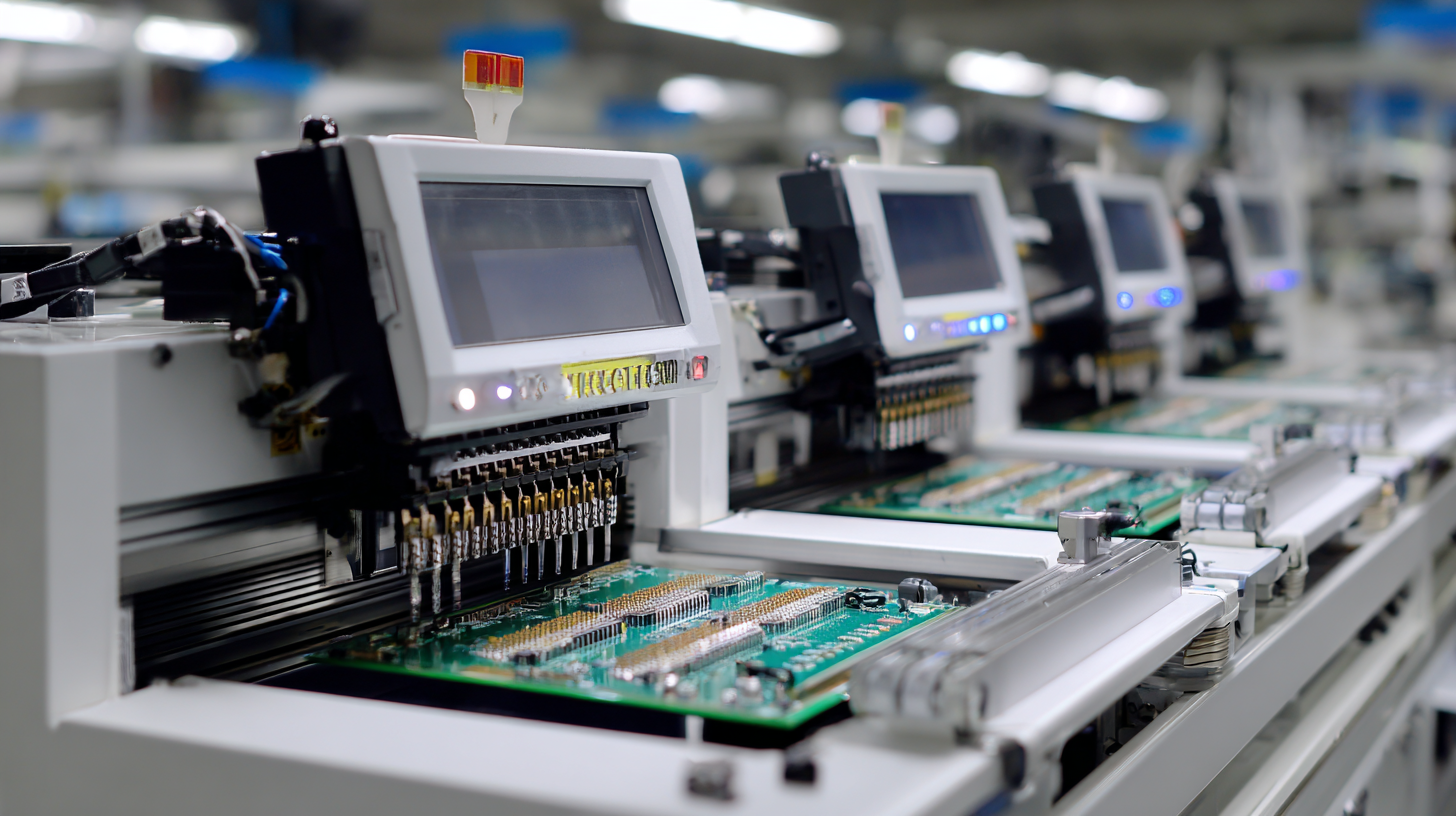
Maintaining Flexibility: Choosing SMT Machines for Diverse Manufacturing Needs
When it comes to picking Surface Mount Technology (SMT) machines, you've really got to think about flexibility. After all, manufacturing needs can vary quite a bit! Morel Equipments Co., Limited has been in the SMT game for over 15 years, so they totally get that every production line has its own quirks. Whether you're dealing with a tricky assembly or pumping out high volumes, choosing the right SMT machinery is absolutely crucial for keeping things running smoothly and ensuring top-notch quality.
Here's a quick tip: take a good look at your production requirements before you settle on a machine. Think about things like board size, the types of components you're working with, and how fast you need to go. Morel’s lineup of pick and place machines and automatic soldering robots can be tailored to fit a bunch of different manufacturing situations, which helps keep your operations nice and flexible.
Oh, and don’t forget! It's a smart move to invest in compatible testing equipment like ICT (In-Circuit Testing) and FCT (Functional Testing) to go along with your SMT machines. This combo not only helps make your workflow smoother but also boosts quality control throughout the entire manufacturing process. Plus, Morel’s solutions are designed to handle everything from high to low-volume production, making it way easier to switch things up between different product lines.
Enhancing Production Efficiency: Insights from the 2023 SMT Market Report on JUKI Multi-Task Platform JM-100
The 2023 SMT Market Report highlights significant advancements in production efficiency through innovative technologies, particularly with the JUKI Multi-Task Platform JM-100. This state-of-the-art machine boasts best-in-class speed, achieving impressive component insertion times of just 0.6 seconds for vacuum nozzles and 0.8 seconds for gripper nozzles. Such rapid processing capabilities are vital in a competitive market where manufacturers strive to maximize output without compromising quality.
One of the standout features of the JM-100 is the introduction of the groundbreaking "Takumi head," which allows for multiple recognition heights. This enhancement not only streamlines the component placement process but also targets a broader range of components, catering to diverse production needs. Furthermore, the system incorporates advanced component feeding mechanisms coupled with JaNets software for effective line control, ensuring seamless integration into existing production workflows. As the industry continues to evolve, tools like the JM-100 are essential for companies looking to remain agile and efficient in their manufacturing processes.
FAQS
: Key factors include placement accuracy, machine speed, software and automation capabilities, as well as future scalability.
A placement accuracy of ±25 microns can significantly reduce rework rates, which average 5% of production costs, leading to better product quality and savings.
The average throughput can reach up to 15,000 components per hour, making it essential to choose a machine that meets your production demands.
Investing in machines that allow for easy upgrades helps meet increasing production demands without the need for complete manufacturing line overhauls.
Cost analysis should include initial investment, installation, training, maintenance costs, and an evaluation of the machine's expected lifespan and efficiency.
Machines with faster setup times, reduced waste, and lower labor costs can lead to savings, making higher operational efficiency crucial in decision making.
Features such as automated calibration and real-time monitoring can significantly improve production effectiveness and maximize return on investment.
An intuitive user interface and advanced programming options streamline the setup process, reducing lead times and enhancing overall efficiency.
It's essential to look for machines that come with comprehensive support and training resources to minimize downtime and improve staff efficiency.
Although more advanced machines may require a higher initial investment, they can boost productivity and reduce overhead costs, potentially paying for themselves over time.