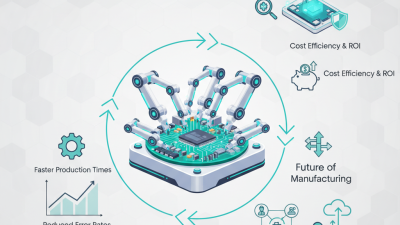
In the manufacturing world, precision and quality control really are the name of the game. Thanks to some pretty cool advancements in technology, Auto Optical Inspection (AOI) has become a must-have process. I recently came across a report from MarketsandMarkets, and it’s pretty exciting — they’re predicting the AOI market will hit about $1.2 billion by 2025. That really shows just how crucial it is to have AOI integrated into your production lines.
Experts keep stressing how important it is to develop solid AOI strategies. Dr. Lisa Chang, who’s known for her expertise in quality inspection tech, says, "Getting AOI right can cut down on defects a lot and boost efficiency on the shop floor." Her words highlight how more and more manufacturers are leaning on this tech. But let’s be honest — setting up and calibrating AOI systems isn’t exactly a walk in the park. It can be quite challenging, especially at first.
Training staff to use these systems smoothly can feel overwhelming at times. That’s why having clear guidance and practical methods is so important — it helps everyone get up to speed quicker. As manufacturing continues to evolve, the role of AOI is only getting more important. Those who adopt best practices in AOI will likely see big improvements in quality and overall production success.
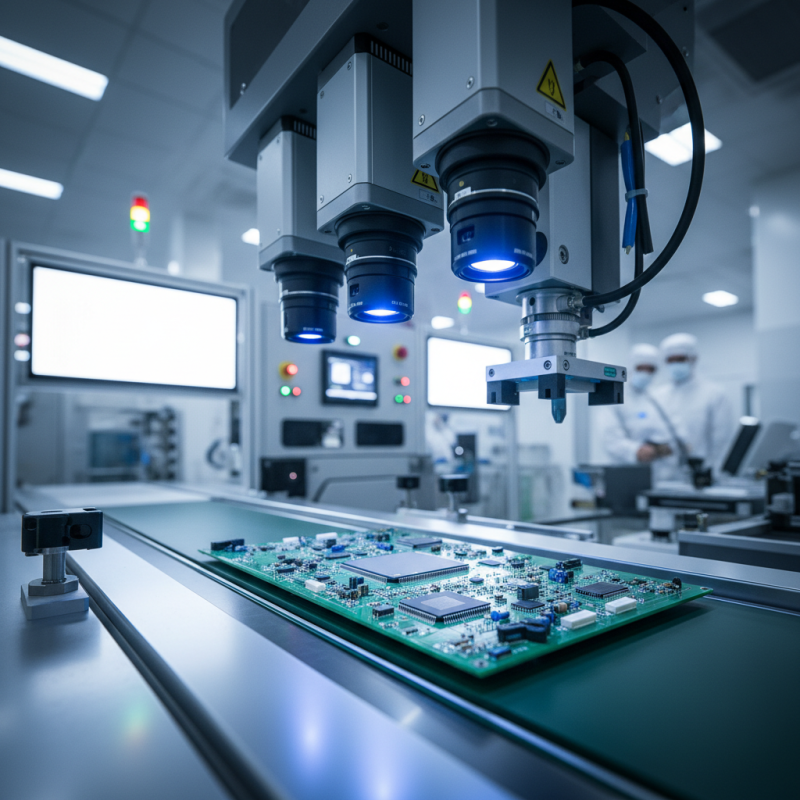
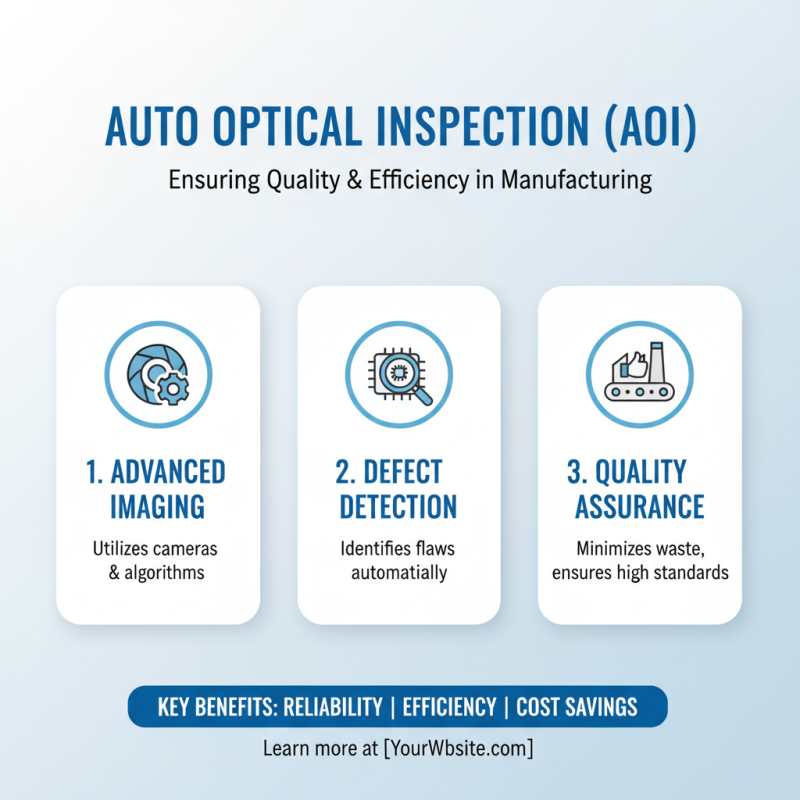
Auto Optical Inspection (AOI) is a critical process in modern manufacturing. It employs advanced imaging technology to detect defects in products. This ensures high-quality output and minimizes production waste. Understanding AOI allows manufacturers to maintain efficiency and uphold product standards.
Effective AOI requires a few strategic approaches. Firstly, ensure proper lighting conditions during inspections. Inconsistent lighting can lead to false positives or negatives. Adjust brightness and contrast settings for accurate defect detection. Secondly, utilize high-resolution cameras. Clear images allow for precise analysis, reducing chances of oversight.
Regularly revisiting inspection protocols can also enhance AOI effectiveness. Over time, manufacturing processes evolve, and so should inspection techniques. Periodically analyze the performance of your AOI system against industry standards. This reflection helps in identifying areas for improvement. Embracing feedback from operators enhances the system's reliability and effectiveness in detecting defects.
An effective Auto Optical Inspection (AOI) system is vital in modern manufacturing. It enhances product quality while reducing costs. According to industry reports, a well-integrated AOI system can increase defect detection rates by up to 90%. This significantly lowers the chances of faulty products reaching the market, which can damage brand reputation.
Key components of a successful AOI system include high-resolution cameras and advanced algorithms. Cameras should capture images from multiple angles. Advanced algorithms analyze these images in real time. Many systems use machine learning to adapt and improve over time. However, reliance on automation may overlook subtle defects. Human oversight is still essential for complex issues.
Integration with other production systems is another critical aspect. Smooth data flow between AOI systems and manufacturing execution systems (MES) ensures timely feedback. Reports show that systems integrated seamlessly can improve overall efficiency by up to 30%. Yet, it's crucial to continually evaluate the system's performance. Regular assessments can reveal the need for upgrades or training. Balancing technology and human intervention maximizes inspection accuracy and efficiency.
When implementing Aoi Auto Optical Inspection in a manufacturing setting, optimizing lighting conditions plays a crucial role. Adequate illumination can significantly enhance image clarity. Use soft and uniform lighting to avoid shadows and glares. Additionally, different components might require specific lighting angles. Performing test runs with varied angles will help find the best setup.
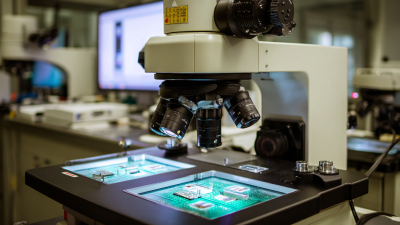
Imaging conditions are just as essential. Select high-resolution cameras to capture fine details in the inspection process. Ensure the focal length is appropriate for the components being inspected. Sometimes, focus on one feature may cause others to blur. This necessitates finding a balance between depth and clarity. Calibration is vital, as misalignment can lead to errors.
Consider environmental factors too. Dust and other particles can distort results, affecting reliability. Regularly check for cleanliness in the inspection area. However, not all issues can be fixed with perfect lighting or imaging setups. Occasionally, unexpected anomalies might arise. Use these moments as learning opportunities to refine the Aoi Auto Optical Inspection process.
| Tip | Description | Recommended Lighting Type | Optimal Camera Setting |
|---|---|---|---|
| Use Direct Lighting | Direct lighting reduces shadows and enhances defect visibility. | LED Spotlights | High Dynamic Range (HDR) setup |
| Optimize Inspection Angles | Adjust the angle to minimize reflections and maximize detail visibility. | Diffuse Overhead Lighting | ISO 100, Aperture f/8 |
| Adjust Illumination Intensity | Ensure lighting is neither too bright nor too dim to reveal defects. | Variable Intensity LED | Shutter Speed 1/60s |
| Use Appropriate Wavelength Filters | Filters can enhance contrast by filtering out unwanted light. | Red and Blue Filters | White Balance Adjusted |
| Calibrate Imaging Systems Regularly | Regular calibration ensures consistent imaging quality and accuracy. | Standardized Light Source Calibration | Focus on Manual Adjustment |
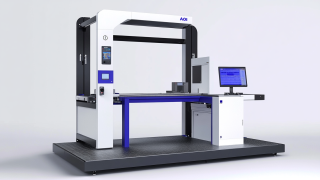
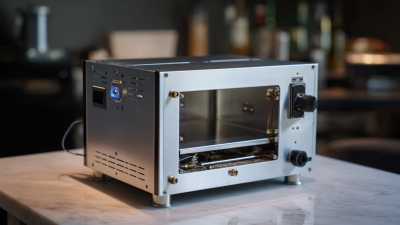
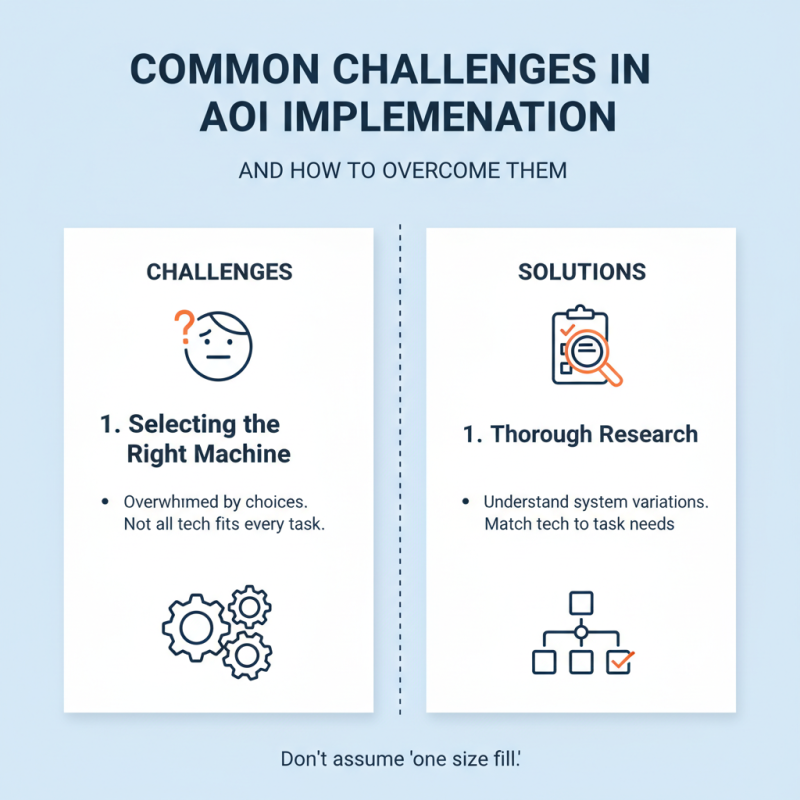
Implementing Auto Optical Inspection (AOI) in manufacturing faces several common challenges. One significant issue is the selection of the right AOI machine. The technology varies widely, and not every machine is suited for every task. Manufacturers may feel overwhelmed by choices. Researching different systems is crucial, but many overlook this step. They assume one size fits all, which can lead to subpar performance.
Training staff on how to effectively operate the Auto Optical Inspection Machine is another hurdle. Without proper training, operators may struggle to use the machine correctly. This can result in inaccurate inspections. It’s essential to invest time in hands-on training sessions. Regular workshops can reinforce skills and boost confidence. Underestimating the complexity of AOI software can also lead to frustration. Employees might find it challenging to interpret results without guidance.
Integrating AOI with existing workflows poses additional concerns. It can disrupt production if not managed well. Communication among team members becomes vital in this phase. Defining clear processes can help prevent misunderstandings. Evaluating feedback regularly allows teams to refine their approach. All these steps help ensure that the AOI implementation enhances quality control rather than complicating it.
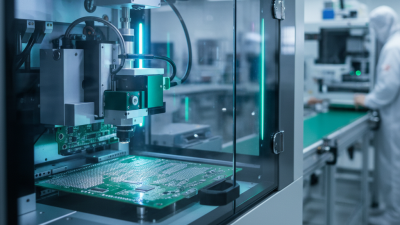
Integrating Auto Optical Inspection (AOI) systems with manufacturing process management software can enhance productivity significantly. This integration allows real-time data exchange between inspection and management systems. It ensures that any defects are detected promptly, reducing the risk of faulty products moving down the line.
Having AOI systems in sync with software tools is not always straightforward. Technical challenges can arise, such as data format mismatches. Moreover, personnel must be trained adequately to interpret data and act on it swiftly. If communication gaps exist, the benefits of AOI can diminish rapidly. Many manufacturers find themselves grappling with software inefficiencies, causing delays in decision-making.
Beyond integration, the continuous improvement of AOI systems is crucial. Regular updates and maintenance are needed to keep systems running optimally. Engaging with team feedback can uncover hidden flaws in the process. It's important to analyze inspection data critically and seek areas for improvement actively. Manufacturers who embrace this mindset often see enhanced quality and efficiency in their production processes.
Training personnel effectively in Auto Optical Inspection (AOI) systems is crucial for manufacturing success. Employees should receive hands-on training with the equipment, exploring its different functions. These systems use advanced technology for product inspection, but human oversight is essential. Mistakes can happen, especially with the complexity of these systems.
Regular workshops can enhance skill levels. These sessions provide opportunities for employees to ask questions and share experiences. Peer-to-peer learning can lead to valuable insights. Simulated inspections can reveal common pitfalls. This type of training fosters a culture of continuous improvement, which is vital for operational efficiency.
Assessing the effectiveness of training is important. Conducting evaluations after training can provide essential feedback. Are employees confident in using AOI systems? Are they able to identify errors effectively? Such reflections can pinpoint areas needing attention. Embracing both strengths and weaknesses in personnel training can significantly impact the overall effectiveness of the AOI process.
Maintaining and calibrating Automatic Optical Inspection (AOI) equipment is critical for quality control in manufacturing. Regular checks ensure that the equipment can detect defects accurately. Adjusting settings based on environmental changes is essential. Use reliable reference images to compare inspection results. This helps in identifying deviations and maintaining precision.
Calibration should occur at specific intervals, often dictated by the machine's usage. If inspections fail to meet standards, revisit the calibration process. Consider factors like lighting conditions and camera alignment. Regular training for operators can enhance the performance of AOI systems. Operators must stay updated on procedures and troubleshooting techniques.
An Auto Insertion Machine can work closely with AOI systems. However, a lapse in maintenance can lead to production delays. Keeping thorough records of maintenance history is beneficial. Create an actionable plan for routine inspections, focusing on potential weak points. This proactive approach can save costs and improve output quality. Continuous improvement in these areas reflects a commitment to excellence in manufacturing.
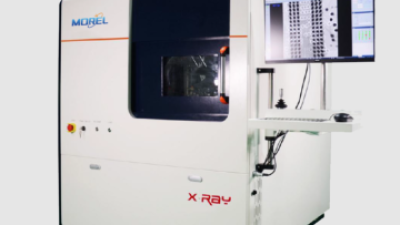
The S-7200 X-Ray Inspection System is a cutting-edge solution designed specifically for the challenges of quality control in PCB and electronics manufacturing. This advanced machine utilizes high-resolution non-destructive testing technology to deliver unparalleled precision in inspecting printed circuit boards and electronic assemblies. By employing real-time X-ray imaging, the system enables engineers and manufacturers to detect internal defects and irregularities that could compromise product reliability, ensuring that every component meets the highest standards.
With its ability to provide detailed images of internal structures, the S-7200 streamlines the inspection process and enhances overall production efficiency. The technology allows for immediate analysis, reducing downtime and fostering quicker decision-making in manufacturing workflows. As the electronics industry continues to evolve, the integration of such innovative inspection systems is essential for maintaining quality assurance and pushing the boundaries of what is possible in electronic design and production. The S-7200 X-Ray Inspection System stands out as a vital tool for manufacturers aiming to uphold excellence in their products.
OI system in manufacturing?
High-resolution cameras and advanced algorithms are essential. Cameras should capture images from various angles for better analysis.
Automation may overlook subtle defects. Human oversight is vital for addressing complex issues that machines cannot detect.
Proper lighting significantly enhances image clarity. Uniform lighting avoids shadows and glares, improving the inspection process.
Calibration ensures accurate alignment of cameras. Misalignment can lead to errors in inspections, affecting overall quality.
Integration allows real-time data exchange, enabling prompt defect detection and reducing the risk of faulty products.
Technical challenges like data format mismatches may occur. Also, personnel must be properly trained to interpret data effectively.
Regular assessments can identify the need for upgrades or training. This keeps systems running optimally and supports efficiency.
Use unexpected anomalies as learning opportunities to refine the AOI process. Reflect on these moments to improve overall systems.
Dust and particles can distort results. Regular checks for cleanliness are essential to maintain inspection reliability.
Auto Optical Inspection (AOI) plays a critical role in enhancing quality control within manufacturing processes. By utilizing advanced imaging technologies, AOI systems detect defects and ensure product integrity on production lines. To achieve effective AOI implementation, manufacturers must focus on key components such as optimized lighting and imaging conditions, which significantly improve the accuracy of inspection results.
Moreover, addressing common challenges during AOI implementation is vital for seamless integration with existing manufacturing process management software. Proper training for personnel operating AOI systems is essential to maximize the benefits of this technology. Additionally, adhering to best practices for the maintenance and calibration of AOI equipment can prolong its lifespan and ensure consistent performance. By prioritizing these factors, manufacturers can enhance their operational efficiency and product quality through effective Auto Optical Inspection.