inquiry
Leave Your Message
0%

In today's fast-changing world of manufacturing, keeping quality in check has become more important than ever for companies that want to stay competitive. The introduction of new tech like Auto Optical Inspection (AOI) really is a game-changer—it's changing the way manufacturers check and make sure their products are up to standard. With advanced imaging systems, AOI can spot defects at different points in the production process, which means fewer faulty products slipping through and reaching customers. This tech not only makes manufacturing more reliable but also lines up perfectly with the rising push for speed and accuracy.
The Future of Manufacturing How Auto Optical Inspection Transforms Quality Control Standards

Morel Equipments Co., Limited has been around for over 15 years in the surface mount technology (SMT) scene, and they’re really leading the charge with this shift. They started off mainly doing accessories but have grown into a full-blown one-stop shop, offering everything from pick-and-place machines to auto soldering robots and top-tier testing gear. Their integration of AOI into their product lineup just shows how committed they are to raising quality standards and helping manufacturers operate at their best. As automation and smart inspection tools become more mainstream, Morel is clearly dedicated to helping producers reach their full potential with innovative solutions.

The Evolution of Quality Control in Manufacturing through AOI Systems

The field of manufacturing has undergone a significant transformation over the years, particularly in quality control standards. Auto Optical Inspection (AOI) systems play a pivotal role in this evolution. According to a report by Mordor Intelligence, the global AOI market is expected to grow at a CAGR of 8.4%, reaching $1.2 billion by 2026. This growth highlights the increasing reliance on technology to enhance product quality and reduce defects.

One key aspect of AOI systems is their ability to perform real-time inspections with high precision. Unlike traditional methods that rely on manual checks, AOI systems use advanced imaging and algorithms to detect anomalies and inconsistencies in products on the assembly line. A study by ResearchAndMarkets suggests that implementing AOI can reduce inspection costs by up to 30% while improving defect detection rates by more than 50%. This not only enhances efficiency but also builds consumer trust by ensuring that only the highest quality products reach the market.

Tips for manufacturers considering AOI adoption include starting small by integrating AOI systems into specific production lines and gradually scaling up. It is also important to provide adequate training for operators to maximize the capabilities of these systems. Furthermore, manufacturers should regularly update their AOI software to embrace the latest advancements and maintain competitive advantages.

Understanding the Mechanisms of Auto Optical Inspection Technology

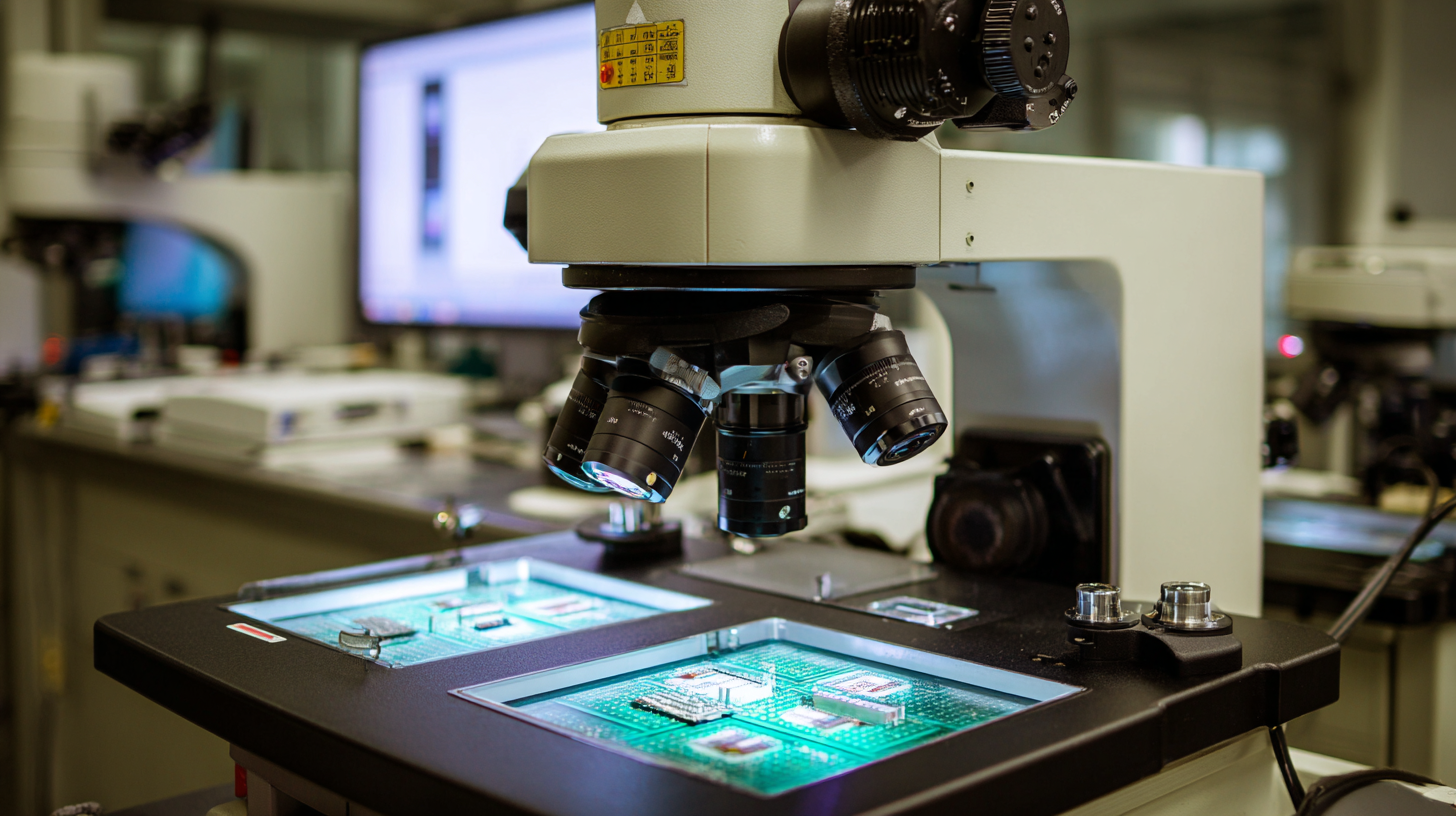
The Future of Manufacturing How Auto Optical Inspection Transforms Quality Control StandardsAuto Optical Inspection (AOI) technology is revolutionizing quality control in manufacturing by leveraging advanced imaging techniques to identify defects in products swiftly and accurately. The mechanism behind AOI involves the use of high-resolution cameras to capture detailed images of parts on an assembly line. These images are then analyzed using sophisticated software algorithms that detect deviations from predetermined standards. This allows for real-time feedback and correction, significantly reducing the likelihood of faulty products reaching consumers.

One of the key components of AOI is its ability to perform multi-dimensional analyses. Unlike traditional inspection methods that often rely on manual checks, AOI systems can evaluate various aspects of a product simultaneously, such as surface defects, alignment issues, and dimension accuracy. This comprehensive approach not only enhances the detection of flaws but also improves the overall efficiency of the manufacturing process. By minimizing human error and expediting the inspection cycle, AOI technology is paving the way for higher quality standards and more reliable production outcomes.

Key Benefits of Implementing AOI in Production Lines

Auto Optical Inspection (AOI) represents a groundbreaking advancement in manufacturing quality control. By integrating high-resolution imaging with sophisticated algorithms, AOI systems can detect minute defects in a fraction of the time compared to traditional inspection methods. This technology not only enhances the accuracy of identifying issues but also minimizes human error, ensuring that only products meeting stringent quality standards move forward in the production line.

Implementing AOI in production lines offers several key benefits. Firstly, it significantly reduces the time spent on manual inspections, allowing for a more streamlined workflow and faster time-to-market for products. Secondly, the precision of AOI systems leads to improved product reliability and customer satisfaction, as defects are caught earlier in the production process. Lastly, using AOI contributes to cost savings in the long term by decreasing waste and rework, ultimately resulting in higher profit margins for manufacturers.

The Future of Manufacturing: How Auto Optical Inspection Transforms Quality Control Standards

Aspect Description Key Benefits Impact on Production
Accuracy High precision in detecting defects using advanced imaging technology. Reduces false positives and negatives, improving quality assurance. Increases throughput by minimizing rework and scrap rates.
Speed Rapid inspection capabilities allow for real-time quality checks. Speeds up the production cycle and reduces downtime. Enhances overall operational efficiency.
Data Integration Seamless integration with existing manufacturing execution systems (MES). Facilitates better tracking and reporting of quality metrics. Contributes to informed decision-making and continuous improvement.
Cost Savings Reduces costs associated with manual inspection and defect management. Lower operational costs through improved resource utilization. Enhances profit margins by minimizing defects.

Statistical Evidence of AOI Impact on Defect Rates and Efficiency

The integration of Auto Optical Inspection (AOI) technology in manufacturing has garnered attention for its substantial impact on defect rates and overall efficiency. A recent report from the Association for Manufacturing Technology highlights that AOI can reduce defect rates by up to 60%, particularly in the electronics sector where visual imperfections can compromise product integrity. This technology utilizes high-resolution imaging and advanced algorithms to identify flaws in real time, allowing manufacturers to address issues before products reach the market, thus safeguarding quality standards.

The Future of Manufacturing How Auto Optical Inspection Transforms Quality Control Standards

Further statistical evidence supports the transformative role of AOI in optimizing operational efficiency. According to a study published by the International Journal of Production Research, factories that implemented AOI systems reported an average increase in production efficiency of 30%. These improvements can be attributed to reduced manual inspection times and the rapid identification of anomalies, which streamlines the overall production process. As industries continue to evolve, the adoption of AOI is becoming critical not only for minimizing defects but also for enhancing competitiveness in a fast-paced market.

Future Trends: Integrating AI and Machine Learning with AOI Systems

The integration of artificial intelligence (AI) and machine learning with Auto Optical Inspection (AOI) systems is set to revolutionize the manufacturing landscape. As factories continually strive for enhanced efficiency and product quality, the ability of AI to analyze vast amounts of data in real-time offers unprecedented insights. Machine learning algorithms can learn from historical inspection data, enabling systems to adapt and improve their defect detection capabilities over time. This dynamic approach not only enhances precision but also dramatically reduces the likelihood of human error, ensuring that quality standards are consistently met.

Additionally, the combination of AI with AOI systems paves the way for predictive maintenance in manufacturing environments. By monitoring equipment performance and identifying patterns associated with potential failures, these smart systems can alert operators before issues arise, minimizing downtime and optimizing production workflows. As manufacturers embrace these advanced technologies, they can expect not just improvements in quality control but also a more agile and responsive manufacturing process that adapts to changing market demands. This synergy of AI and AOI is poised to redefine how quality is understood and achieved in the manufacturing sector.

Case Studies: Successful AOI Implementations in the Automotive Industry

Automotive manufacturers are increasingly turning to Auto Optical Inspection (AOI) systems to enhance their quality control standards. According to a 2021 industry report by MarketsandMarkets, the global AOI market in the automotive sector is expected to grow from $385 million in 2020 to $1.1 billion by 2025, reflecting the critical need for precise and efficient inspection processes.

One notable case study involves a leading automotive company that integrated AOI technology into their production line, resulting in a 30% reduction in defect rates and a significant decrease in time spent on manual inspections.

Another example can be seen in an automotive supplier that deployed AOI systems to monitor assembly processes. This implementation led to a 25% increase in detection rates of soldering defects compared to traditional inspection methods, as reported in a 2022 study by the International Journal of Production Research. By leveraging advanced algorithms and machine learning, these AOI systems not only provide real-time feedback but also support continuous improvement initiatives.

The data-driven insights gained from AOI analytics empower manufacturers to not only meet but exceed industry quality standards, ensuring that they remain competitive in a rapidly evolving market.

FAQS

: What is

uto Optical Inspection (AOI) technology?

How does AOI work?

AOI works by using high-resolution cameras to capture detailed images of products on an assembly line, which are then analyzed by sophisticated software algorithms to detect deviations from standards.

What are the benefits of AOI compared to traditional inspection methods?

AOI offers multi-dimensional analyses of products, enhancing flaw detection and overall efficiency by minimizing human error and expediting the inspection cycle.

How much can AOI reduce defect rates?

AOI can reduce defect rates by up to 60%, especially in the electronics sector, where visual imperfections can significantly impact product integrity.

What impact does AOI have on production efficiency?

Implementation of AOI systems can lead to an average increase in production efficiency of 30%, primarily due to reduced manual inspection times and faster anomaly detection.

Why is AOI technology becoming critical for industries?

As industries evolve, AOI technology is essential for minimizing defects and enhancing competitiveness in a fast-paced market environment.

What types of defects can AOI detect?

AOI can detect various issues including surface defects, alignment issues, and dimension accuracy, providing a comprehensive assessment of products.

How does AOI contribute to real-time feedback in manufacturing?

AOI technology allows for real-time identification of flaws, enabling manufacturers to address issues quickly before products reach the market.

What source provides statistical evidence of AOI's effectiveness?

Evidence of AOI's impact comes from reports by the Association for Manufacturing Technology and studies published in the International Journal of Production Research.

How does the use of AOI influence quality standards?

By significantly reducing the likelihood of defective products and streamlining inspection processes, AOI helps maintain high quality standards in manufacturing.

Conclusion

The article "The Future of Manufacturing: How Auto Optical Inspection Transforms Quality Control Standards" explores the significant evolution of quality control in manufacturing, particularly through the adoption of Auto Optical Inspection (AOI) systems. It delves into the underlying mechanisms of AOI technology and outlines the key benefits of integrating these systems into production lines, highlighting how they contribute to enhanced defect detection and overall efficiency. Statistical evidence demonstrates the tangible impact of AOI on reducing defect rates, making it an indispensable tool for manufacturers.

Looking ahead, the article discusses emerging trends such as the integration of AI and machine learning with AOI systems, which promise to further revolutionize quality control practices. Case studies illustrate successful AOI implementations in the automotive industry, showcasing how companies like Morel Equipments Co., Limited, which has over 15 years of experience in surface mount technology, can leverage AOI to improve their production quality and streamline operational processes.
Liam

Liam

Liam is a dedicated marketing professional at Shenzhen Moeller Electromechanical Equipment Co., Ltd., where he leverages his extensive knowledge of the company’s products to drive engagement and increase brand visibility. With a strong focus on innovation and customer satisfaction, Liam plays a......
Previous Mastering Smt Oven Reflow: A Comprehensive Guide for Global Buyers