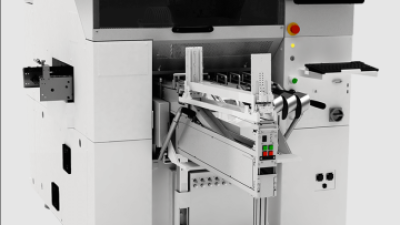
In today’s super competitive manufacturing world, staying efficient and precise is more important than ever. That’s where a Radial Insertion Machine really comes in handy. This piece of advanced equipment totally changes the game when it comes to assembling components into products. It helps you get things done faster and improves your overall product quality.
A lot of manufacturers tend to underestimate just how crucial automation really is. Relying on manual insertion can lead to inconsistencies and, let’s be honest, more errors. Bringing in a Radial Insertion Machine can make a huge difference here — cutting down on mistakes and smoothing out the whole process. Plus, it frees up your team’s time so they can focus on tackleing more complicated or creative tasks.
I get it, investing in a Radial Insertion Machine might seem like a big upfront expense. But honestly, the long-term gains usually make it worth it. Better product reliability and faster turnaround times can really pay off. As the industry keeps evolving, businesses need to keep up with the latest and greatest solutions. Ignoring these trends could leave you behind or hold back your growth. So here’s the real question — is your business ready to adapt and grow with this change?
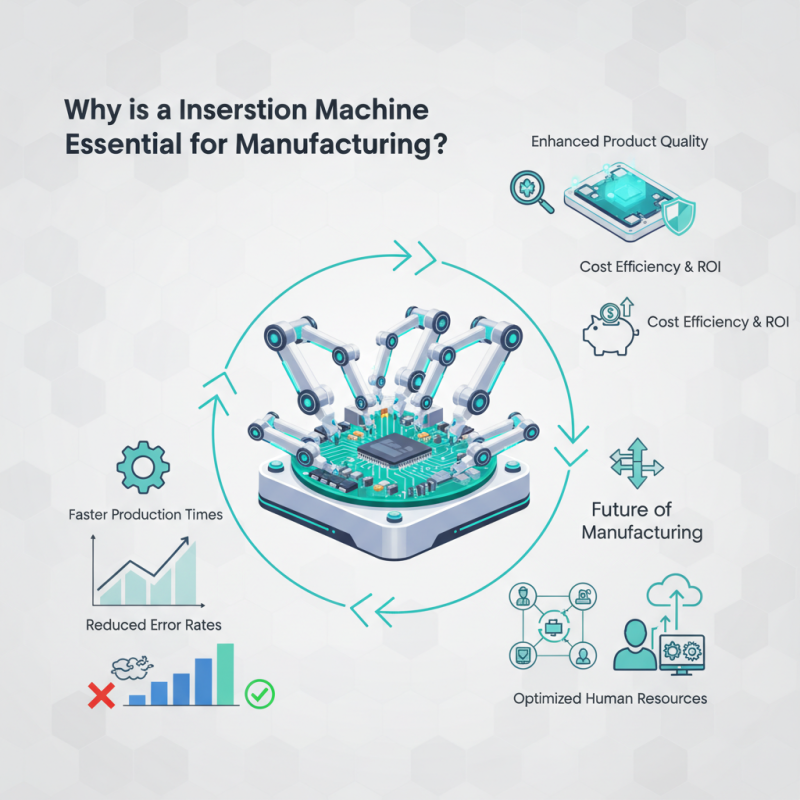
The Functionality of a Radial Insertion Machine in Manufacturing
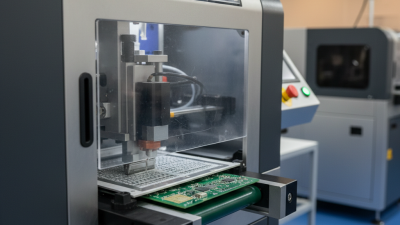
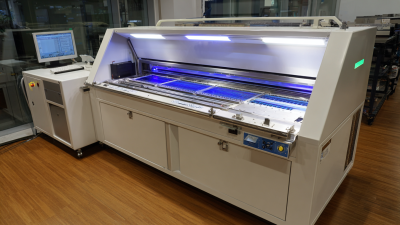
In the manufacturing arena, a Radial Insertion Machine serves crucial functions. It simplifies the process of inserting components into printed circuit boards. With this machine, placement accuracy increases significantly. This results in fewer defects and a higher yield rate. Operators can execute complex tasks with greater efficiency. However, issues may arise if the machine is not properly calibrated. Regular checks are essential to maintain precision.
The flexibility of Radial Insertion technology is noteworthy. It can adapt to different component sizes and shapes. This versatility allows manufacturers to enhance productivity. Yet, the setup time can sometimes be a drawback. A machine that saves time in production may require long adjustments between jobs. Finding the right balance is key.
Additionally, the automation aspect reduces labor costs. Machines can operate continuously without breaks. However, reliance on technology introduces risks. Technical failures can halt production. It prompts manufacturers to consider backup systems. Investing in training is also beneficial. Skilled operators ensure machines run efficiently. Overall, while Radial Insertion Machines streamline manufacturing, reflection on their limitations is essential.
Key Components of Radial Insertion Machines
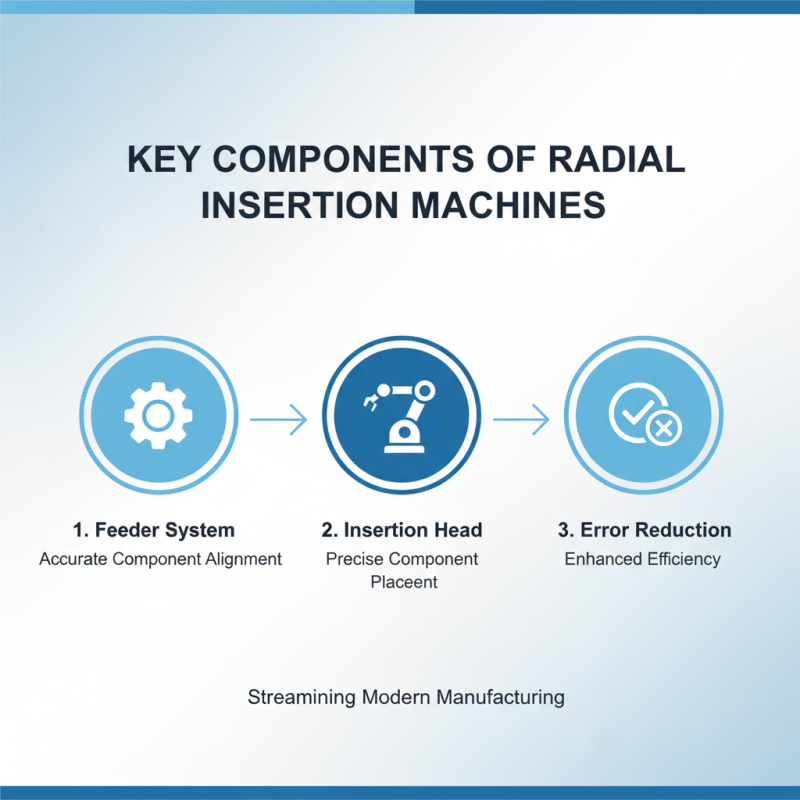
Radial insertion machines are pivotal in modern manufacturing. They streamline operations by enhancing efficiency. These machines typically consist of several key components. A feeder system ensures components are accurately aligned. An insertion head then places these components precisely. This process significantly reduces errors.
According to a report from the Association for Manufacturing Technology, the use of radial insertion machines has increased productivity by approximately 30% in electronics manufacturing. This is noteworthy as every produced component can influence the overall product quality. Operators need to maintain these machines regularly. Neglect may lead to higher defect rates.
Moreover, the software controlling these machines is equally important. Advanced programming allows for customization in production. However, outdated software may limit functionality. Regular updates are essential to harness full capabilities. Balancing machine upkeep and technological advancements can be challenging. Each component in radial insertion machines plays a crucial role in achieving optimal results.
Advantages of Using Radial Insertion Machines for Production
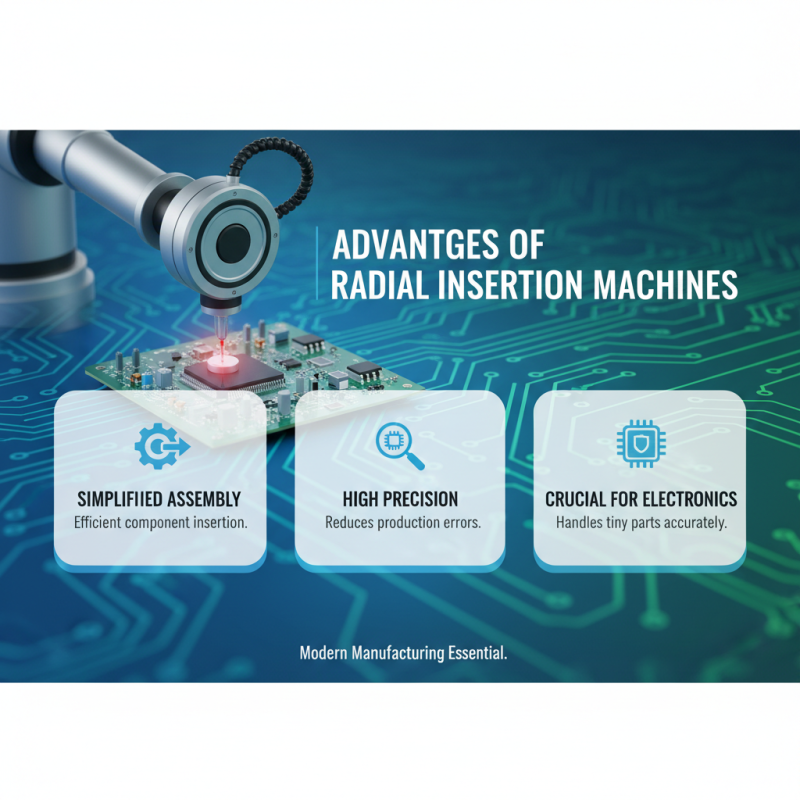
Radial insertion machines are becoming essential in modern manufacturing. They simplify the assembly process by efficiently inserting components into a PCB. Their design allows for high precision, which reduces errors during production. This precision is crucial when dealing with tiny electronic parts.
Using these machines can significantly speed up the production line. Unlike manual assembly, which can be slow and inconsistent, radial insertion machines work quickly. They can handle complex assemblies, which would take much longer by hand. This capability translates to increased output and lower labor costs.
However, integrating such machines into existing workflows can be challenging. There might be a learning curve for operators unfamiliar with the technology. Companies should invest time in training and maintenance to ensure they maximize efficiency. Some might find the initial costs daunting, but the long-term benefits often outweigh these concerns. It’s important to continuously evaluate the performance of these machines to make necessary adjustments.
Applications of Radial Insertion Machines Across Industries
Radial insertion machines play a vital role in various industries by enhancing efficiency and precision. In the automotive sector, these machines are essential for assembling small components, such as connectors and sensors. Reports indicate that the global automotive manufacturing market is expected to reach $6 trillion by 2025. This growth aligns with the increasing demand for automation in production lines.
In electronics, the applications of radial insertion machines are vast. They are used to place and secure components on circuit boards, significantly reducing manual labor. Estimates suggest that the electronics manufacturing industry will grow by 8% annually. The need for reliability and speed drives this growth, making machines like the Auto Insertion Machine indispensable.
Tips: Regular maintenance of radial insertion machines improves lifespan and reduces downtime. Operators should undergo training to maximize machine utilization. Understanding each machine's unique capabilities can lead to enhanced production efficiency. Not all machines are built equally. It's crucial to assess specific needs before making equipment choices.
Applications of Radial Insertion Machines Across Industries
Comparative Analysis: Radial vs. Traditional Insertion Methods
In the realm of manufacturing, the choice between radial and traditional insertion methods can significantly impact production efficiency. A recent industry report shows that radial insertion machines improve assembly line speed by 30%. This increase comes from the machine’s ability to place components at varying angles, enhancing precision and reducing the need for additional adjustments.
In contrast, traditional methods often rely on manual insertion or simpler machinery. While these methods might be easier to set up initially, they tend to be slower and error-prone. A survey found that nearly 20% of defects in assembly can be traced back to traditional insertion techniques. This often results in costly reworks and delays, which could be avoided with a radial insertion machine.
Considering an Axial Insertion Machine can further streamline processes by allowing for vertical component insertion. Nevertheless, it’s crucial to evaluate each method's fit for specific production needs. While radial machines offer speed, they may also require investment in training for optimal operation, which raises questions about initial costs versus long-term gains.
Why is a Radial Insertion Machine Essential for Manufacturing? - Comparative Analysis: Radial vs. Traditional Insertion Methods
| Criteria | Radial Insertion Machine | Traditional Insertion Methods |
| Insertion Speed | High (300-600 components/hour) | Moderate (100-300 components/hour) |
| Precision | High (±0.1mm) | Variable (±0.5mm) |
| Setup Time | Low (15-30 minutes) | High (1-2 hours) |
| Flexibility | High (easily adaptable for various components) | Low (limited to specific components) |
| Labor Requirements | Lower (automation reduces workforce needed) | Higher (more manual labor needed) |
| Cost Efficiency | Higher (savings from speed and precision) | Lower (higher production costs) |
Maintenance Best Practices for Radial Insertion Machines
Radial insertion machines play a crucial role in manufacturing processes. They improve efficiency and precision, which are key in any production line. To keep these machines running smoothly, regular maintenance is essential. Without proper care, even the best machines can face issues that disrupt production.
One important maintenance practice is to regularly inspect all components. This includes checking the alignment of the Automatic Insertion Machine. Misalignment can lead to increased wear and tear. Operators should be trained to identify signs of wear early. Another step is to clean the machine often. Dust and debris accumulation can cause malfunction, affecting speed and accuracy.
Additionally, lubrication is vital for ensuring smooth operation. However, over-lubrication can create its own problems. It's a delicate balance that requires attention. Spare parts should be on hand for quick replacements as needed. Indeed, maintenance is not just about fixing problems; it’s about preventing them. Neglected machines can lead to costly downtime. Regular check-ups can save time and resources in the long run.
Future Trends in Radial Insertion Machine Technology
Radial insertion machines are evolving rapidly, shaping the future of manufacturing. One trend is the integration of advanced robotics. This technology enhances precision and speeds up production lines. According to industry reports, companies utilizing robotics in assembly lines see a 30% increase in efficiency. This shift demands a reconsideration of workforce skills.
Another significant development is the rise of smart manufacturing systems. These systems use data analytics and IoT to optimize processes. A recent survey revealed that 70% of manufacturers plan to implement smart solutions by 2025. This trend raises questions about cybersecurity. As machines get smarter, they become more vulnerable.
Sustainability is also a crucial factor. Manufacturers are seeking eco-friendly machines. Challenges remain in balancing cost and environmental impact. Reports indicate that consumers prefer products made with sustainable practices. The need for innovation is pressing, but the path forward is complex.
Maximizing Efficiency in Electronics Manufacturing with the JUKI JM-100 SMT Insertion Machine: A Comprehensive Guide
In the fast-paced world of electronics manufacturing, efficiency is paramount. The introduction of advanced insertion machines has revolutionized the speed and accuracy of component placement. Among these innovations, the JUKI JM-100 SMT Insertion Machine stands out by significantly reducing component insertion times. With incredible speeds of just 0.6 seconds for vacuum nozzles and 0.8 seconds for gripper nozzles, manufacturers can enhance their production capabilities, responding more dynamically to market demands.
One of the key features of the JM-100 is its innovative "Takumi head," designed to accommodate multiple recognition heights, thus ensuring precise placement regardless of component variation. This adaptability is crucial in a manufacturing environment that often grapples with a diverse range of components. With efficient component feeding mechanisms and streamlined line control enabled by the JaNets software, the JM-100 machine enhances overall workflow. According to the latest market studies, companies utilizing such advanced technologies see a substantial increase in throughput, with some reporting enhancements of nearly 40% in production speed.
Industry reports indicate that as manufacturers adopt these high-speed machines, they not only improve turnaround times but also reduce operational costs significantly. By optimizing efficiency through automation and innovative design, the JUKI JM-100 is pivotal in driving the electronics manufacturing sector toward a more productive and responsive future. Embracing these advancements positions businesses to thrive in an increasingly competitive landscape, as they capitalize on technology to meet the evolving needs of consumers.
FAQS
: Radial insertion machines enhance efficiency in automotive and electronics industries.
They are essential for assembling small components like connectors and sensors.
The global automotive market may reach $6 trillion by 2025.
They secure components on circuit boards, reducing manual labor significantly.
Regular maintenance can improve lifespan and reduce downtime.
Integrating robotics can boost efficiency by 30%.
Smart manufacturing and robotics are key trends shaping the future.
Increased reliance on data analytics raises cybersecurity issues.
Consumers prefer products made with sustainable practices.
Balancing cost and environmental impact remains a complex issue.
Conclusion
A Radial Insertion Machine plays a crucial role in modern manufacturing by enhancing efficiency and precision in the assembly process. Its functionality centers around the automated insertion of components into PCBs and other substrates, reducing human error and increasing production speed. Key components of these machines include feed mechanisms, insertion tools, and control systems, each contributing to their overall performance.
The advantages of using Radial Insertion Machines extend across various industries, from electronics to automotive, due to their ability to handle complex assembly tasks with minimal downtime. A comparative analysis highlights the superior performance of radial machines over traditional insertion methods, particularly in terms of speed and accuracy. Additionally, maintenance best practices are essential for sustaining their operational efficiency, while future trends indicate advancements in technology that will further enhance their capabilities in manufacturing processes.